The impact of the proposed revised Australia's microbiological monitoring programme for beef and sheep meat exported to the EU
Bojan Blagojevic, Laurent Guillier, Roland Lindqvist, Michaela Hempen, Laura Martino, Sonagnon Martin Goudjihounde, Konstantinos Koutsoumanis

TL;DR
This paper evaluates how changes to Australia's meat monitoring program affect its ability to detect contamination when exporting beef and sheep meat to the EU.
Contribution
The study compares current and proposed monitoring programs using probabilistic modeling to assess detection capabilities for microbiological contaminants.
Findings
The current program detects more alerts for APC in beef, while the proposed program detects more E. coli in sheep.
Excluding Salmonella testing in the proposed program means it cannot detect Salmonella alerts.
Overall, the proposed program has similar or higher alert detection for APC and E. coli compared to the current program.
Abstract
The European Commission asks scientific and technical assistance from EFSA to determine the impact of the revision of the Australian monitoring programme on its ability to detect microbiological contamination. Considering that, in 2010, the European Commission determined the current Australian monitoring programme to be equivalent to the EU requirements for microbiological monitoring further to an EFSA scientific assessment, the current and proposed programmes were described and the total number of alerts was compared using a probabilistic modelling approach. In the current programme, only beef and sheep carcasses are monitored using three‐class moving window sampling plans, while in the proposed programme, carcass, bulk meat, primal and offal are monitored using four two‐class sampling plans and Salmonella testing is excluded. The models revealed that the current programme provides a…
Genes, proteins, chemicals, diseases, species, mutations and cell lines named across the full text — each resolved to its canonical identifier and authoritative record.
Click any figure to enlarge with its caption.
 Figure 1
 Figure 2
 Figure 3
 Figure 4
 Figure 5
 Figure 6
 Figure 7
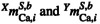 Figure 8
 Figure 9
 Figure 10
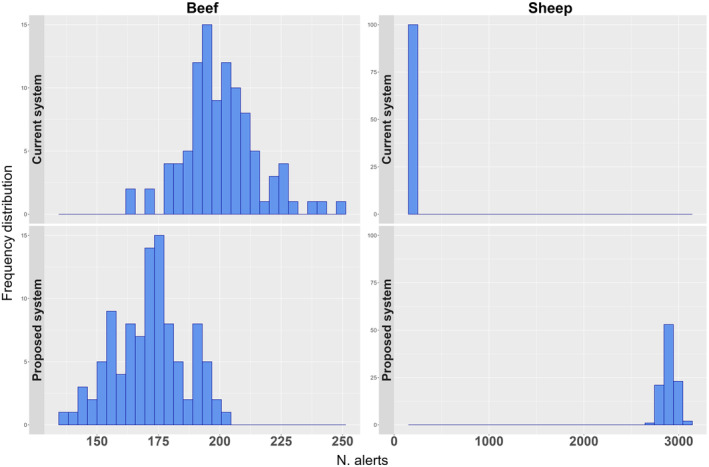 Figure 11
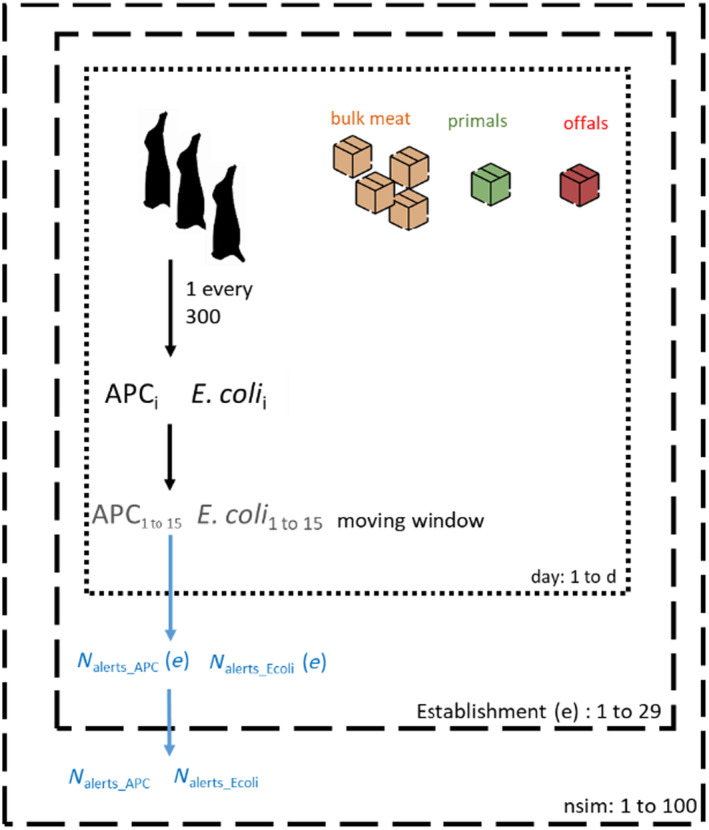 Figure 12
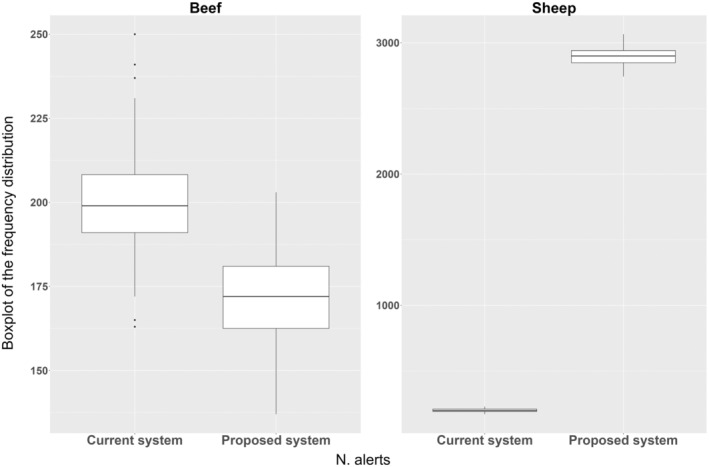 Figure 13
 Figure 14
 Figure 15
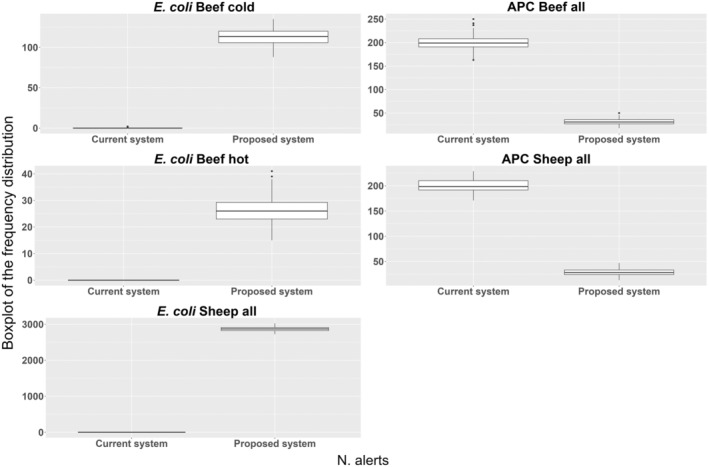 Figure 16
 Figure 17
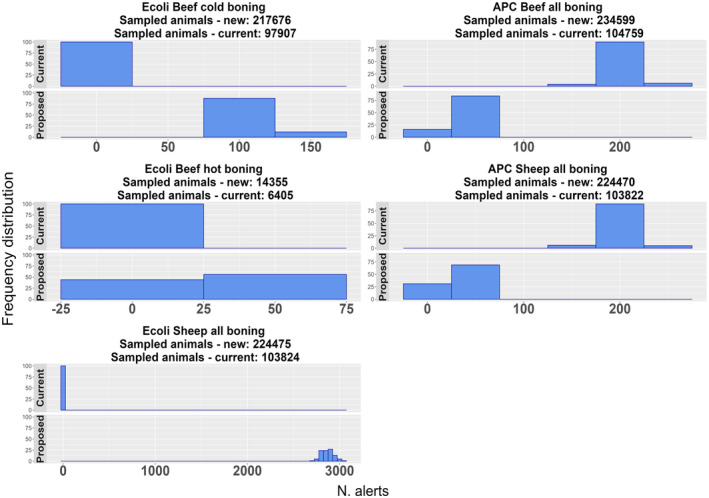 Figure 18
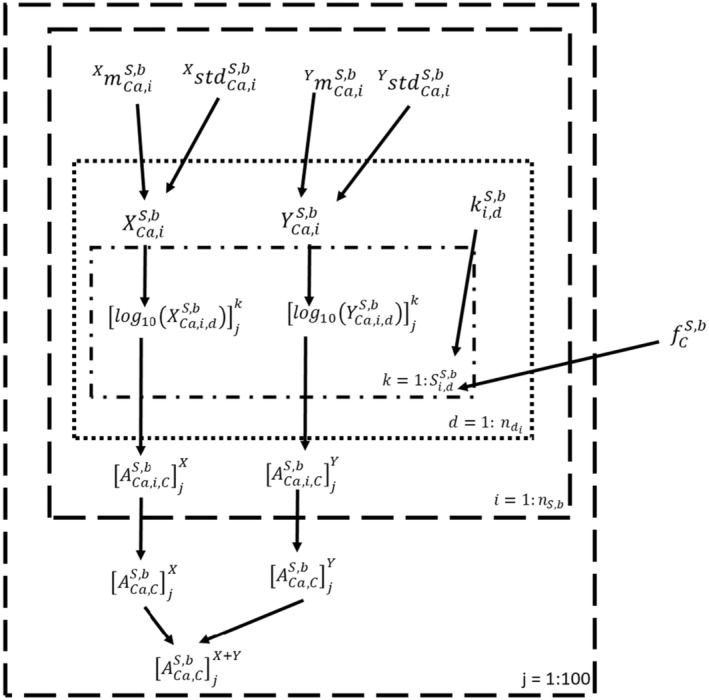 Figure 19
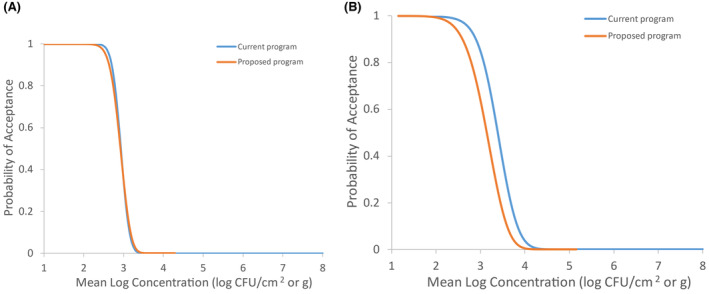 Figure 20
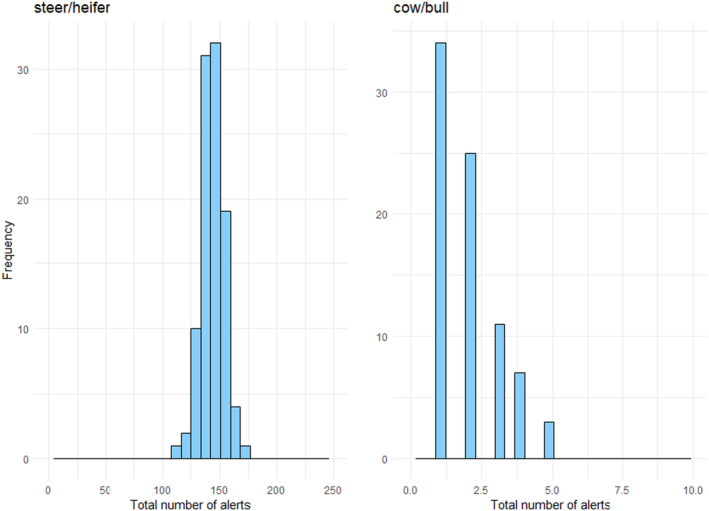 Figure 21
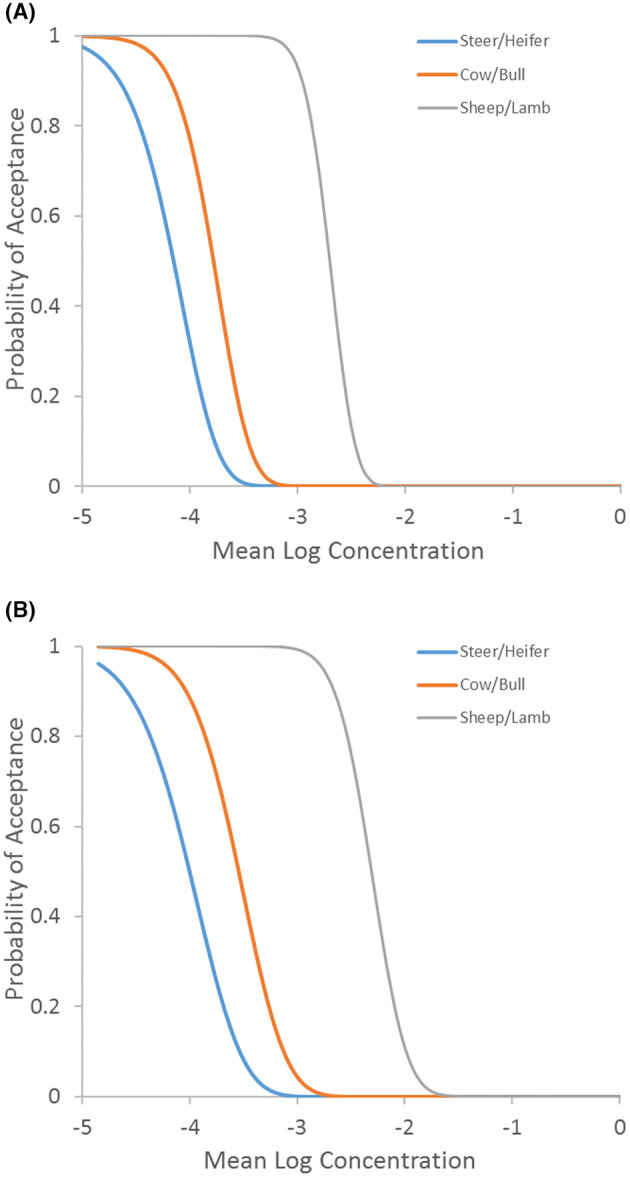 Figure 22
Peer Reviews
No public reviews on file for this paper yet. If you reviewed it on a platform where reviews are public (OpenReview, ICLR, NeurIPS, ICML), you can paste yours below so the community can read it here.
Videos
No videos yet. Explain this paper in a talk, walkthrough, or lecture? Add one.
Taxonomy
TopicsSalmonella and Campylobacter epidemiology · Food Safety and Hygiene