Are the metal identity and stoichiometry of metal complexes important for colchicine site binding and inhibition of tubulin polymerization?
Iuliana Besleaga, Renáta Raptová, Alexandru-Constantin Stoica, Miljan N. M. Milunovic, Michal Zalibera, Ruoli Bai, Nóra Igaz, Jóhannes Reynisson, Mónika Kiricsi, Éva A. Enyedy, Peter Rapta, Ernest Hamel, Vladimir B. Arion

TL;DR
This paper explores how different metal ions and their ratios in complexes affect their ability to inhibit tubulin, a key target in cancer treatment.
Contribution
The study introduces new metal complexes with thiosemicarbazone ligands and evaluates their impact on tubulin inhibition.
Findings
Complex 4 showed strong antiproliferative activity linked to tubulin polymerization inhibition.
Metal identity and stoichiometry significantly influence the complexes' biological activity.
Molecular docking supported the experimental findings on antiproliferative mechanisms.
Abstract
Quite recently we discovered that copper(ii) complexes with isomeric morpholine-thiosemicarbazone hybrid ligands show good cytotoxicity in cancer cells and that the molecular target responsible for this activity might be tubulin. In order to obtain better lead drug candidates, we opted to exploit the power of coordination chemistry to (i) assemble structures with globular shape to better fit the colchicine pocket and (ii) vary the metal ion. We report the synthesis and full characterization of bis-ligand cobalt(iii) and iron(iii) complexes with 6-morpholinomethyl-2-formylpyridine 4N-(4-hydroxy-3,5-dimethylphenyl)-3-thiosemicarbazone (HL1), 6-morpholinomethyl-2-acetylpyridine 4N-(4-hydroxy-3,5-dimethylphenyl)-3-thiosemicarbazone (HL2), and 6-morpholinomethyl-2-formylpyridine 4N-phenyl-3-thiosemicarbazone (HL3), and mono-ligand nickel(ii), zinc(ii) and palladium(ii) complexes with HL1,…
Genes, proteins, chemicals, diseases, species, mutations and cell lines named across the full text — each resolved to its canonical identifier and authoritative record.
Click any figure to enlarge with its caption.
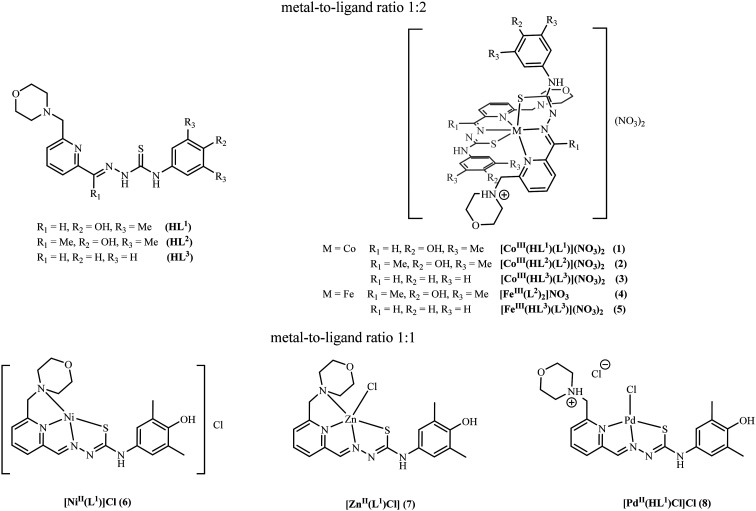 Figure 1
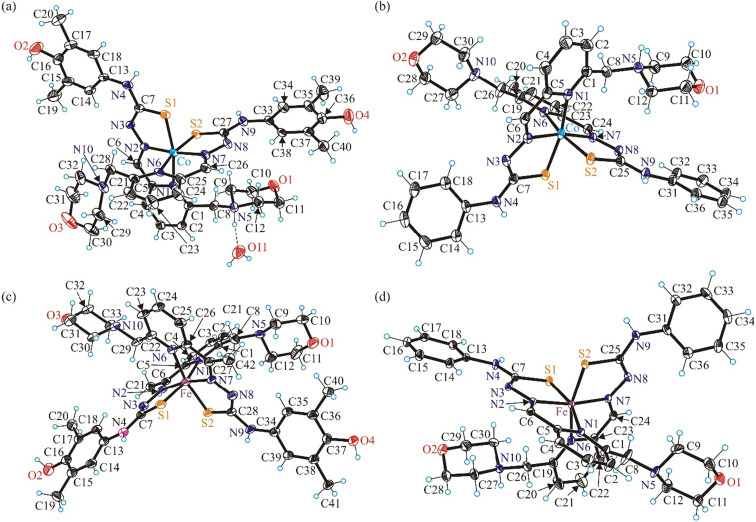 Figure 2
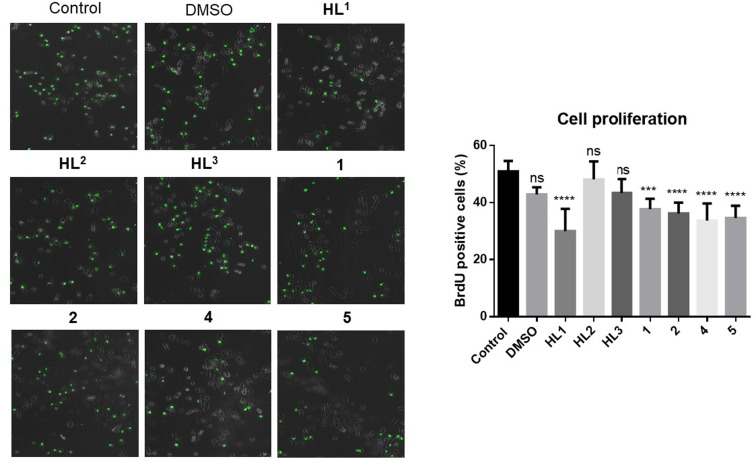 Figure 3
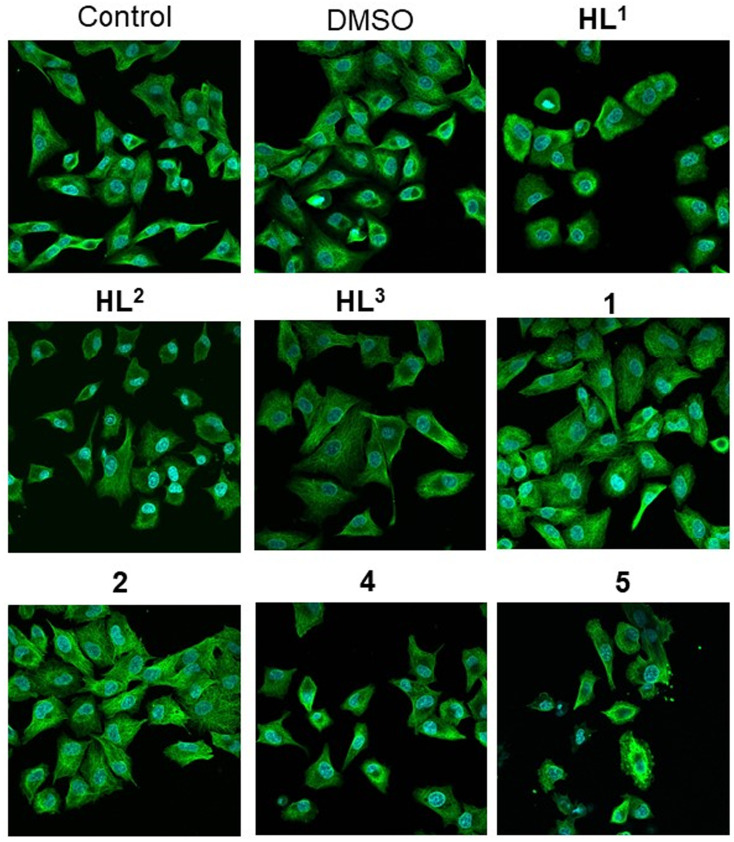 Figure 4
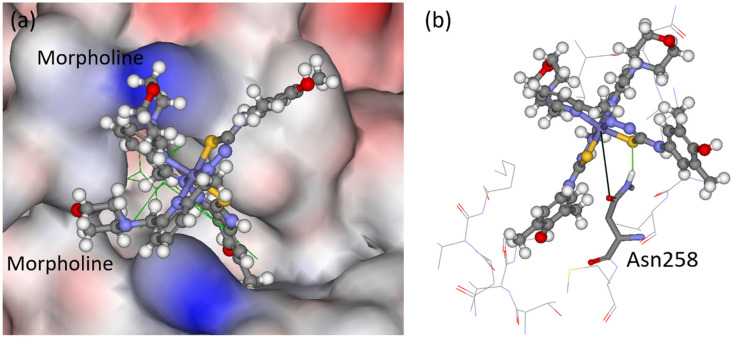 Figure 5
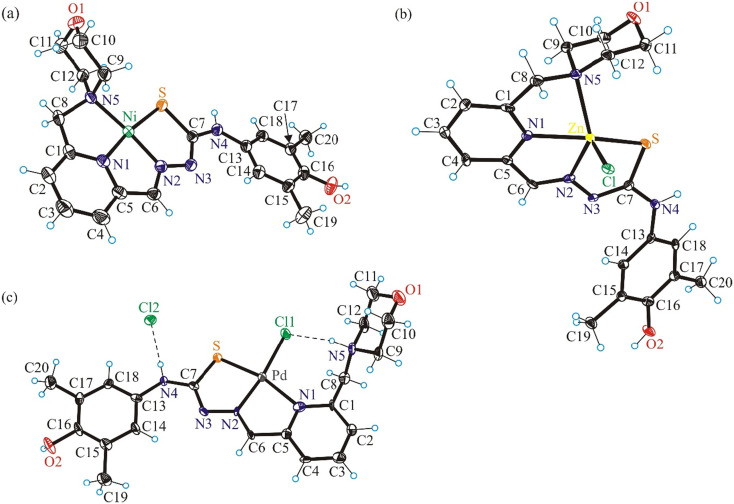 Figure 6
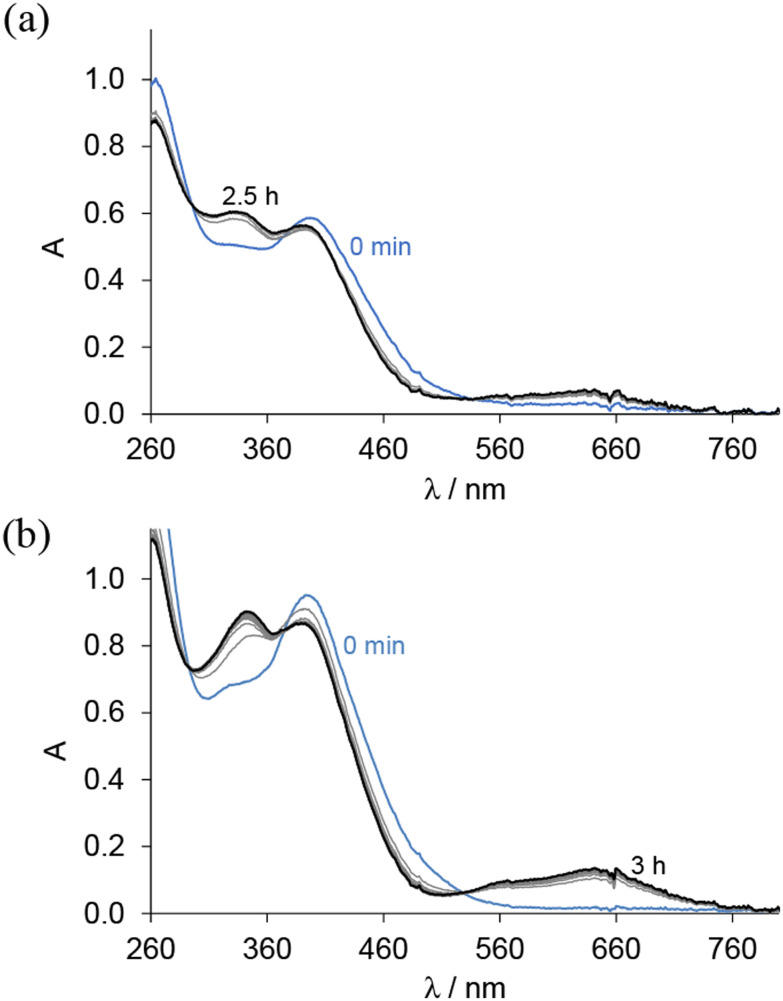 Figure 7
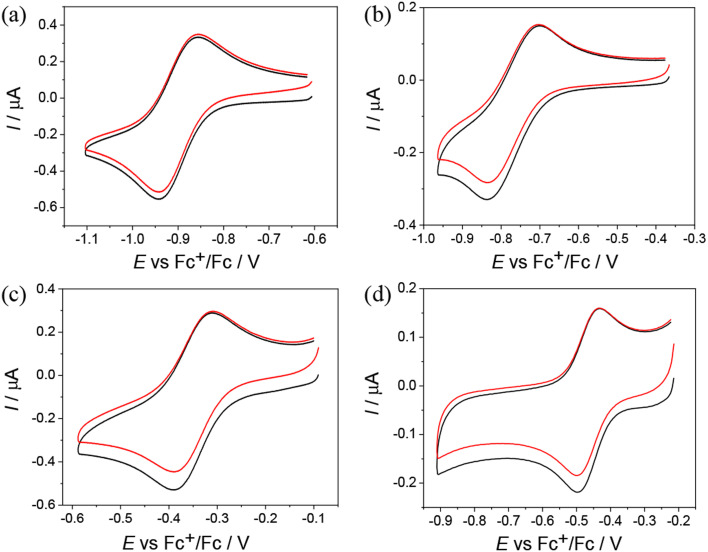 Figure 8
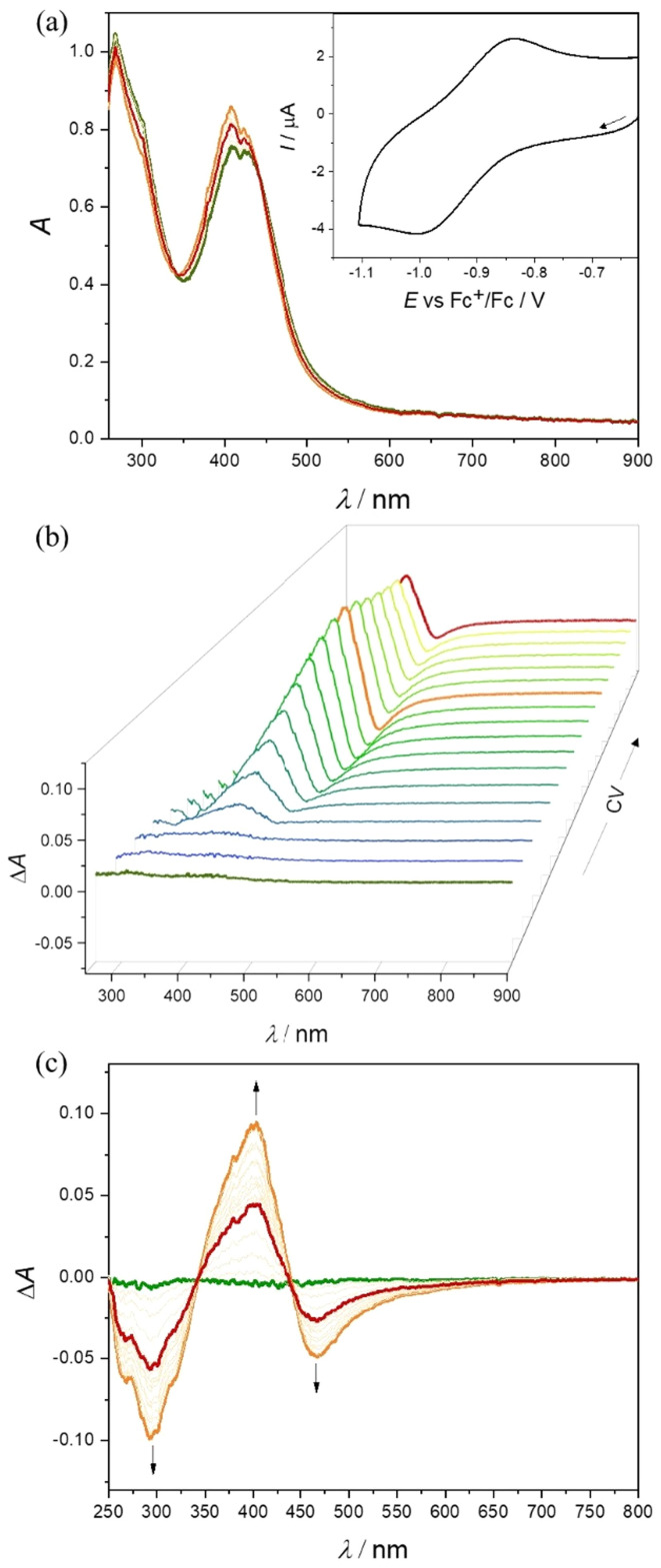 Figure 9
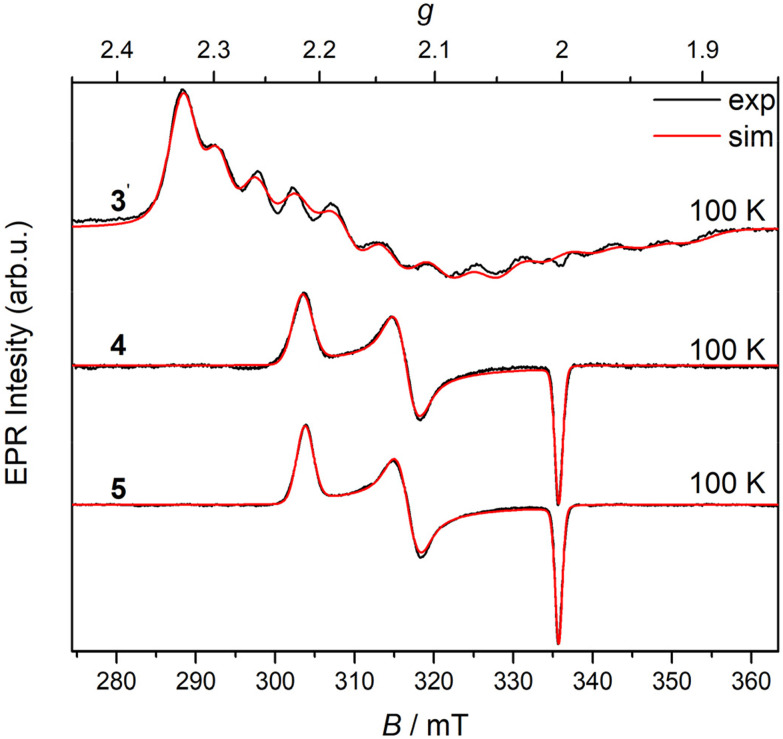 Figure 10
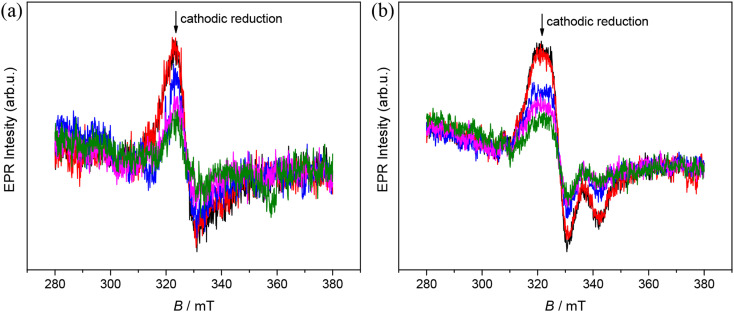 Figure 11
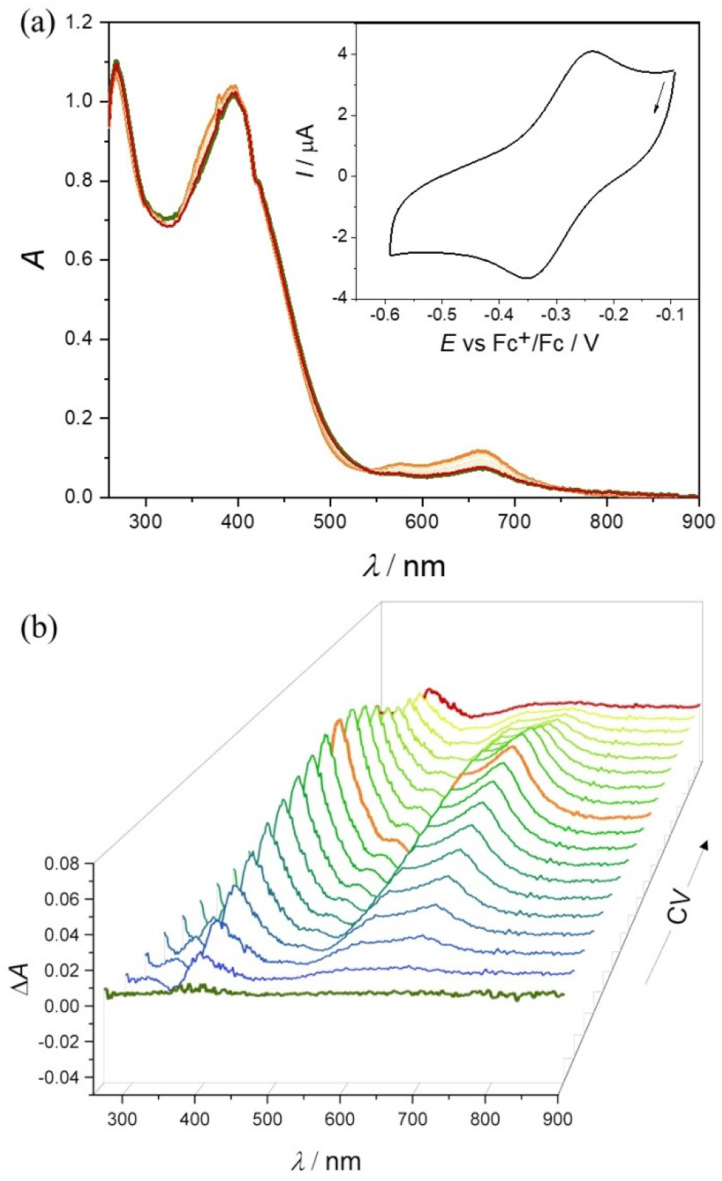 Figure 12
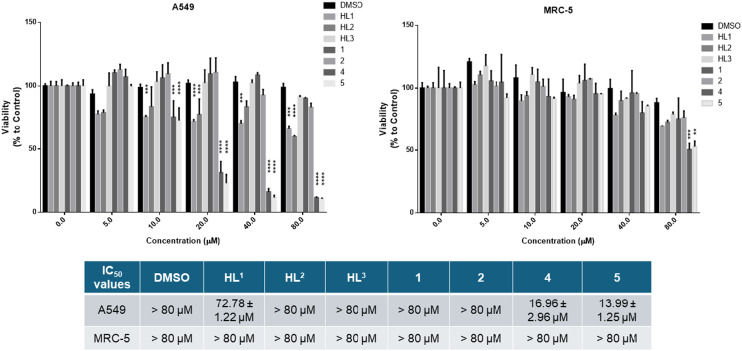 Figure 13
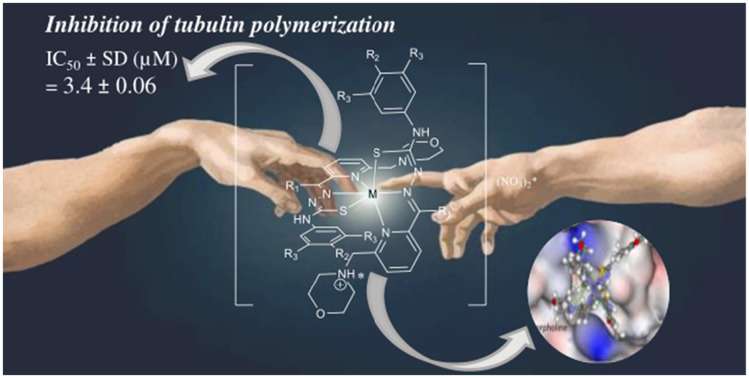 Figure 14
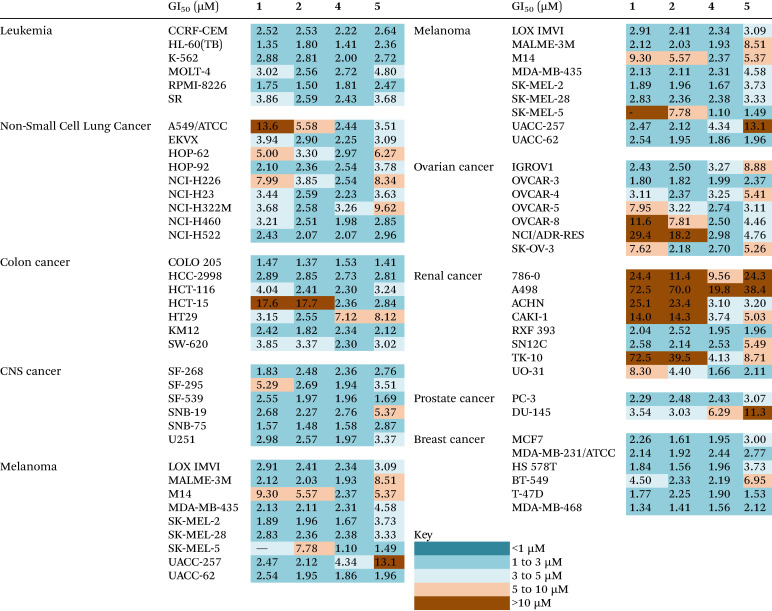 Figure 15
Peer Reviews
No public reviews on file for this paper yet. If you reviewed it on a platform where reviews are public (OpenReview, ICLR, NeurIPS, ICML), you can paste yours below so the community can read it here.
Videos
No videos yet. Explain this paper in a talk, walkthrough, or lecture? Add one.
Taxonomy
TopicsSynthesis and biological activity · Synthesis and Characterization of Heterocyclic Compounds · Crystal structures of chemical compounds