Determining Biventricular Repair Feasibility in Children with Dominant Right Ventricle Using Left Ventricular Quality Measured on Cardiac Computed Tomography
Monal Yu-Hsuan Chang, Jou-Hsuan Huang, Wen-Jeng Lee, Shu-Chien Huang, Yih-Sharng Chen, Jou-Kou Wang, Shyh-Jye Chen

TL;DR
This study identifies a minimum threshold for left ventricular quality on CT scans to determine if biventricular repair is feasible in children with a dominant right ventricle.
Contribution
The study establishes specific thresholds for left ventricular quality measurements that predict successful biventricular repair in children with a dominant right ventricle.
Findings
Height-adjusted normal reference curves for LV measurements were created using healthy controls.
The lowest feasible LV quality thresholds for BiVR were 39.1% LVEDV, 49.0% LVMM, and 44.9% MAA.
LV quality in BiVR patients improved to the normal range during follow-up.
Abstract
Left-ventricular (LV) characteristic measurements are crucial for evaluating the feasibility of biventricular repair (BiVR). This study aimed to determine the threshold of LV quality on cardiac computed tomography (CCT) for BiVR in children with a dominant right ventricle (DRV). We retrospectively reviewed all children with a DRV who underwent either BiVR or single ventricle palliation (SVP) at our institution between 2003 and 2019 in a case-control study with healthy individuals. Measurements including LV end-diastolic volume (LVEDV, mL), LV myocardial mass (LVMM, gm), and mitral annulus area (MAA, cm2) were quantified using CCT. The factor with the highest correlation with body size was used to adjust these three measurements to derive normal references in the control group. The LV quality of patients on each CCT measurement was represented as a percentage of the normal…
Genes, proteins, chemicals, diseases, species, mutations and cell lines named across the full text — each resolved to its canonical identifier and authoritative record.
Click any figure to enlarge with its caption.
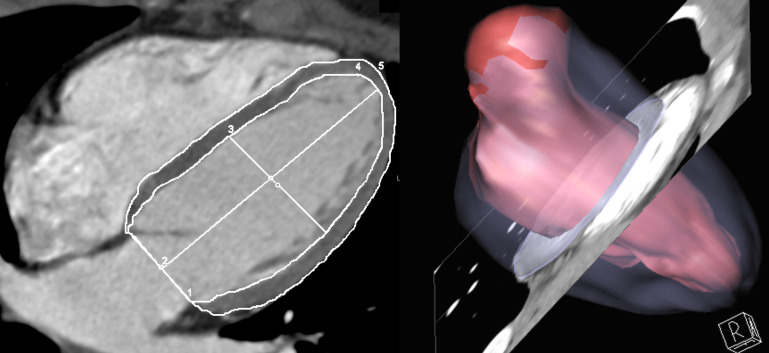 Figure 1
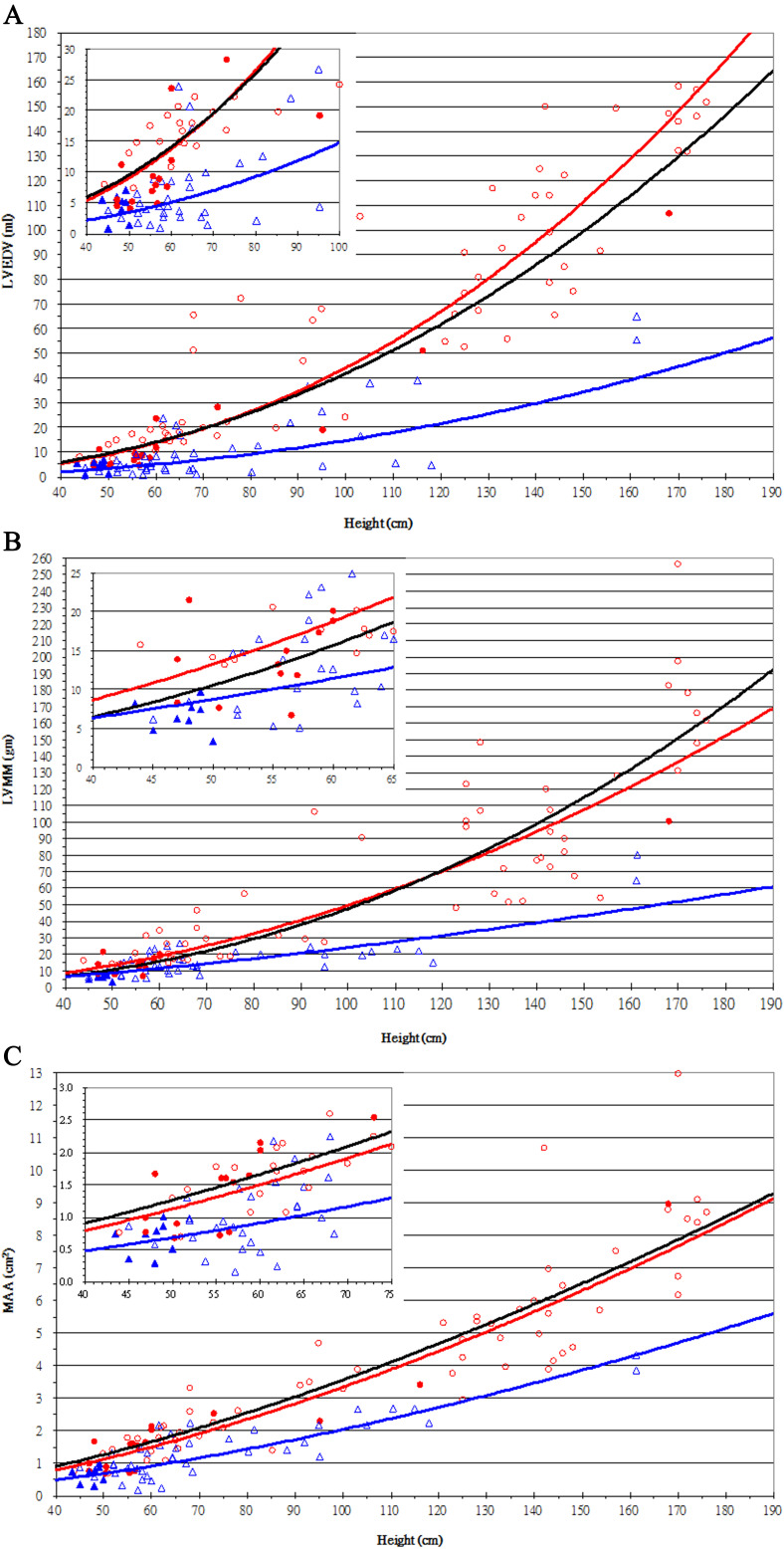 Figure 2
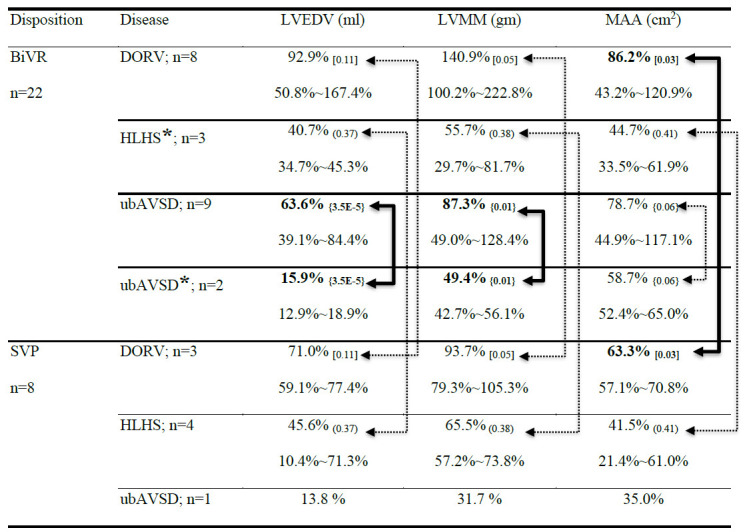 Figure 3
Peer Reviews
No public reviews on file for this paper yet. If you reviewed it on a platform where reviews are public (OpenReview, ICLR, NeurIPS, ICML), you can paste yours below so the community can read it here.
Videos
No videos yet. Explain this paper in a talk, walkthrough, or lecture? Add one.
Taxonomy
TopicsCongenital Heart Disease Studies · Cardiac Valve Diseases and Treatments · Cardiac Structural Anomalies and Repair