Progress in the Application of the Residual SYNTAX Score and Its Derived Scores
Xinjun Lin, Zhibin Mei, Wei Ji, Yaoguo Wang, Chaoxiang Xu

TL;DR
This paper reviews how the residual SYNTAX score and related metrics are used to assess and guide treatment for complex coronary artery disease.
Contribution
The paper provides an updated review of clinical progress in using residual SYNTAX scores and their derived metrics for coronary disease evaluation.
Findings
rSS is used to quantify residual coronary lesions and guide revascularization decisions.
Combining rSS with other indicators improves prognosis evaluation in coronary disease.
rSS-derived scores are increasingly applied in clinical practice for complex coronary artery cases.
Abstract
The residual SYNTAX score (rSS) is employed for the quantification of residual coronary lesions and to guide revascularization. rSS can be combined with other examinations to evaluate the severity of vascular disease and play an evaluative and guiding role in various scenarios. Furthermore, combining rSS with other indicators, benefits prognosis evaluation, and rSS-derived scores have been increasingly used in clinical practice. This article reviews the progress in the clinical application of rSS and its derived scores for complex coronary arteries and other aspects, based on relevant literature.
Genes, proteins, chemicals, diseases, species, mutations and cell lines named across the full text — each resolved to its canonical identifier and authoritative record.
Click any figure to enlarge with its caption.
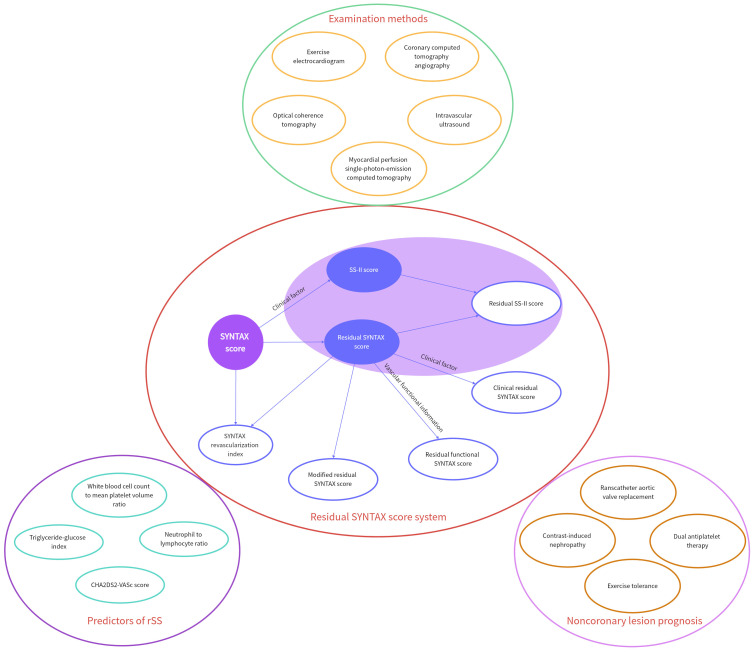 Figure 1
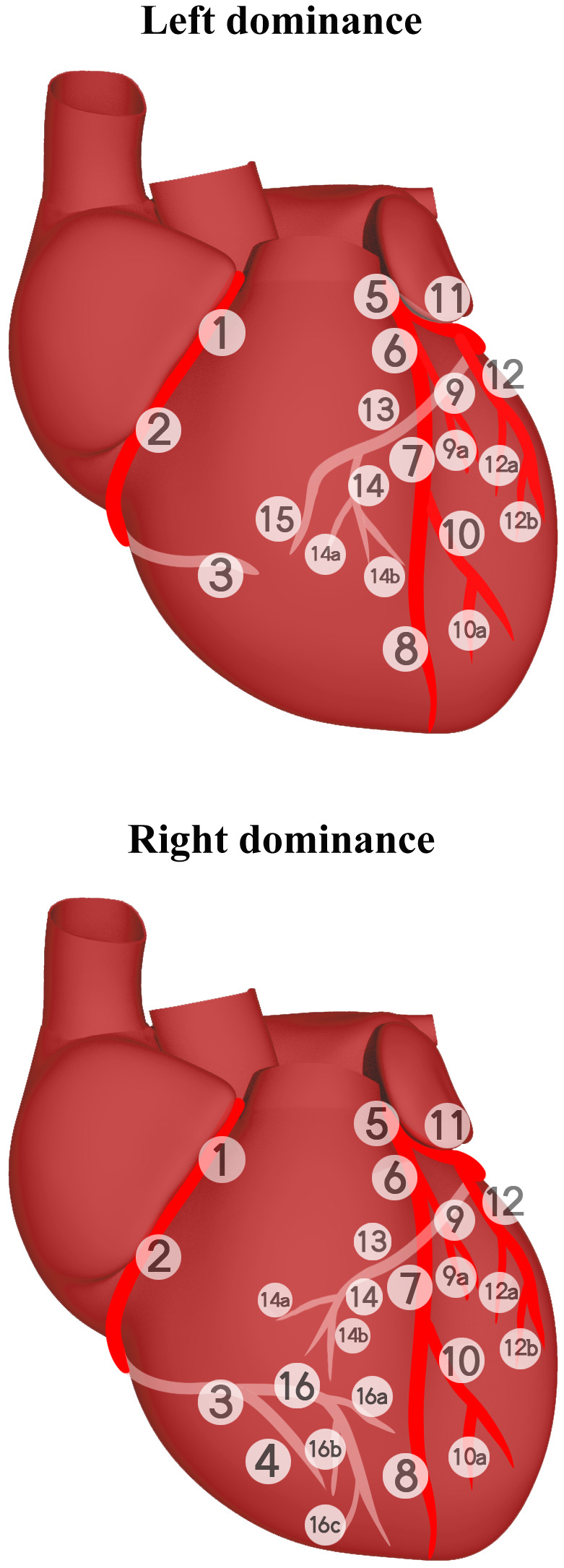 Figure 2
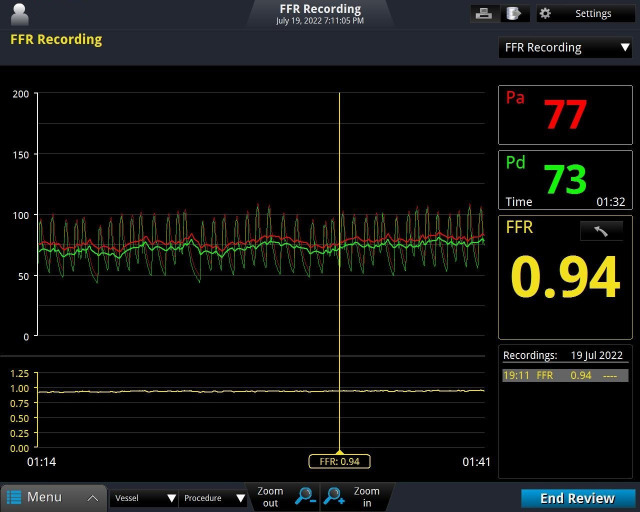 Figure 3
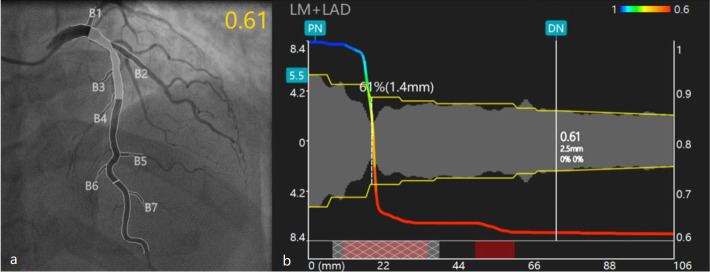 Figure 4
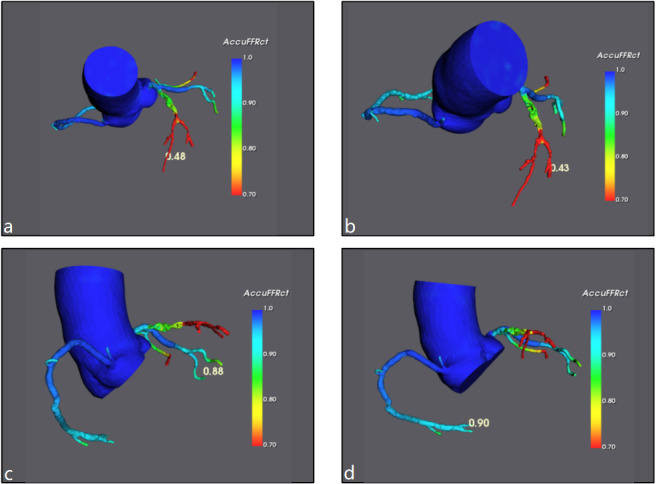 Figure 5
Peer Reviews
No public reviews on file for this paper yet. If you reviewed it on a platform where reviews are public (OpenReview, ICLR, NeurIPS, ICML), you can paste yours below so the community can read it here.
Videos
No videos yet. Explain this paper in a talk, walkthrough, or lecture? Add one.
Taxonomy
TopicsCoronary Interventions and Diagnostics · Cardiac Imaging and Diagnostics · Aortic aneurysm repair treatments