Pain-induced effects on the pupillary light response under high and low illumination conditions
Michael Kursawe, Heike Ehrlichmann, Walter Weber, Julia Krabbe, Thomas Kraus

TL;DR
This study explores how pain affects pupil reactions to light under different brightness levels and finds that pain influences these reactions through the nervous system.
Contribution
The study demonstrates how pain modulates pupillary responses and clarifies the role of the autonomic nervous system in this process.
Findings
Pain alters pupillary light response parameters in line with parasympathetic and sympathetic nervous system activity.
Light intensity influences pupillary responses but does not interact with pain effects.
Pain ratings and heart rate correlate with changes in pupillary parameters.
Abstract
The present study investigated the impact of two different light intensities on the pain-modulated pupillary light response (PLR). Additionally, it aimed to demonstrate parasympathetic and sympathetic influences on PLR parameters in response to pain, as predicted by functional models. A total of 24 participants were included in a randomized, repeated-measures design. The PLR was measured in response to both dark and bright light stimuli within two test cycles. Pain was induced using the cold pressor test (CPT), which involved immersing participants' feet in ice water. PLR measurements were taken during baseline and ice-water immersion within each test cycle. The assessed PLR parameters included initial diameter (INIT), latency (LAT), amplitude (AMP), and re-dilation time (ReDIL25). Along with these parameters, heart rate (HR) and pain ratings were also computed and analyzed. The CPT…
Genes, proteins, chemicals, diseases, species, mutations and cell lines named across the full text — each resolved to its canonical identifier and authoritative record.
Click any figure to enlarge with its caption.
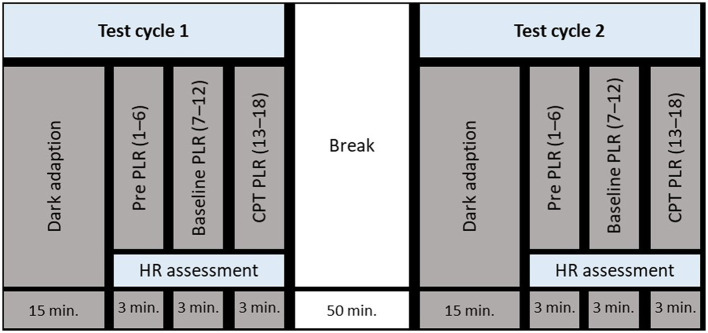 Figure 1
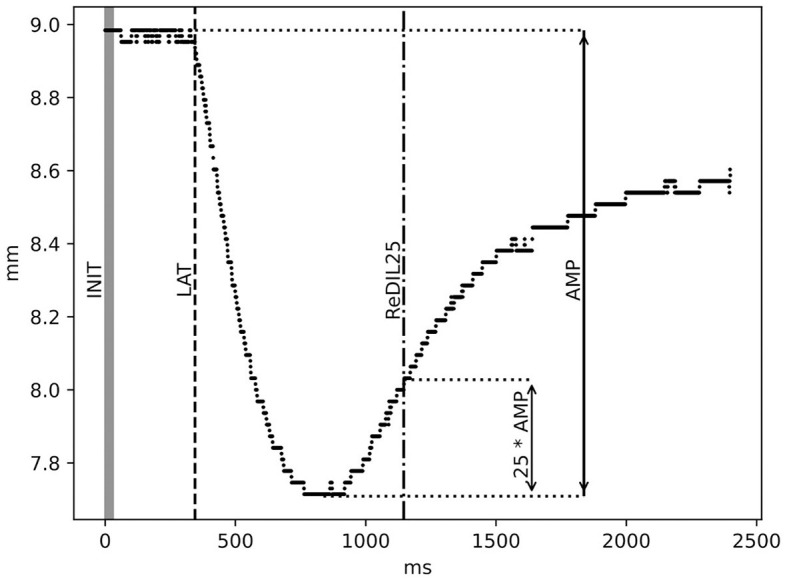 Figure 2
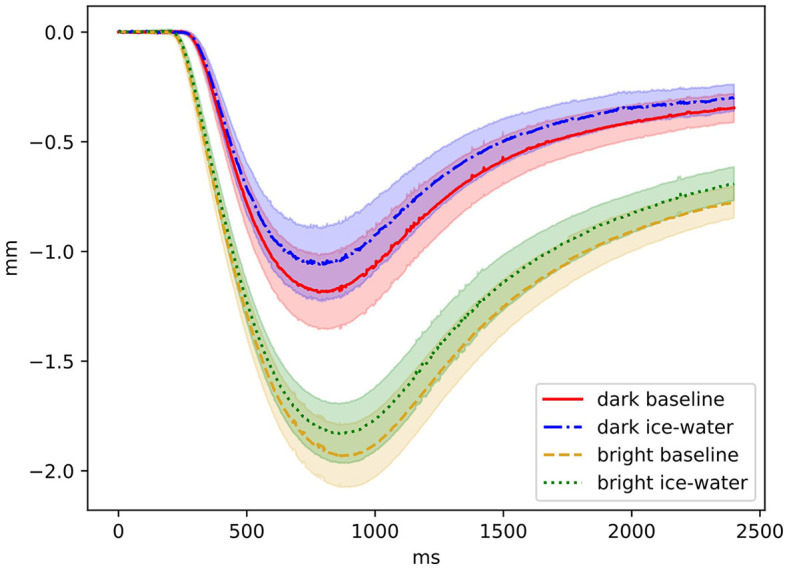 Figure 3
Peer Reviews
No public reviews on file for this paper yet. If you reviewed it on a platform where reviews are public (OpenReview, ICLR, NeurIPS, ICML), you can paste yours below so the community can read it here.
Videos
No videos yet. Explain this paper in a talk, walkthrough, or lecture? Add one.
Taxonomy
TopicsOlfactory and Sensory Function Studies · Circadian rhythm and melatonin · Color perception and design