Exploring the multifaceted therapeutic mechanism of Schisanlactone E (XTS) in APP/PS1 mouse model of Alzheimer’s disease through multi-omics analysis
Zhenyan Song, Jiawei He, Wenjing Yu, Chunxiang He, Miao Yang, Ping Li, Ze Li, Gonghui Jian, Shaowu Cheng

TL;DR
This study explores how Schisanlactone E (XTS) helps treat Alzheimer’s disease in mice by improving memory, reducing brain plaques, and balancing gut bacteria.
Contribution
The study reveals XTS’s novel therapeutic mechanism in Alzheimer’s disease via the microbial-gut-brain axis.
Findings
XTS improved learning and memory in Alzheimer’s mice and reduced amyloid-beta plaques and glial activation.
XTS decreased inflammatory cytokines and increased gut microbiota diversity, especially Akkermansia species.
XTS modulated key metabolites and regulated pathways like carbohydrate metabolism and neuroactive ligand-receptor interactions.
Abstract
Schisanlactone E, also known as XueTongSu (XTS), is an active compound extracted from the traditional Tujia medicine Kadsura heteroclita (“XueTong”). Recent studies highlight its anti-inflammatory and antioxidant properties, yet the mechanisms of XTS’s therapeutic effects on Alzheimer’s disease (AD) are unclear. This study aims to elucidate the therapeutic efficacy and mechanisms of XTS in AD. Ten C57BL/6 mice were assigned to the control group (NC), and twenty APP/PS1 transgenic mice were randomly divided into the model group (M) (10 mice) and the XTS treatment group (Tre) (10 mice). After an acclimatization period of 7 days, intraperitoneal injections were administered over a 60-day treatment period. The NC and M groups received saline, while the Tre group received XTS at 2 mg/kg. Learning and memory abilities were assessed using the Morris Water Maze (MWM) test. Histopathological…
Genes, proteins, chemicals, diseases, species, mutations and cell lines named across the full text — each resolved to its canonical identifier and authoritative record.
Click any figure to enlarge with its caption.
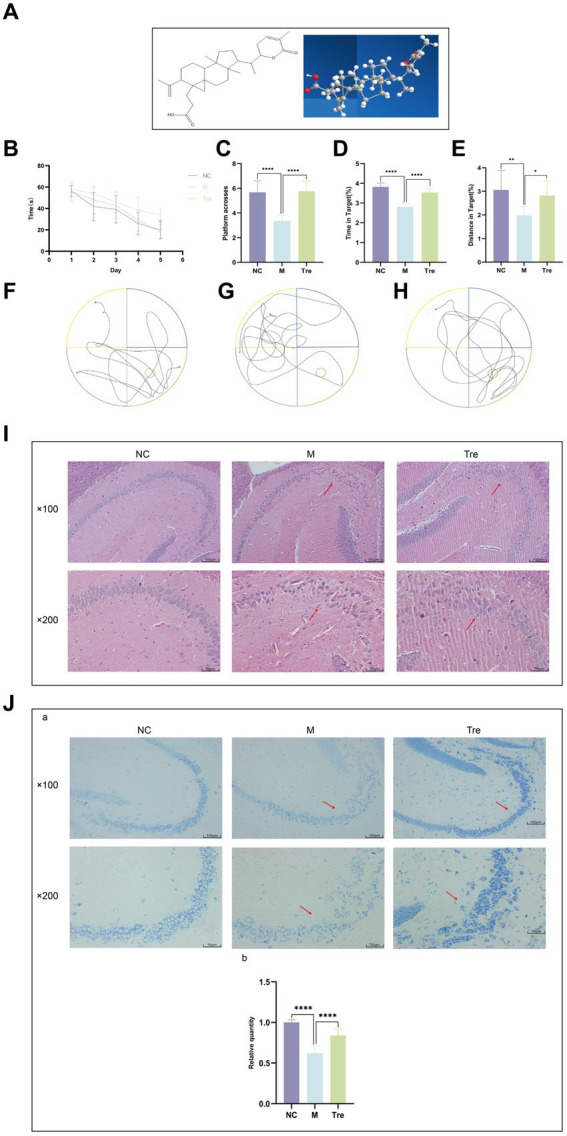 Figure 1
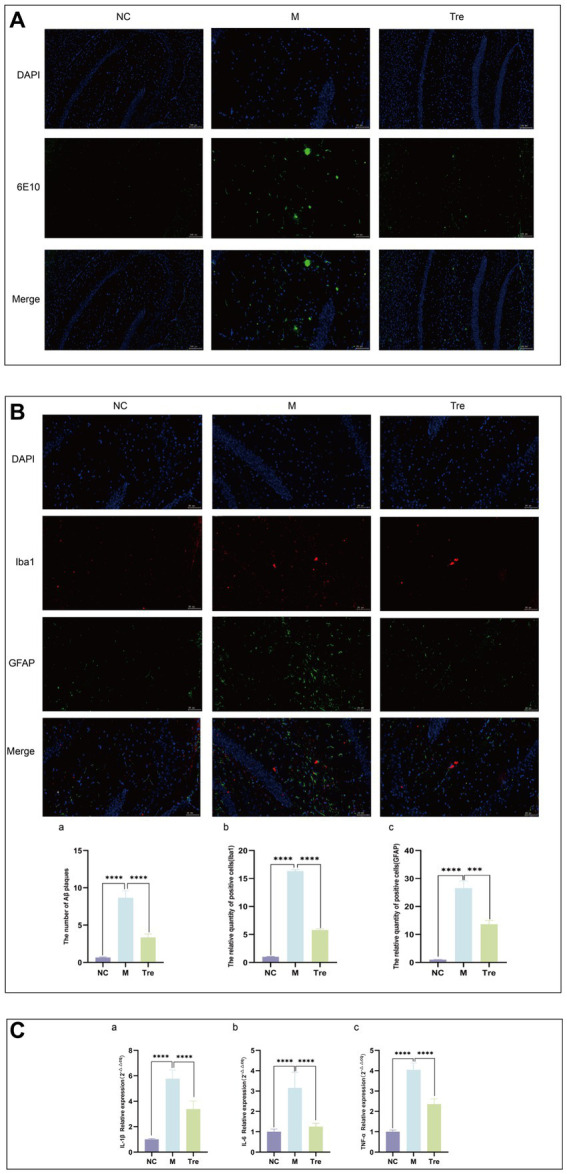 Figure 2
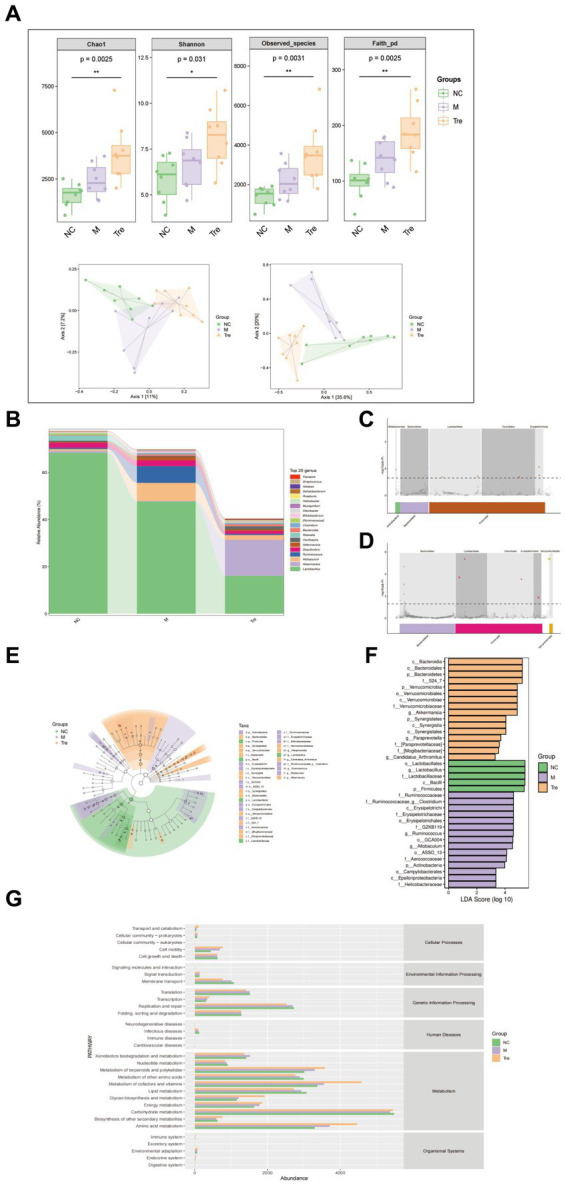 Figure 3
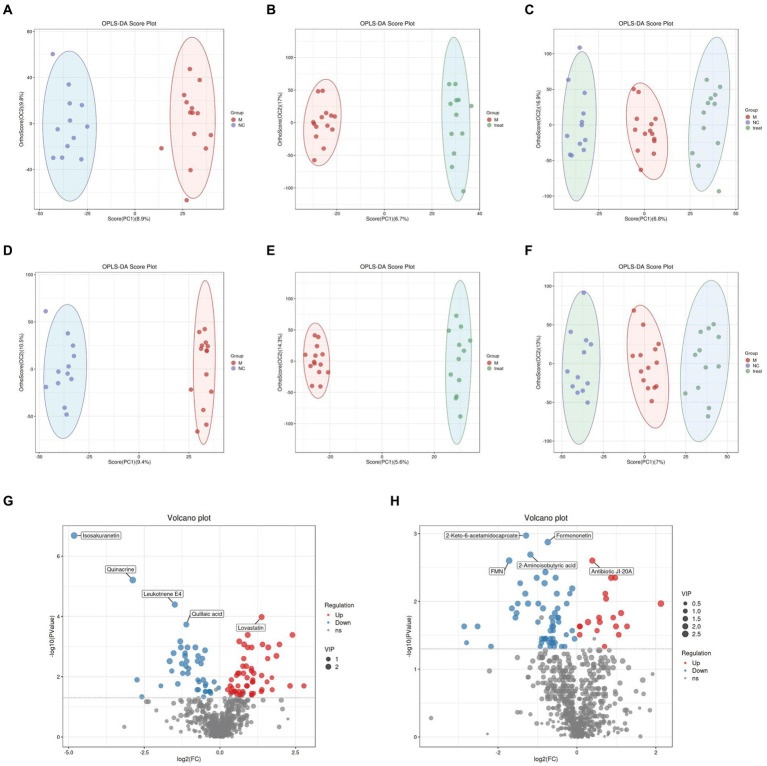 Figure 4
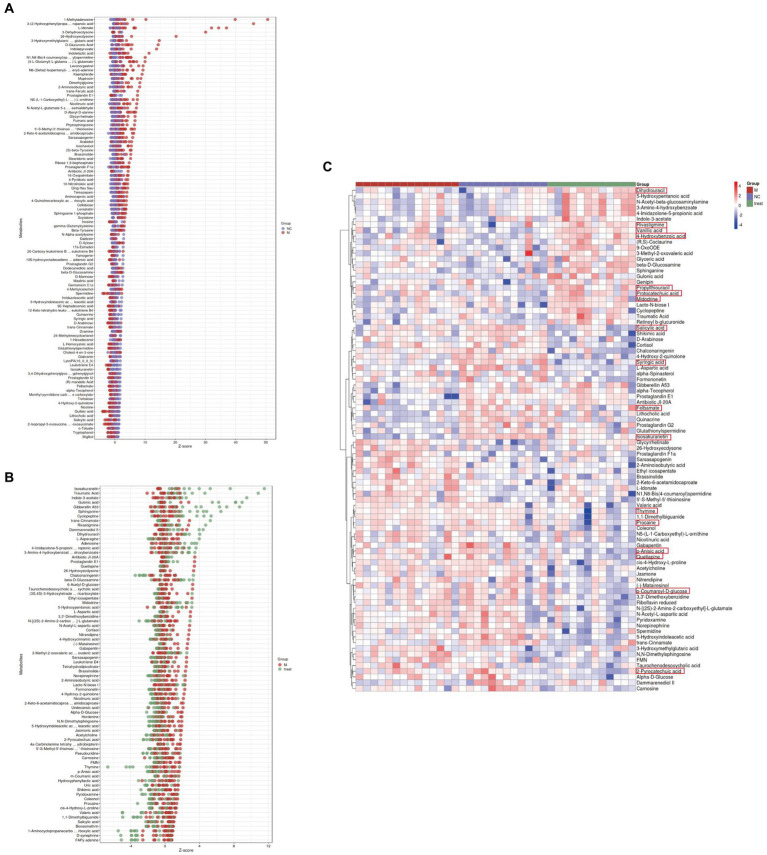 Figure 5
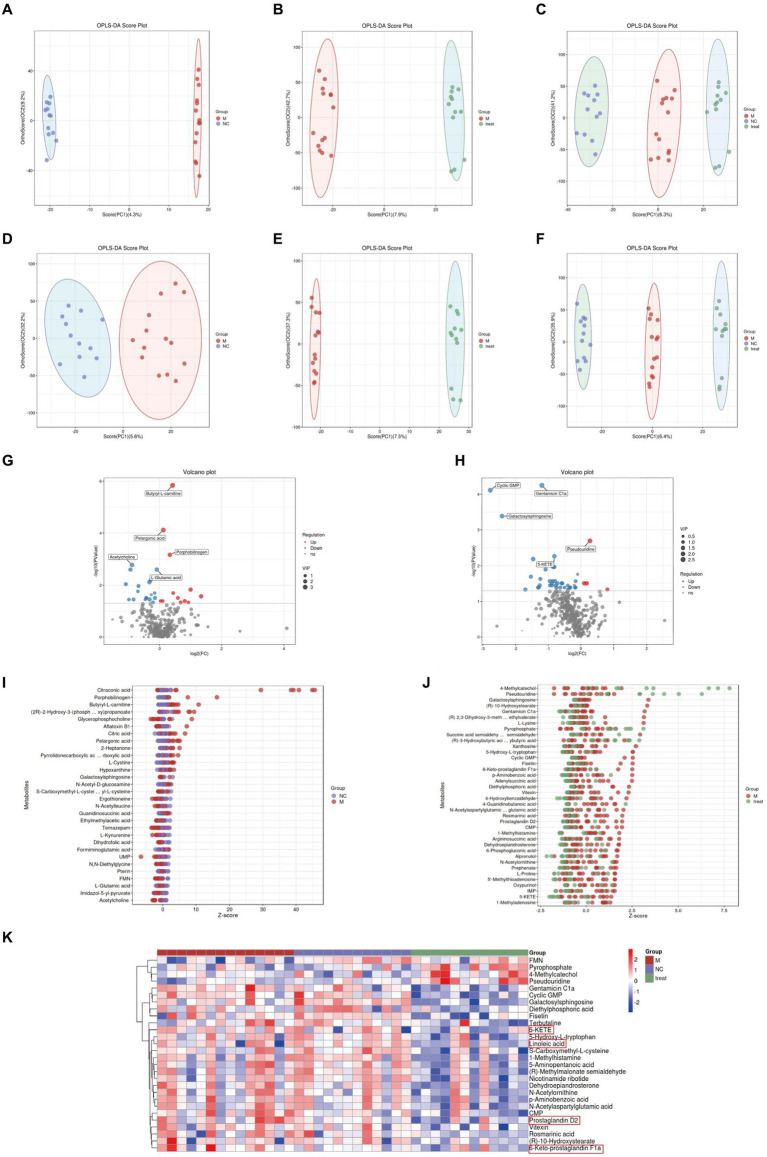 Figure 6
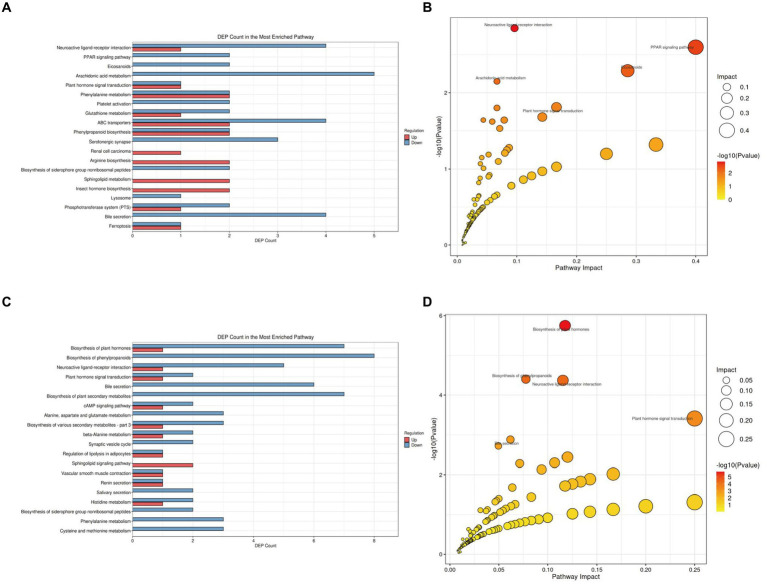 Figure 7
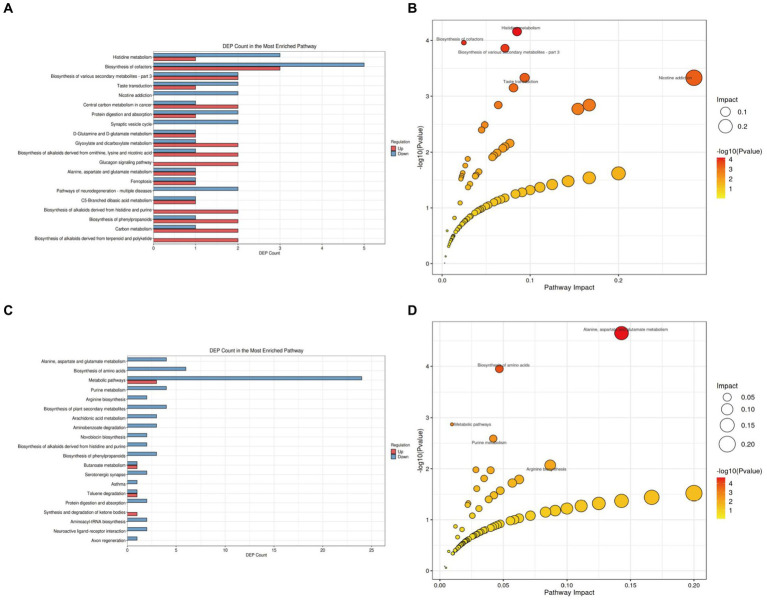 Figure 8
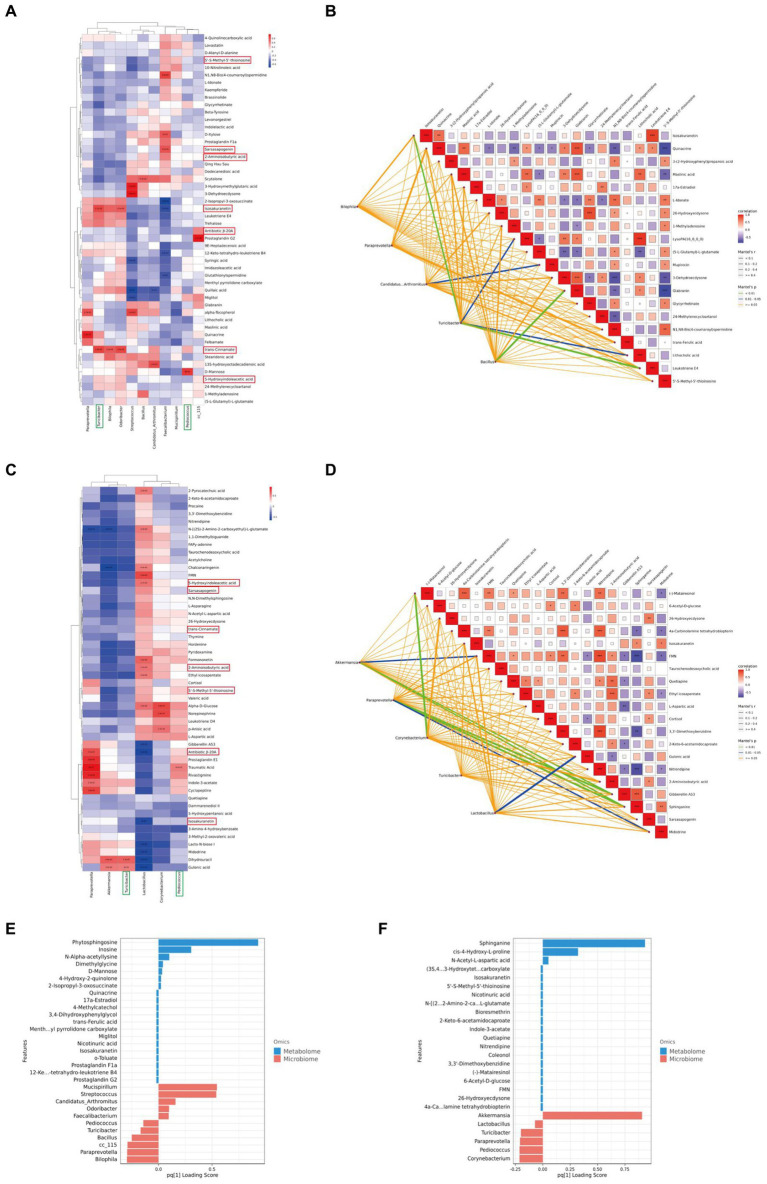 Figure 9
Peer Reviews
No public reviews on file for this paper yet. If you reviewed it on a platform where reviews are public (OpenReview, ICLR, NeurIPS, ICML), you can paste yours below so the community can read it here.
Videos
No videos yet. Explain this paper in a talk, walkthrough, or lecture? Add one.
Taxonomy
TopicsHealthcare Systems and Public Health · Human Health and Disease