Post-discharge follow-up of pediatric COVID-19 patients: insights into serological dynamics
Shima Mahmoudi, Babak Pourakbari, Mohammad Ali Shahbabaie, Maryam Sotoudeh, Erfaneh Jafari, Reihaneh Hosseinpour Sadeghi, Setareh Mamishi

TL;DR
This study tracks antibody levels in children after recovering from COVID-19, finding that some develop antibodies later and those who do tend to have more severe illness.
Contribution
The study provides new insights into the timing and patterns of SARS-CoV-2 IgG antibody development in pediatric patients post-discharge.
Findings
Seropositivity increased during follow-up, with 37.5% of initially negative patients testing positive later.
Seropositive patients had more severe disease and lower lymphocyte counts compared to those with negative serology.
A significant proportion of patients with acute COVID-19 and MIS-C maintained negative serology throughout the study.
Abstract
Limited data are available regarding SARS-CoV-2 serological response dynamics in pediatric patients with COVID-19, contributing to gaps in our understanding of the immune response in this population. This study aimed to investigate SARS-CoV-2 IgG seropositivity in patients diagnosed with COVID-19 during hospitalization and 2–4 weeks after discharge. A cohort of patients, consisting of 31 individuals with confirmed acute COVID-19 infection and 27 diagnosed with Multisystem Inflammatory Syndrome in Children (MIS-C), was enrolled in the study. Follow-up clinic appointments were scheduled for 2–4 weeks post-discharge. During admission and follow-up, blood samples were collected from each patient for laboratory analysis. Anti-nucleoprotein SARS-CoV-2 IgG levels were determined using the Enzyme-Linked Immunosorbent Assay (ELISA) method. In this study, a cohort of 58 patients was examined.…
Genes, proteins, chemicals, diseases, species, mutations and cell lines named across the full text — each resolved to its canonical identifier and authoritative record.
Click any figure to enlarge with its caption.
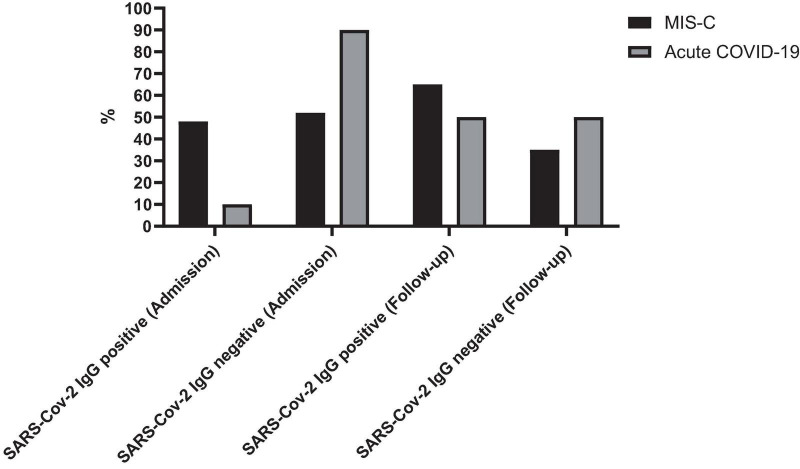 Figure 1
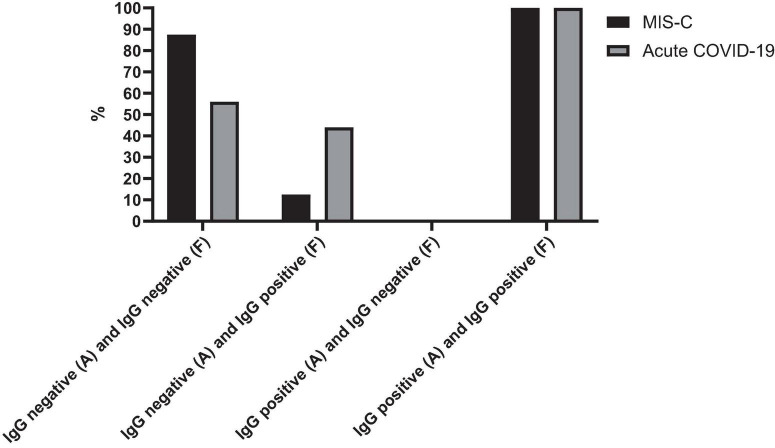 Figure 2
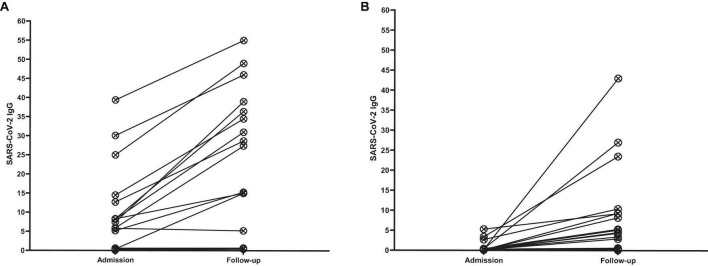 Figure 3
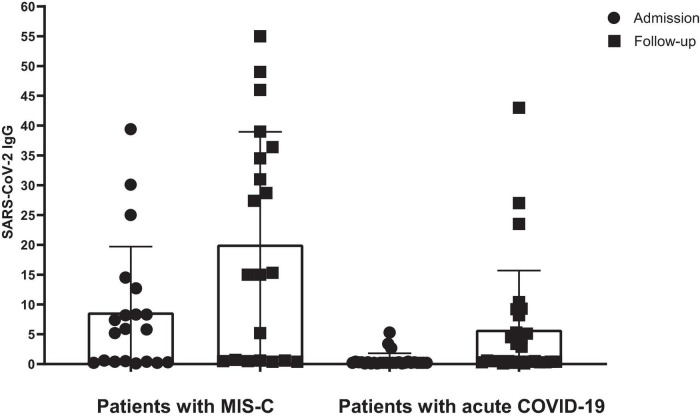 Figure 4
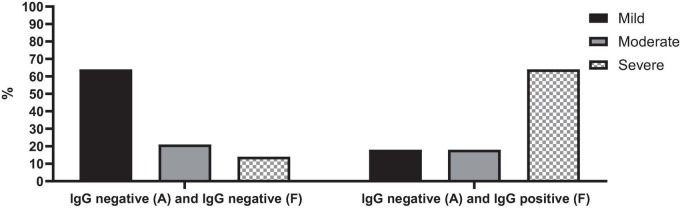 Figure 5
Peer Reviews
No public reviews on file for this paper yet. If you reviewed it on a platform where reviews are public (OpenReview, ICLR, NeurIPS, ICML), you can paste yours below so the community can read it here.
Videos
No videos yet. Explain this paper in a talk, walkthrough, or lecture? Add one.
Taxonomy
TopicsKawasaki Disease and Coronary Complications · COVID-19 Clinical Research Studies · SARS-CoV-2 and COVID-19 Research