Inflammatory Reprogramming Mediates Changes in Three-Dimensional Strain Capacity and Cardiac Function in Beagle Dogs with Doxorubicin-Related Cardiomyopathy
Yifan Chen, Yihui Shen, Hui Zhang, Xuejun Wang, Yuchen Xu, Jian Zhang, Weiguang Zhao, Rui Zhao, Zhihong Liu, Leilei Cheng, Junbo Ge

TL;DR
This study uses beagle dogs to show that doxorubicin causes heart damage, especially in the right ventricle, linked to inflammation and changes in heart function.
Contribution
A new beagle dog model was developed to study doxorubicin-induced cardiotoxicity and its link to inflammatory reprogramming.
Findings
Right ventricular strain and function declined earlier and more severely than left ventricular in DOX-treated dogs.
Inflammatory gene levels increased significantly in DOX-treated dogs, correlating with cardiac dysfunction.
Right ventricular damage showed stronger correlations with inflammatory reprogramming than left ventricular damage.
Abstract
The cardiotoxicity of doxorubicin (DOX) limits its use in cancer treatment. To address this limitation, we developed a novel animal model that uses beagle dogs to investigate DOX-induced cardiac disorders. Unfortunately, the lack of effective cardioprotection strategies against DOX-induced cardiotoxicity poses a significant challenge. To establish a canine model for low-mortality DOX-induced cardiac dysfunction and explore the relationship between inflammatory reprogramming and DOX-related cardiotoxicity. Twenty male beagle dogs aged two years were randomly assigned into the DOX (N = 10) and control (CON) (N = 10) groups. DOX was infused (1.5 mg/kg) every two weeks until doses cumulatively reached 12 mg/kg. Serum biomarkers and myocardial pathology were evaluated, while real-time fluorescence-based quantitative polymerase chain reaction (RTFQ-PCR), two- and…
Genes, proteins, chemicals, diseases, species, mutations and cell lines named across the full text — each resolved to its canonical identifier and authoritative record.
Click any figure to enlarge with its caption.
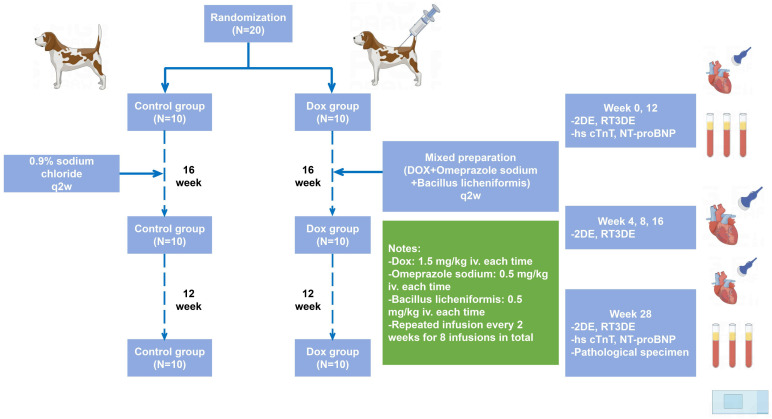 Figure 1
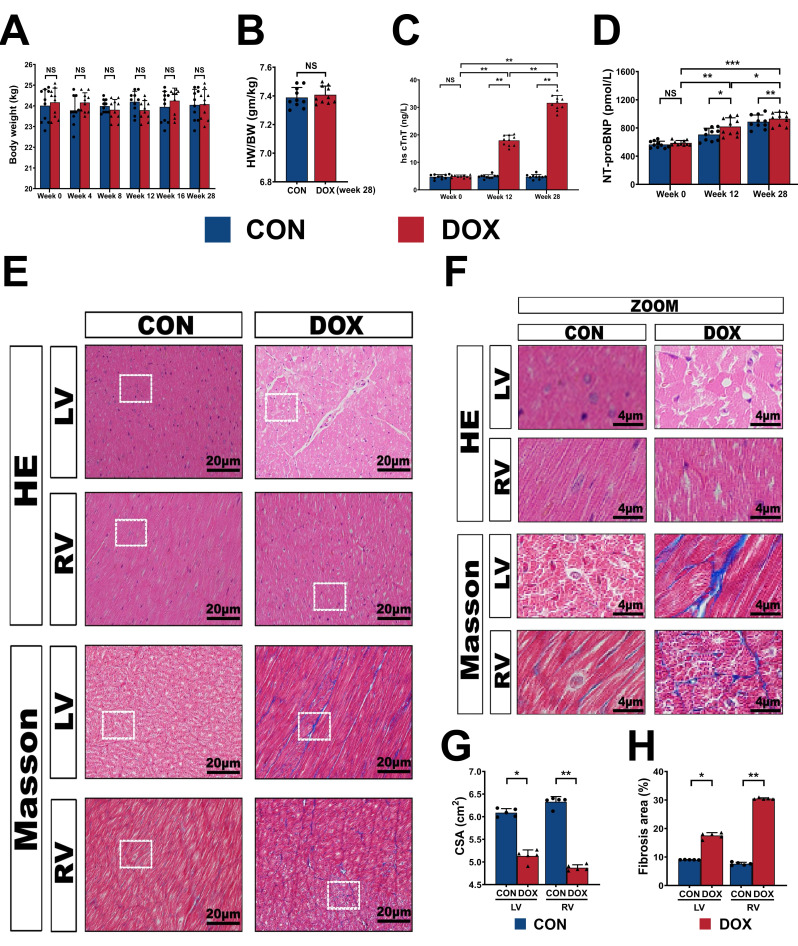 Figure 2
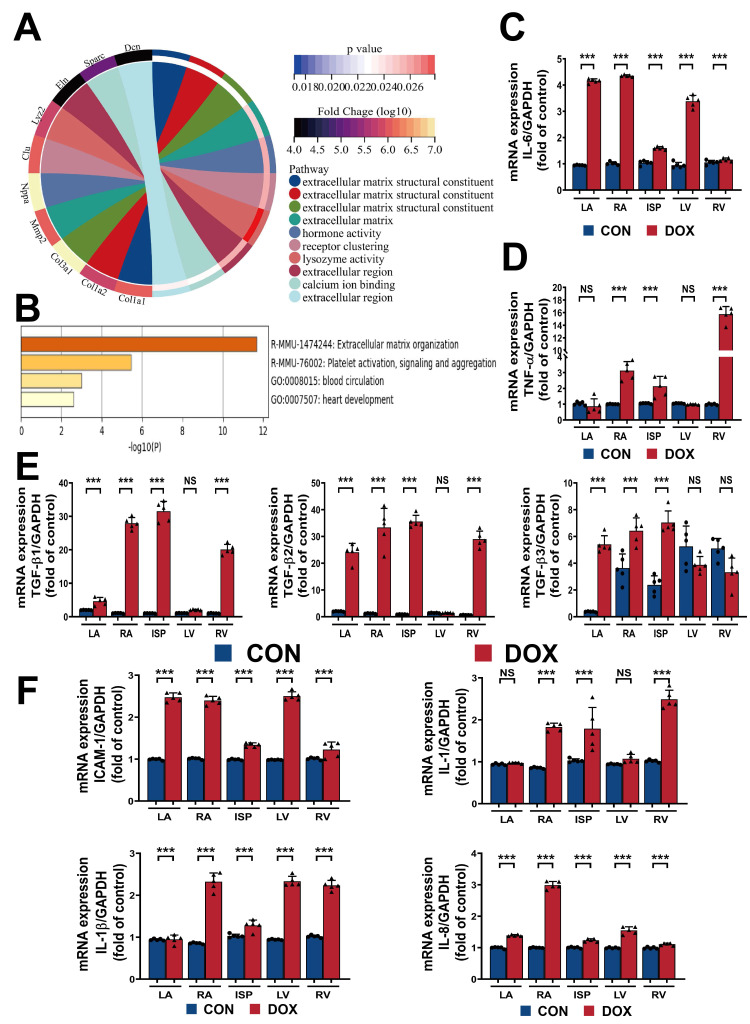 Figure 3
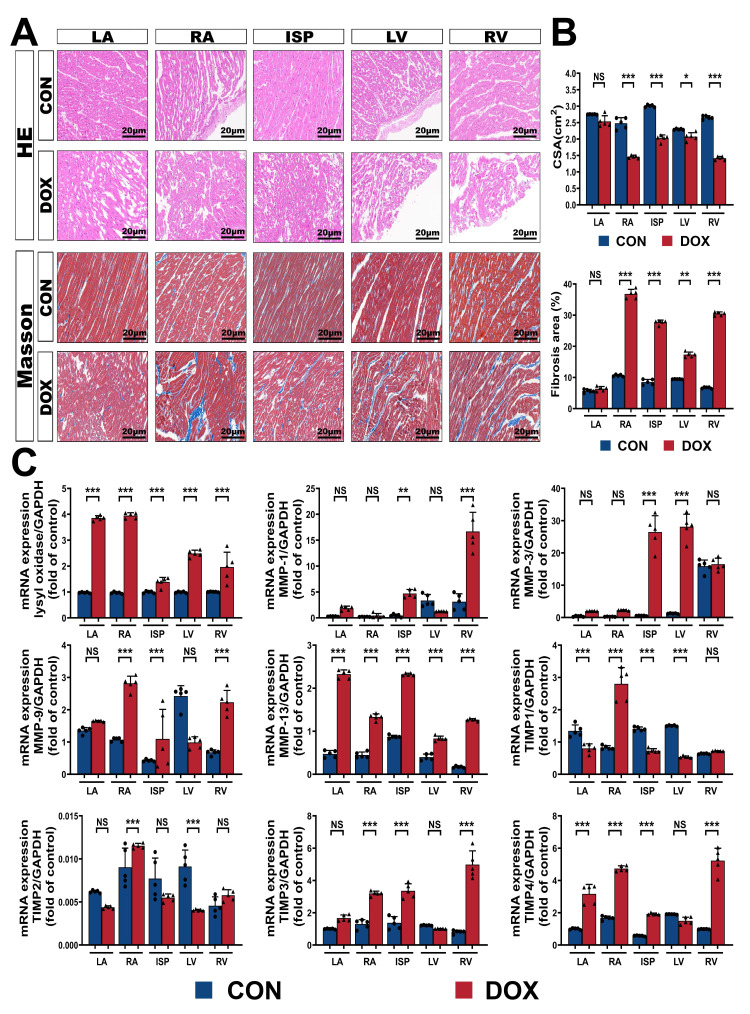 Figure 4
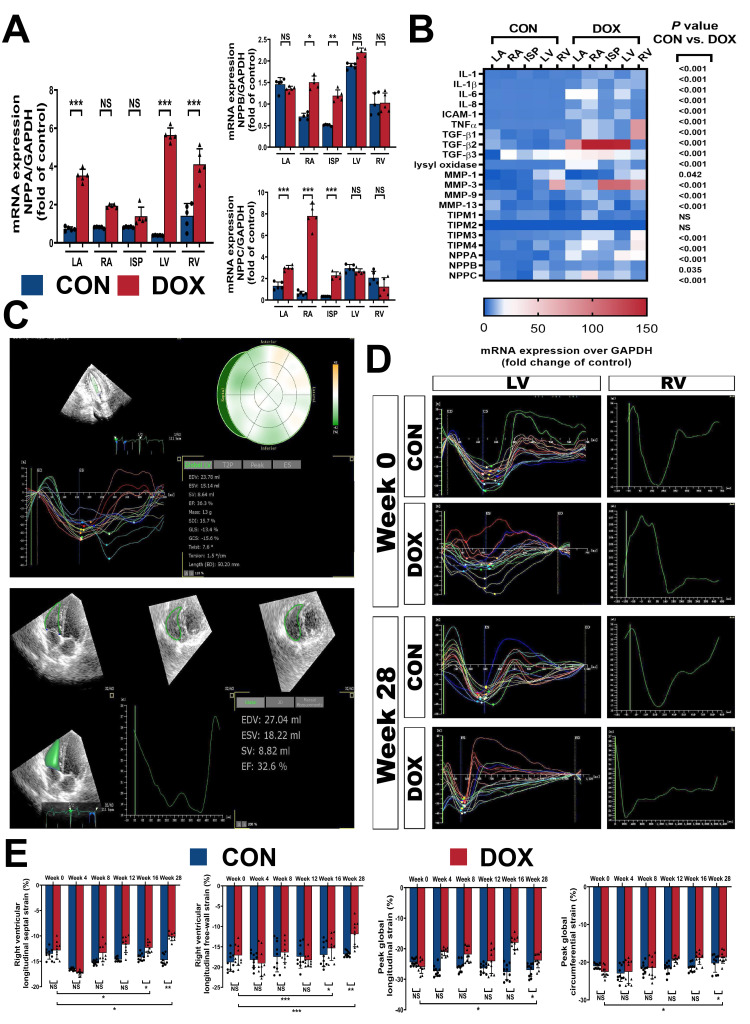 Figure 5
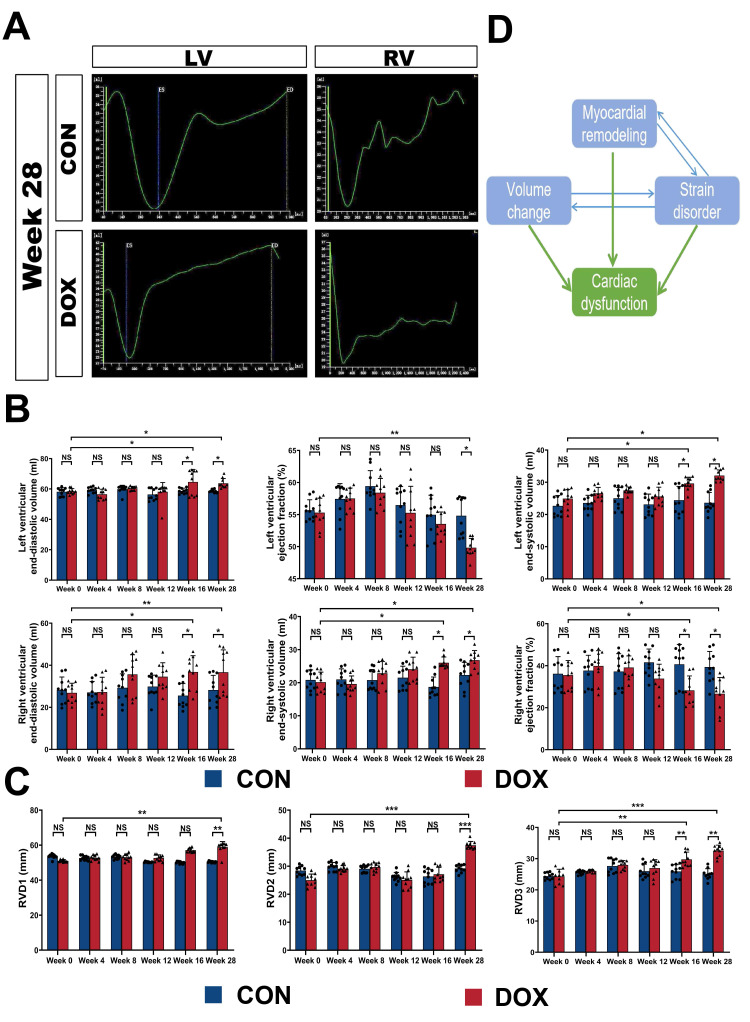 Figure 6
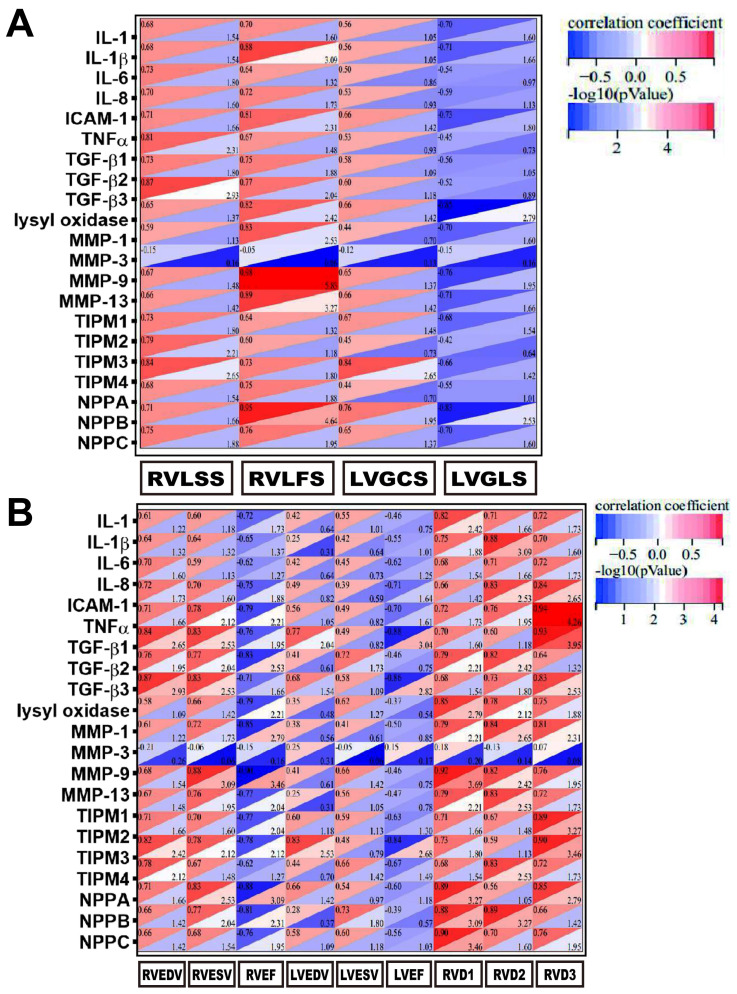 Figure 7
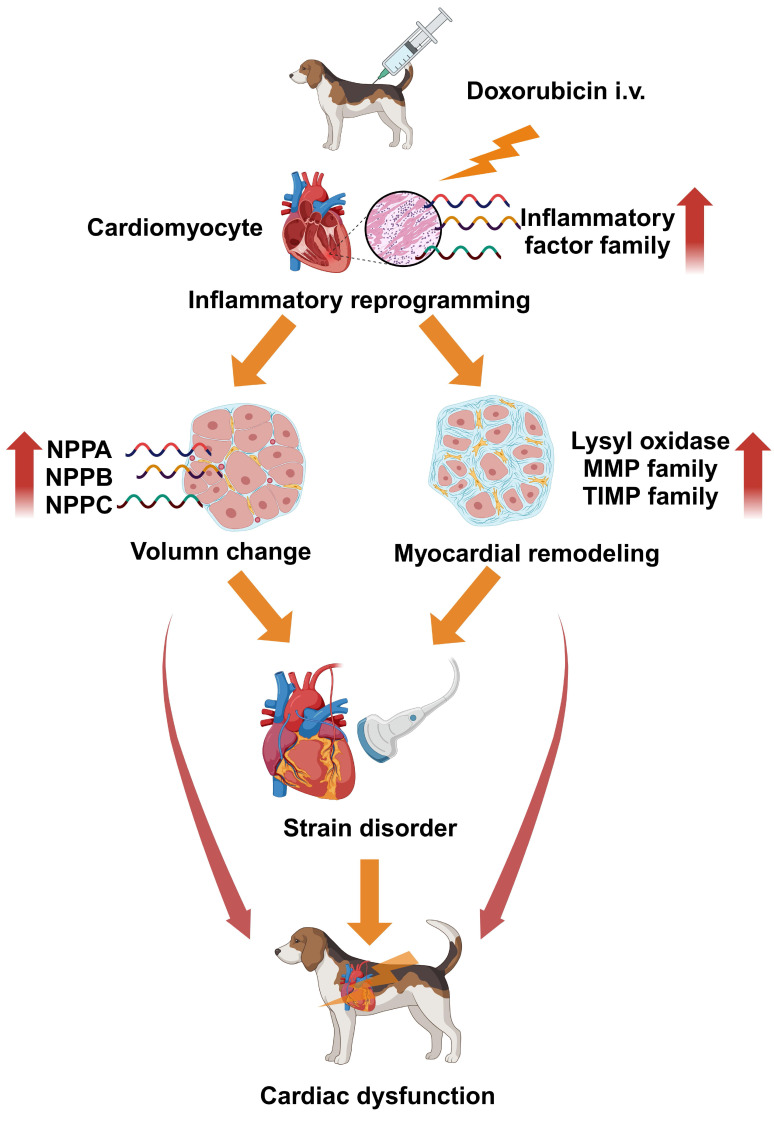 Figure 8
Peer Reviews
No public reviews on file for this paper yet. If you reviewed it on a platform where reviews are public (OpenReview, ICLR, NeurIPS, ICML), you can paste yours below so the community can read it here.
Videos
No videos yet. Explain this paper in a talk, walkthrough, or lecture? Add one.
Taxonomy
TopicsChemotherapy-induced cardiotoxicity and mitigation · Cardiac Ischemia and Reperfusion · Cardiac Fibrosis and Remodeling