Role of Physiotherapy in Pediatric Lissencephaly: A Case Report and Therapeutic Insights
Anam R Sasun, H V Sharath

TL;DR
This case report shows how physiotherapy can improve muscle tone and developmental milestones in a child with type 1 lissencephaly, a genetic disorder.
Contribution
The study highlights the novel application of specific physiotherapy techniques in managing pediatric lissencephaly.
Findings
Physiotherapy over 12 weeks improved muscle tone and developmental milestones in a child with type 1 lissencephaly.
Techniques like Rood's approach and hippotherapy were effective in symptom management.
The study emphasizes the importance of physiotherapy in improving quality of life for such patients.
Abstract
Type 1 lissencephaly is a genetic disorder of chromosomal abnormality. This case report glimpses at the physiotherapy rehabilitation for a two-year-old male brought by his parents with complaints of being unable to move his upper and lower limbs, delayed milestones as compared to his peer group, and difficulty in swallowing. Physiotherapy rehabilitation included Rood's approach to neurodevelopmental techniques, hippotherapy, vestibular ball rehabilitation exercises, oral sensorimotor stimulation, and tactile stimulation. The protocol lasted for 12 weeks. At the end of the rehabilitation, there was a significant improvement in the tone of the muscles and delayed developmental milestones. Through this case report, we conclude about the importance of genetic counseling to the parents of genetic disorders babies. We ought to improve awareness about the pivotal role of physiotherapy in…
Genes, proteins, chemicals, diseases, species, mutations and cell lines named across the full text — each resolved to its canonical identifier and authoritative record.
Click any figure to enlarge with its caption.
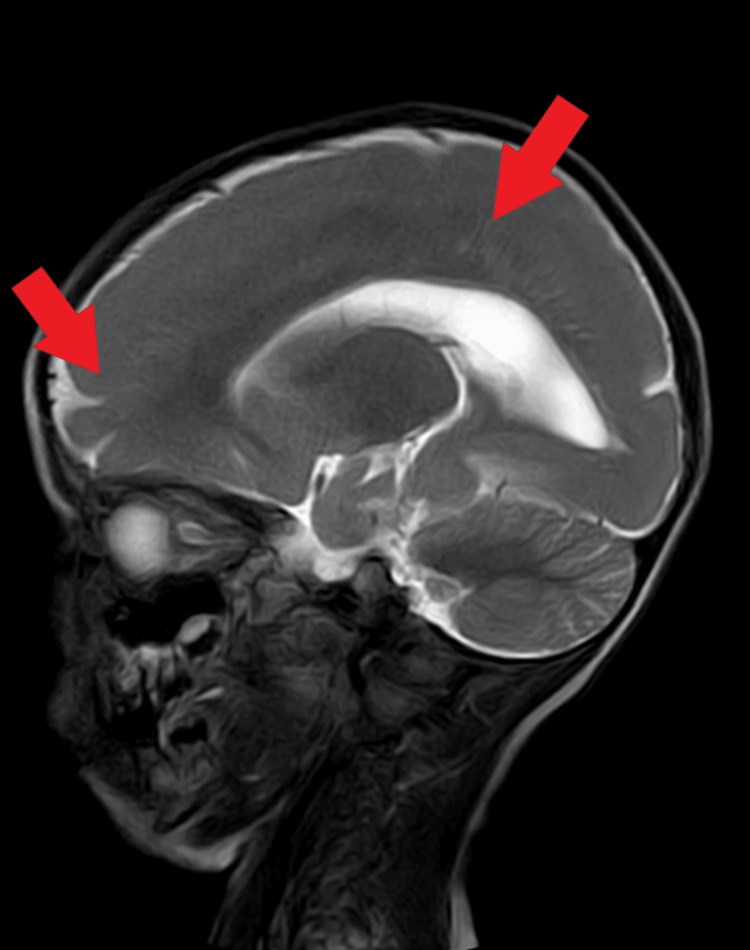 Figure 1
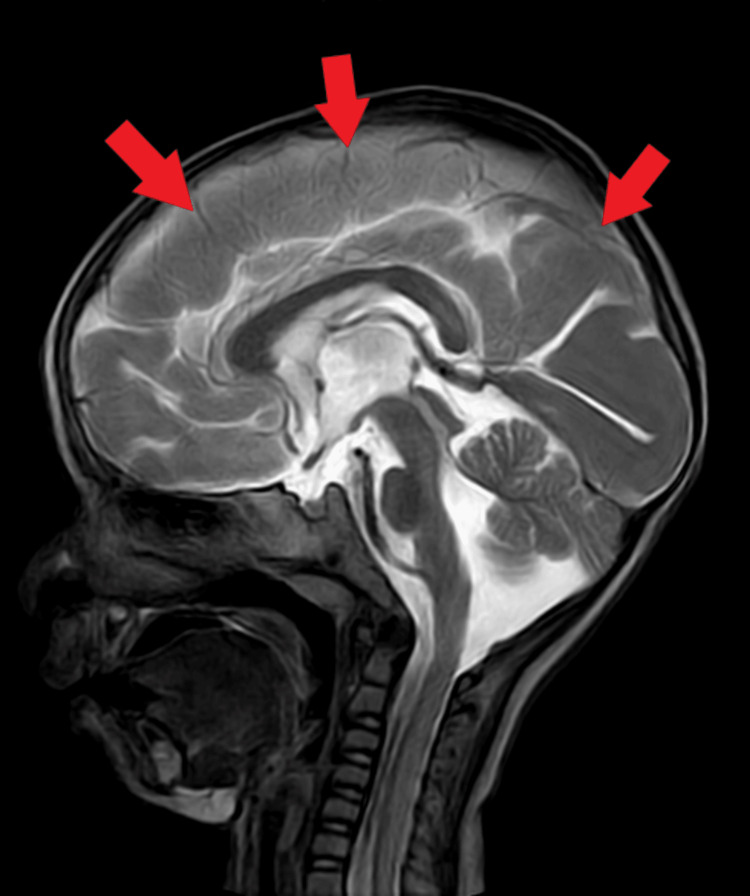 Figure 2
Peer Reviews
No public reviews on file for this paper yet. If you reviewed it on a platform where reviews are public (OpenReview, ICLR, NeurIPS, ICML), you can paste yours below so the community can read it here.
Videos
No videos yet. Explain this paper in a talk, walkthrough, or lecture? Add one.
Taxonomy
TopicsFetal and Pediatric Neurological Disorders · Cerebrospinal fluid and hydrocephalus · Epilepsy research and treatment