Using a Portable Ventilatory Airway Screening (PVAS) Device to Evaluate the Difference Between Upper Airway Breathing Pressure and Respiratory Flow in Skeletal Class I and Class II Growing Individuals With Retrognathic Mandible
Ananya Hazare, Ranjit Kamble, Sunita Shrivastav, Usha Shenoy, Rizwan Gillani

TL;DR
This study shows that a portable device can accurately measure breathing pressure and airflow in children with different jaw structures, offering a non-invasive alternative to traditional methods.
Contribution
The study validates a portable ventilatory airway screening device as an accurate and non-invasive alternative to spirometry for measuring upper airway breathing parameters.
Findings
The PVAS device showed high concordance with spirometry in measuring breathing pressure, volume, and velocity.
Skeletal Class II individuals had significantly higher breathing pressure and reduced respiratory flow compared to Class I individuals.
The PVAS device is a valid and accurate non-invasive tool for clinical use in assessing upper airway function.
Abstract
Background Upper airway obstruction (UAO) is a significant clinical concern due to its potential to lead to serious health issues, including obstructive sleep apnea (OSA) and cardiovascular diseases. Traditional diagnostic methods, such as spirometry, are often invasive and complex. This study aims to validate a portable ventilatory airway screening (PVAS) device as a non-invasive, cost-effective alternative for measuring upper airway breathing pressure and respiratory flow. Objectives To validate the accuracy of the PVAS device in measuring upper airway breathing pressure and respiratory flow by comparing its readings with those obtained from standard spirometry tests. Methods This cross-sectional analytical study involved 40 growing individuals aged 10-14 years, divided into two groups based on cephalometric analysis: Skeletal Class I (20 patients) and Skeletal Class II with…
Genes, proteins, chemicals, diseases, species, mutations and cell lines named across the full text — each resolved to its canonical identifier and authoritative record.
Click any figure to enlarge with its caption.
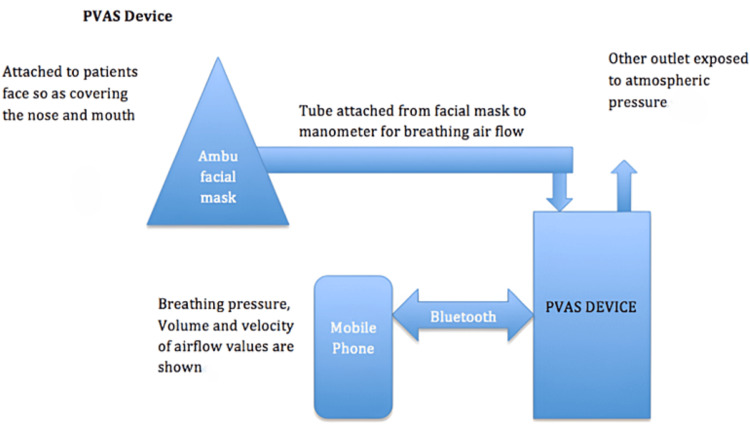 Figure 1
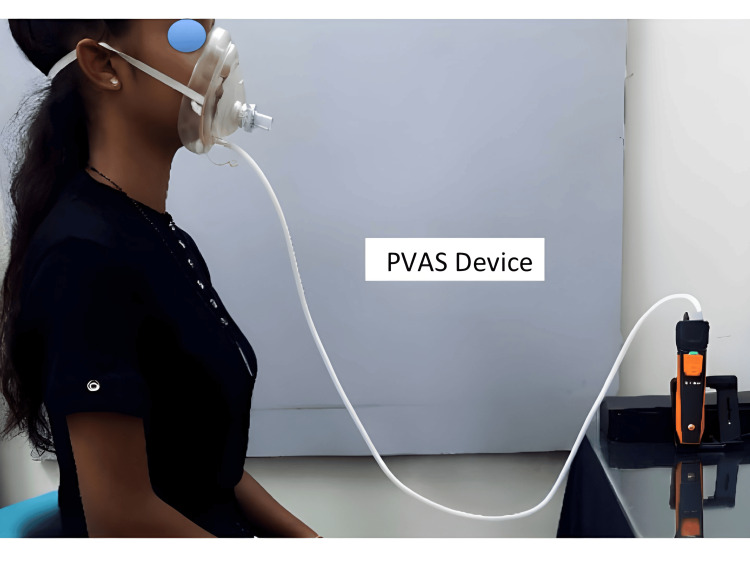 Figure 2
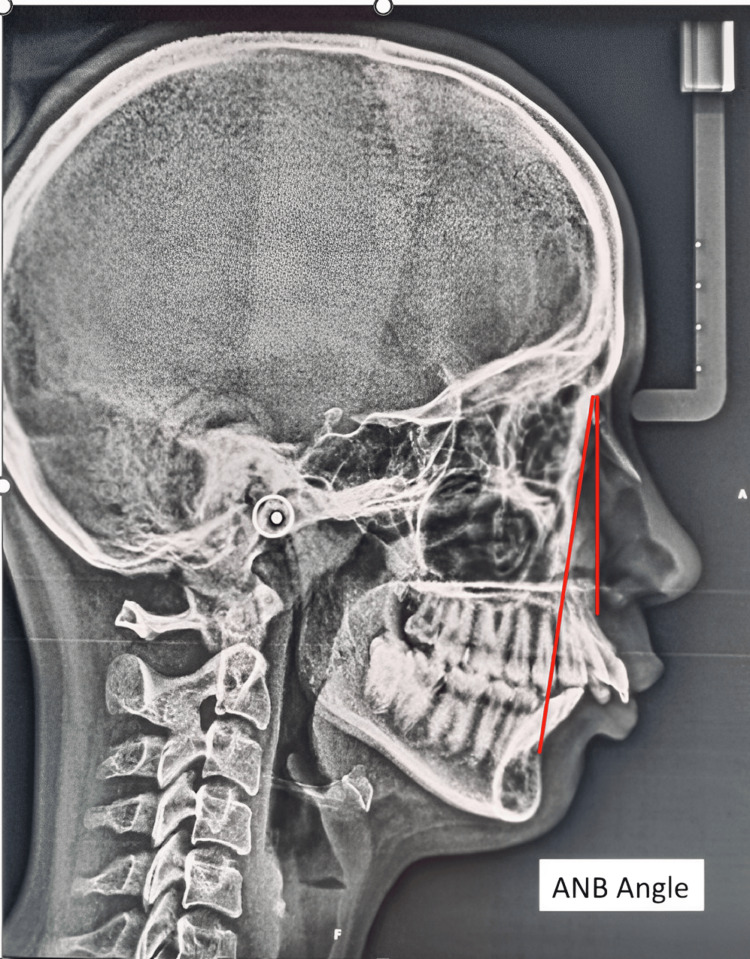 Figure 3
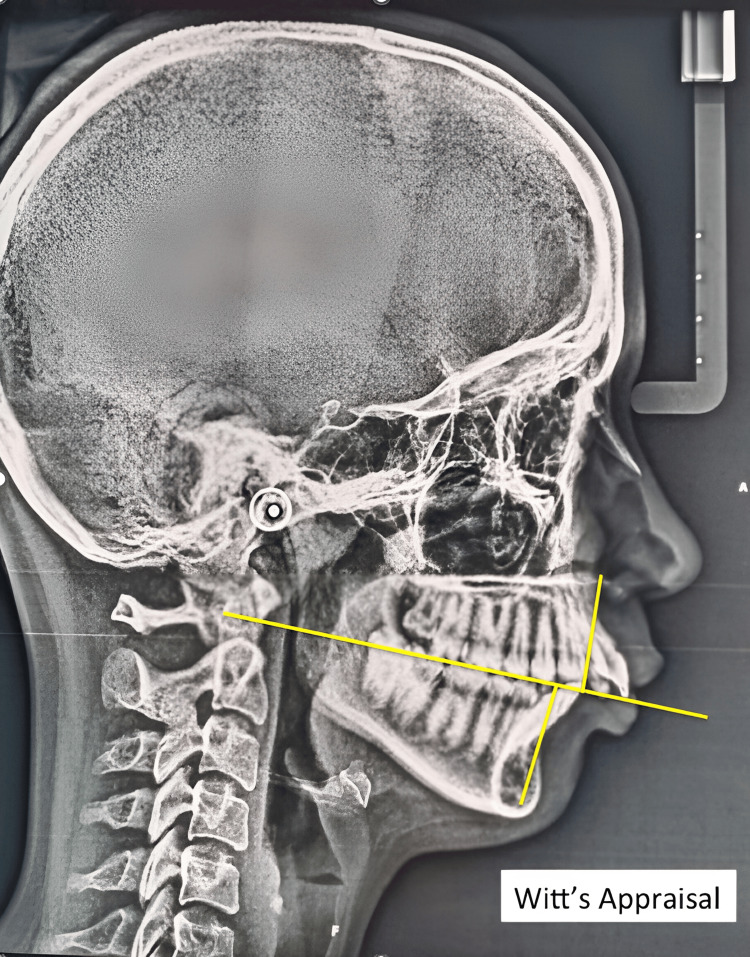 Figure 4
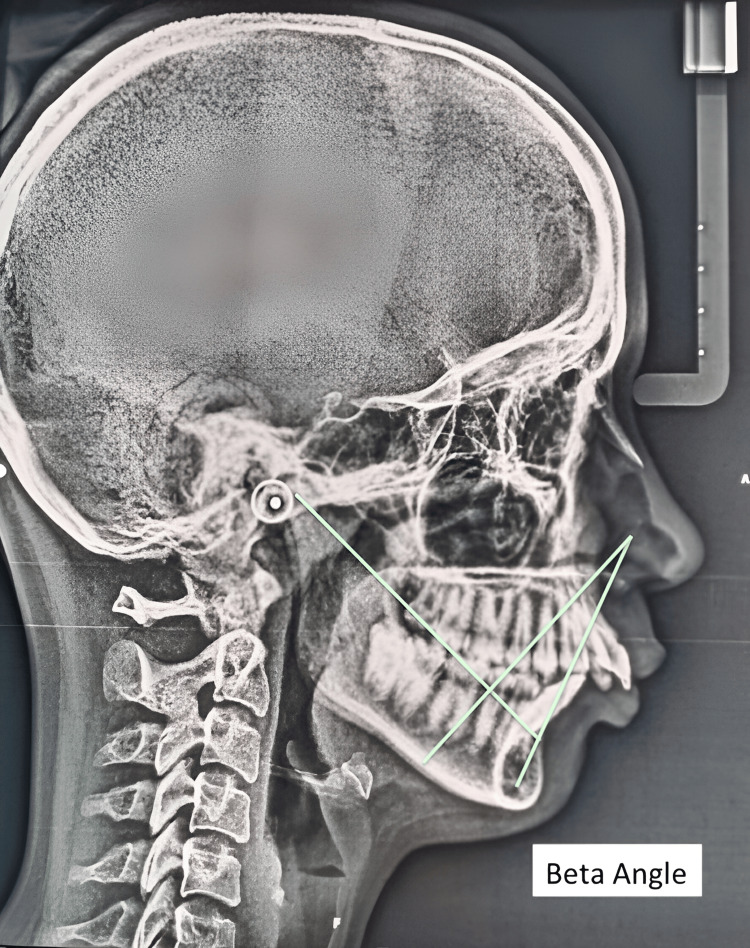 Figure 5
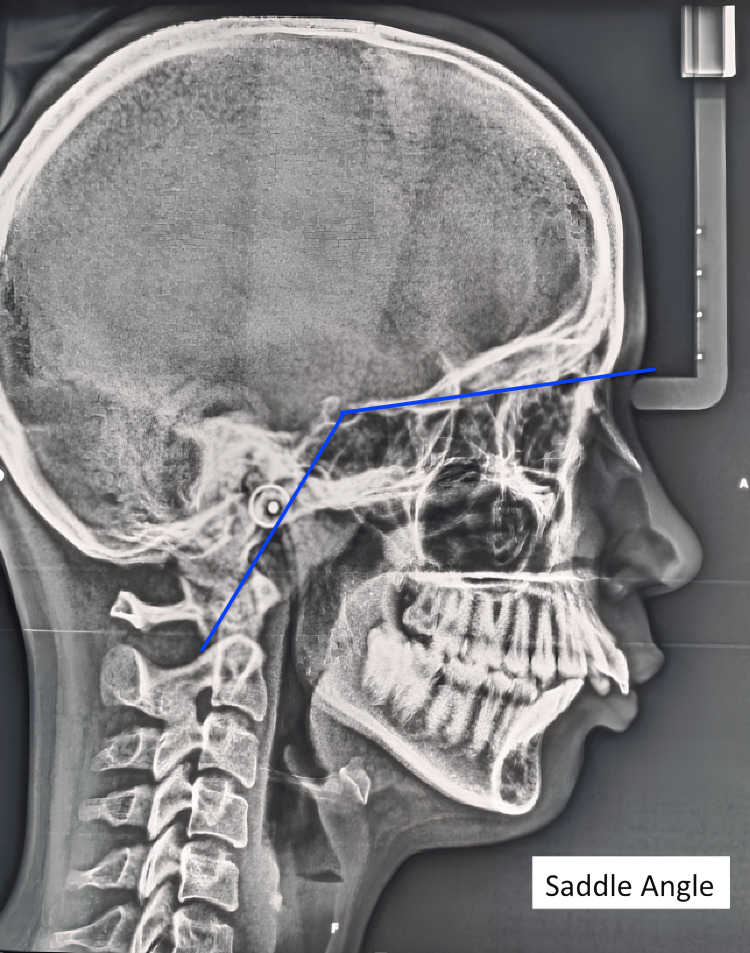 Figure 6
Peer Reviews
No public reviews on file for this paper yet. If you reviewed it on a platform where reviews are public (OpenReview, ICLR, NeurIPS, ICML), you can paste yours below so the community can read it here.
Videos
No videos yet. Explain this paper in a talk, walkthrough, or lecture? Add one.
Taxonomy
TopicsObstructive Sleep Apnea Research · Airway Management and Intubation Techniques · Neuroscience of respiration and sleep