Acaricidal activity of Egyptian crude plant extracts against Haemaphysalis longicornis ticks
Ahmed M. Abdou, Nanang R. Arifeta, Abdel-latif S. Seddek, Samy Abdel-Raouf Fahim Morad, Noha Abdelmageed, Mohamed O. Badry, Rika Umemiya-Shirafuji, Yoshifumi Nishikawa, Brian Stevenson, Brian Stevenson, Brian Stevenson

TL;DR
Researchers tested Egyptian plant extracts against ticks and found that Artemisia judaica was highly effective at killing Haemaphysalis longicornis ticks.
Contribution
The study identifies Artemisia judaica as a potent acaricidal plant extract and characterizes its active compounds using mass spectrometry.
Findings
Artemisia judaica extract achieved 100% tick mortality at 48 hours with high and moderate concentrations.
Liquid chromatography–mass spectrometry identified camphor as the major component in Artemisia judaica extract.
The extract's LT50 values were 30.37 hours for high doses and 55.08 hours for moderate doses.
Abstract
Haemaphysalis longicornis is a common Ixodida tick species found in temperate areas of Asian countries. An anti-tick assay was conducted on adult female H. longicornis ticks. Plant extract solutions were prepared at concentrations of 50, 25, and 10 mg/mL. Tick survival and mortality were assessed by counting the number of dead and live ticks at 24 h, 48 h, 72 h, and 96 h posttreatment. Out of 11 plant extracts screened, Artemisia judaica extract exhibited the highest potency with 100% mortality (5/5) at 48 h when applied at high and moderate concentrations (50 and 25 mg/mL). Similar results were observed at 96 h for the 10 mg/mL group compared to the untreated ticks. Cleome droserifolia extract demonstrated partial activity with 60% (3/5) and 20% (1/5) mortality at 96 h posttreatment at concentrations of 50 and 25 mg/mL, respectively. Forsskaolea tenacissima extract showed a weak effect…
Genes, proteins, chemicals, diseases, species, mutations and cell lines named across the full text — each resolved to its canonical identifier and authoritative record.
Click any figure to enlarge with its caption.
 Figure 1
 Figure 2
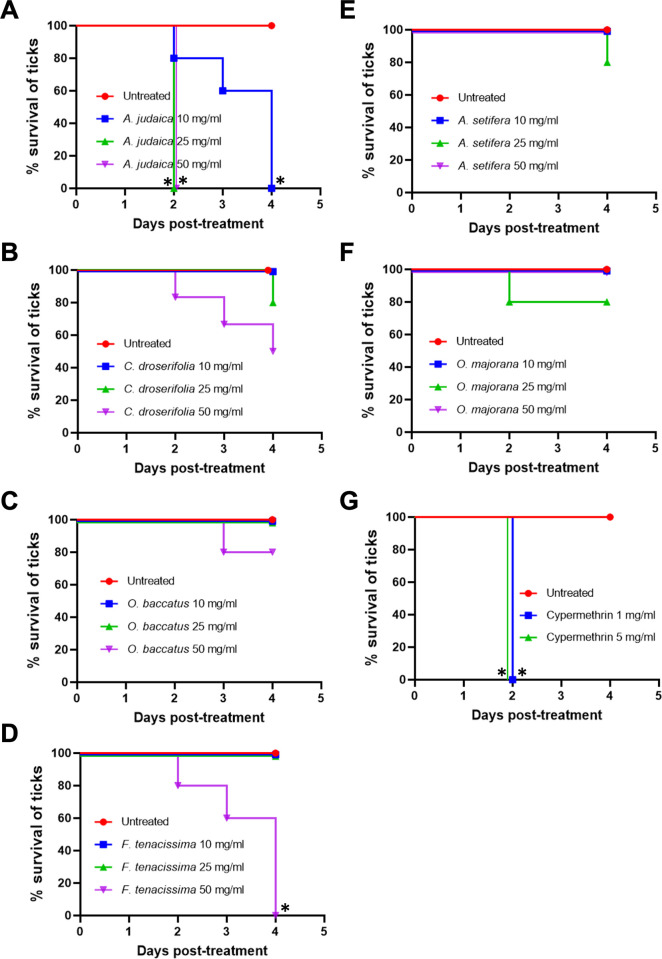 Figure 3
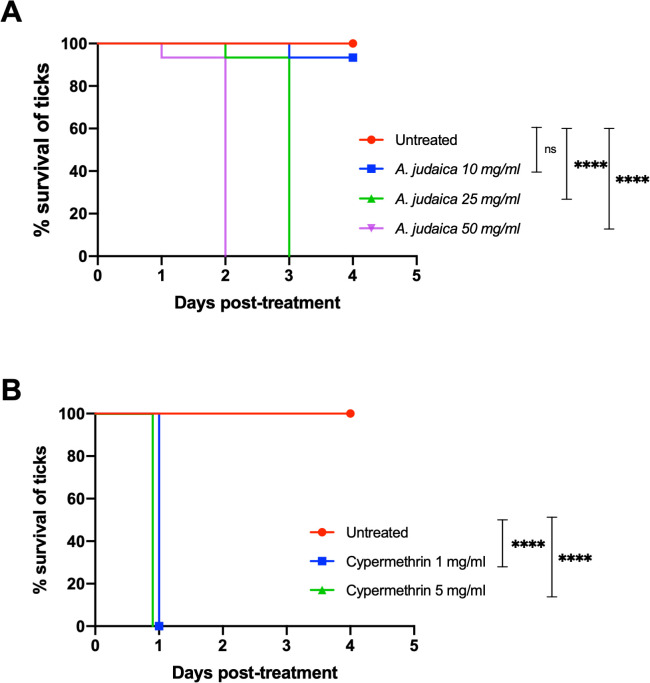 Figure 4
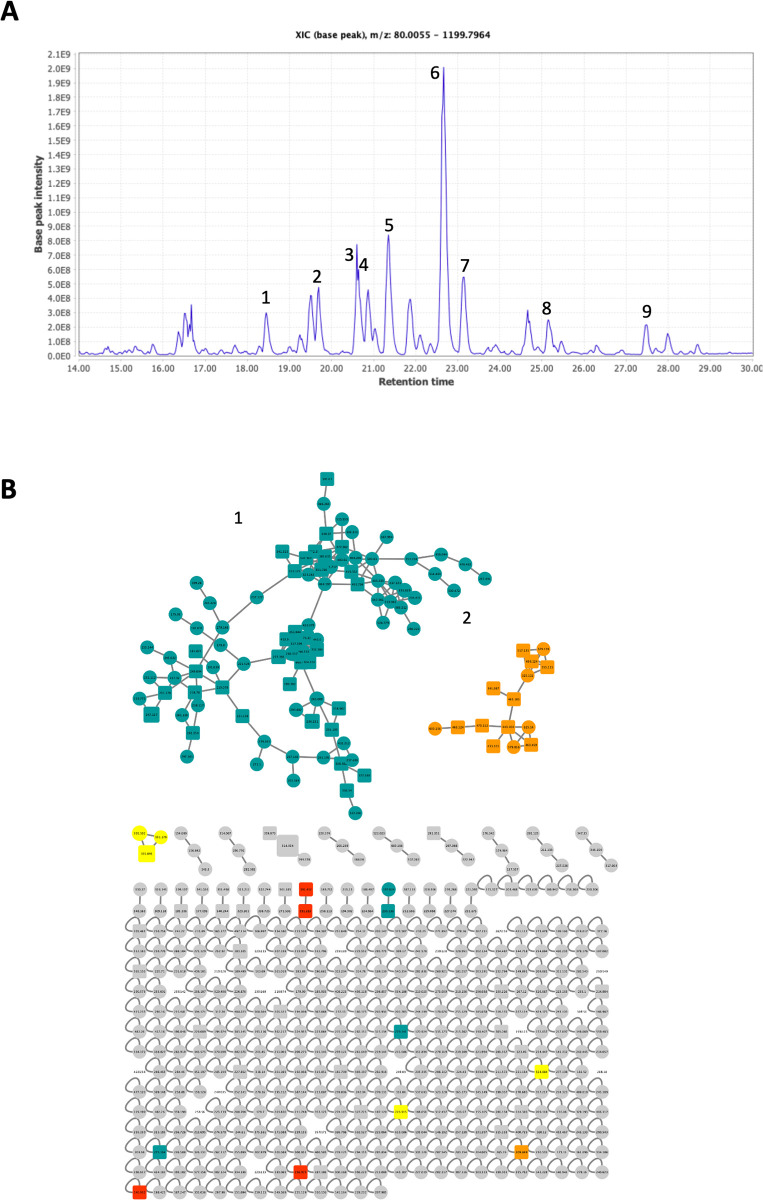 Figure 5
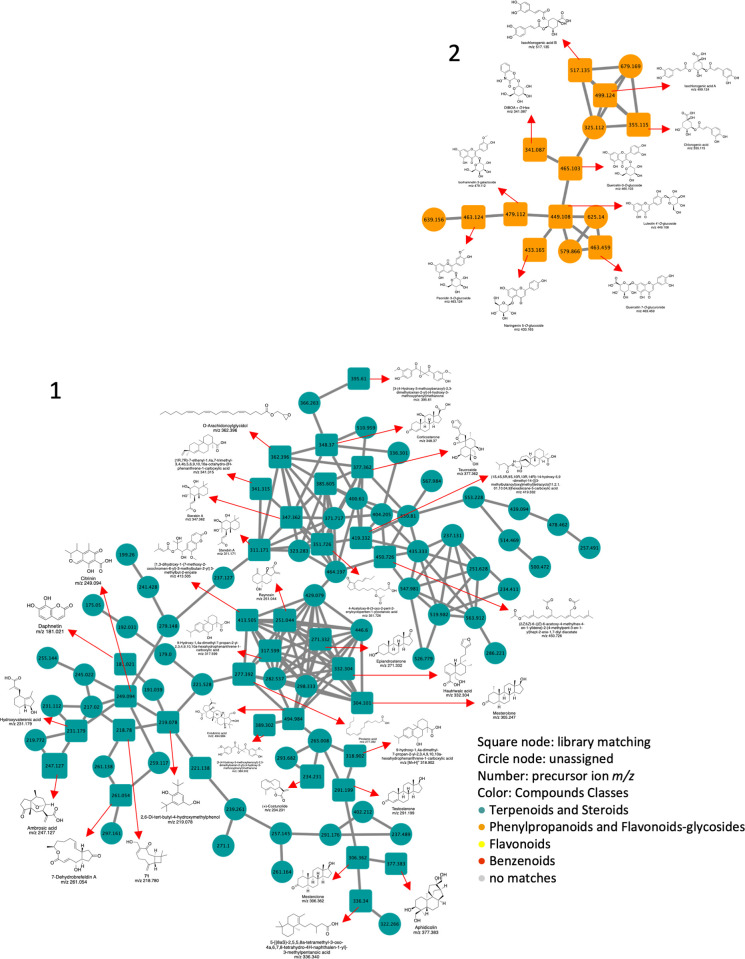 Figure 6
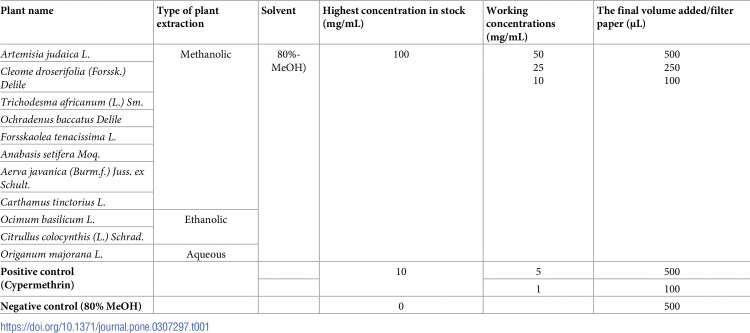 Figure 7
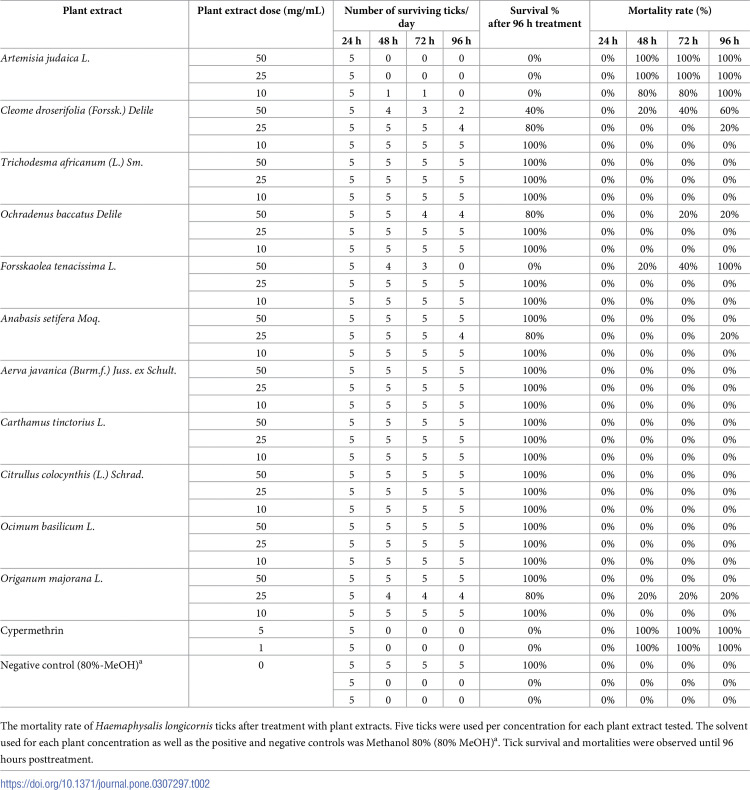 Figure 8
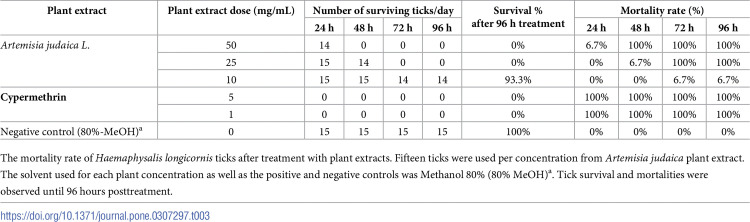 Figure 9
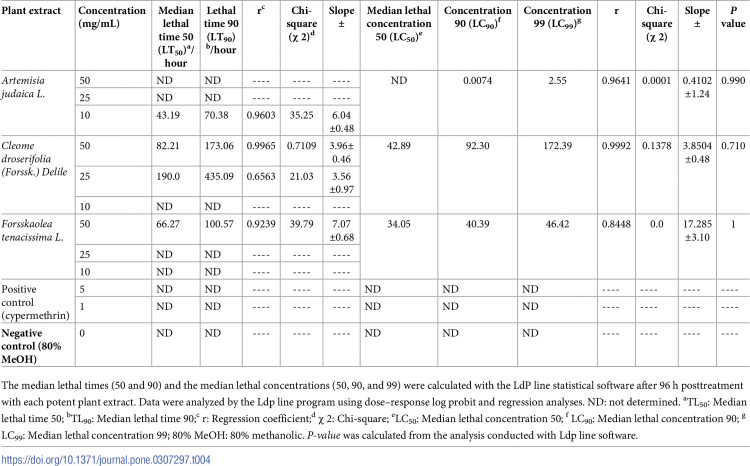 Figure 10
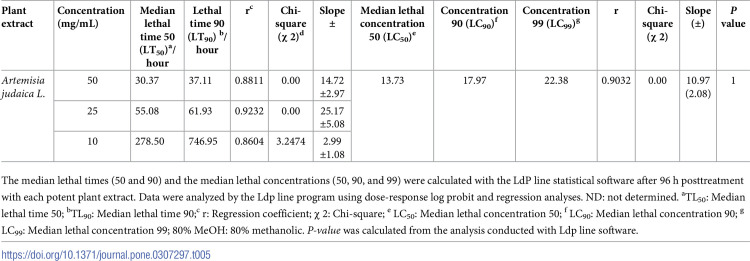 Figure 11
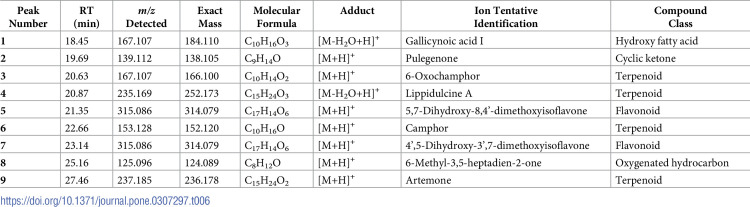 Figure 12
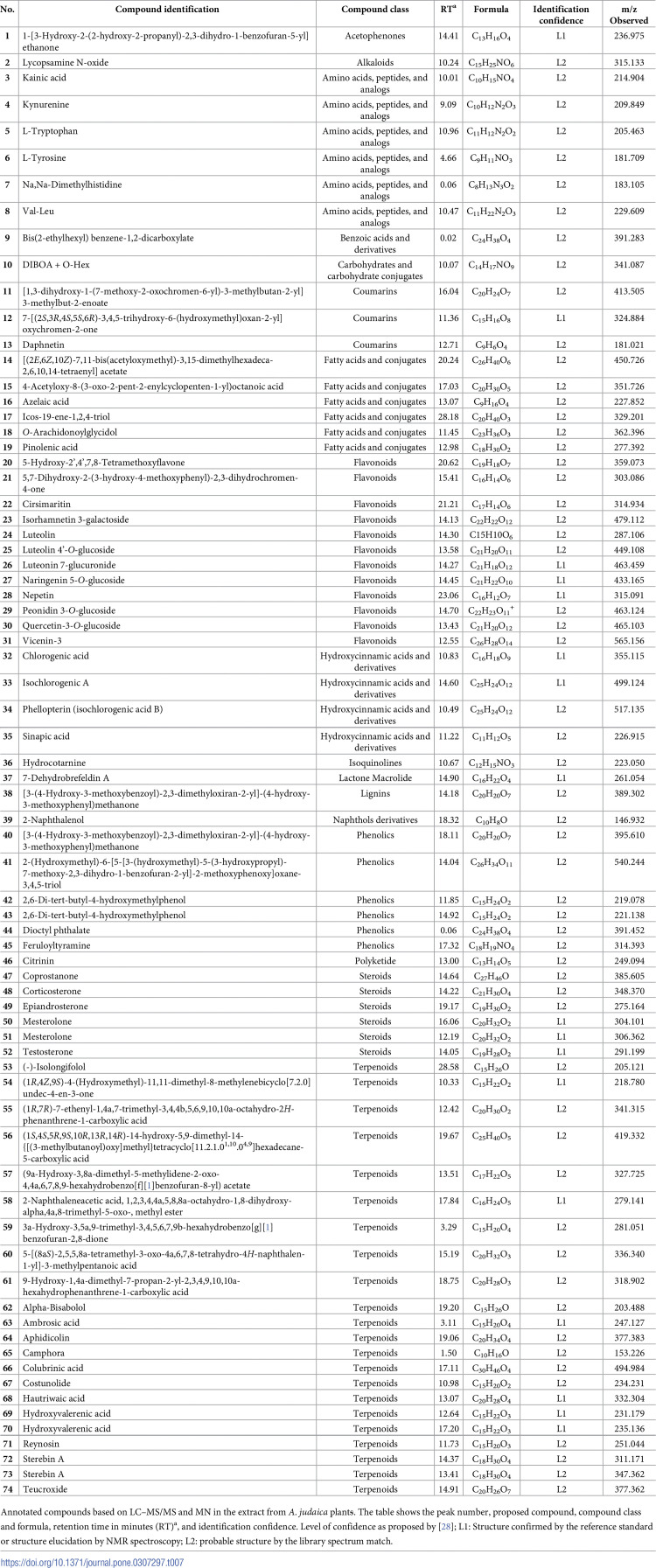 Figure 13
Peer Reviews
No public reviews on file for this paper yet. If you reviewed it on a platform where reviews are public (OpenReview, ICLR, NeurIPS, ICML), you can paste yours below so the community can read it here.
Videos
No videos yet. Explain this paper in a talk, walkthrough, or lecture? Add one.
Taxonomy
TopicsInsect Pest Control Strategies · Vector-borne infectious diseases · Insect and Pesticide Research