TabDEG: Classifying differentially expressed genes from RNA-seq data based on feature extraction and deep learning framework
Sifan Feng, Zhenyou Wang, Yinghua Jin, Shengbin Xu, Divijendra Natha Reddy Sirigiri, Divijendra Natha Reddy Sirigiri, Divijendra Natha Reddy Sirigiri, Divijendra Natha Reddy Sirigiri

TL;DR
TabDEG is a deep learning model that improves the classification of differentially expressed genes in small RNA-seq datasets using data augmentation.
Contribution
TabDEG combines data augmentation with deep learning to enhance DEG classification in small sample RNA-seq data.
Findings
TabDEG outperforms five existing methods in sensitivity and misclassification rates.
TabDEG-predicted genes are linked to cancer-related gene ontology terms and pathways.
The model is robust for high-dimensional datasets with limited samples.
Abstract
Traditional differential expression genes (DEGs) identification models have limitations in small sample size datasets because they require meeting distribution assumptions, otherwise resulting high false positive/negative rates due to sample variation. In contrast, tabular data model based on deep learning (DL) frameworks do not need to consider the data distribution types and sample variation. However, applying DL to RNA-Seq data is still a challenge due to the lack of proper labeling and the small sample size compared to the number of genes. Data augmentation (DA) extracts data features using different methods and procedures, which can significantly increase complementary pseudo-values from limited data without significant additional cost. Based on this, we combine DA and DL framework-based tabular data model, propose a model TabDEG, to predict DEGs and their…
Genes, proteins, chemicals, diseases, species, mutations and cell lines named across the full text — each resolved to its canonical identifier and authoritative record.
Click any figure to enlarge with its caption.
 Figure 1
 Figure 2
 Figure 3
 Figure 4
 Figure 5
 Figure 6
 Figure 7
 Figure 8
 Figure 9
 Figure 10
 Figure 11
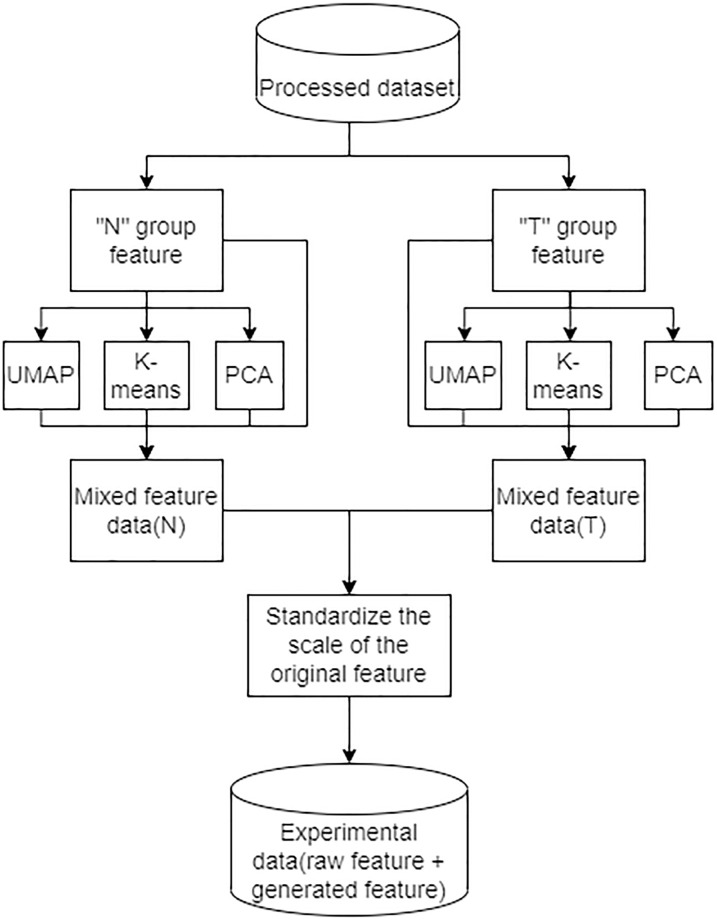 Figure 12
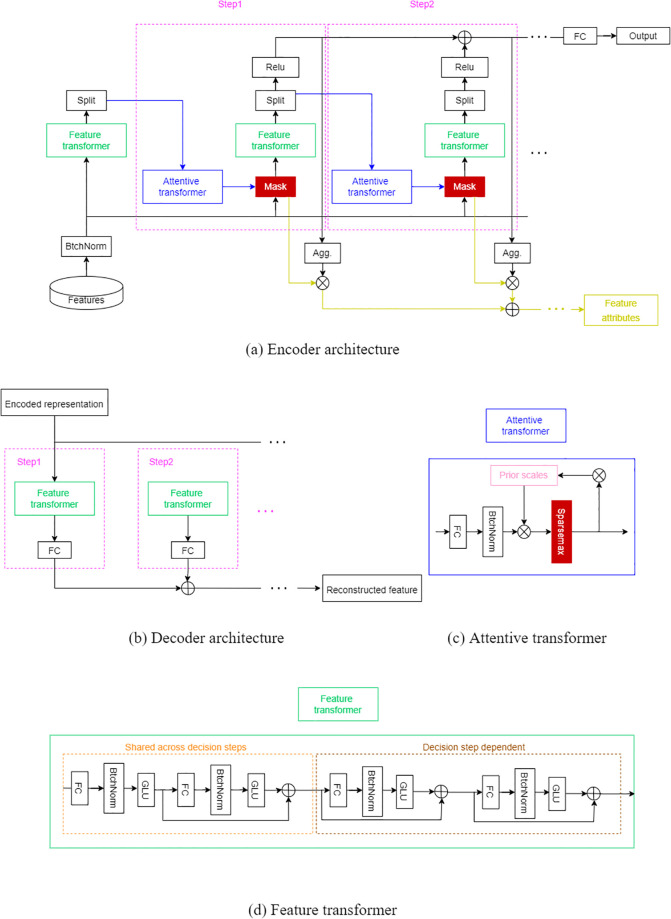 Figure 13
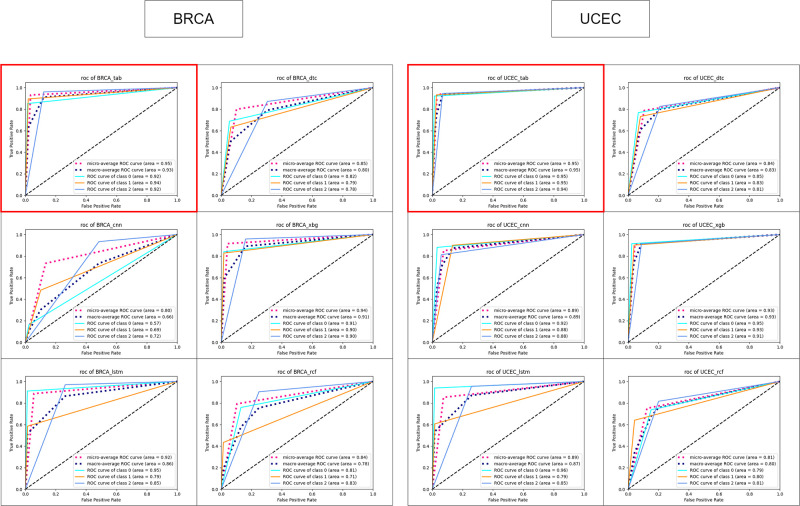 Figure 14
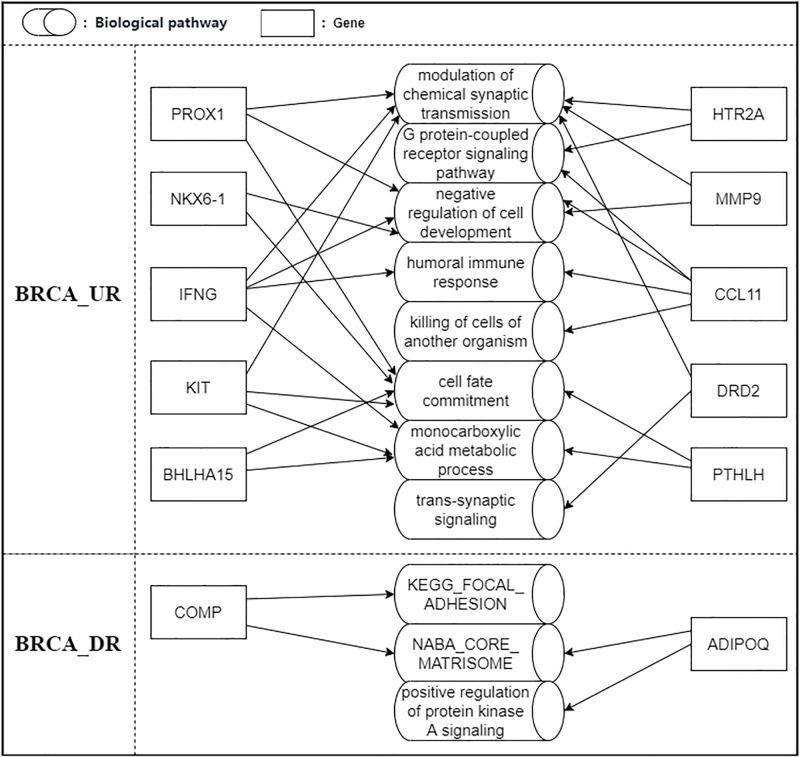 Figure 15
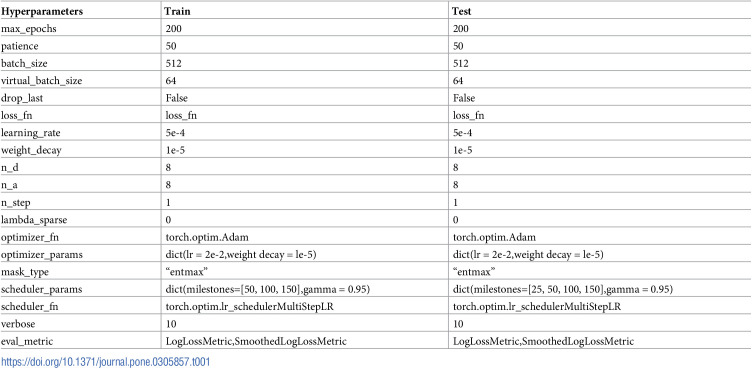 Figure 16
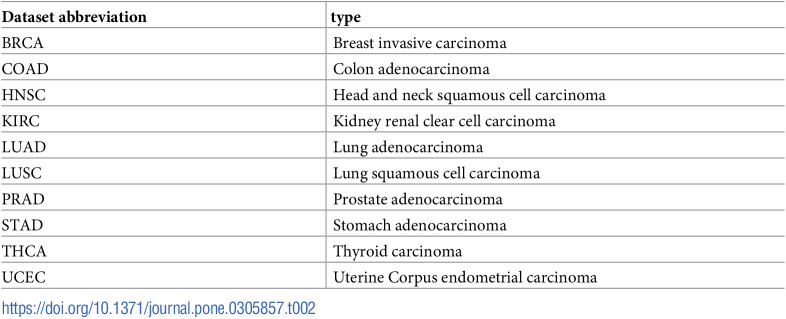 Figure 17
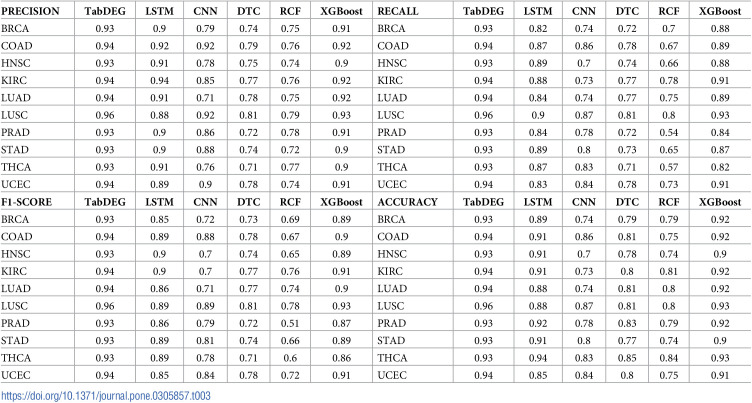 Figure 18
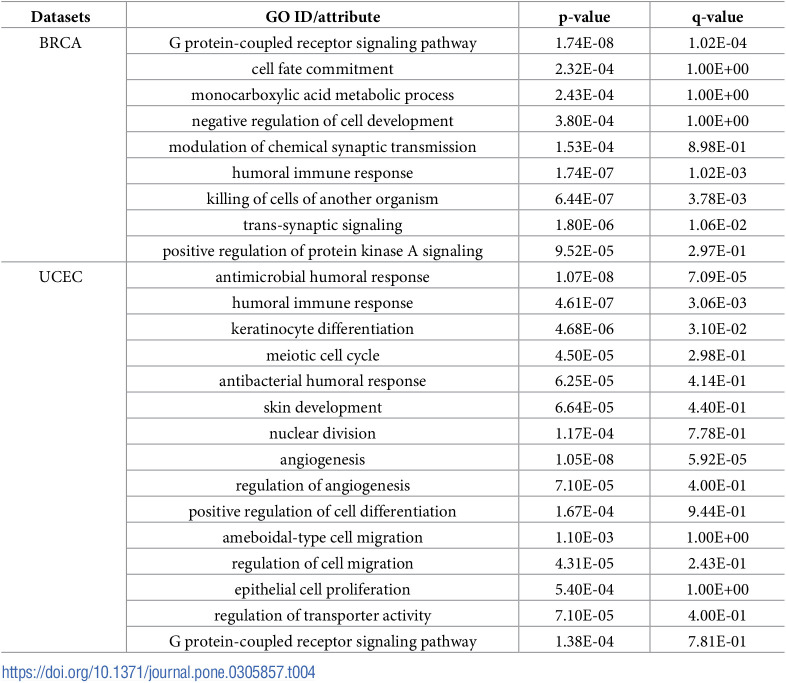 Figure 19
Peer Reviews
No public reviews on file for this paper yet. If you reviewed it on a platform where reviews are public (OpenReview, ICLR, NeurIPS, ICML), you can paste yours below so the community can read it here.
Videos
No videos yet. Explain this paper in a talk, walkthrough, or lecture? Add one.
Taxonomy
TopicsCancer-related molecular mechanisms research · Gene expression and cancer classification · Molecular Biology Techniques and Applications