The retrotransposon-derived capsid genes PNMA1 and PNMA4 maintain reproductive capacity
Thomas W.P. Wood, William S. Henriques, Harrison B. Cullen, Mayra Romero, Cecilia S. Blengini, Shreya Sarathy, Julia Sorkin, Hilina Bekele, Chen Jin, Seungsoo Kim, Alexei Chemiakine, Rishad C. Khondker, José V.V. Isola, Michael B. Stout, Vincenzo A. Gennarino, Binyam Mogessie

TL;DR
This study shows that two genes from ancient retroviruses help maintain reproductive health in humans and mice, especially as they age.
Contribution
The study identifies PNMA1 and PNMA4 as retrotransposon-derived genes that are crucial for reproductive capacity and aging.
Findings
PNMA1 and PNMA4 expression declines with age in human ovaries.
Mice lacking Pnma1 or Pnma4 become subfertile and show hormonal and metabolic issues by six months.
Variants of PNMA1 and PNMA4 are linked to reproductive and metabolic traits in humans.
Abstract
The human genome contains 24 gag-like capsid genes derived from deactivated retrotransposons conserved among eutherians. Although some of their encoded proteins retain the ability to form capsids and even transfer cargo, their fitness benefit has remained elusive. Here we show that the gag-like genes PNMA1 and PNMA4 support reproductive capacity during aging. Analysis of donated human ovaries shows that expression of both genes declines normally with age, while several PNMA1 and PNMA4 variants identified in genome-wide association studies are causally associated with low testosterone, altered puberty onset, or obesity. Six-week-old mice lacking either Pnma1 or Pnma4 are indistinguishable from wild-type littermates, but by six months the mutant mice become prematurely subfertile, with precipitous drops in sex hormone levels, gonadal atrophy, and abdominal obesity; overall they produce…
Genes, proteins, chemicals, diseases, species, mutations and cell lines named across the full text — each resolved to its canonical identifier and authoritative record.
Click any figure to enlarge with its caption.
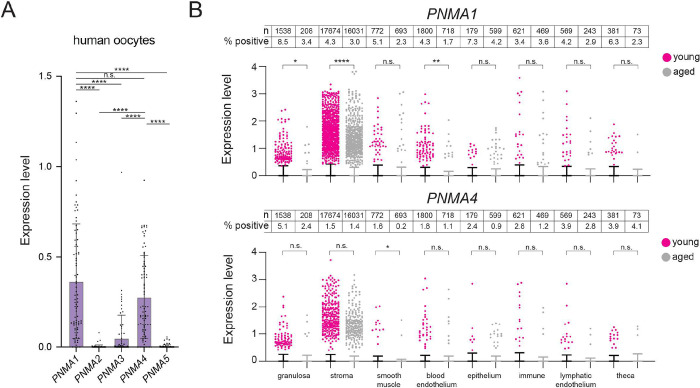 Figure 1
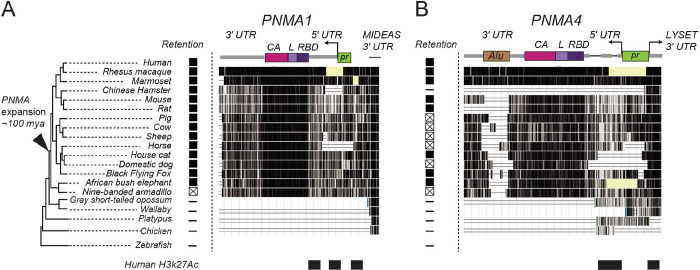 Figure 2
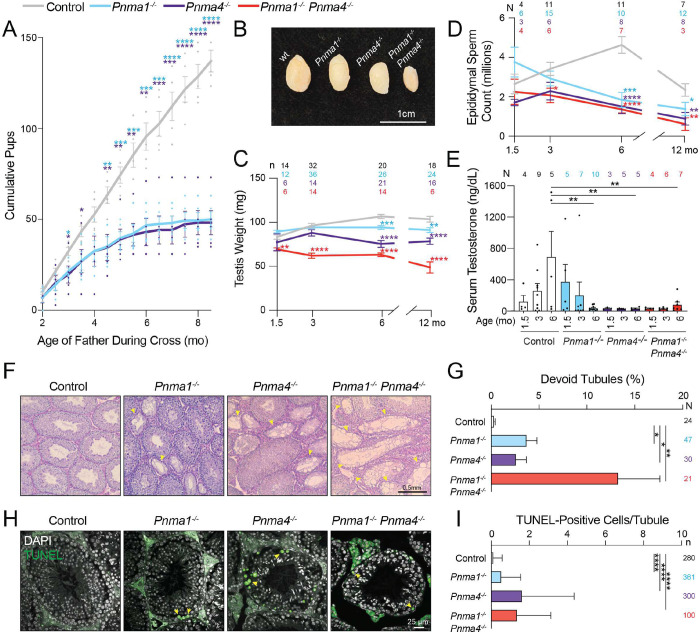 Figure 3
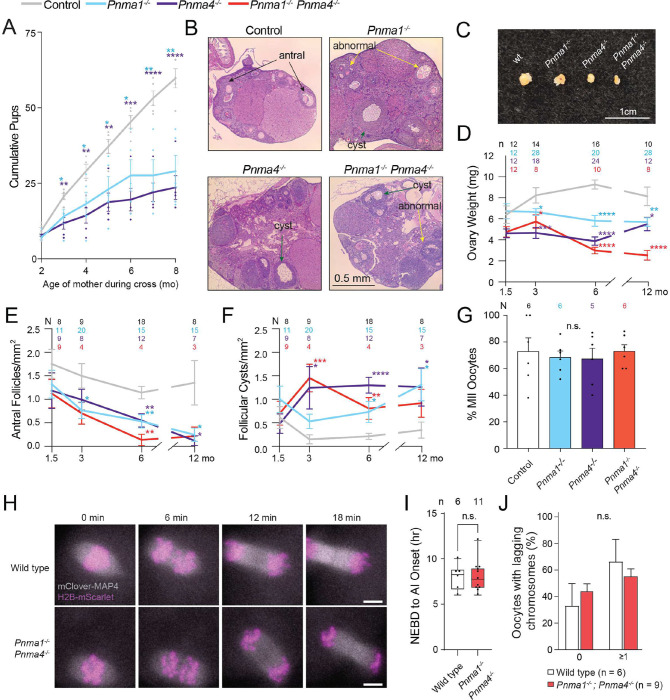 Figure 4
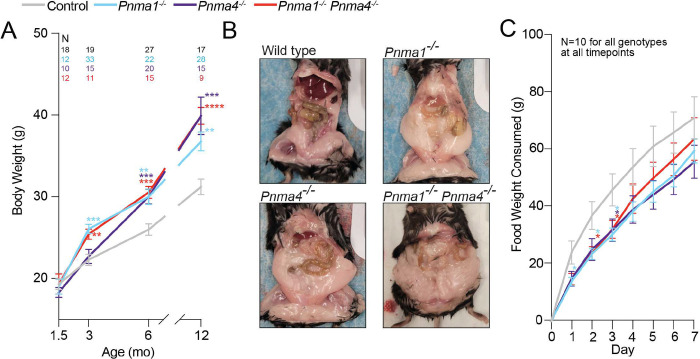 Figure 5
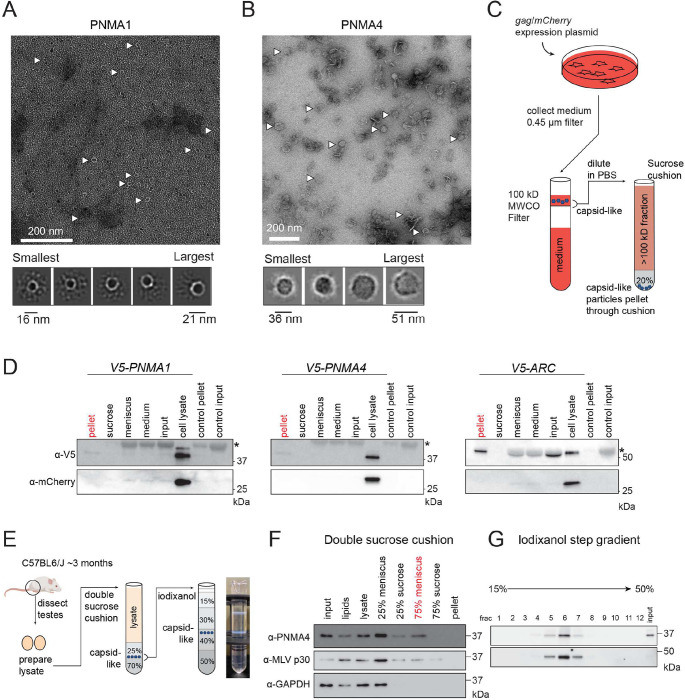 Figure 6
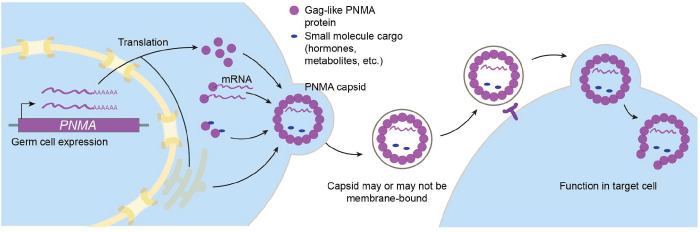 Figure 7
Peer Reviews
No public reviews on file for this paper yet. If you reviewed it on a platform where reviews are public (OpenReview, ICLR, NeurIPS, ICML), you can paste yours below so the community can read it here.
Videos
No videos yet. Explain this paper in a talk, walkthrough, or lecture? Add one.
Taxonomy
TopicsCRISPR and Genetic Engineering · Animal Genetics and Reproduction · Chromosomal and Genetic Variations