Molecular and clinical characterization of a founder mutation causing G6PC3 deficiency
Xin Zhen, Michael Betti, Meltem Ece Kars, Andrew Patterson, Edgar Alejandro Medina-Torres, Selma Cecilia Scheffler Mendoza, Diana Andrea Herrera Sánchez, Gabriela Lopez-Herrera, Yevgeniya Svyryd, Osvaldo Mutchinick, Eric Gamazon, Jeffrey Rathmell, Yuval Itan, Janet Markle

TL;DR
This study identifies a genetic mutation in the G6PC3 gene that originated in the indigenous Mexican population and causes a rare immunometabolic disorder.
Contribution
The paper provides evidence of a founder effect for the G6PC3 c.210delC mutation and characterizes its molecular and clinical impact.
Findings
The G6PC3 c.210delC mutation originated from a founder effect in the indigenous Mexican population.
The mutation leads to aberrant protein expression and impaired glycolysis due to intracellular accumulation of 1,5-AG6P.
Patients with the c.210delC mutation exhibit all prominent clinical features of G6PC3 deficiency.
Abstract
G6PC3 deficiency is a monogenic immunometabolic disorder that causes syndromic congenital neutropenia. Patients display heterogeneous extra-hematological manifestations, contributing to delayed diagnosis. Here, we investigated the origin and functional consequence of the G6PC3 c.210delC variant found in patients of Mexican origin. Based on the shared haplotypes amongst carriers of the c.210delC mutation, we estimated that this variant originated from a founder effect in a common ancestor. Furthermore, by ancestry analysis, we concluded that it originated in the indigenous Mexican population. At the protein level, we showed that this frameshift mutation leads to an aberrant protein expression in overexpression and patient-derived cells. G6PC3 pathology is driven by the intracellular accumulation of the metabolite 1,5-anhydroglucitol-6-phosphate (1,5-AG6P) that inhibits glycolysis. We…
Genes, proteins, chemicals, diseases, species, mutations and cell lines named across the full text — each resolved to its canonical identifier and authoritative record.
Click any figure to enlarge with its caption.
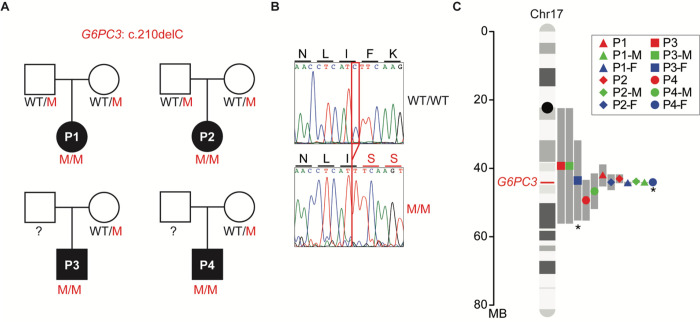 Figure 1
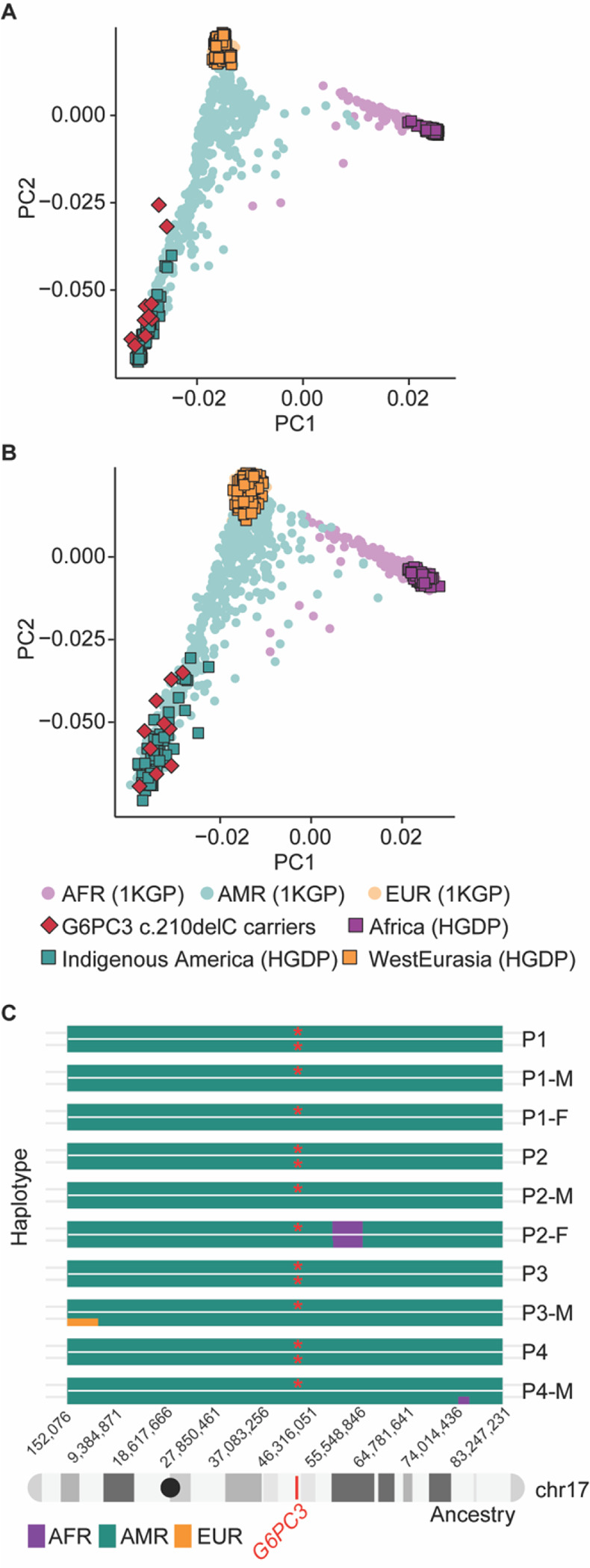 Figure 2
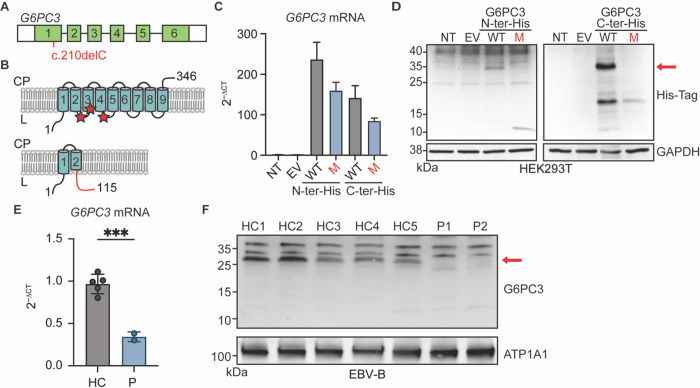 Figure 3
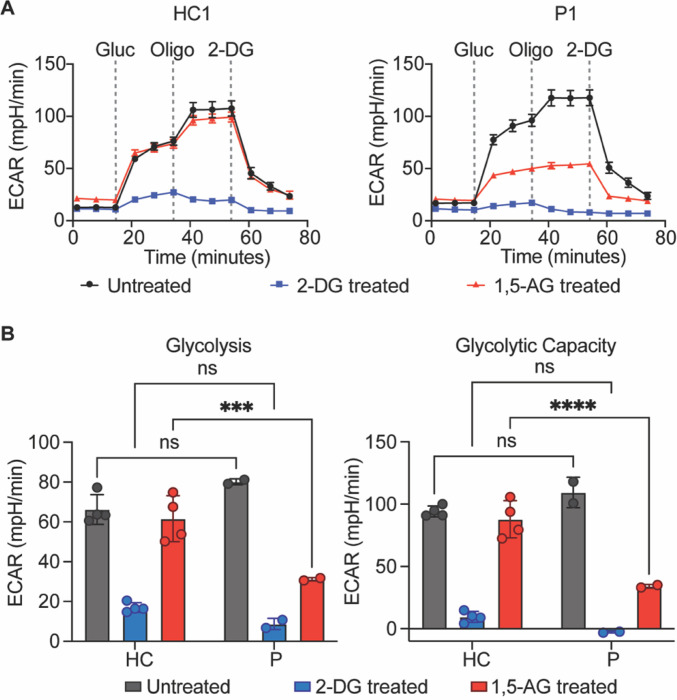 Figure 4
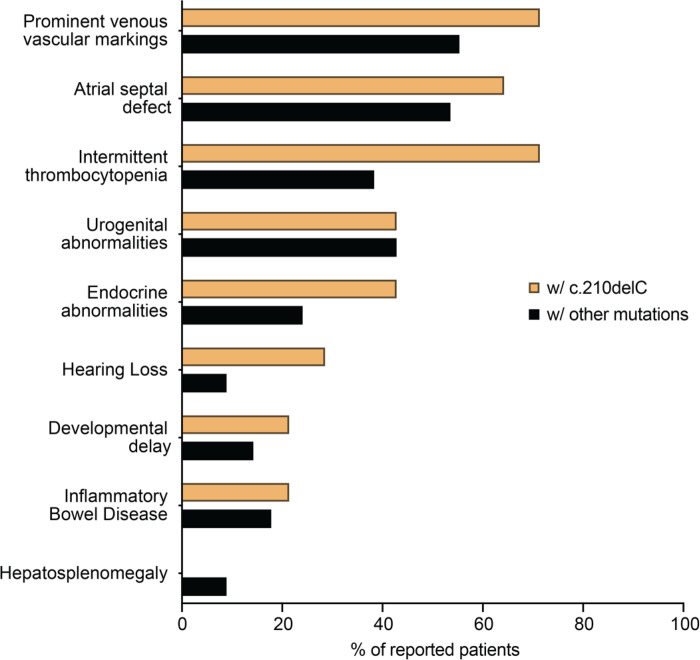 Figure 5
Peer Reviews
No public reviews on file for this paper yet. If you reviewed it on a platform where reviews are public (OpenReview, ICLR, NeurIPS, ICML), you can paste yours below so the community can read it here.
Videos
No videos yet. Explain this paper in a talk, walkthrough, or lecture? Add one.
Taxonomy
TopicsBlood disorders and treatments · Immunodeficiency and Autoimmune Disorders · Erythrocyte Function and Pathophysiology