A Novel generalization of sequential decision-theoretic rough set model and its application
Tanzeela Shaheen, Hamrah Batool Khan, Wajid Ali, Shaheryar Najam, Md. Zia Uddin, Mohammad Mehedi Hassan

TL;DR
This paper introduces a new model for decision-making called GSeq-DTRS, which improves on previous methods by handling continuous data and reducing the need for attribute reduction.
Contribution
The novel GSeq-DTRS model generalizes sequential decision-theoretic rough sets with tolerance relations and a multi-level classification approach.
Findings
GSeq-DTRS effectively classifies elements into POS or NEG regions using generalized granulation and tolerance classes.
The model performs well on both continuous and discrete datasets without requiring attribute reduction at each level.
Experiments show the algorithm is less sensitive to parameters and converges in fewer iterations compared to Seq-DTRS.
Abstract
This paper introduces a refined and broadened version of decision-theoretic rough sets (DTRSs) named Generalized Sequential Decision-Theoretic Rough Set (GSeq-DTRS), which integrates the three-way decision (3WD) methodology. Operating through multiple levels, this iterative approach aims to comprehensively explore the boundary region. It introduces the concept of generalized granulation, departing from conventional equivalence-relation-based structures to incorporate similarity/tolerance relations. GSeq-DTRS addresses the limitations encountered by its predecessor, Seq-DTRS, particularly in managing sequential procedures and integrating new attributes. A notable advancement is its seamless handling of continuous-scale datasets through a defined Generalized Granular Structure (GGS), enabling classification across multiple levels without necessitating reduction of attributes. A refined…
Genes, proteins, chemicals, diseases, species, mutations and cell lines named across the full text — each resolved to its canonical identifier and authoritative record.
Click any figure to enlarge with its caption.
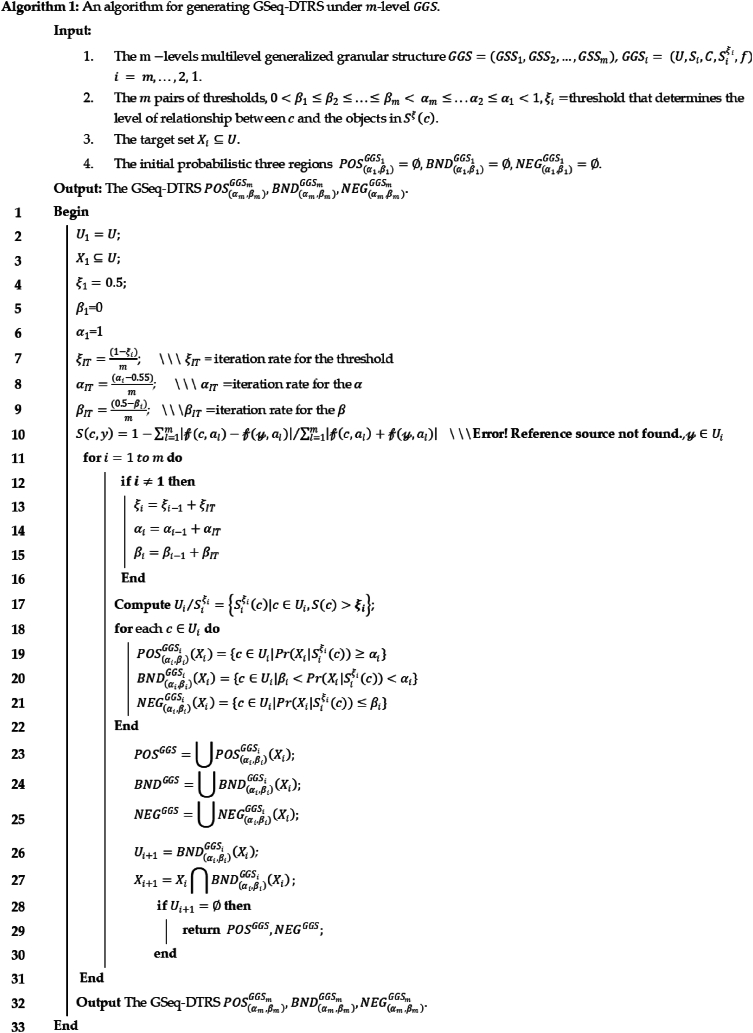 Figure 1
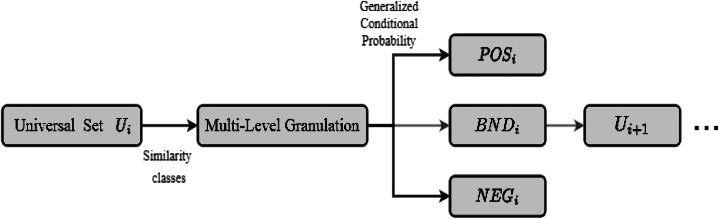 Figure 2
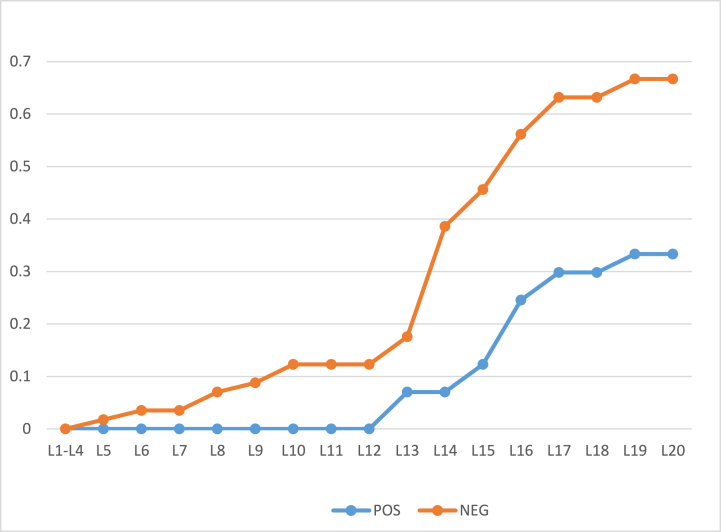 Figure 3
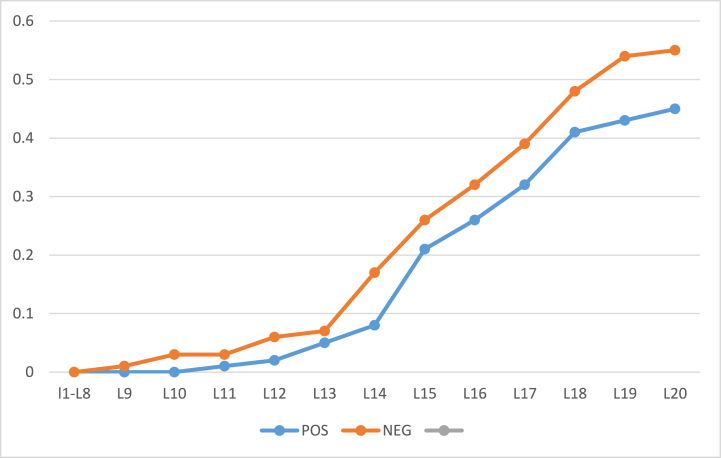 Figure 4
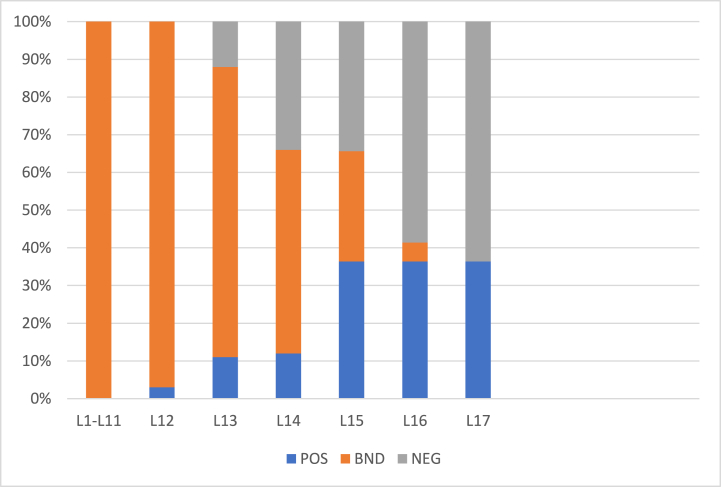 Figure 5
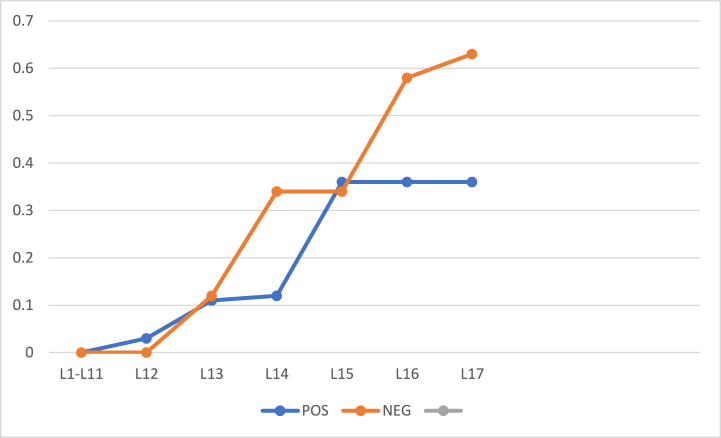 Figure 6
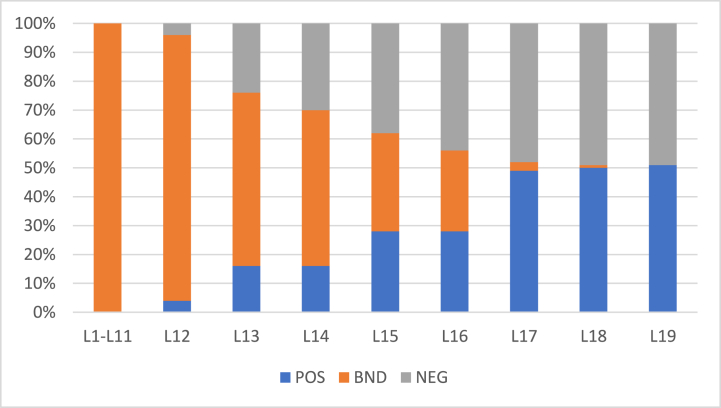 Figure 7
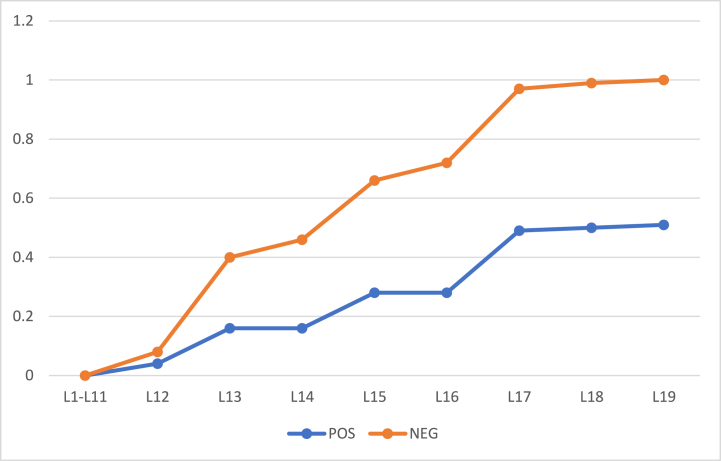 Figure 8
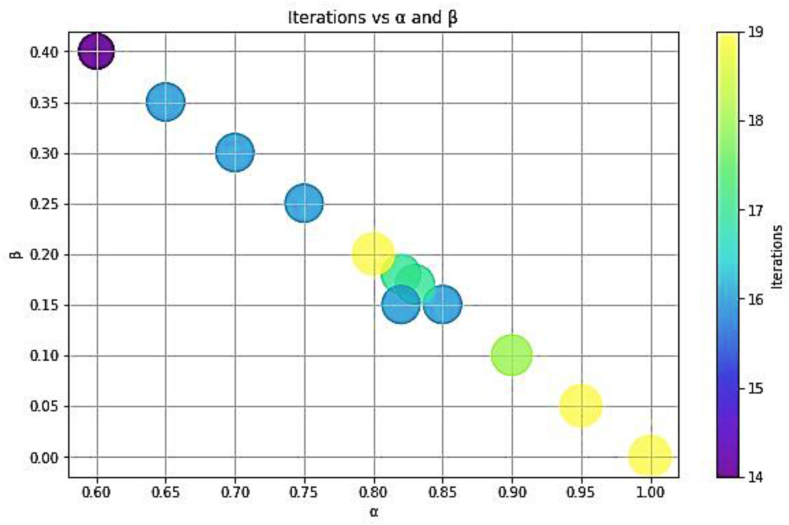 Figure 9
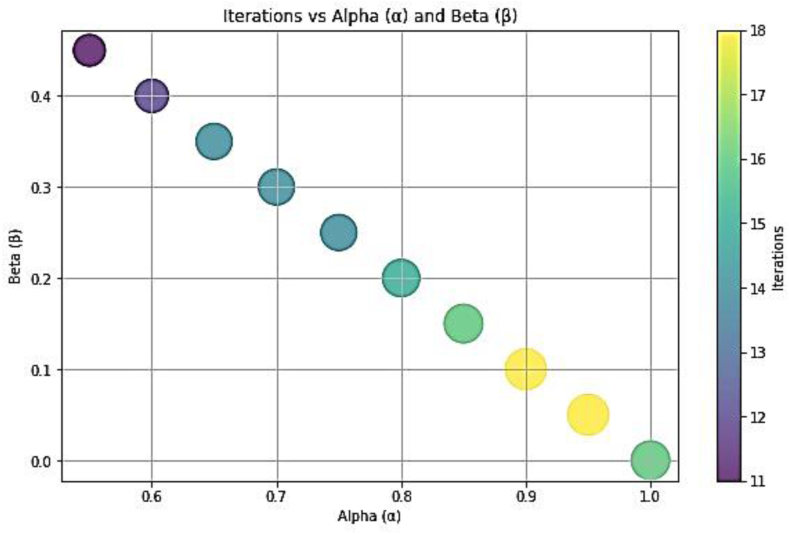 Figure 10
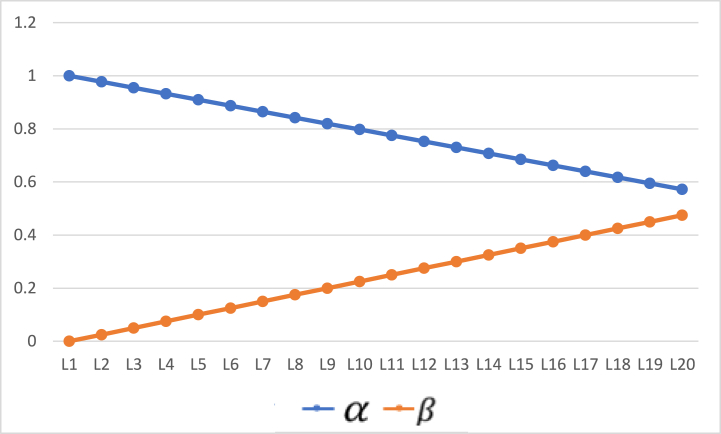 Figure 11
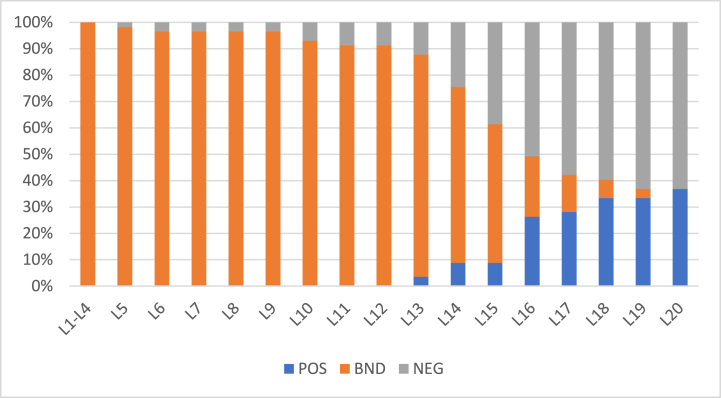 Figure 12
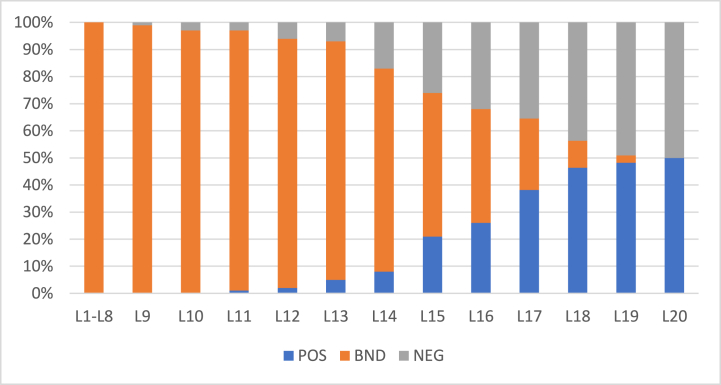 Figure 13
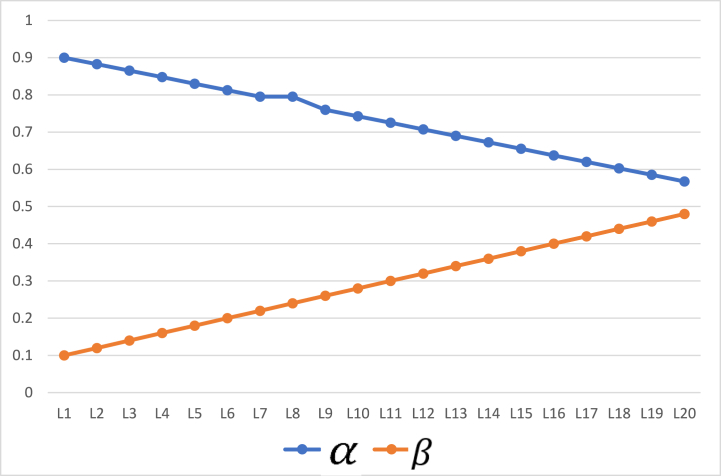 Figure 14
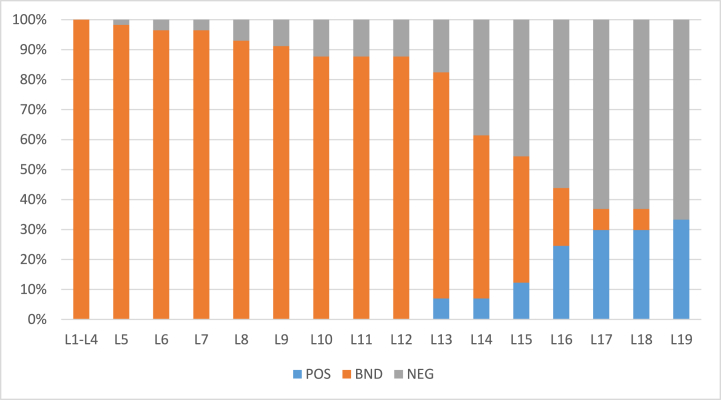 Figure 15
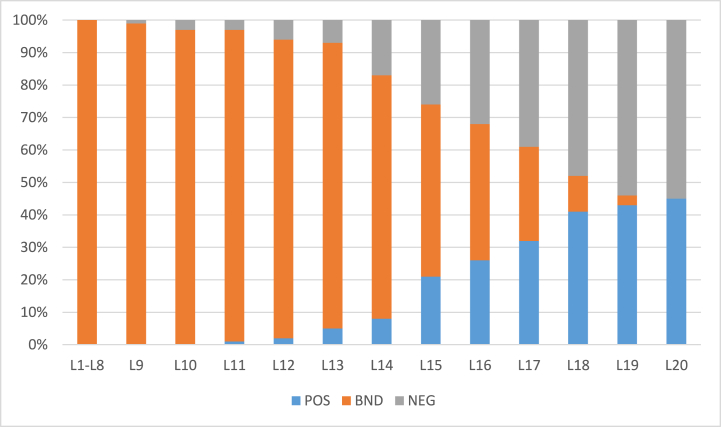 Figure 16
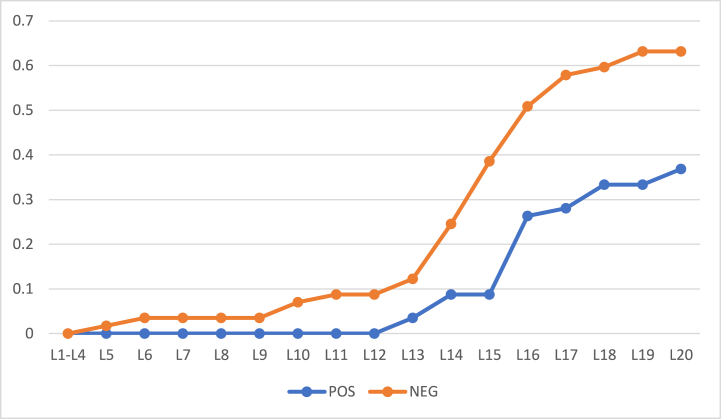 Figure 17
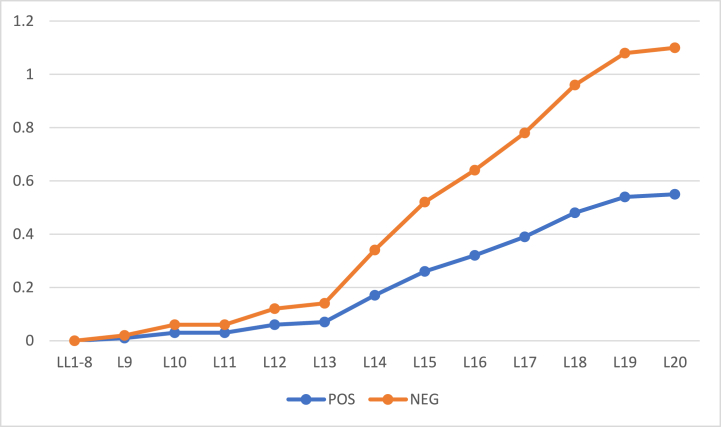 Figure 18
Peer Reviews
No public reviews on file for this paper yet. If you reviewed it on a platform where reviews are public (OpenReview, ICLR, NeurIPS, ICML), you can paste yours below so the community can read it here.
Videos
No videos yet. Explain this paper in a talk, walkthrough, or lecture? Add one.
Taxonomy
TopicsPhilosophy, Ethics, and Existentialism · French Literature and Critical Theory · French Literature and Criticism