Predicting language outcome at birth
Maria Clemencia Ortiz-Barajas

TL;DR
This study shows that brain activity in newborns can predict future language abilities, potentially helping identify language disorders early.
Contribution
The novel finding is that theta band neural activity at birth predicts later language comprehension abilities.
Findings
Theta band activation differences in newborns correlate with language comprehension at 12 and 18 months.
Early neural responses to language may help identify infants at risk for language disorders.
Abstract
Even though most children acquire language effortlessly, not all do. Nowadays, language disorders are difficult to diagnose before 3–4 years of age, because diagnosis relies on behavioral criteria difficult to obtain early in life. Using electroencephalography, I investigated whether differences in newborns’ neural activity when listening to sentences in their native language (French) and a rhythmically different unfamiliar language (English) relate to measures of later language development at 12 and 18 months. Here I show that activation differences in the theta band at birth predict language comprehension abilities at 12 and 18 months. These findings suggest that a neural measure of language discrimination at birth could be used in the early identification of infants at risk of developmental language disorders.
Genes, proteins, chemicals, diseases, species, mutations and cell lines named across the full text — each resolved to its canonical identifier and authoritative record.
Click any figure to enlarge with its caption.
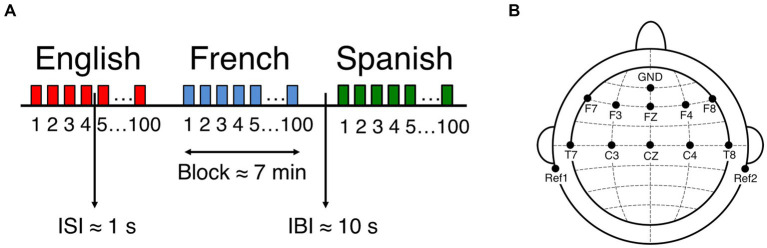 Figure 1
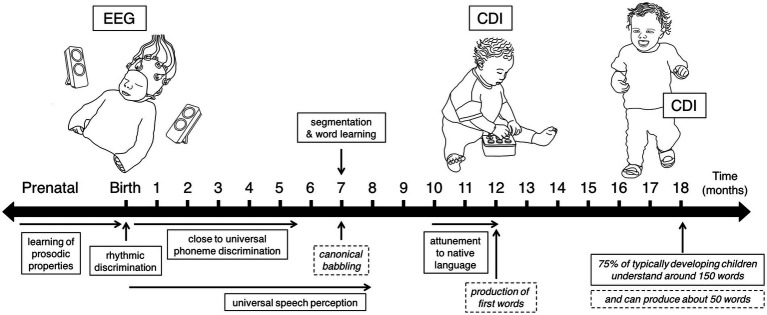 Figure 2
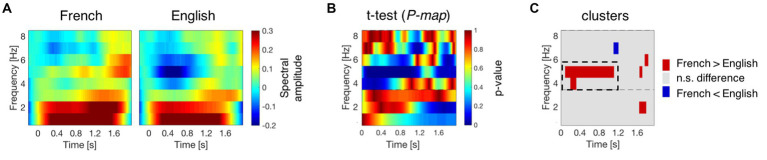 Figure 3
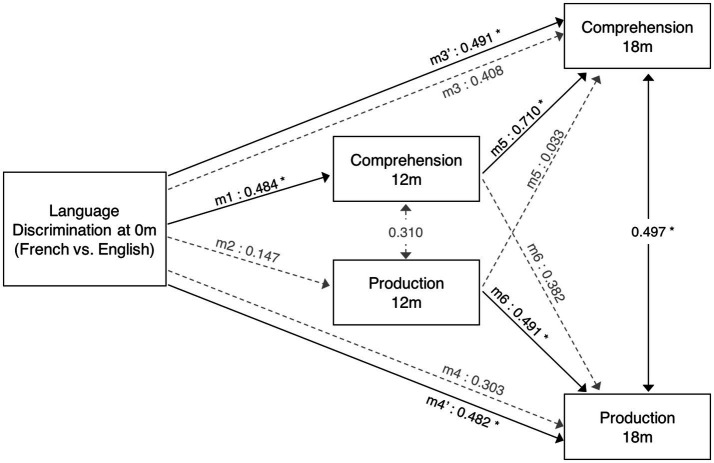 Figure 4
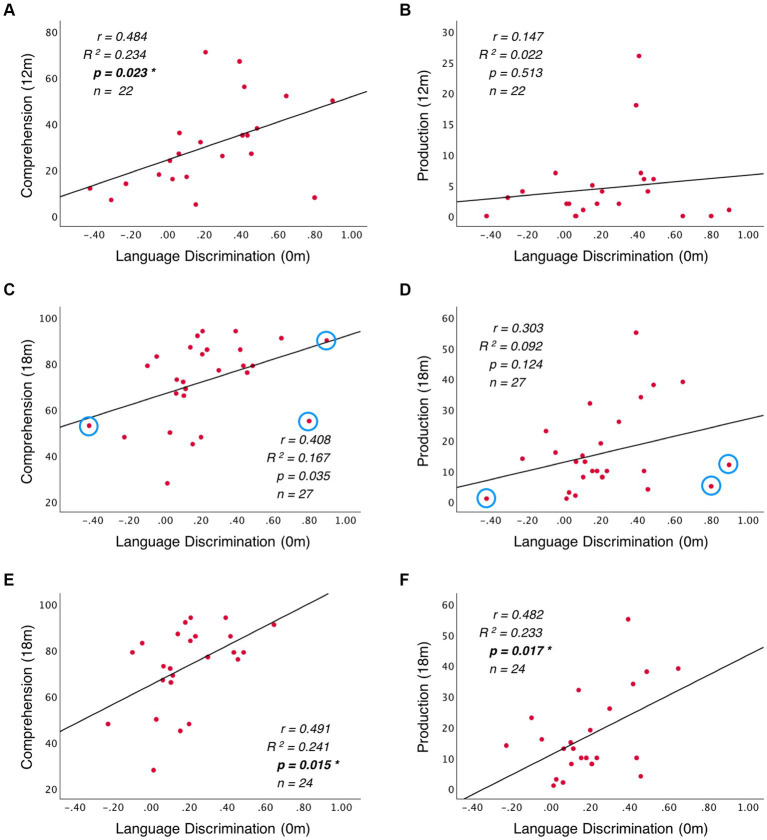 Figure 5
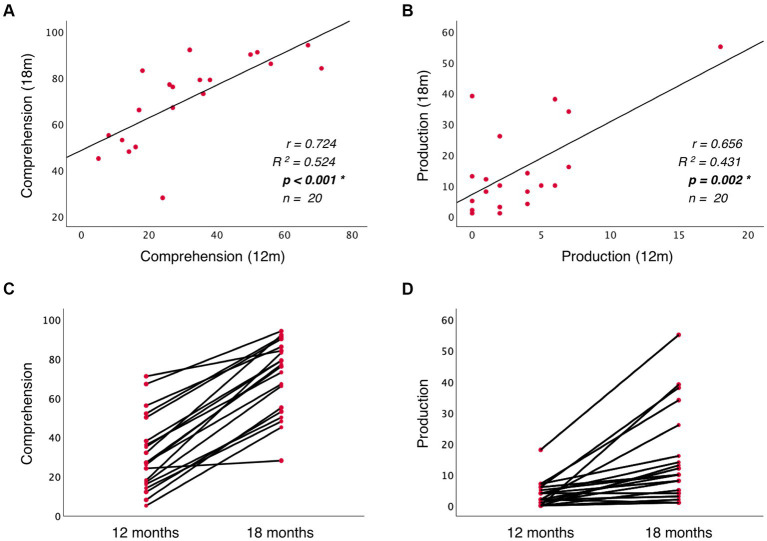 Figure 6
Peer Reviews
No public reviews on file for this paper yet. If you reviewed it on a platform where reviews are public (OpenReview, ICLR, NeurIPS, ICML), you can paste yours below so the community can read it here.
Videos
No videos yet. Explain this paper in a talk, walkthrough, or lecture? Add one.
Taxonomy
TopicsLanguage Development and Disorders · Reading and Literacy Development · Child and Animal Learning Development