Mixed-methods approach in evaluating safe abortion care services at public health facilities in North Shewa zone, central Ethiopia: a multicenter institutional cross-sectional study
Aklilu Tamire, Bezawit Birhanu, Abraham Negash, Mesay Dechasa, Awoke Masrie, Samrawit Shawel, Jerman Dereje, Tilaye Gebru, Obsan Kassa Tafesse, Dechasa Adare Mengistu, Addisu Sertsu, Dawit Wolde Daka

TL;DR
This study evaluates safe abortion care services in public health facilities in Ethiopia, finding good resource availability but mixed compliance and client satisfaction.
Contribution
The study provides a mixed-methods evaluation of safe abortion care services in Ethiopia, highlighting gaps in compliance and satisfaction.
Findings
Resource availability was excellent at 94%, aligning with national expectations.
Healthcare worker compliance with guidelines was fair at 62.3%, with poor adherence to respecting clients and taking vital signs.
Client satisfaction was 65%, with dissatisfaction regarding waiting time and counseling privacy.
Abstract
Of the 55.7 million abortions that were performed globally, 25.1 million (45.1%) were not safe. Nearly 97% of these took place in developing countries. Approximately 71% of economically developed countries allow safe abortion care (SAC) services, whereas only 16% of developing countries permit it. In sub-Saharan Africa, 92% of mothers live in 43 countries where SAC services are restricted by law. Most Ethiopian women continue to self-terminate unwanted pregnancies in hazardous conditions. The aim of this evaluation was to assess input, care providers’ compliance with national guidelines, and clients’ satisfaction. A multicenter cross-sectional study design with a mixed-methods approach was used. Seven public health facilities were randomly selected where 75 health caseworkers were directly observed; 296 clients and 14 key informants were interviewed, respectively. A resource inventory…
Genes, proteins, chemicals, diseases, species, mutations and cell lines named across the full text — each resolved to its canonical identifier and authoritative record.
Click any figure to enlarge with its caption.
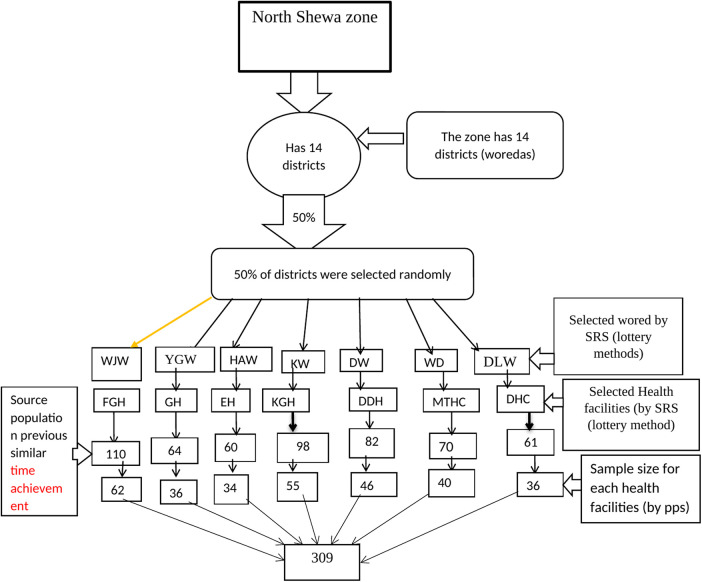 Figure 1
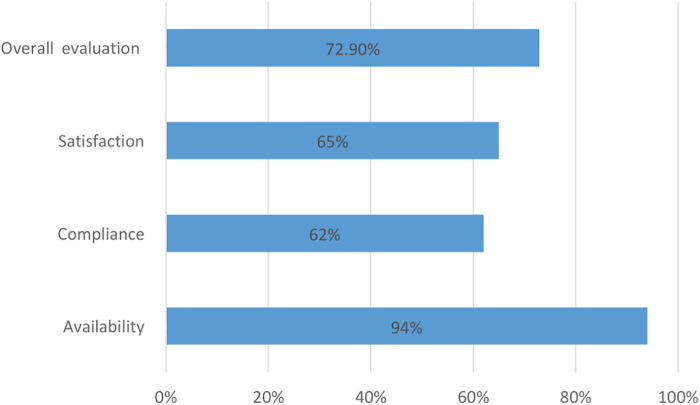 Figure 2
Peer Reviews
No public reviews on file for this paper yet. If you reviewed it on a platform where reviews are public (OpenReview, ICLR, NeurIPS, ICML), you can paste yours below so the community can read it here.
Videos
No videos yet. Explain this paper in a talk, walkthrough, or lecture? Add one.
Taxonomy
TopicsReproductive Health and Contraception · Global Maternal and Child Health · Maternal and Perinatal Health Interventions