Determinants of meconium-stained amniotic fluid among laboring mother in Ethiopia, systematic review and meta-analysis
Anteneh Gashaw, Yayeh Adamu, Yohanes Sime, Belete Destaw

TL;DR
This study reviews the prevalence and factors associated with meconium-stained amniotic fluid in Ethiopia, finding a 20% overall rate and a strong link to pregnancy-induced hypertension.
Contribution
The study provides the first aggregated national prevalence of meconium-stained amniotic fluid in Ethiopia and identifies key risk factors.
Findings
The pooled prevalence of meconium-stained amniotic fluid among laboring mothers in Ethiopia is 20%.
Pregnancy-induced hypertension is strongly associated with meconium-stained amniotic fluid, with an odds ratio of 6.21.
The highest prevalence of meconium-stained amniotic fluid was observed in the Oromia region.
Abstract
Meconium-stained amniotic fluid (MSAF) occurs during childbirth when the amniotic fluid carries traces of meconium, the initial stool passed by a newborn. Often signaling fetal distress, MSAF is linked to heightened risks for both the mother and the newborn. In Ethiopia, there is insufficient attention given to this condition. Despite varied study results indicating a considerable range in MSAF occurrences, there is an absence of a comprehensive national overview. Therefore, this systematic review and meta-analysis aim to evaluate the aggregated prevalence of meconium-stained amniotic fluid among laboring mothers and its influencing factors in Ethiopia, providing a consolidated understanding for healthcare strategies and policies. Following PRISMA guidelines, a systematic review and meta-analysis were executed. Extensive literature searches were conducted on PubMed, Google Scholar, and…
Genes, proteins, chemicals, diseases, species, mutations and cell lines named across the full text — each resolved to its canonical identifier and authoritative record.
Click any figure to enlarge with its caption.
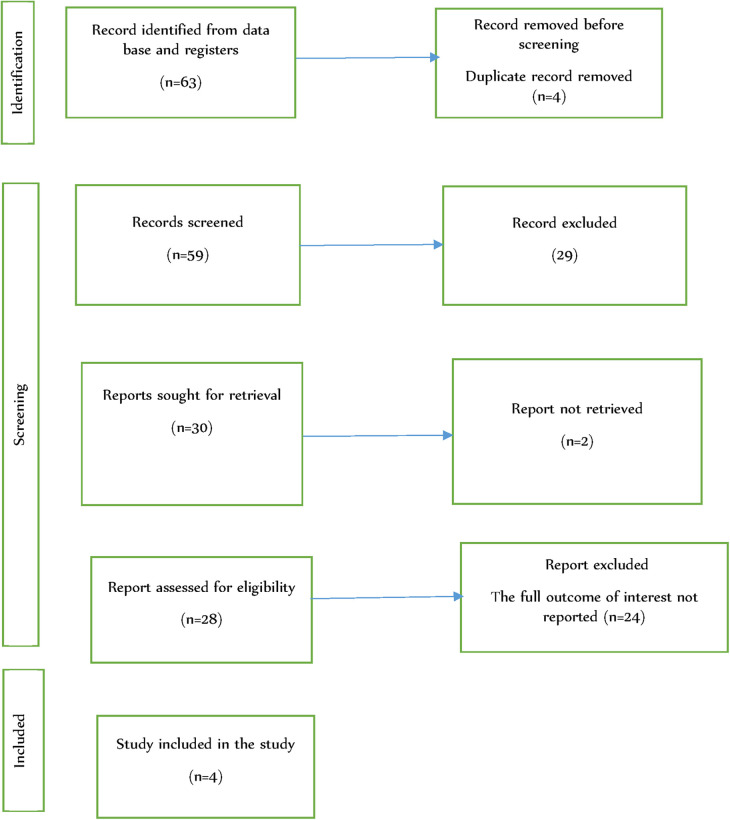 Figure 1
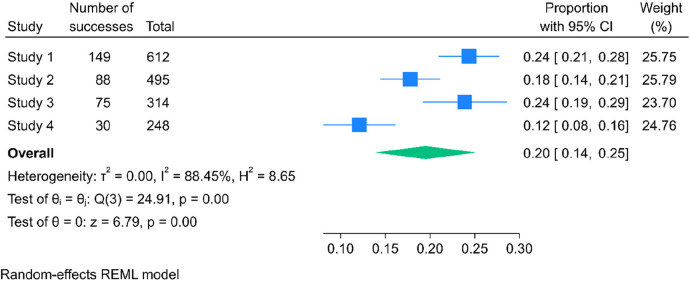 Figure 2
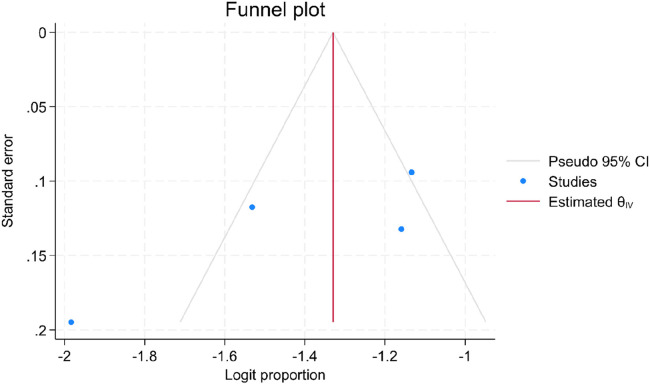 Figure 3
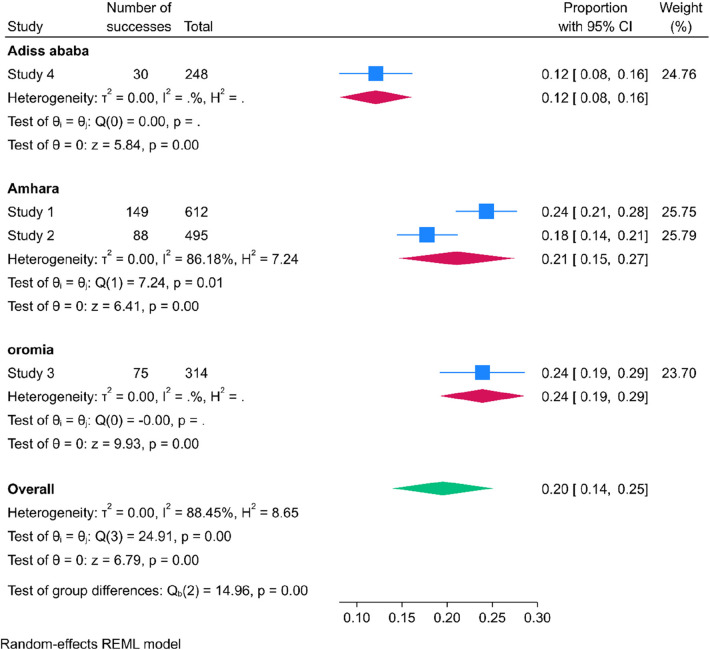 Figure 4
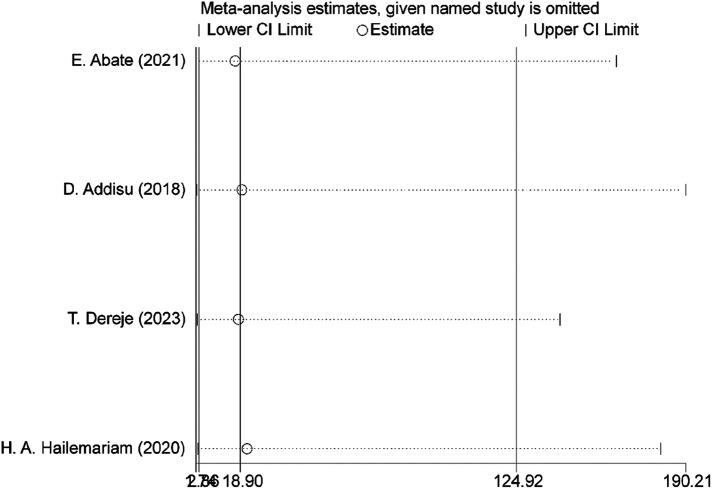 Figure 5
Peer Reviews
No public reviews on file for this paper yet. If you reviewed it on a platform where reviews are public (OpenReview, ICLR, NeurIPS, ICML), you can paste yours below so the community can read it here.
Videos
No videos yet. Explain this paper in a talk, walkthrough, or lecture? Add one.
Taxonomy
TopicsGlobal Maternal and Child Health · Maternal and Perinatal Health Interventions · Pregnancy and preeclampsia studies