Use of Split-Thickness Skin Grafts and Autologous Skin Cell Suspension in a Case of Extensive Fournier Gangrene
Connor J English, Oluwafolaranmi E Sodade, Cindy L Austin, Krisi A Causa

TL;DR
This paper describes a successful treatment of a severe genital infection using skin grafts and cell suspension.
Contribution
The paper presents a novel application of autologous skin cell suspension alongside traditional skin grafting for Fournier gangrene.
Findings
Combining ASCS with STSG led to excellent wound healing in a complex Fournier gangrene case.
The treatment was effective despite challenges like wound size and patient comorbidities.
Abstract
Fournier gangrene (FG) is a life-threatening necrotizing soft-tissue infection of the perineum and external genitalia, which primarily occurs in obese, diabetic males. The mainstay of treatment is source control via early aggressive surgical excision. Wide surgical excision can result in significant soft tissue defects that can be disfiguring and difficult to close. The most common method of closure is split-thickness skin grafting (STSG). Recently, autologous skin cell suspension (ASCS) technology has been used in addition to STSG to provide better wound healing and closure. This patient experienced excellent wound progression, following FG, through the application of ASCS with STSG, despite challenges related to the wounds, anatomical location, comorbidities, size, and the patient’s medical history.
Genes, proteins, chemicals, diseases, species, mutations and cell lines named across the full text — each resolved to its canonical identifier and authoritative record.
Click any figure to enlarge with its caption.
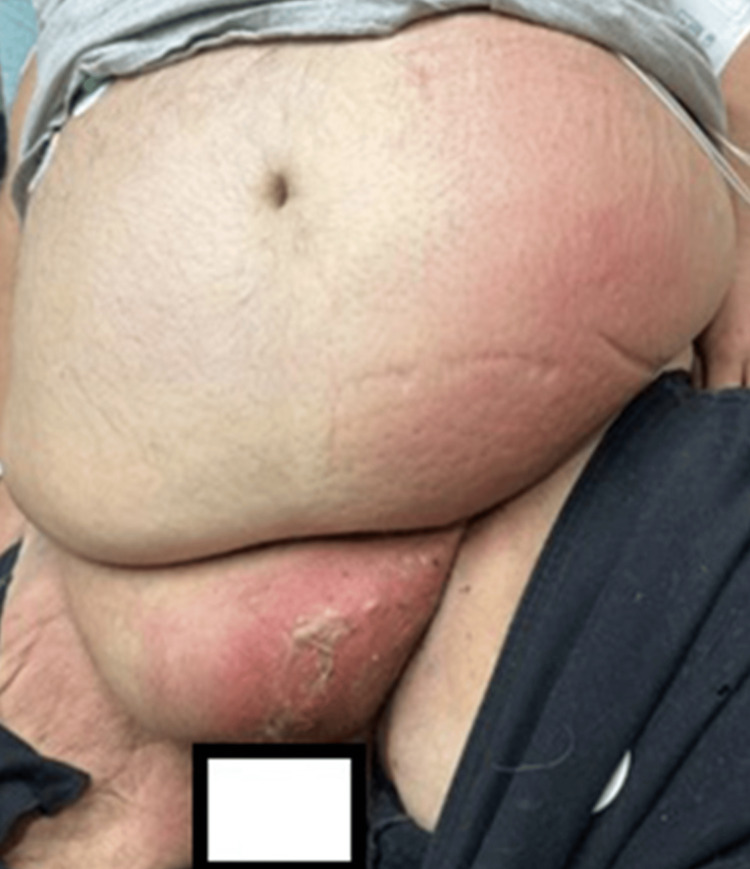 Figure 1
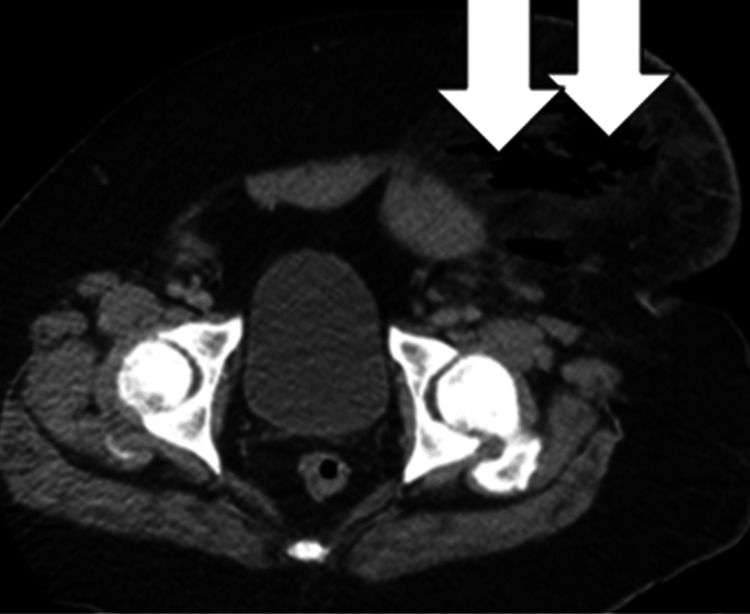 Figure 2
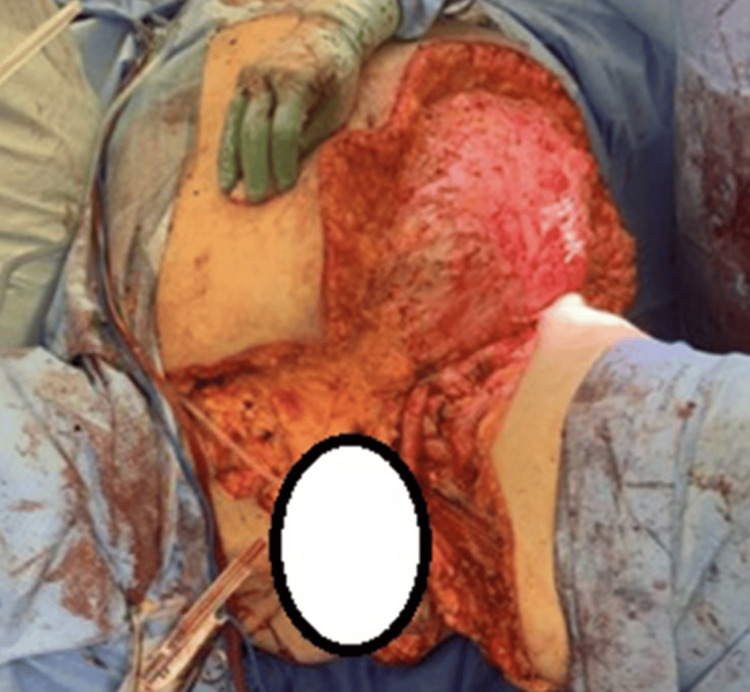 Figure 3
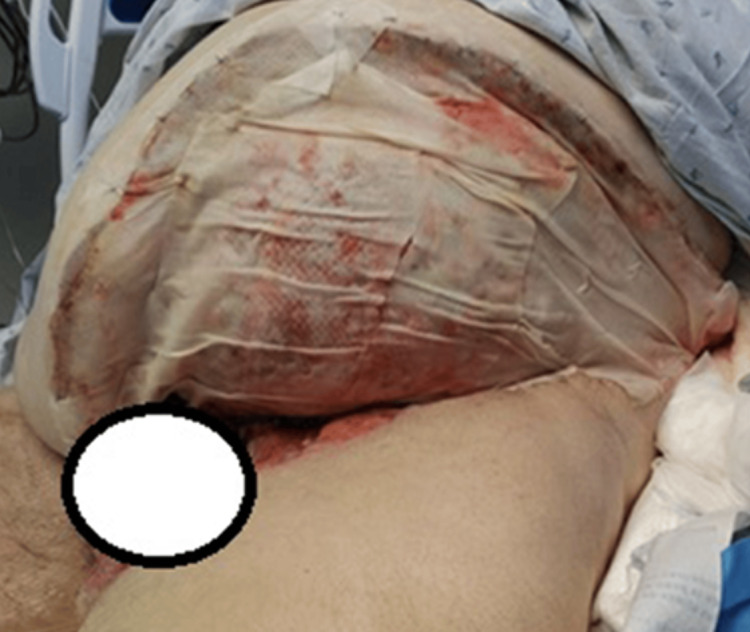 Figure 4
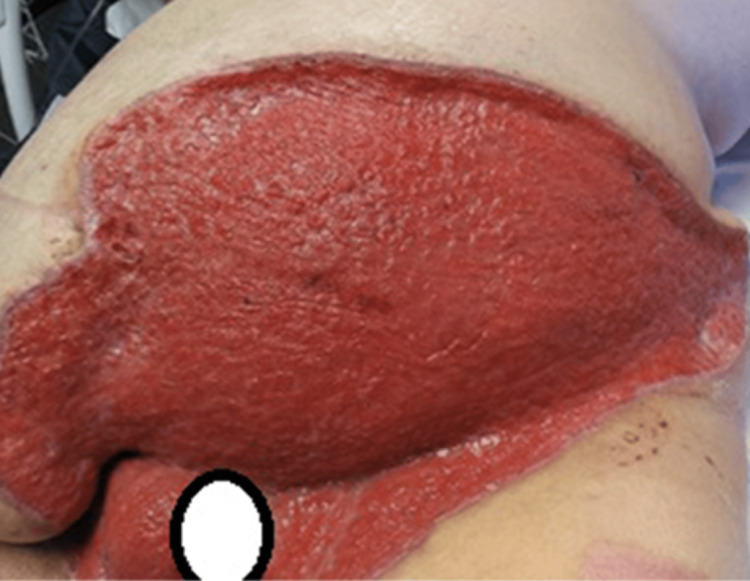 Figure 5
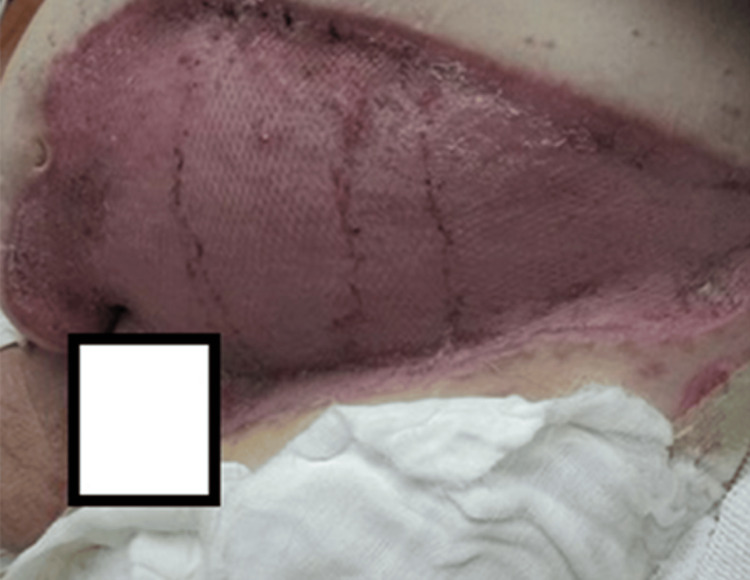 Figure 6
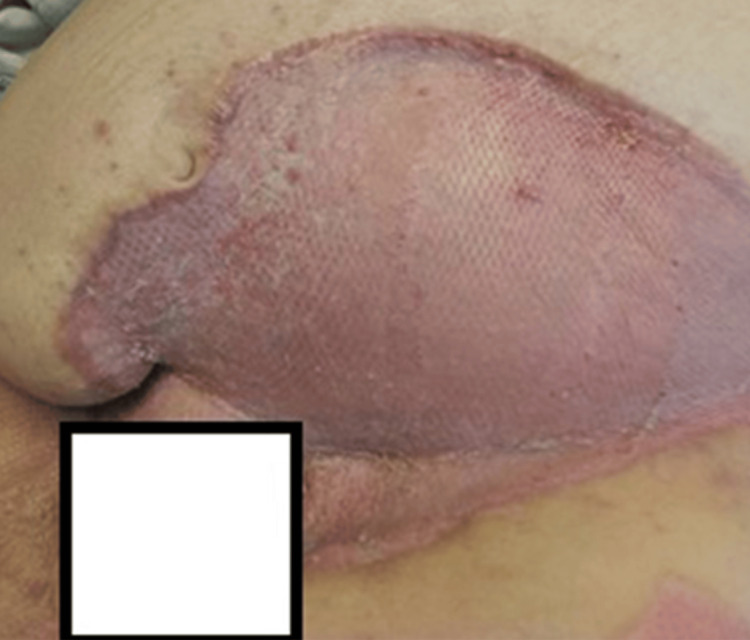 Figure 7
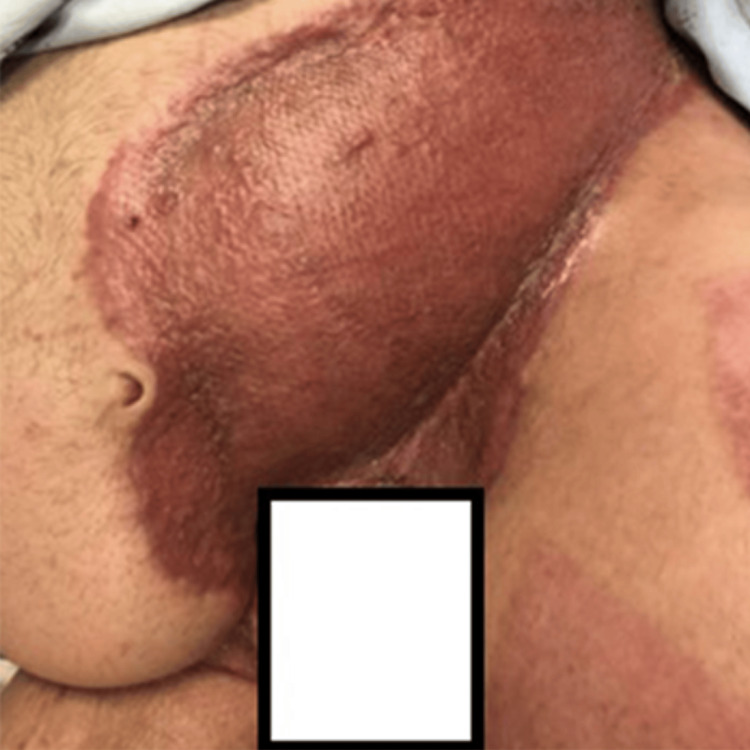 Figure 8
Peer Reviews
No public reviews on file for this paper yet. If you reviewed it on a platform where reviews are public (OpenReview, ICLR, NeurIPS, ICML), you can paste yours below so the community can read it here.
Videos
No videos yet. Explain this paper in a talk, walkthrough, or lecture? Add one.
Taxonomy
TopicsStreptococcal Infections and Treatments · Bacterial Identification and Susceptibility Testing · Botulinum Toxin and Related Neurological Disorders