Feeling a Little Blue After Ablation: Iatrogenic Atrial Septal Defect With Right-to-Left Shunt Following Atrial Fibrillation Ablation
Lindsey Nguyen, Andrew Arbogast, Hayden Ivey, Amanda Frugoli, Jonathan Dukes

TL;DR
A patient developed a heart defect after an ablation procedure but recovered without intervention, showing that even high-risk cases can heal on their own.
Contribution
This case highlights spontaneous closure of an iatrogenic atrial septal defect in a high-risk patient, expanding understanding of its natural history.
Findings
Persisting iASD may occur in 5%-20% of patients after ablation.
Spontaneous closure is possible even in high-risk patients with right-to-left shunting.
Intervention is recommended for iASD larger than 8 mm or with hypoxemia.
Abstract
Atrial fibrillation is the most common cardiac arrhythmia. Cardiac ablation is indicated for patients refractory to medical management. During the ablation process, a transseptal puncture is utilized to access and isolate the pulmonary veins, which results in a temporary iatrogenic atrial septal defect (iASD). Generation of an iASD is considered unavoidable and is a generally accepted risk due to high rates of spontaneous closure. Studies have shown that persisting iASD may occur in 5%-20% of patients for up to nine to 12 months after undergoing radiofrequency ablation and that spontaneous rates of closure are high in patients with normal intracardiac pressures. Patients with preexisting elevated right intracardiac pressures from pulmonary hypertension or other right-sided cardiac pathology are at an increased risk of complications from iASD. These increased pressures can lead to…
Genes, proteins, chemicals, diseases, species, mutations and cell lines named across the full text — each resolved to its canonical identifier and authoritative record.
Click any figure to enlarge with its caption.
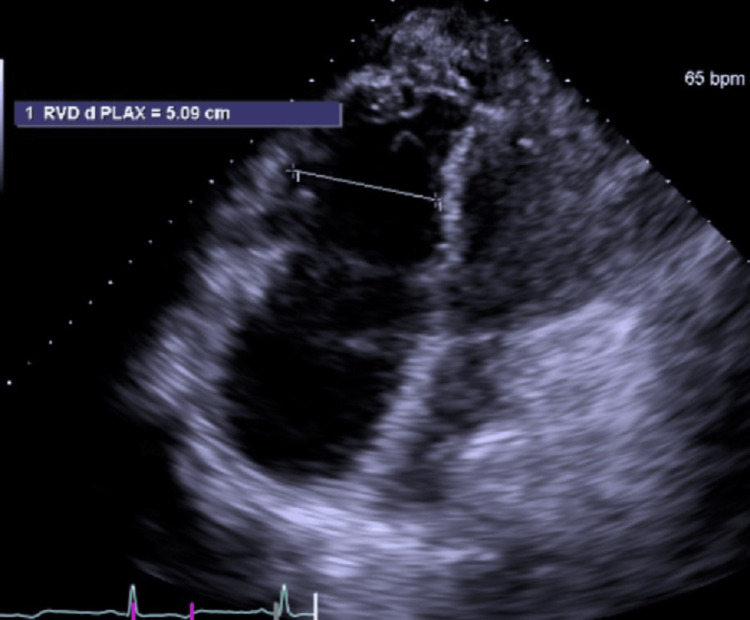 Figure 1
Peer Reviews
No public reviews on file for this paper yet. If you reviewed it on a platform where reviews are public (OpenReview, ICLR, NeurIPS, ICML), you can paste yours below so the community can read it here.
Videos
No videos yet. Explain this paper in a talk, walkthrough, or lecture? Add one.
Taxonomy
TopicsAtrial Fibrillation Management and Outcomes · Cardiac Arrhythmias and Treatments · Cardiovascular and Diving-Related Complications