Abdominal Wall Hernias Following High-intensity Focused Ultrasound Therapy: Three Case Reports
Woo Yeon Han, Yeongsong Kim, Pyeong Hwa Kim, Eun Key Kim

TL;DR
This paper reports three rare cases of abdominal wall hernias following high-intensity focused ultrasound therapy for uterine conditions.
Contribution
The novelty lies in highlighting abdominal wall hernias as a previously underreported complication of HIFU therapy.
Findings
Three cases of abdominal wall hernias occurred after HIFU therapy for uterine adenomyosis or fibroids.
Diagnosis was delayed due to vague symptoms and lack of clinical suspicion.
Abdominal wall hernia should be considered as a possible complication following HIFU therapy.
Abstract
Although many studies reported the safety and efficacy of high-intensity focused ultrasound (HIFU) therapy, there are still worries about internal organ injury. However, reports of abdominal wall hernias after HIFU therapy are rare. We present three cases of abdominal wall hernias without skin injury after HIFU therapy in uterine adenomyosis or fibroids. The diagnosis was often delayed because of vague symptoms, inadequate clinical suspicion, and delayed proper image studies. Abdominal wall hernia should be recognized as a possible complication after HIFU and be suspected when the patient presents with unordinary abdominal swelling and/or pain that lasts for more than a few months after the procedure.
Genes, proteins, chemicals, diseases, species, mutations and cell lines named across the full text — each resolved to its canonical identifier and authoritative record.
Click any figure to enlarge with its caption.
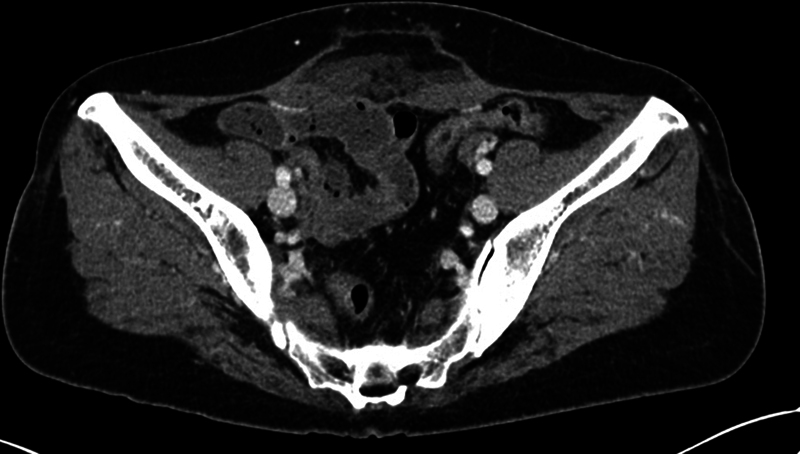 Figure 1
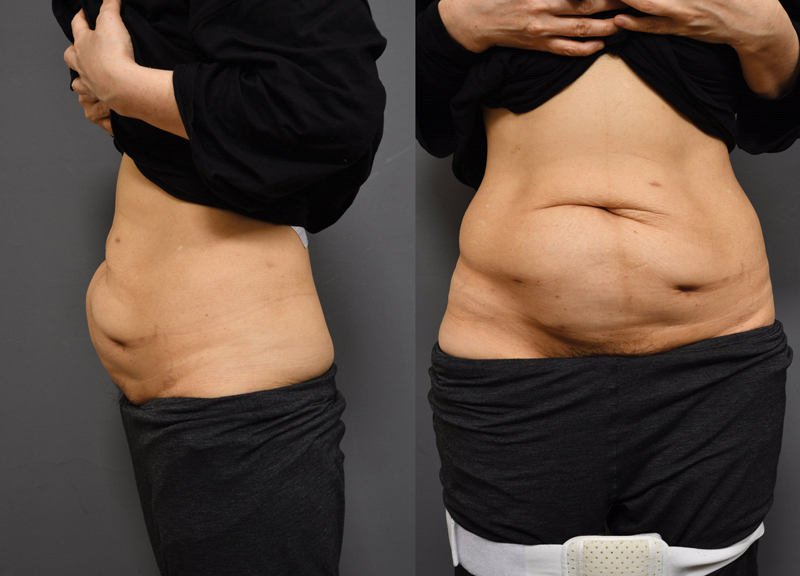 Figure 2
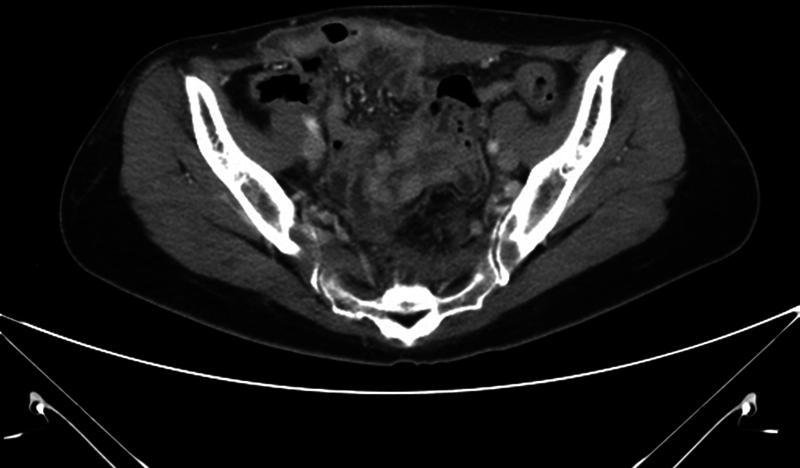 Figure 3
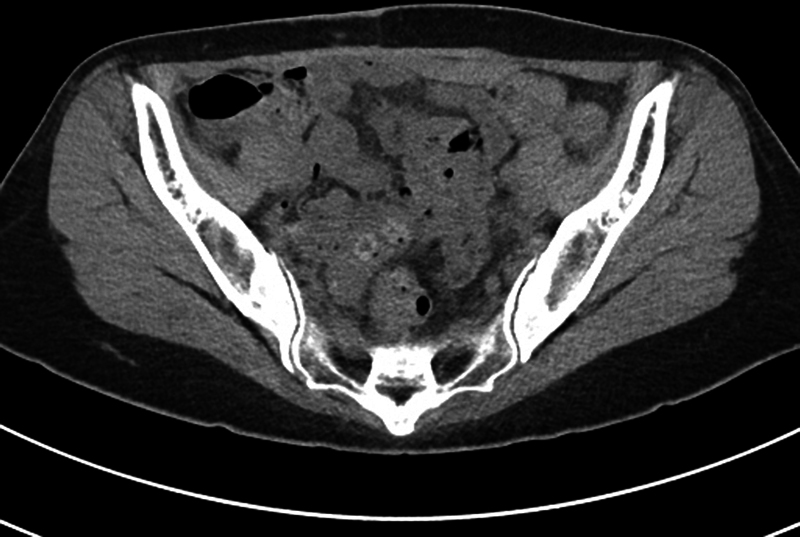 Figure 4
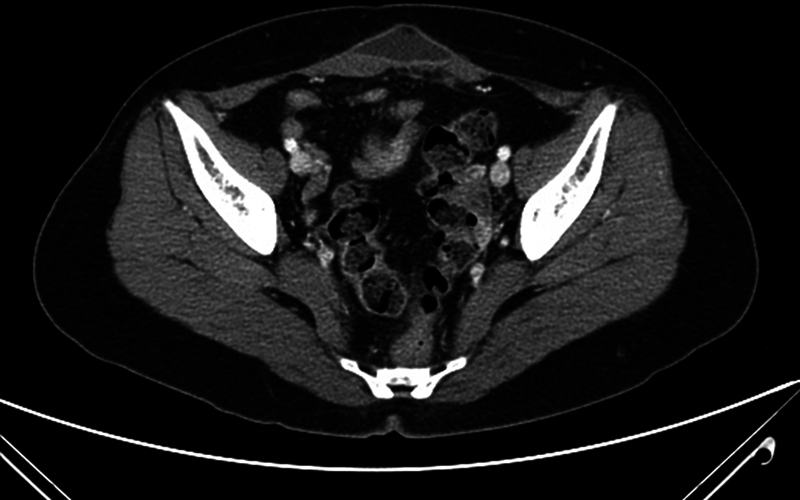 Figure 5
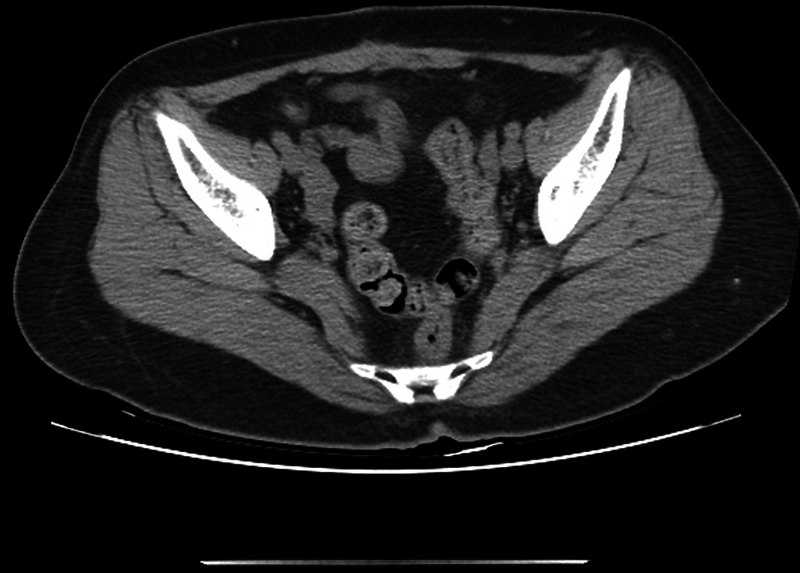 Figure 6
Peer Reviews
No public reviews on file for this paper yet. If you reviewed it on a platform where reviews are public (OpenReview, ICLR, NeurIPS, ICML), you can paste yours below so the community can read it here.
Videos
No videos yet. Explain this paper in a talk, walkthrough, or lecture? Add one.
Taxonomy
TopicsHernia repair and management · Intestinal and Peritoneal Adhesions · Minimally Invasive Surgical Techniques