Modeling of culture conditions by culture system, glucose and propionic acid and their impact on metabolic profile in IPEC-J2
Shirko Marcel Shokr, Stefan Kahlert, Jeannette Kluess, Johannes Hradsky, Sven Dänicke, Hermann-Josef Rothkötter, Constanze Nossol

TL;DR
This study investigates how culture conditions, glucose, and propionic acid affect the metabolism of intestinal cells and the expression of fatty acid receptors in pigs.
Contribution
The study provides first-time evidence of FFAR2 and FFAR3 in IPEC-J2 cells and explores their expression patterns in porcine gut segments.
Findings
FFAR2 and FFAR3 are expressed in porcine gut smooth muscle cells and enteric nerve systems.
FFAR3 is strongly expressed on endothelial cells of veins and lymphatic vessels but not on arteries.
Cultivation system has a greater impact on cell metabolism than medium composition or nutrition.
Abstract
The microbiological environment and their corresponding secreted metabolite spectrum are an essential modulator of the enterocyte function, effecting the whole organism. Intestinal porcine jejunal epithelial cell line (IPEC-J2) is an established in vitro model for differentiation of enterocytes in different cell culture models. An improved oxygen supply seems to be the main reason for differentiation in an air-liquid-interface culture, but this has not yet been conclusively clarified. In this context, the nutrition of the cell and its influence on the metabolism is also of crucial importance. The interest in short-chain fatty acids (SCFAs) has grown steadily in recent years due to their clinical relevance in certain diseases such as multiple sclerosis and other inflammatory diseases, but not much is known of FFAR2 and FFAR3 (free fatty acid receptor 2 and 3) in pigs. We want to address…
Genes, proteins, chemicals, diseases, species, mutations and cell lines named across the full text — each resolved to its canonical identifier and authoritative record.
Click any figure to enlarge with its caption.
 Figure 1
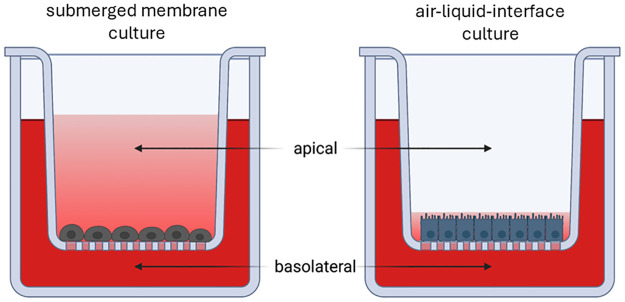 Figure 2
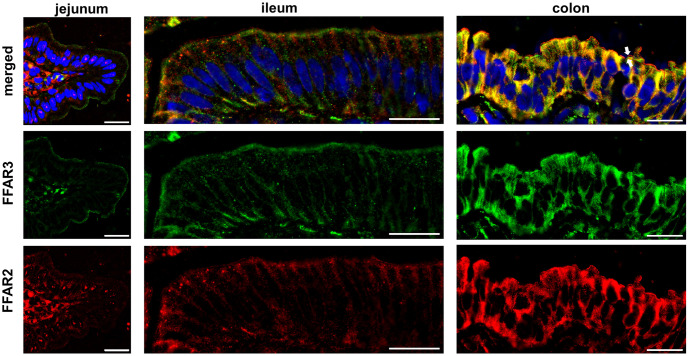 Figure 3
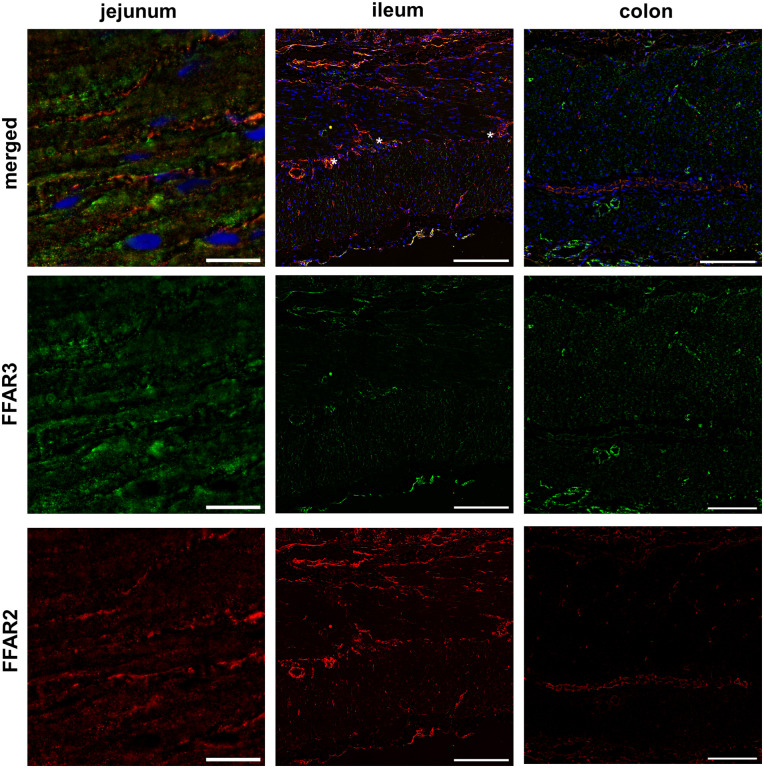 Figure 4
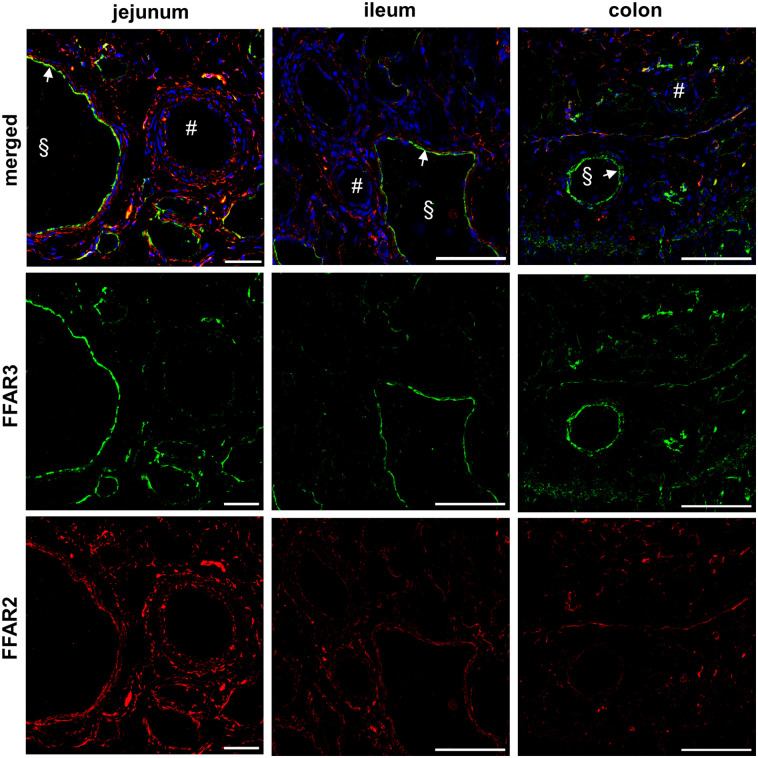 Figure 5
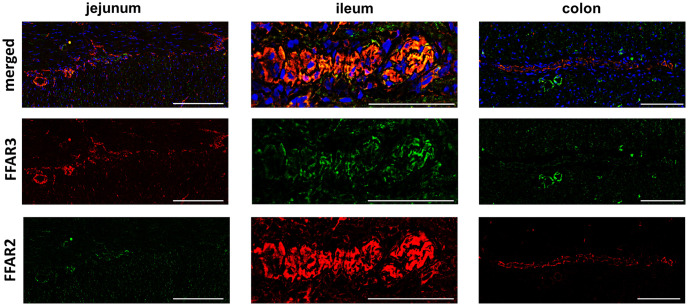 Figure 6
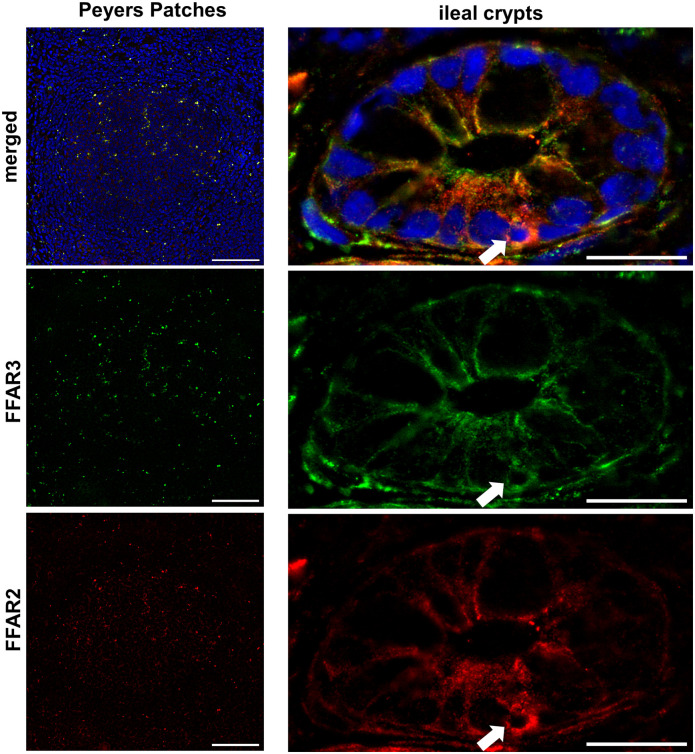 Figure 7
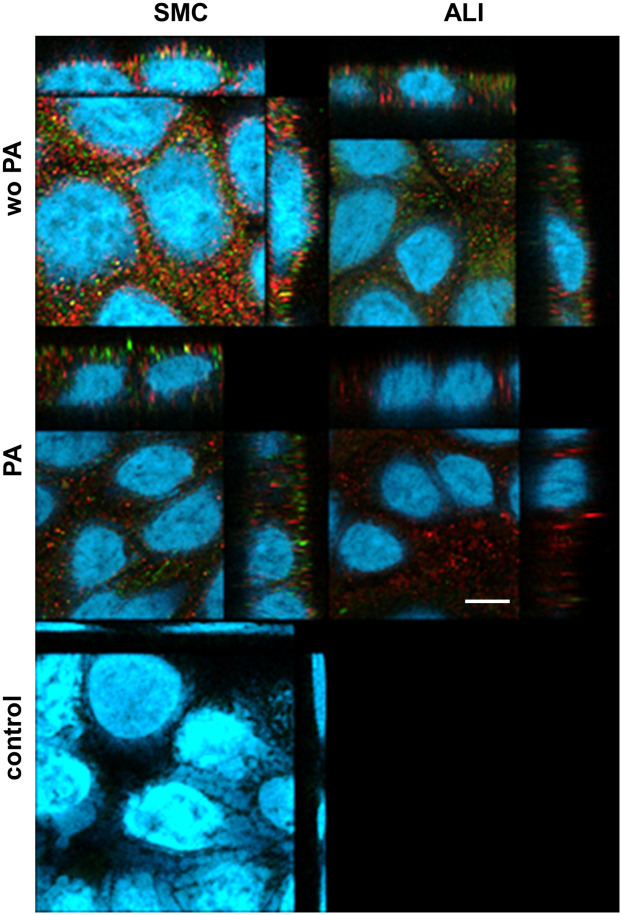 Figure 8
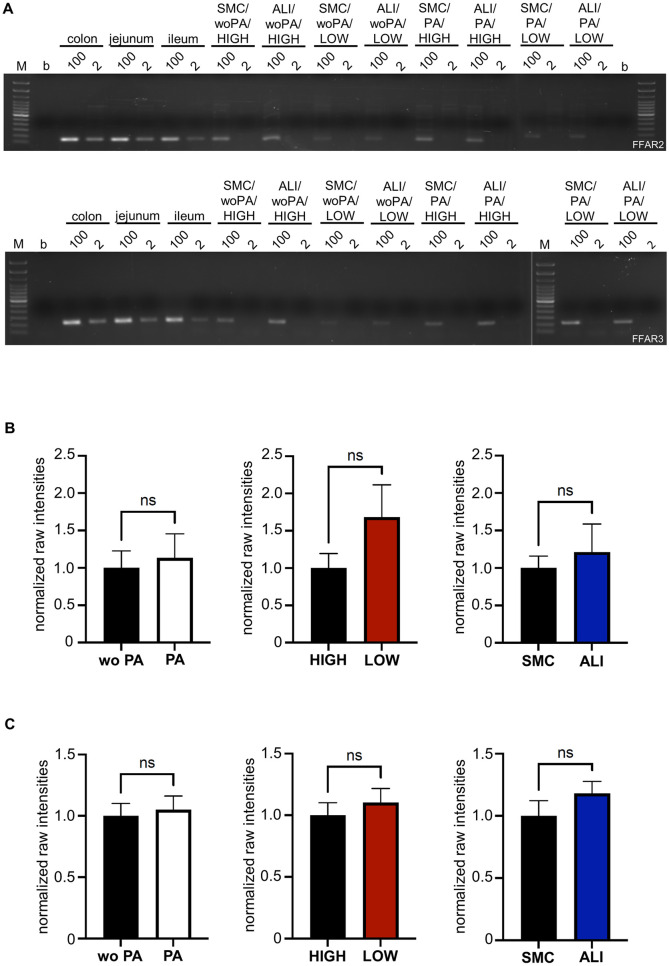 Figure 9
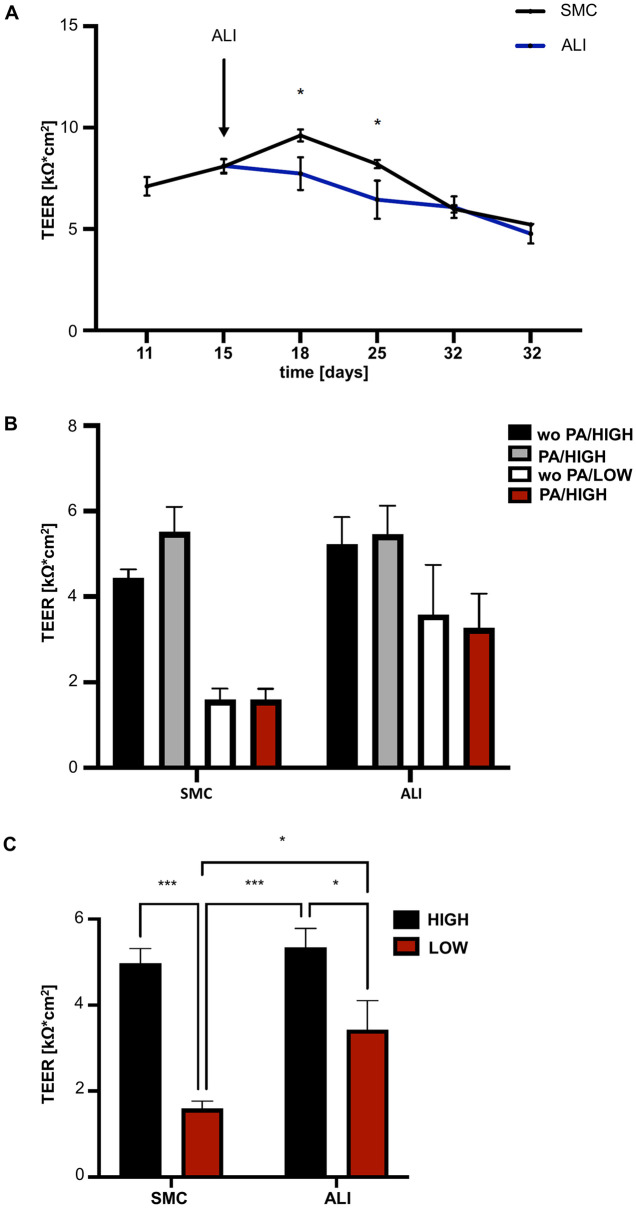 Figure 10
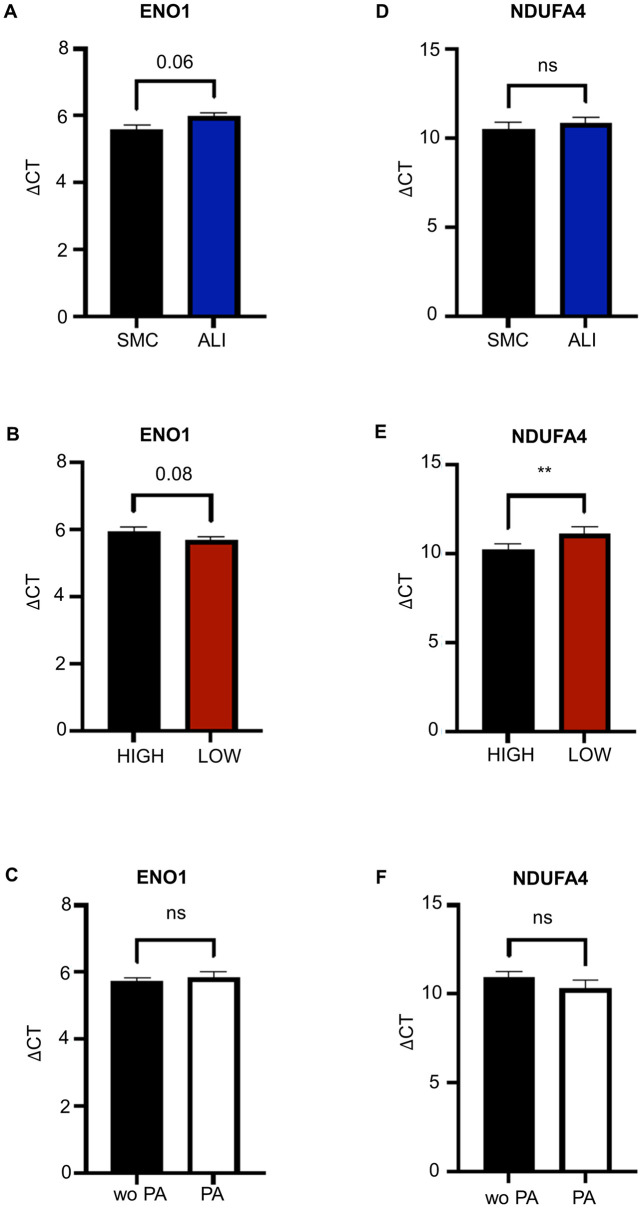 Figure 11
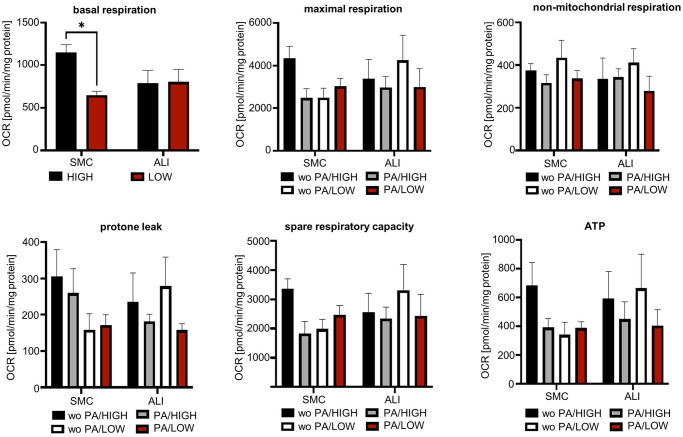 Figure 12
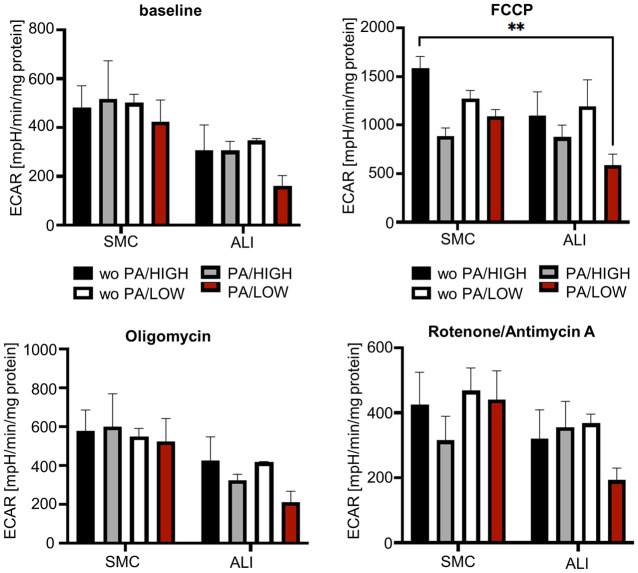 Figure 13
 Figure 14
 Figure 15
Peer Reviews
No public reviews on file for this paper yet. If you reviewed it on a platform where reviews are public (OpenReview, ICLR, NeurIPS, ICML), you can paste yours below so the community can read it here.
Videos
No videos yet. Explain this paper in a talk, walkthrough, or lecture? Add one.
Taxonomy
TopicsClinical Nutrition and Gastroenterology · Diet and metabolism studies · Helicobacter pylori-related gastroenterology studies