Suppression of Ehrlich ascites tumor cell proliferation via G1 arrest induced by dietary nucleic acid-derived nucleosides
Nahoko Shiomi, Mamia Furuta, Yutaro Sasaki, Isao Matsui-Yuasa, Keisuke Kiriyama, Mica Fujita, Keita Sutoh, Akiko Kojima-Yuasa

TL;DR
This study shows that nucleosides from dietary nucleic acids can stop cancer cell growth by causing G1 phase arrest in the cell cycle.
Contribution
The novel finding is that guanosine and 2’-deoxyguanosine induce G1 arrest via C/EBPβ activation in Ehrlich ascites tumor cells.
Findings
RNA and DNA hydrolysate show anti-proliferative effects in mouse and in vitro models.
Guanosine and 2’-deoxyguanosine inhibit cancer cell progression from G1 to S phase.
C/EBPβ is activated and translocates to the nucleus in response to these nucleosides.
Abstract
The nucleic acids found in food play a crucial role in maintaining various bodily functions. This study investigated the potential anticancer effects of dietary nucleic acids, an area that is still not fully understood. By utilizing an in vivo mouse model and an in vitro cell model, we discovered an anti-proliferative impact of RNA in both systems. DNA exhibited anti-proliferative effects in the mouse model, while this phenomenon wasn’t observed in the in vitro cell model using Ehrlich ascites tumor (EAT) cells. Conversely, DNA hydrolysate demonstrated distinct anti-proliferative effects in EAT cells, suggesting that nucleotides or nucleosides generated during nucleic acid digestion act as active constituents. Furthermore, we examined various nucleosides and two sodium-independent equilibrative nucleoside transporter inhibitors (ENTs), identifying guanosine and 2’-deoxyguanosine as…
Genes, proteins, chemicals, diseases, species, mutations and cell lines named across the full text — each resolved to its canonical identifier and authoritative record.
Click any figure to enlarge with its caption.
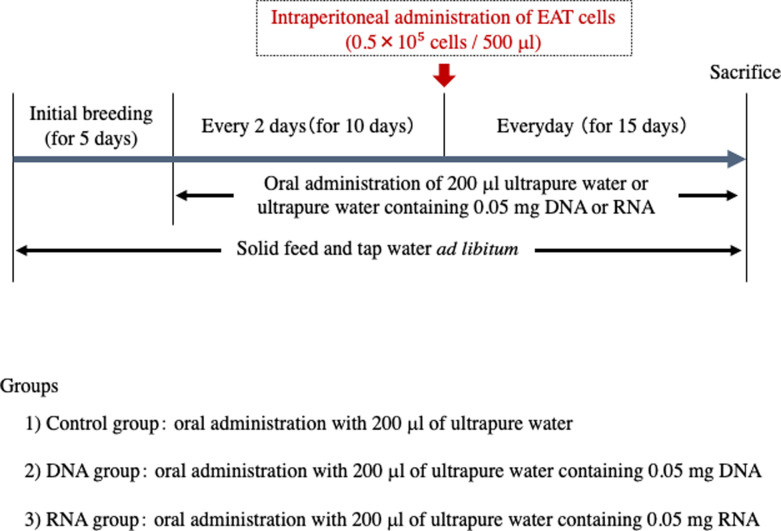 Figure 1
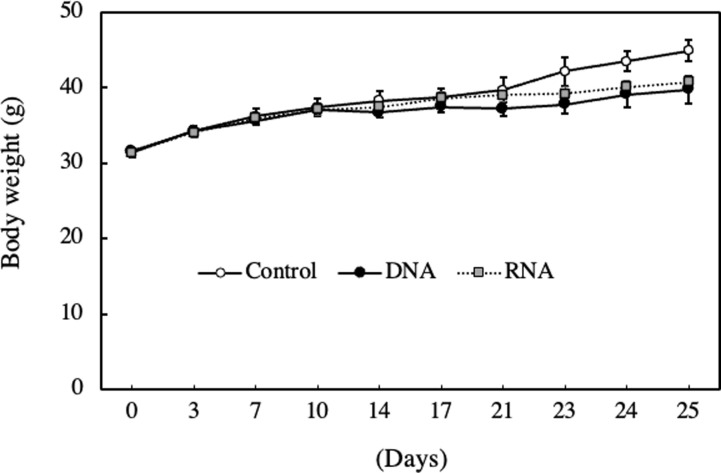 Figure 2
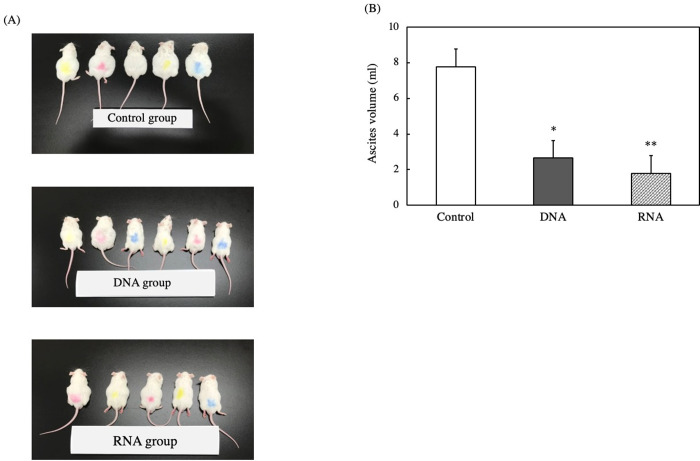 Figure 3
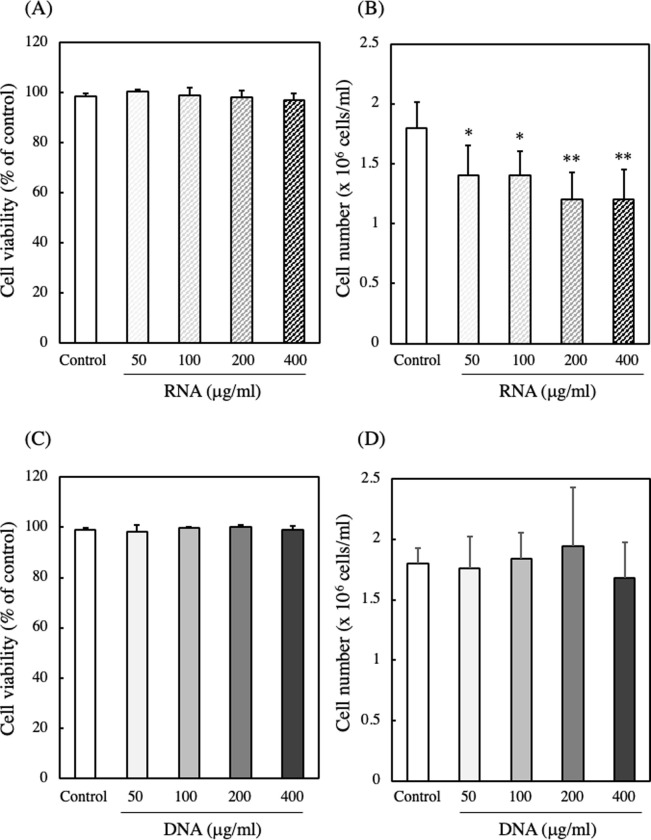 Figure 4
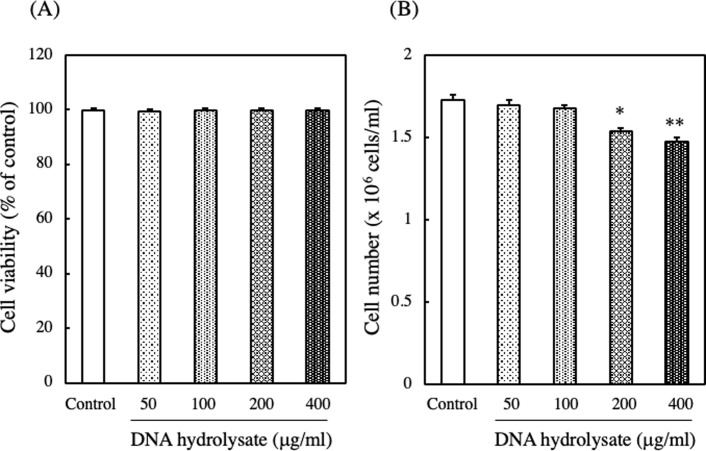 Figure 5
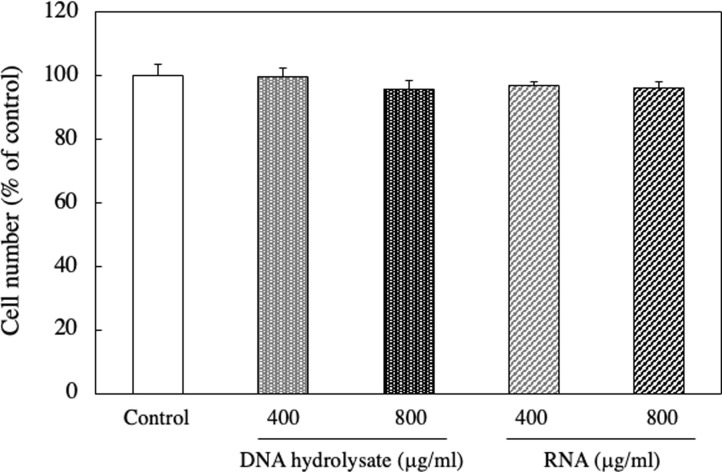 Figure 6
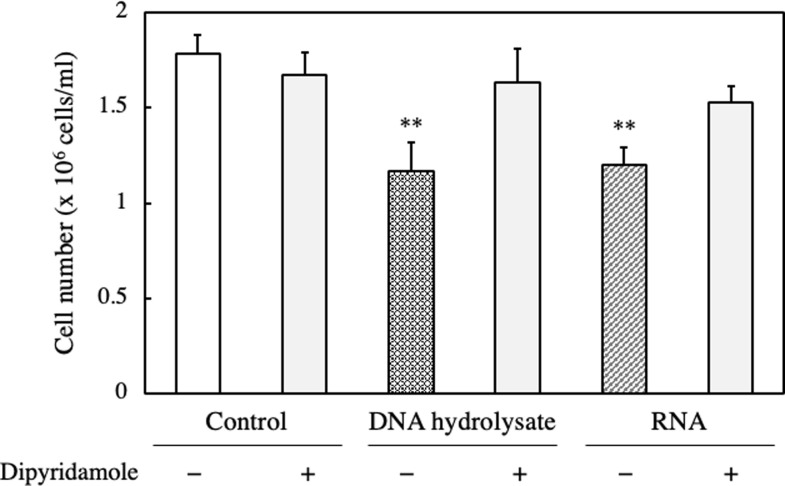 Figure 7
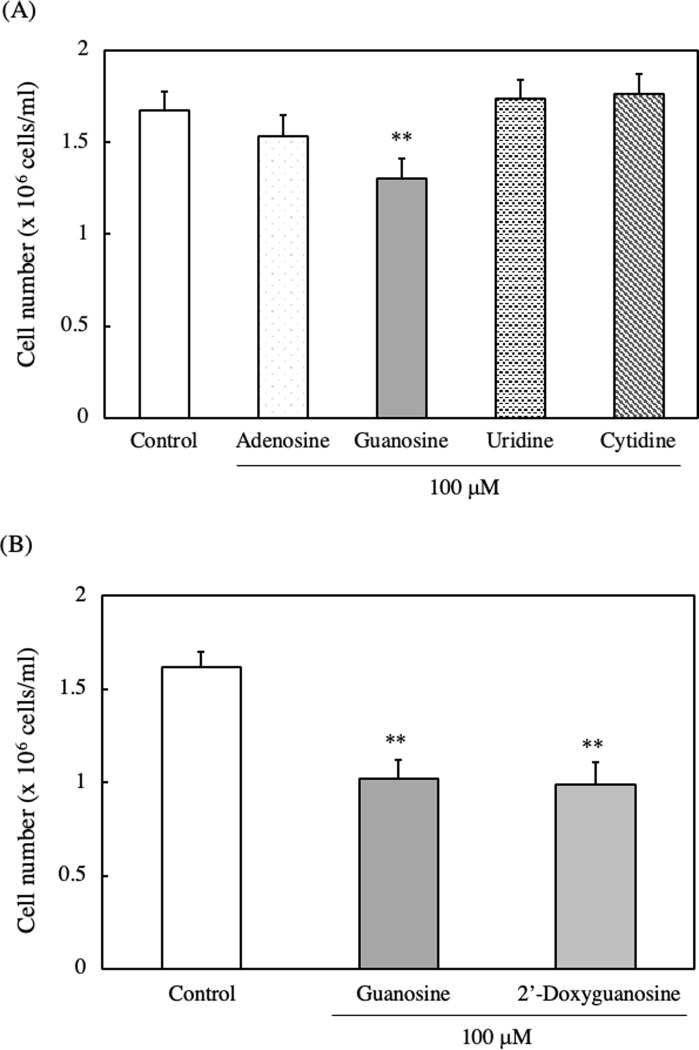 Figure 8
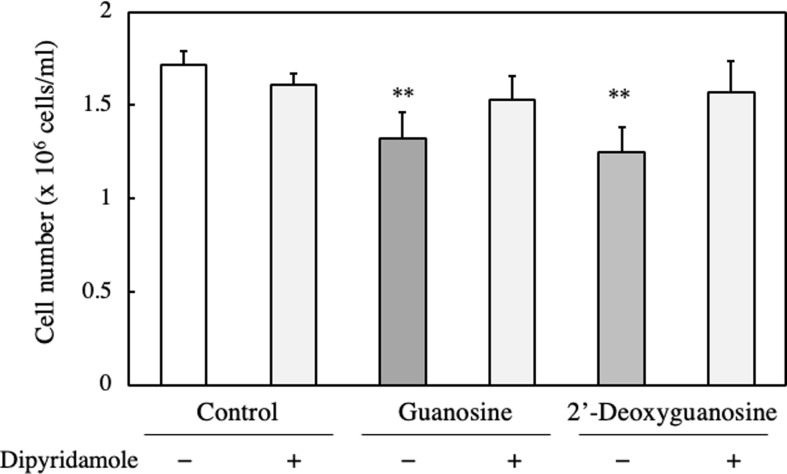 Figure 9
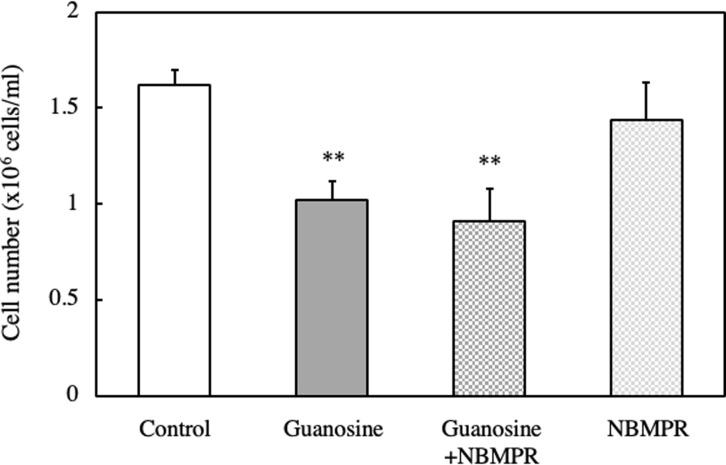 Figure 10
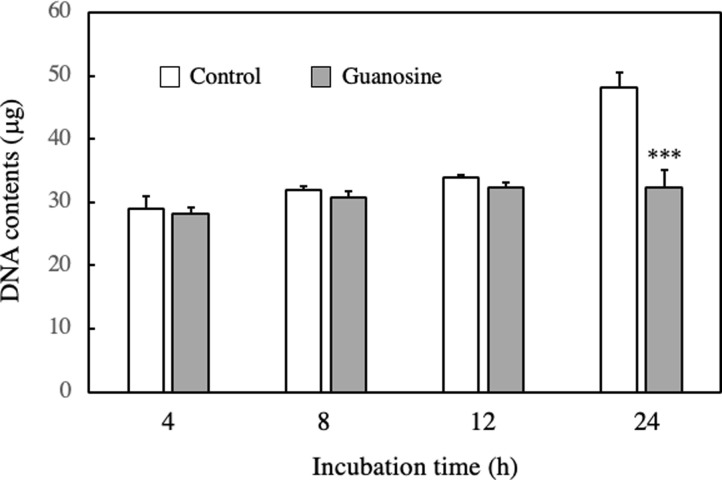 Figure 11
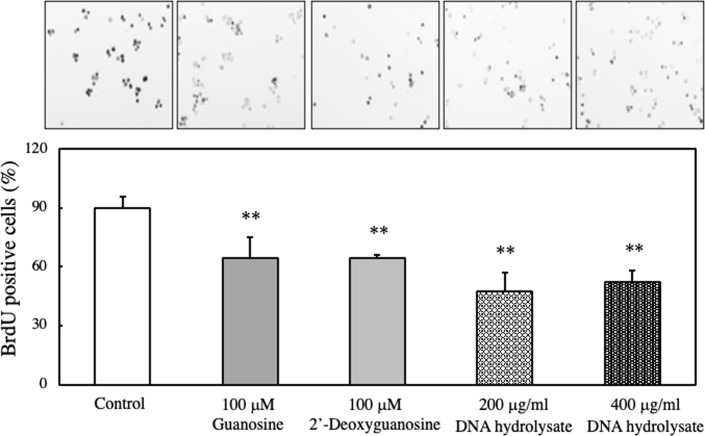 Figure 12
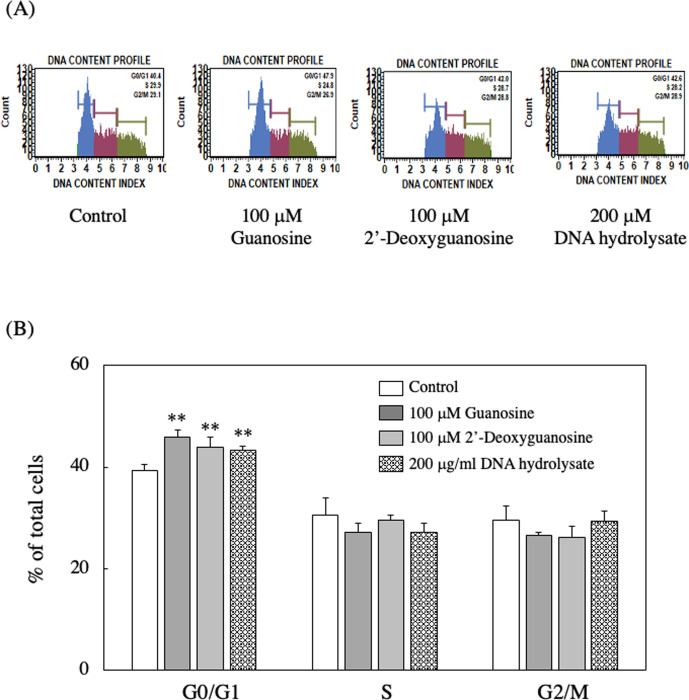 Figure 13
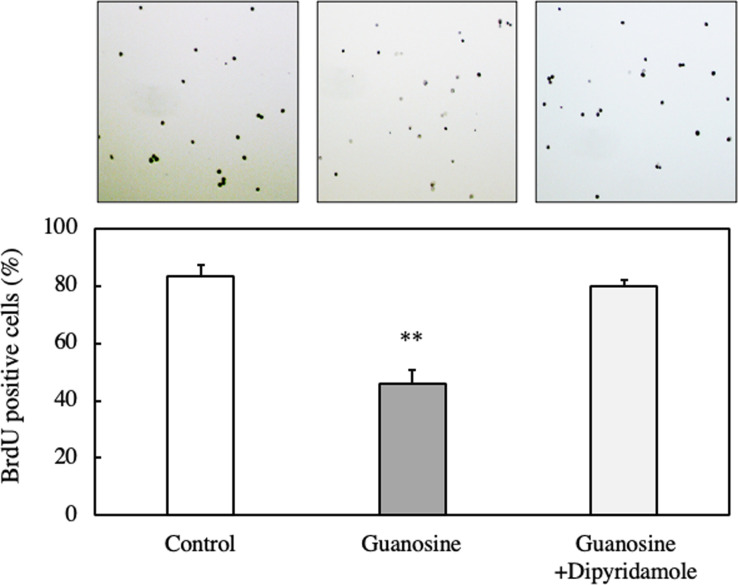 Figure 14
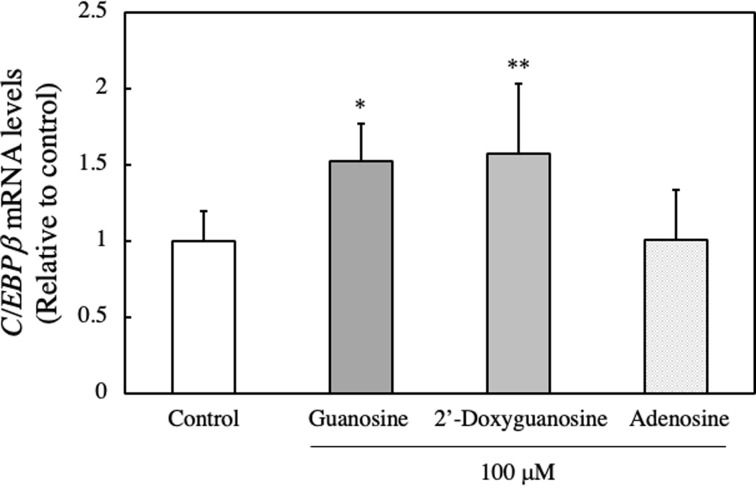 Figure 15
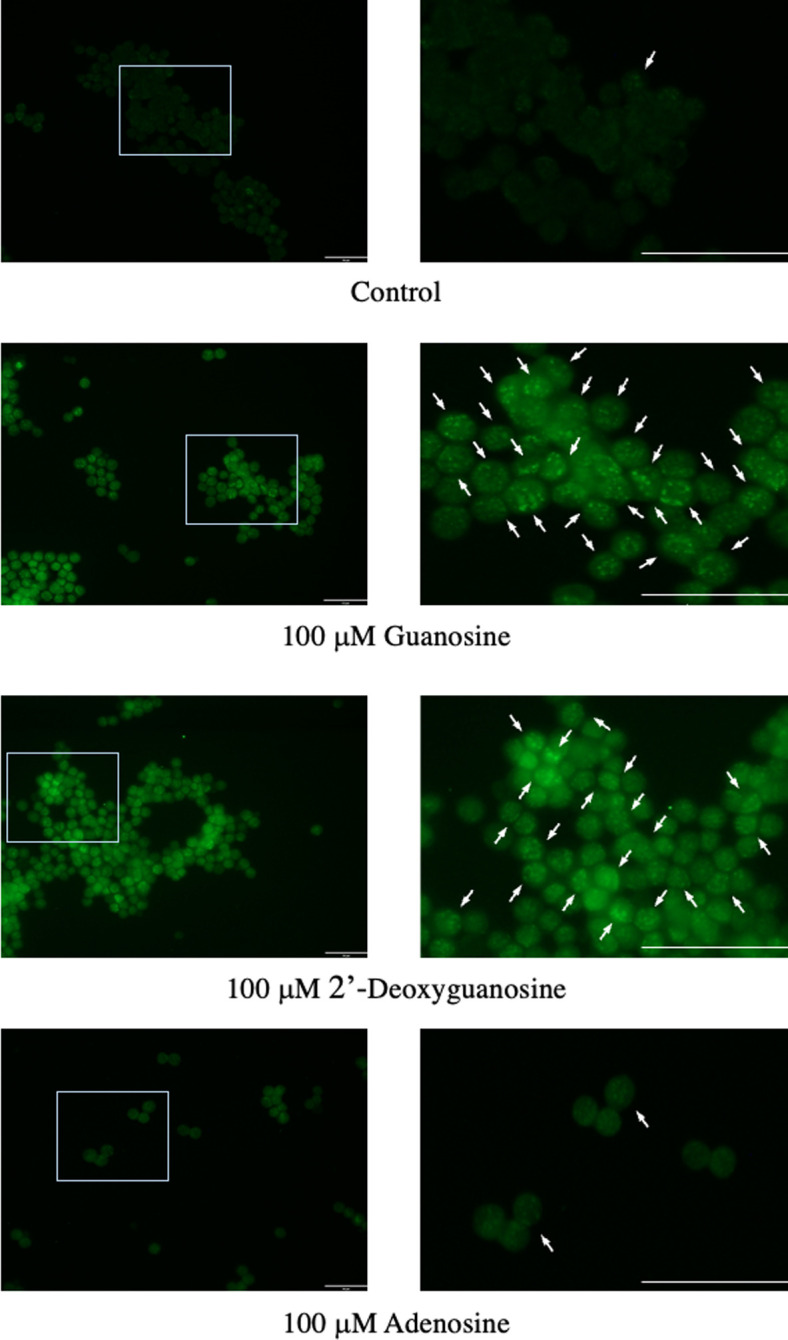 Figure 16
Peer Reviews
No public reviews on file for this paper yet. If you reviewed it on a platform where reviews are public (OpenReview, ICLR, NeurIPS, ICML), you can paste yours below so the community can read it here.
Videos
No videos yet. Explain this paper in a talk, walkthrough, or lecture? Add one.
Taxonomy
TopicsAdvertising and Communication Studies