Orthodontic Treatment of a Patient With Non-Syndromic Oligodontia and a Skeletal Class Ⅲ Relationship: A Case Report and Six Years’ Follow-Up
Ryo Kunimatsu, Yuki Asakawa, Ayaka Nakatani, Shuzo Sakata, Kotaro Tanimoto

TL;DR
This case report details the successful orthodontic and restorative treatment of a patient with missing permanent teeth and a skeletal Class III issue, with good long-term results over six years.
Contribution
The paper presents a novel, long-term multidisciplinary approach to managing non-syndromic oligodontia with skeletal Class III malocclusion.
Findings
Orthodontic and restorative treatment preserved over-retained deciduous teeth and achieved a good occlusal relationship.
Long-term follow-up showed sustained results six years after treatment completion.
Multidisciplinary care is essential for managing complex cases of oligodontia.
Abstract
Partial edentulism, characterized by the congenital absence of six or more permanent teeth (oligodontia), excluding the third molars, manifests with variable maxillofacial skeletal morphologies and occlusions, depending on the site and number of missing teeth, complicating treatment planning for occlusion and gain of function. Herein, we describe the case of a patient with seven non-syndromic congenitally missing permanent teeth (four in the maxillary and three in the mandibular dentition, excluding the third molars), who underwent orthodontic treatment, restorative procedures, and long-term follow-up for six years. The patient was an 18-year-old man presenting with a chief complaint of congenital absence of some permanent teeth and dental malalignment on the first visit. The mandibular right central incisor, bilateral mandibular second premolars, bilateral maxillary lateral incisors,…
Genes, proteins, chemicals, diseases, species, mutations and cell lines named across the full text — each resolved to its canonical identifier and authoritative record.
Click any figure to enlarge with its caption.
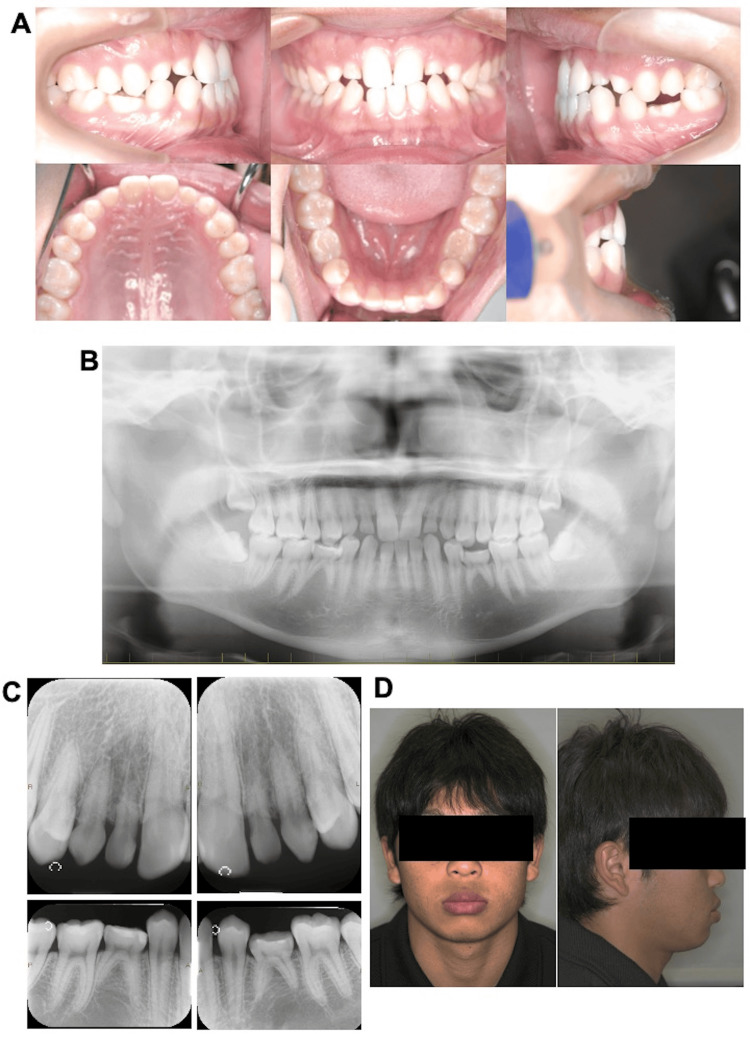 Figure 1
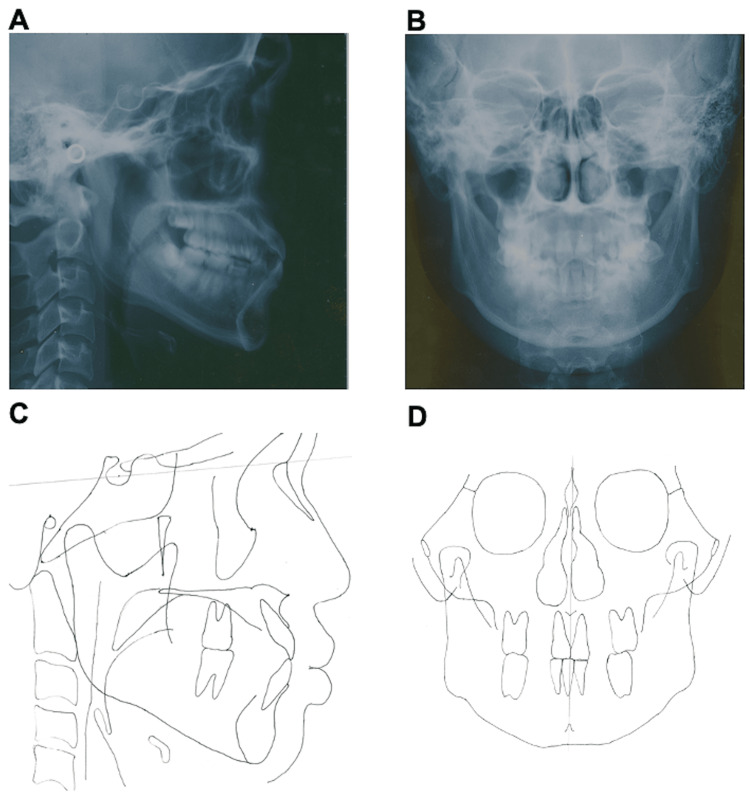 Figure 2
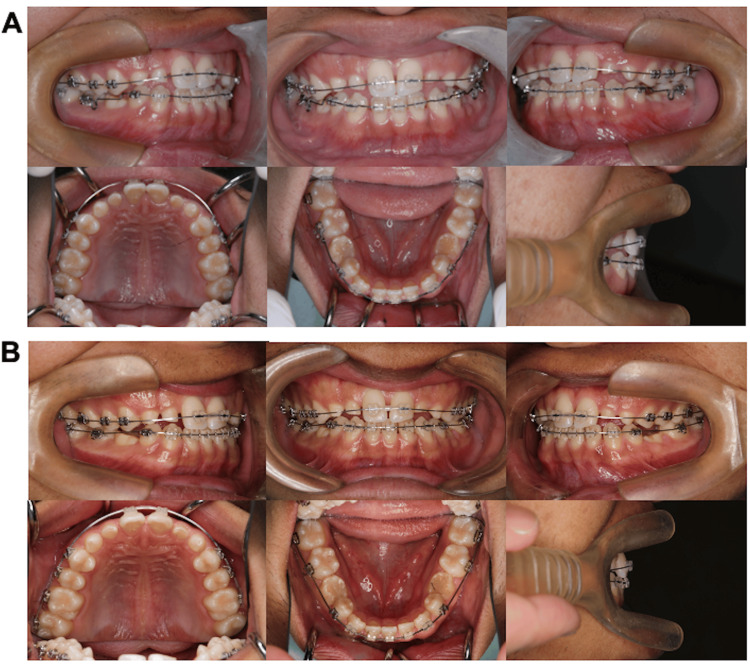 Figure 3
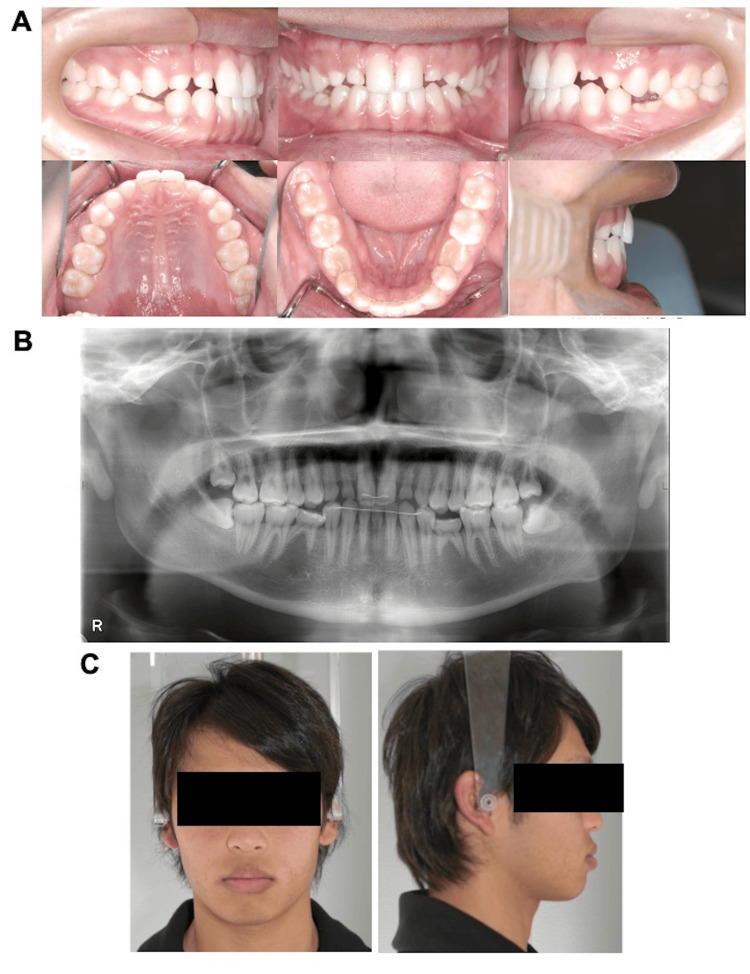 Figure 4
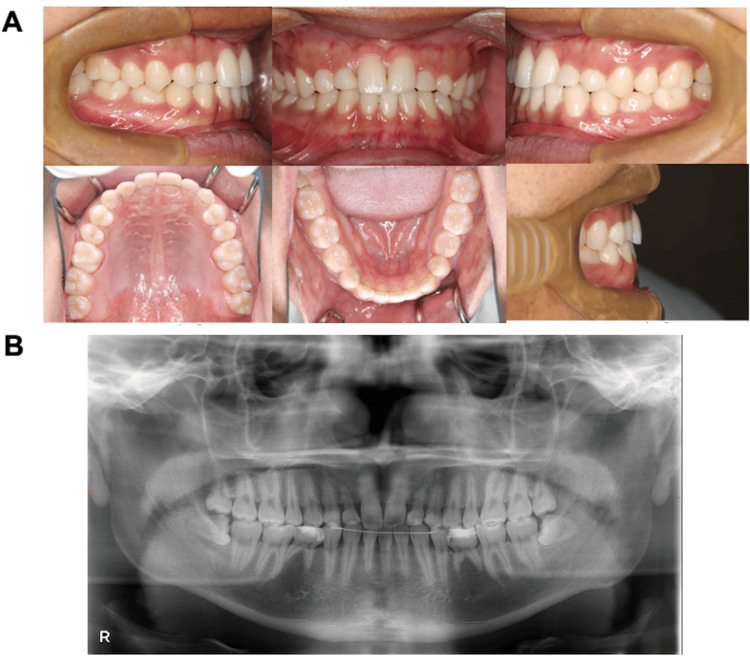 Figure 5
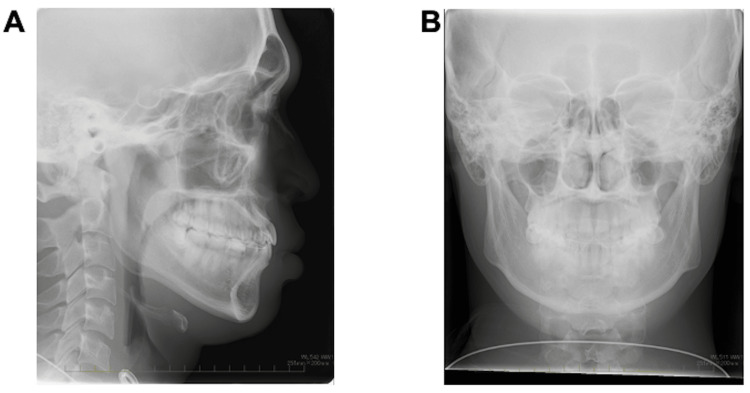 Figure 6
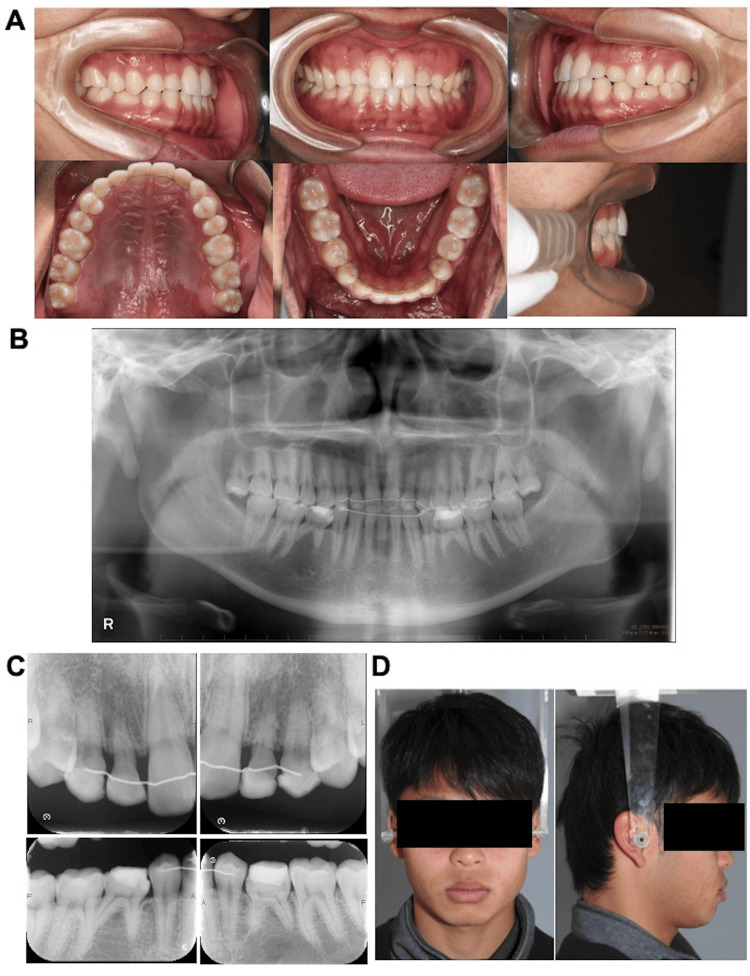 Figure 7
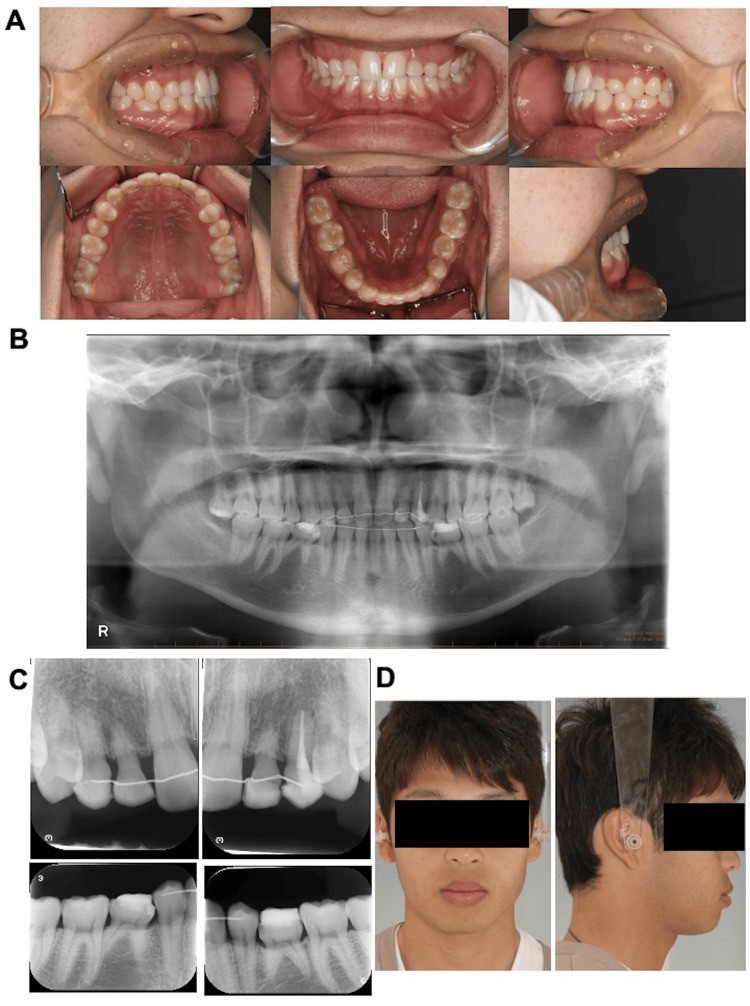 Figure 8
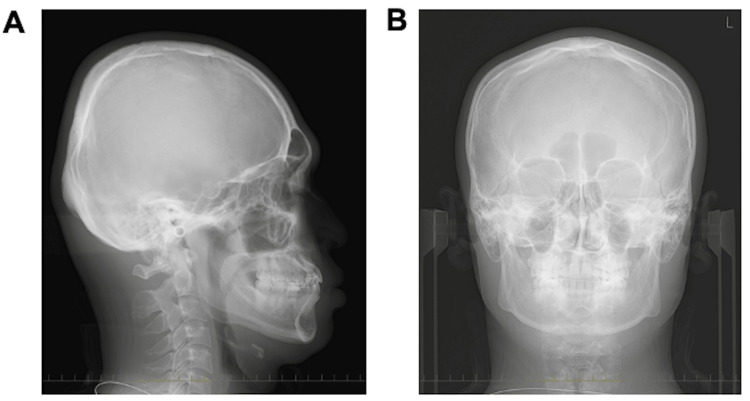 Figure 9
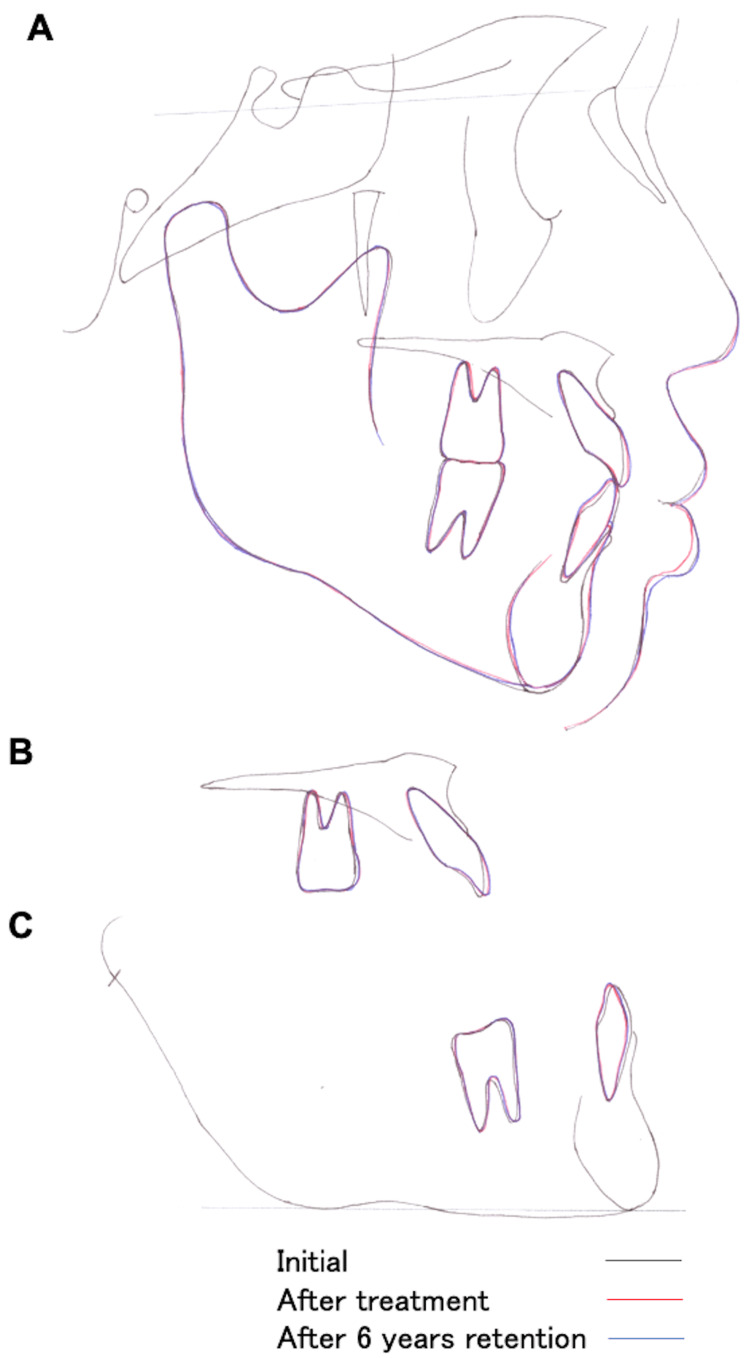 Figure 10
Peer Reviews
No public reviews on file for this paper yet. If you reviewed it on a platform where reviews are public (OpenReview, ICLR, NeurIPS, ICML), you can paste yours below so the community can read it here.
Videos
No videos yet. Explain this paper in a talk, walkthrough, or lecture? Add one.
Taxonomy
Topicsdental development and anomalies · Connective tissue disorders research · Congenital limb and hand anomalies