Target coverage and organs at risk dose in hypofractionated salvage radiotherapy after prostatectomy
Floor H.E. Staal, Jorinde Janssen, Sajee Krishnapillai, Johannes A. Langendijk, Stefan Both, Charlotte L. Brouwer, Shafak Aluwini

TL;DR
This study compares hypofractionated and conventional radiotherapy after prostate surgery, finding similar organ changes and optimal target coverage with specific margin sizes.
Contribution
The study introduces optimal planning target volume margins for hypofractionated salvage radiotherapy after prostatectomy.
Findings
A 6 mm margin for the prostate bed and 8 mm for the vesicle bed ensured excellent target coverage.
Bladder and rectum volume changes were similar between hypofractionated and conventional radiotherapy.
Bladder and rectum dose constraints were not fully met in some fractions despite optimal margins.
Abstract
•Hypofractionation had similar interfractional changes as conventional fractionation.•Bladder volume changed significantly, yet target coverage remained excellent.•A planning target volume margin of 6 mm to the prostate bed seems sufficient.•A planning target volume margin of 8 mm to the vesicle bed is needed. Hypofractionation had similar interfractional changes as conventional fractionation. Bladder volume changed significantly, yet target coverage remained excellent. A planning target volume margin of 6 mm to the prostate bed seems sufficient. A planning target volume margin of 8 mm to the vesicle bed is needed. Introducing moderately hypofractionated salvage radiotherapy (SRT) following prostatectomy obligates investigation of its effects on clinical target volume (CTV) coverage and organ-at-risk (OAR) doses. This study assessed interfractional volume and dose changes in OARs…
Genes, proteins, chemicals, diseases, species, mutations and cell lines named across the full text — each resolved to its canonical identifier and authoritative record.
Click any figure to enlarge with its caption.
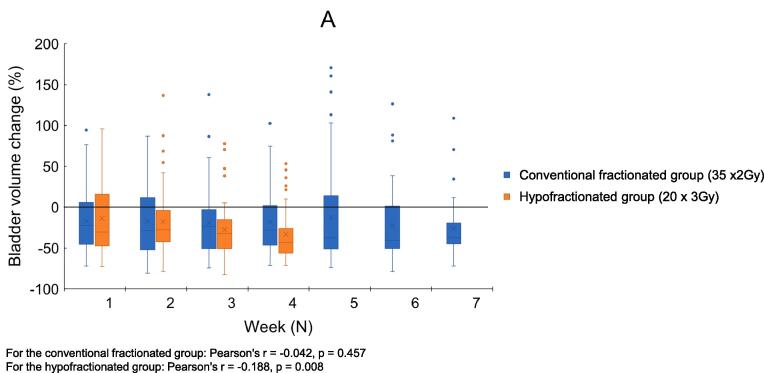 Figure 1
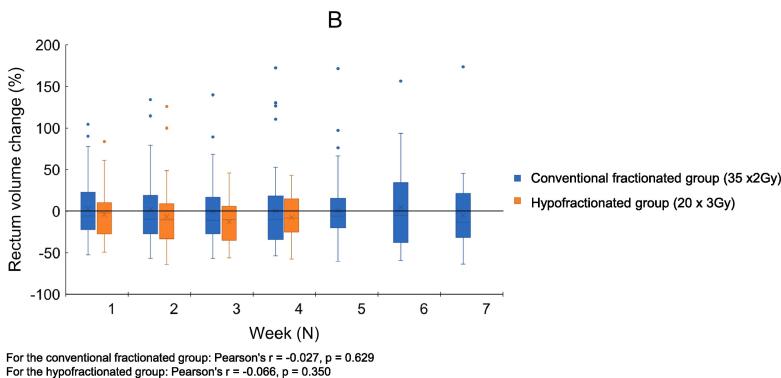 Figure 2
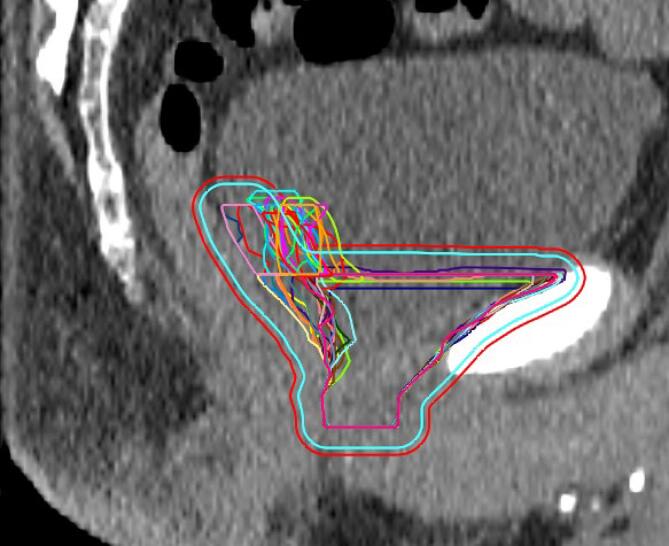 Figure 3
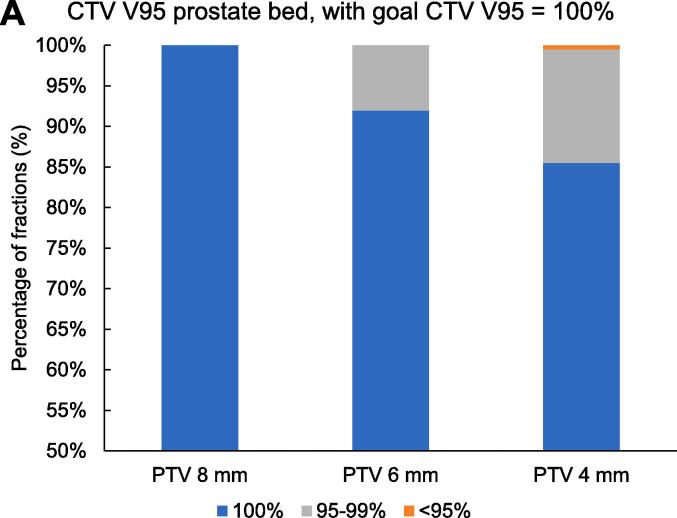 Figure 4
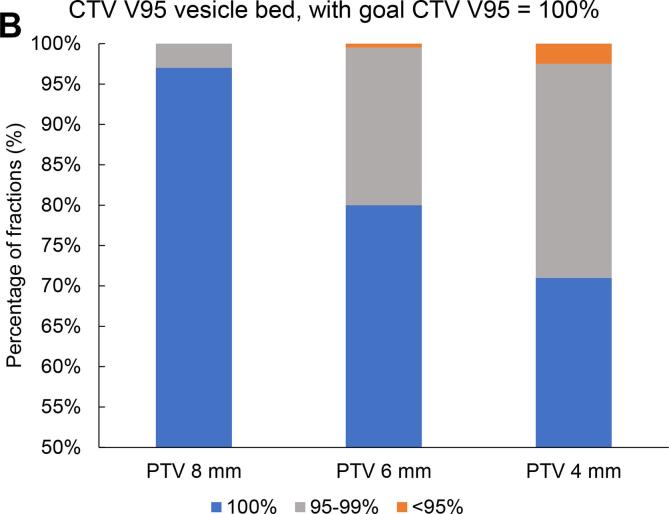 Figure 5
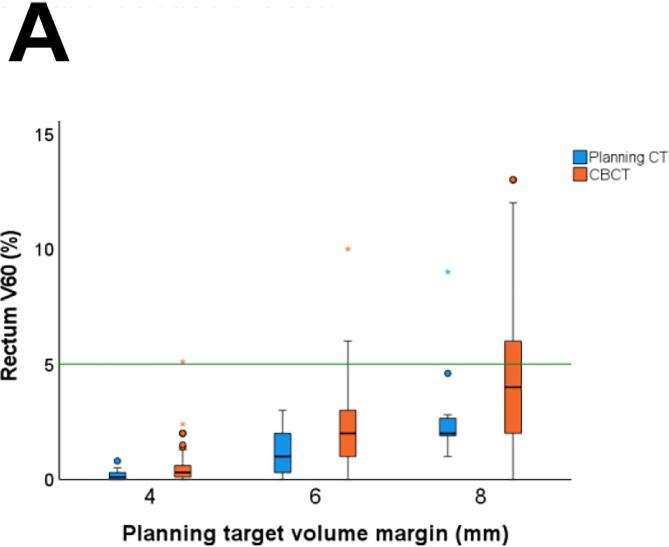 Figure 6
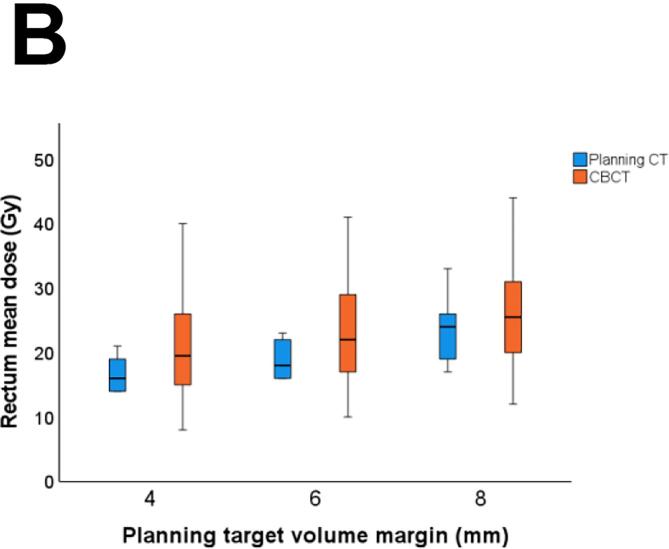 Figure 7
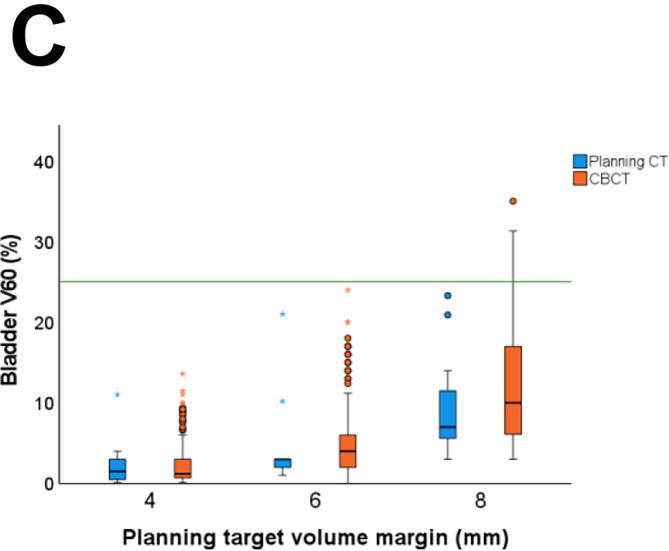 Figure 8
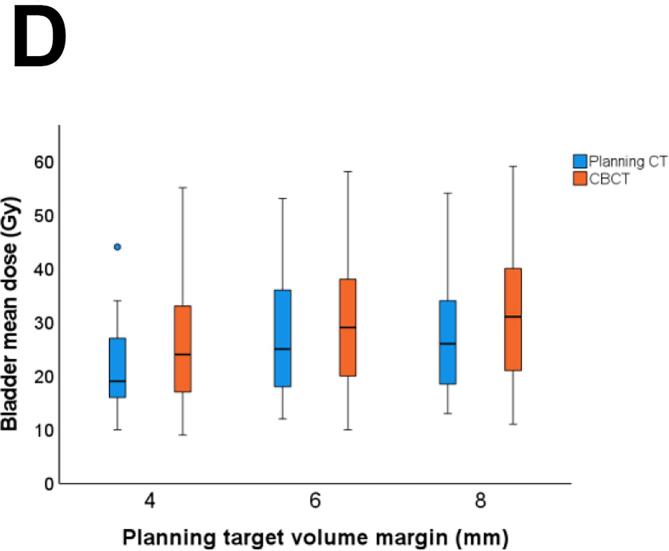 Figure 9
Peer Reviews
No public reviews on file for this paper yet. If you reviewed it on a platform where reviews are public (OpenReview, ICLR, NeurIPS, ICML), you can paste yours below so the community can read it here.
Videos
No videos yet. Explain this paper in a talk, walkthrough, or lecture? Add one.
Taxonomy
TopicsAdvanced Radiotherapy Techniques · Prostate Cancer Diagnosis and Treatment · Radiation Dose and Imaging