Additional organic and bacterium fertilizer input regulated soybean root architecture and dry matter distribution for a sustainable yield in the semi-arid Region of China
Yu Liu, Chuhua Liu, Lichao Wei, Xudong Zhang, Qinhui Liu, Jiling Bai, Xiaolin Wang, Suiqi Zhang

TL;DR
Adding bacterium fertilizer improves soybean root growth and water use efficiency, leading to better yields in China's semi-arid region.
Contribution
The study demonstrates that bacterium fertilizer significantly enhances soybean root architecture and water use efficiency in semi-arid regions.
Findings
Bacterium fertilizer increased soybean root length, surface area, and density by up to 94.89%.
NPKBm treatment improved water use efficiency by 71.22% to 73.76% compared to other treatments.
Bacterium fertilizer led to higher grain yield and stable soybean production in dryland areas.
Abstract
In the dryland area of the Loess Plateau in northwest China, long-term excessive fertilization has led to soil compaction and nutrient loss, which in turn limits crop yield and soil productivity. To address this issue, we conducted experiments using environmentally friendly organic fertilizer and bacterium fertilizer. Our goal was to investigate the effects of additional organic and bacterium fertilizer inputs on soil water migration, crop root architecture, and yield formation. We implemented six different fertilizer strategies, namely: Nm (mulching, N 30 kg/ha), NPK1m (mulching, N 60 kg/ha; P 30 kg/ha; K 30 kg/ha), NPK2m (mulching, N 90 kg/ha; P 45 kg/ha; K 30 kg/ha), NPKOm (mulching, N 90 kg/ha; P 45 kg/ha; K 30 kg/ha; organic fertilizer 2 t/ha), NPKBm (mulching, N 60 kg/ha; P 30 kg/ha; K 30 kg/ha; bacterium fertilizer 10 kg/ha), and N (N 30 kg/ha; no mulching). The results revealed…
Genes, proteins, chemicals, diseases, species, mutations and cell lines named across the full text — each resolved to its canonical identifier and authoritative record.
Click any figure to enlarge with its caption.
 Figure 1
 Figure 2
 Figure 3
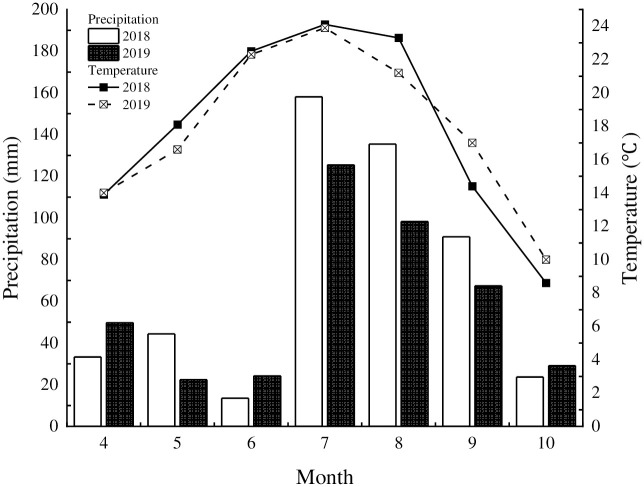 Figure 4
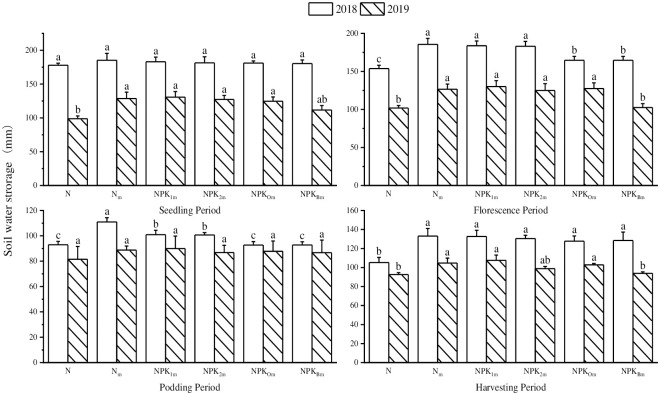 Figure 5
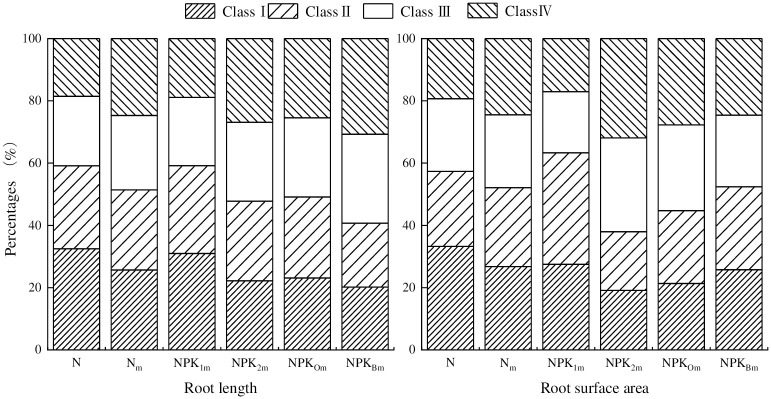 Figure 6
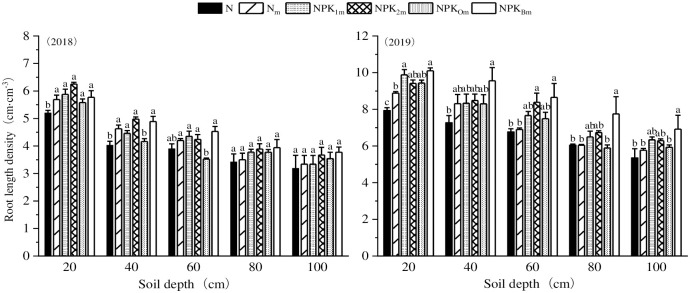 Figure 7
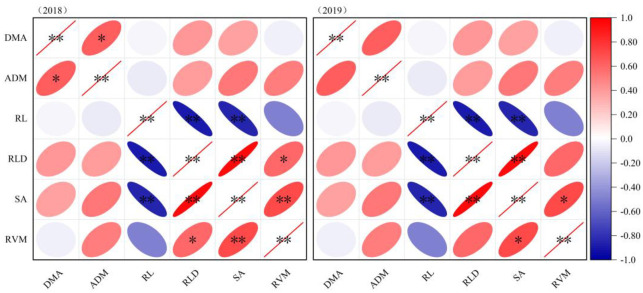 Figure 8
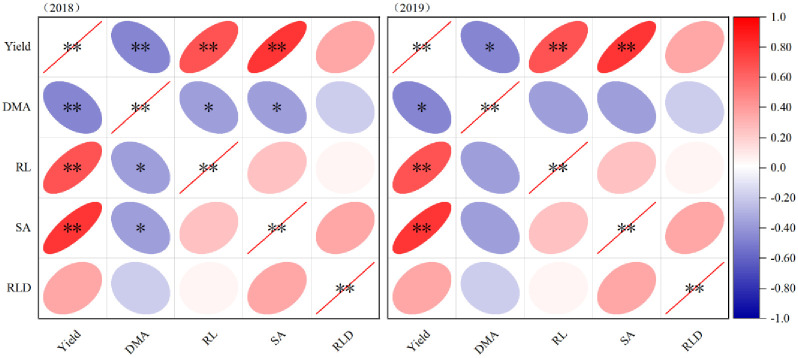 Figure 9
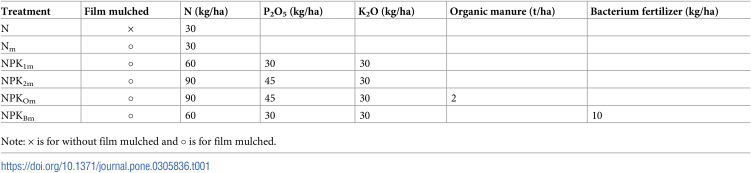 Figure 10
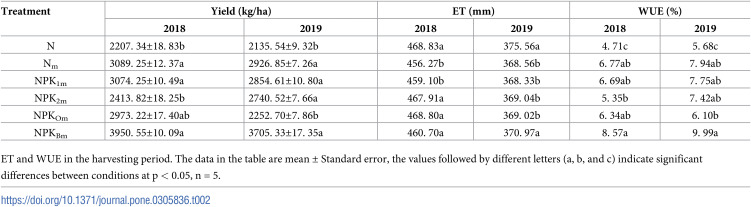 Figure 11
Peer Reviews
No public reviews on file for this paper yet. If you reviewed it on a platform where reviews are public (OpenReview, ICLR, NeurIPS, ICML), you can paste yours below so the community can read it here.
Videos
No videos yet. Explain this paper in a talk, walkthrough, or lecture? Add one.
Taxonomy
TopicsAgronomic Practices and Intercropping Systems · Plant nutrient uptake and metabolism · Legume Nitrogen Fixing Symbiosis