Bacteroides fragilis alleviates necrotizing enterocolitis through restoring bile acid metabolism balance using bile salt hydrolase and inhibiting FXR-NLRP3 signaling pathway
Zhenhui Chen, Huijuan Chen, Wanwen Huang, Xiaotong Guo, Lu Yu, Jiamin Shan, Xiaoshi Deng, Jiaxin Liu, Wendan Li, Wei Shen, Hongying Fan

TL;DR
Bacteroides fragilis helps prevent intestinal damage in a deadly gut disease in premature infants by balancing bile acids and blocking harmful signaling pathways.
Contribution
This study identifies Bacteroides fragilis as a novel therapeutic agent for NEC by restoring bile acid metabolism and inhibiting the FXR-NLRP3 pathway.
Findings
Bile acid levels are elevated in blood but reduced in feces in NEC, with disrupted FXR and bile acid metabolism genes.
Bacteroides fragilis reduces intestinal damage by restoring gut microbiota and bile acid balance via bile salt hydrolase activity.
B. fragilis inhibits the FXR-NLRP3 signaling pathway, offering a potential treatment for NEC.
Abstract
Necrotizing enterocolitis (NEC) is a leading cause of morbidity and mortality in premature infants with no specific treatments available. We aimed to identify the molecular mechanisms underlying NEC and investigate the therapeutic effects of Bacteroides fragilis on NEC. Clinical samples of infant feces, bile acid-targeted metabolomics, pathological staining, bioinformatics analysis, NEC rat model, and co-immunoprecipitation were used to explore the pathogenesis of NEC. Taxonomic characterization of the bile salt hydrolase (bsh) gene, enzyme activity assays, 16S rRNA sequencing, and organoids were used to explore the therapeutic effects of B. fragilis on NEC-related intestinal damage. Clinical samples, NEC rat models, and in vitro experiments revealed that total bile acid increased in the blood but decreased in feces. Moreover, the levels of FXR and other bile acid metabolism-related…
Genes, proteins, chemicals, diseases, species, mutations and cell lines named across the full text — each resolved to its canonical identifier and authoritative record.
Click any figure to enlarge with its caption.
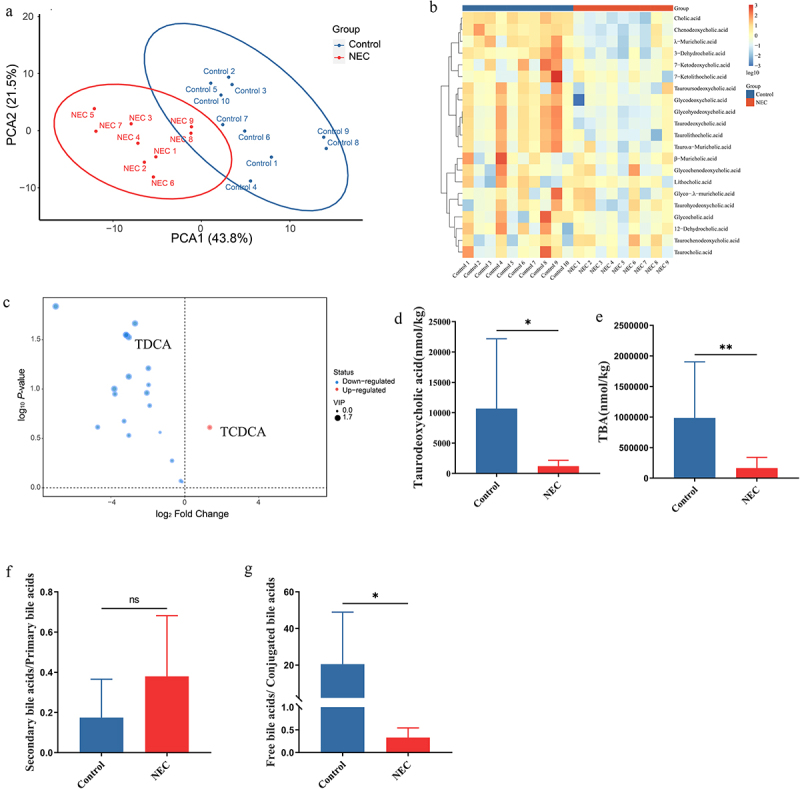 Figure 1
 Figure 2
 Figure 3
 Figure 4
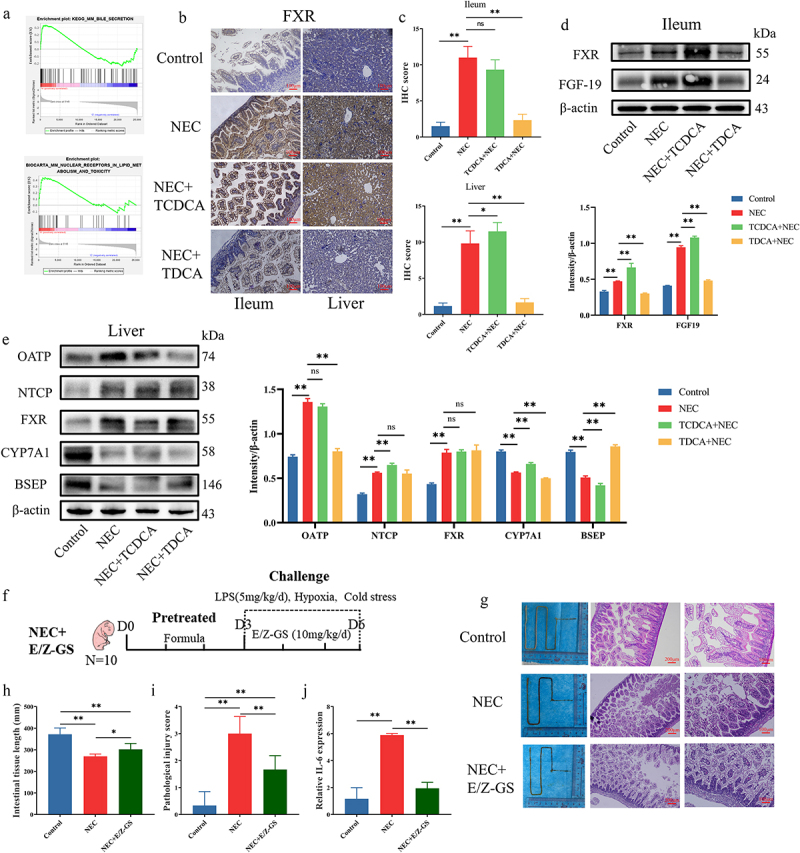 Figure 5
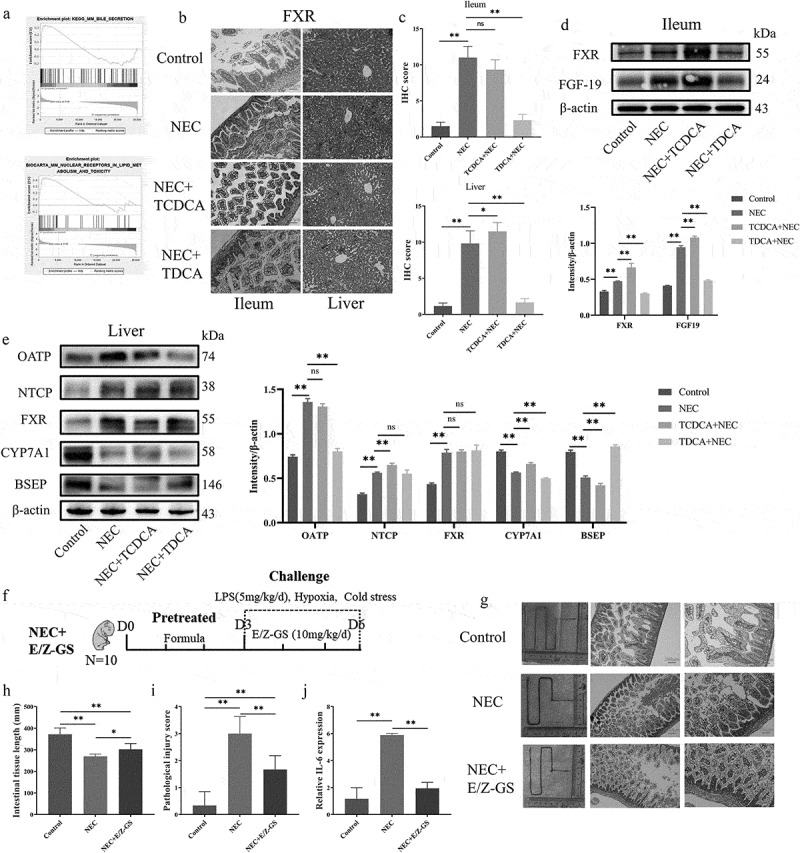 Figure 6
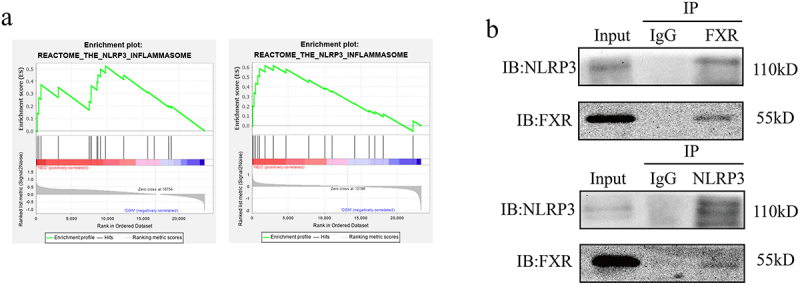 Figure 7
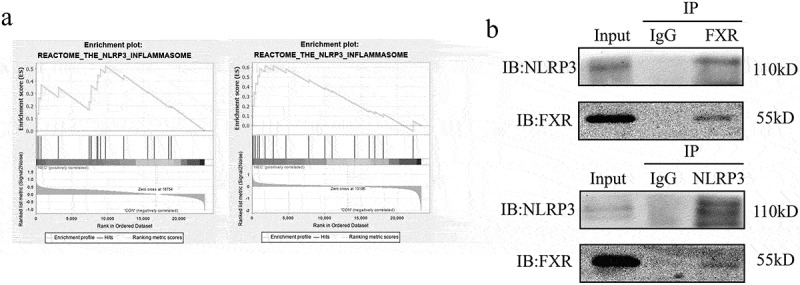 Figure 8
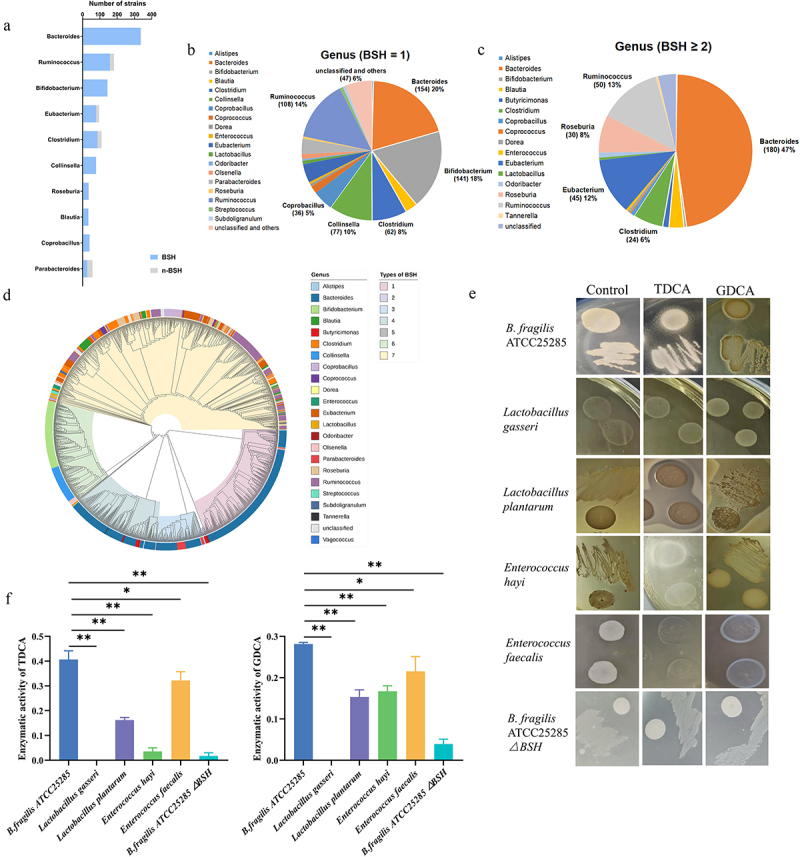 Figure 9
 Figure 10
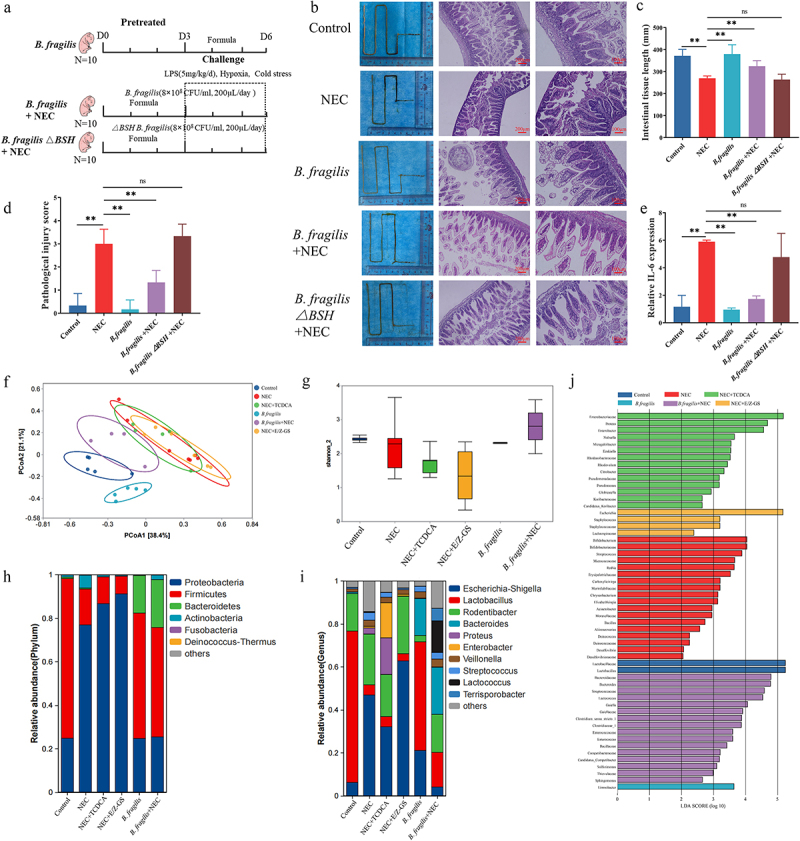 Figure 11
 Figure 12
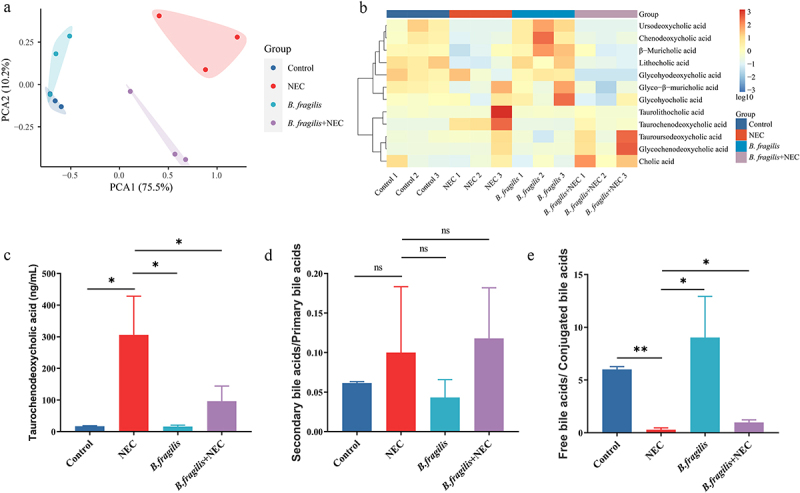 Figure 13
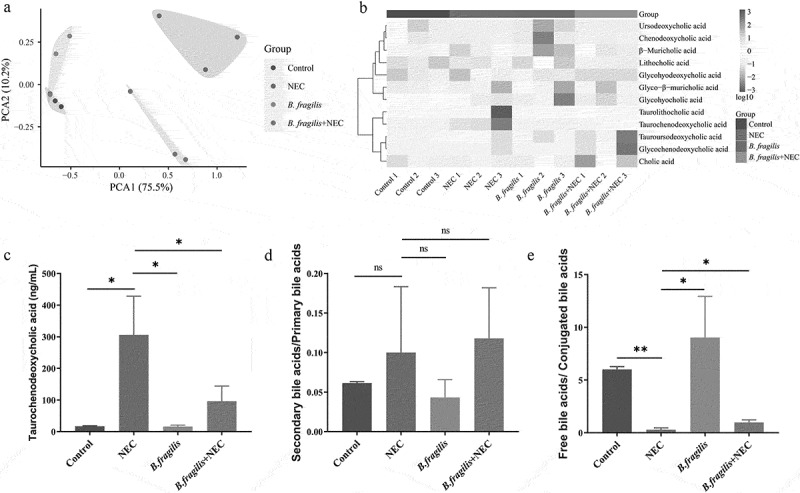 Figure 14
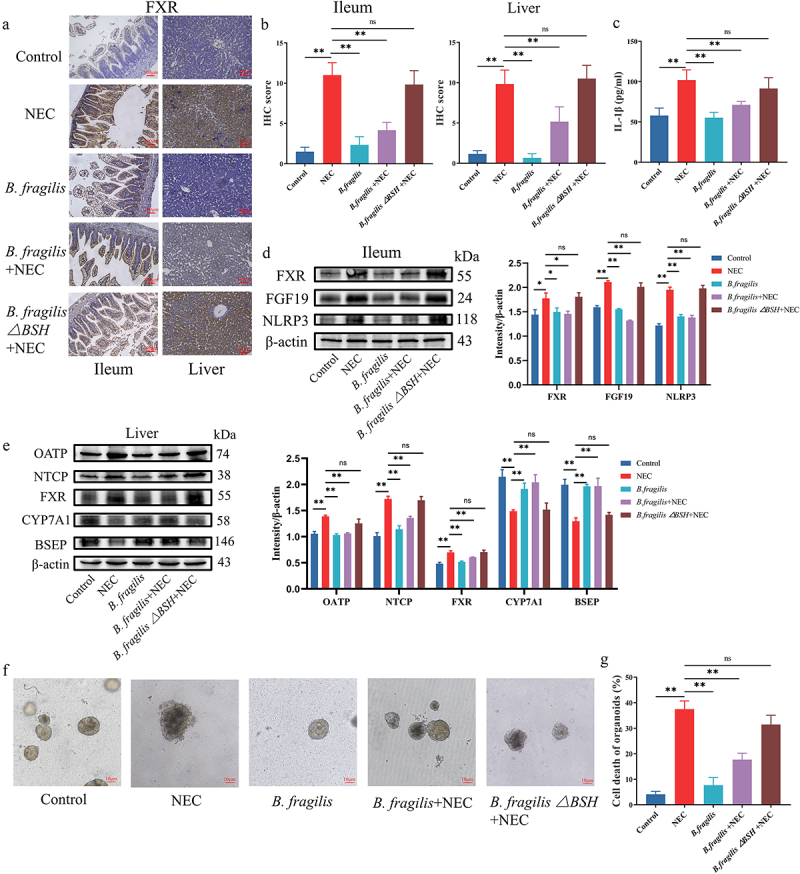 Figure 15
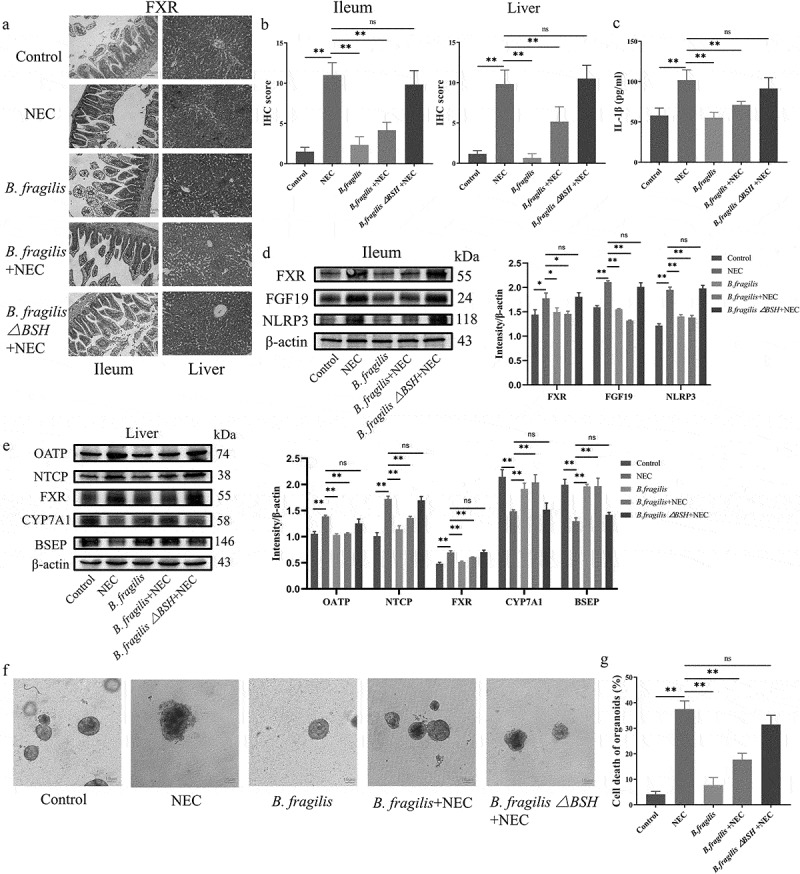 Figure 16
Peer Reviews
No public reviews on file for this paper yet. If you reviewed it on a platform where reviews are public (OpenReview, ICLR, NeurIPS, ICML), you can paste yours below so the community can read it here.
Videos
No videos yet. Explain this paper in a talk, walkthrough, or lecture? Add one.
Taxonomy
TopicsDiverse academic and cultural studies