Loss of tolerance precedes triggering and lifelong persistence of pathogenic type I interferon autoantibodies
Sonja Fernbach, Nina K. Mair, Irene A. Abela, Kevin Groen, Roger Kuratli, Marie Lork, Christian W. Thorball, Enos Bernasconi, Paraskevas Filippidis, Karoline Leuzinger, Julia Notter, Andri Rauch, Hans H. Hirsch, Michael Huber, Huldrych F. Günthard, Jacques Fellay

TL;DR
This study shows that the loss of immune tolerance to type I interferons occurs before autoantibody development and leads to lifelong susceptibility to infections.
Contribution
The study reveals that age-related loss of self-tolerance precedes anti-IFN-I autoantibody development and increases infection risk.
Findings
Anti-IFN-I autoantibodies persist lifelong and increase in titer over decades.
Neutralizing anti-IFNα autoantibodies correlate with reduced IFN-stimulated gene levels and severe COVID-19.
Pre-existing autoreactivity and prior viral infections are linked to anti-IFN-I autoantibody emergence.
Abstract
Rare autoantibodies neutralizing type I IFNs can underlie viral disease severity. Here, the authors dissect immunological and age-related factors associated with anti-IFN-I autoantibody development in individuals over a 35-year period and further reveal the lifelong infection susceptibility that results. Autoantibodies neutralizing type I interferons (IFN-Is) can underlie infection severity. Here, we trace the development of these autoantibodies at high-resolution using longitudinal samples from 1,876 well-treated individuals living with HIV over a 35-year period. Similar to general populations, ∼1.9% of individuals acquired anti-IFN-I autoantibodies as they aged (median onset ∼63 years). Once detected, anti-IFN-I autoantibodies persisted lifelong, and titers increased over decades. Individuals developed distinct neutralizing and non-neutralizing autoantibody repertoires at discrete…
Genes, proteins, chemicals, diseases, species, mutations and cell lines named across the full text — each resolved to its canonical identifier and authoritative record.
Click any figure to enlarge with its caption.
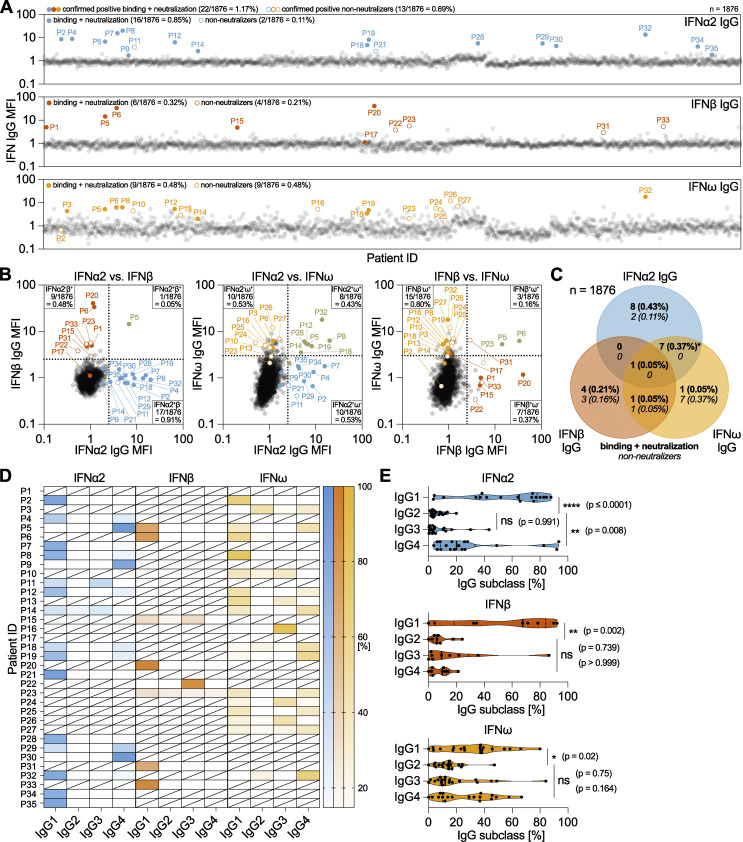 Figure 1
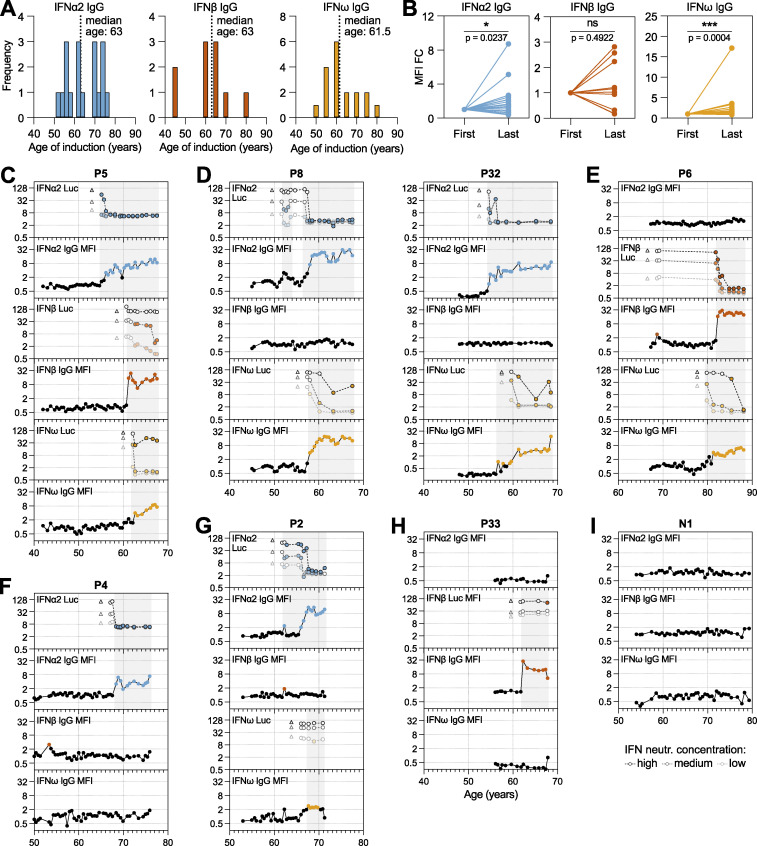 Figure 2
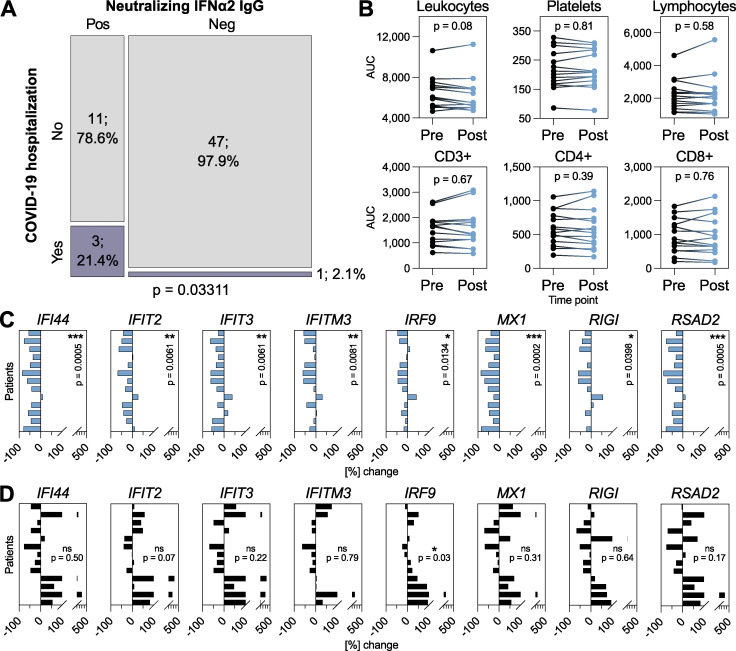 Figure 3
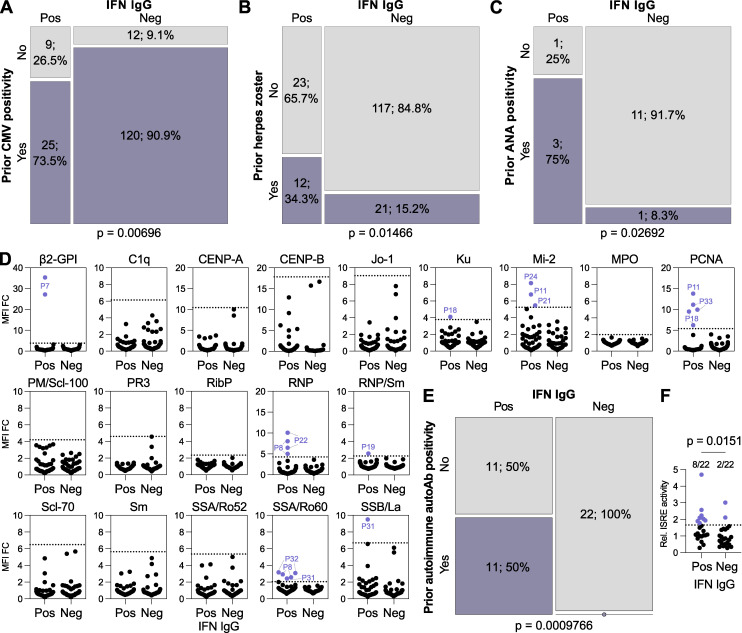 Figure 4
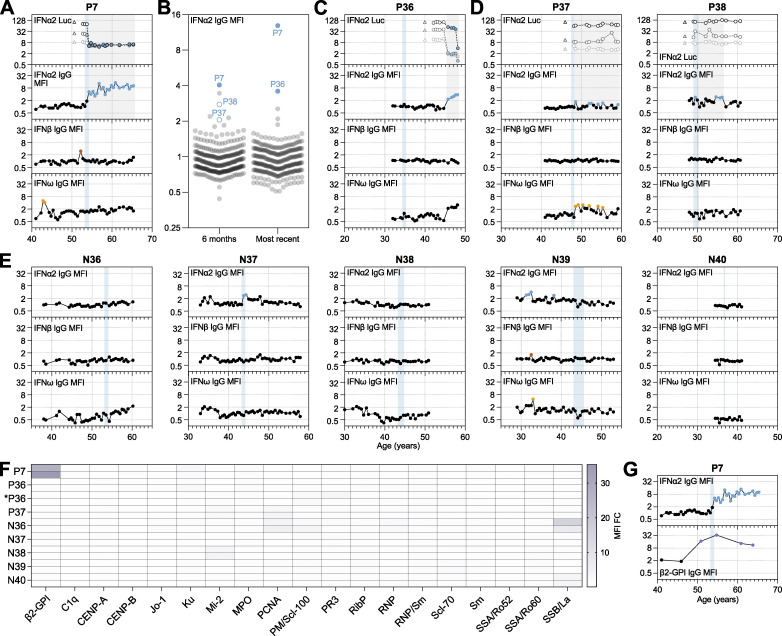 Figure 5
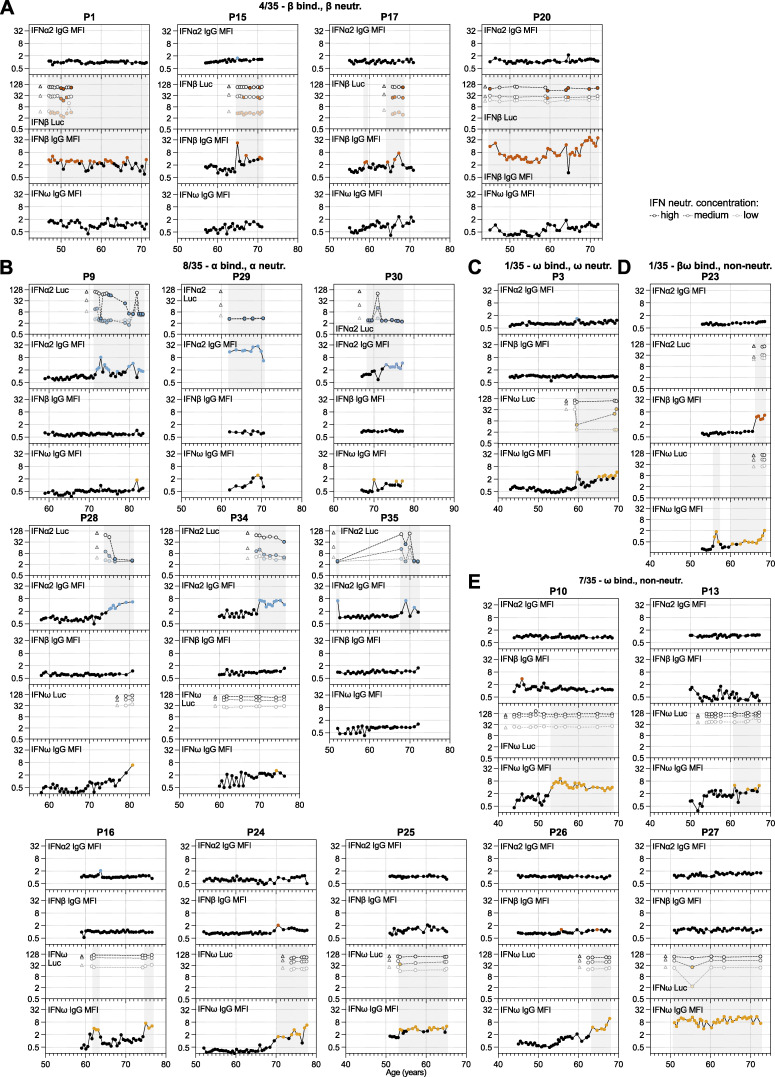 Figure 6
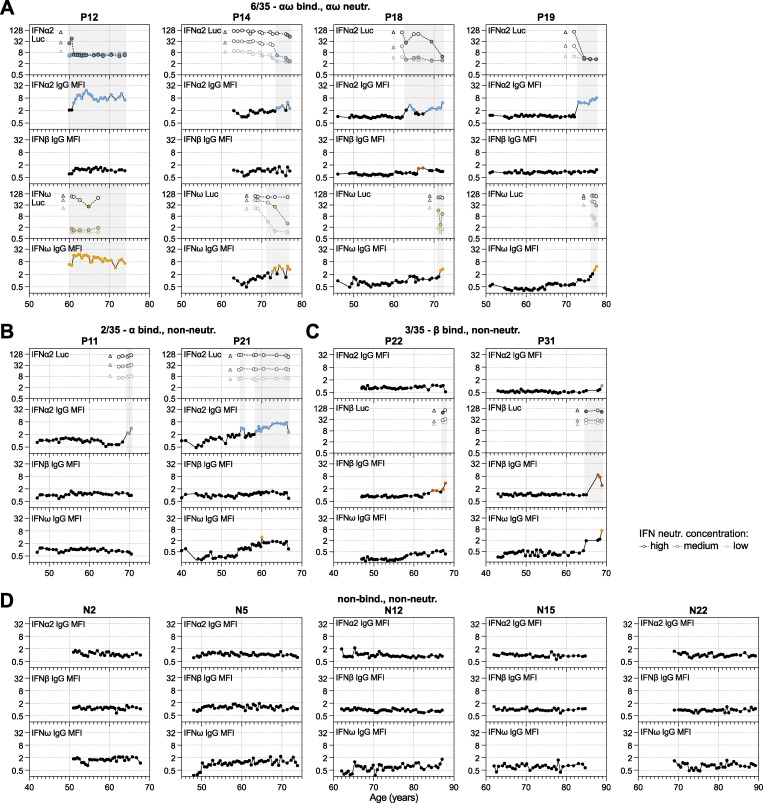 Figure 7
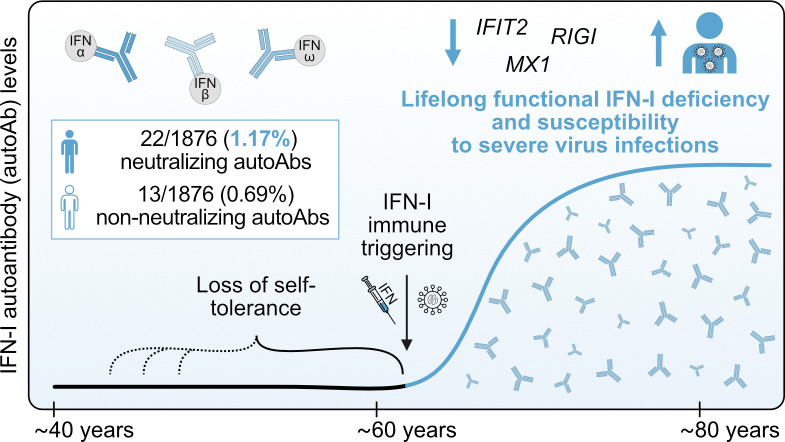 Figure 8
Peer Reviews
No public reviews on file for this paper yet. If you reviewed it on a platform where reviews are public (OpenReview, ICLR, NeurIPS, ICML), you can paste yours below so the community can read it here.
Videos
No videos yet. Explain this paper in a talk, walkthrough, or lecture? Add one.
Taxonomy
TopicsSocial and Educational Sciences