Perforation of the Terminal Ileum Secondary to Mucosal Damage of Enteroaggregative Escherichia coli and a Toothpick
Nora A Rady, James Parrish

TL;DR
A rare case of intestinal perforation caused by a combination of a bacterial infection and a foreign body is reported.
Contribution
This is the first documented case of EAEC-induced mucosal damage leading to perforation alongside a foreign body and intestinal stricture.
Findings
EAEC infection caused mucosal ulceration in the terminal ileum.
Foreign body impaction and ileal stricture led to intestinal perforation.
The patient was successfully treated with surgical resection and anastomosis.
Abstract
Enteroaggregative Escherichia coli (EAEC) is a common form of E. coli that causes gastroenteritis and diarrhea worldwide. Biofilm formation on the intestinal mucosa initiates an inflammatory cascade in the gastrointestinal tissue, which has significant destructive effects on the mucosa of the small and large intestines. Small bowel obstruction and perforation due to a foreign body are uncommon, but the risk increases with pre-existing conditions such as the presence of intestinal strictures, inflammation, and mucosal ulceration. We present a unique case of acute enteritis from EAEC with mucosal ulceration and perforation because of co-ingestion of foreign body and impaction with the presence of stricture in the terminal ileum. This was treated with small bowel resection and primary anastomosis. The patient was successfully discharged from the hospital. The clinical features and…
Genes, proteins, chemicals, diseases, species, mutations and cell lines named across the full text — each resolved to its canonical identifier and authoritative record.
Click any figure to enlarge with its caption.
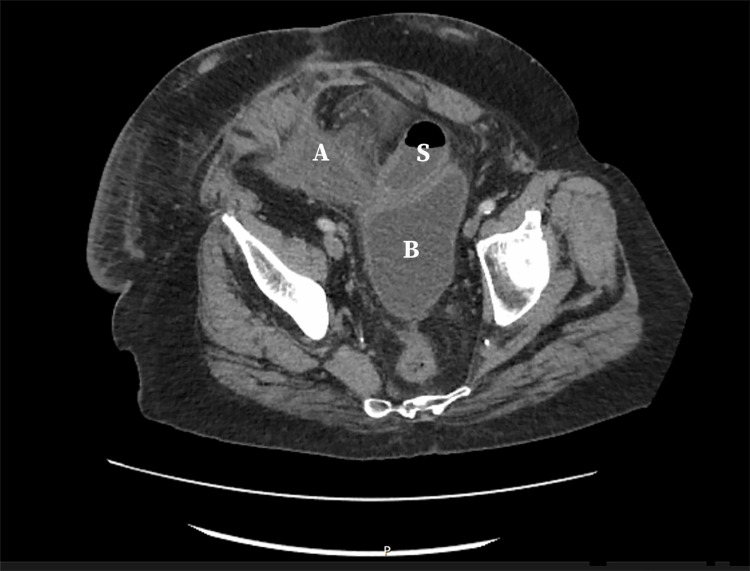 Figure 1
Peer Reviews
No public reviews on file for this paper yet. If you reviewed it on a platform where reviews are public (OpenReview, ICLR, NeurIPS, ICML), you can paste yours below so the community can read it here.
Videos
No videos yet. Explain this paper in a talk, walkthrough, or lecture? Add one.
Taxonomy
TopicsEscherichia coli research studies · Clostridium difficile and Clostridium perfringens research · Enterobacteriaceae and Cronobacter Research