The involvement of krüppel-like transcription factor 2 in megakaryocytic differentiation induction by phorbol 12-myrestrat 13-acetate
Zhen Wang, Zhongwen Liu, Pan Zhou, Xiaona Niu, Zhengdao Sun, Huan He, Zunmin Zhu

TL;DR
This study shows that KLF2 promotes megakaryocytic differentiation, suggesting it could be a target for diseases with abnormal blood cell development.
Contribution
The study identifies KLF2 as a novel regulator of megakaryocytic differentiation and suggests potential target genes CHN1 and KCNQ5.
Findings
KLF2 overexpression enhances PMA-induced megakaryocytic differentiation in K562 cells.
KLF2 knockdown suppresses megakaryocytic differentiation and reduces polyploidy and marker expression.
CHN1 and KCNQ5 are proposed as KLF2-regulated genes involved in differentiation.
Abstract
Megakaryocytic differentiation is a complicated process regulated by a series of transcription factors in a context- and stage-dependent manner. Recent studies have suggested that krüppel-like transcription factor 2 (KLF2) is involved in the control of embryonic erythroid precursor cell differentiation and maturation. However, the function and mechanism of KLF2 in regulating megakaryocytic differentiation remain unclear. The expression patterns of krüppel-like transcription factors (KLFs) during megakaryocytic differentiation were identified from public databases. Phorbol 12-myristate 13-acetate (PMA) treatment of the myeloid-erythroid-leukemic cell lines K562 and HEL were used as cellular megakaryocytic differentiation models. A lentiviral transduction system was utilized to achieve the goal of amplifying or reducing KLF2. The expression of KLF2 was examined using real-time PCR and…
Genes, proteins, chemicals, diseases, species, mutations and cell lines named across the full text — each resolved to its canonical identifier and authoritative record.
Click any figure to enlarge with its caption.
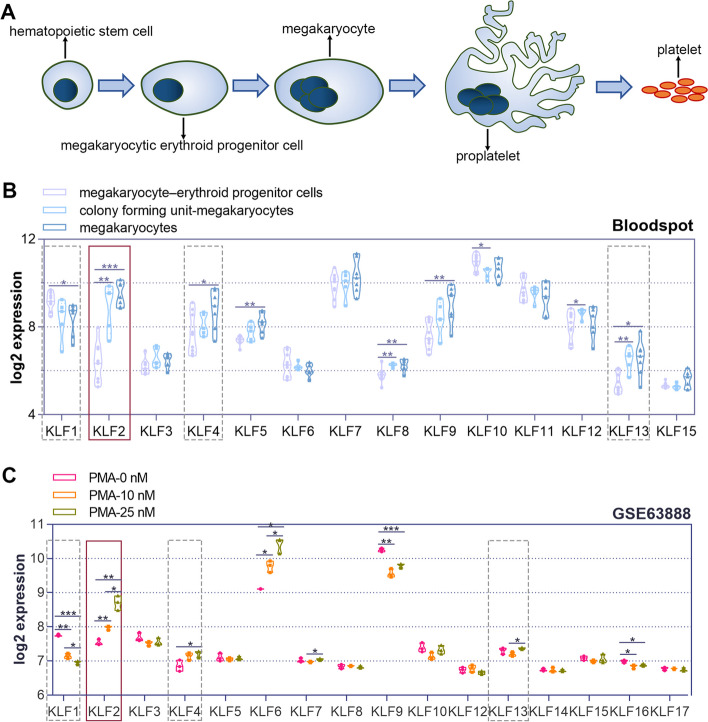 Figure 1
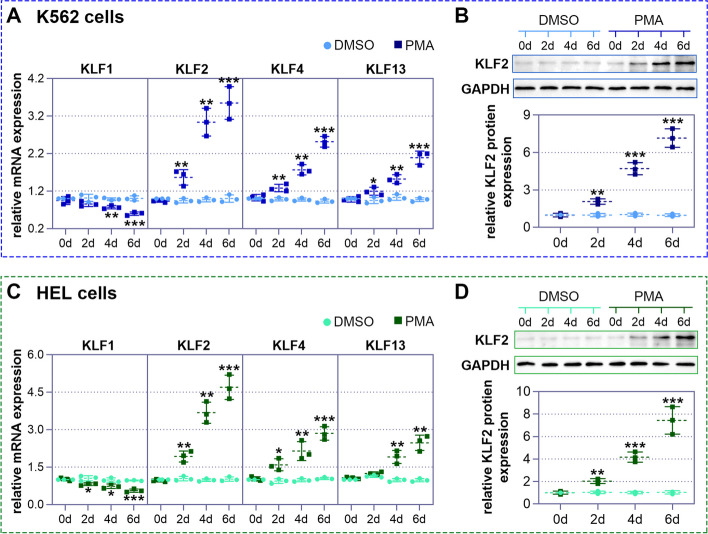 Figure 2
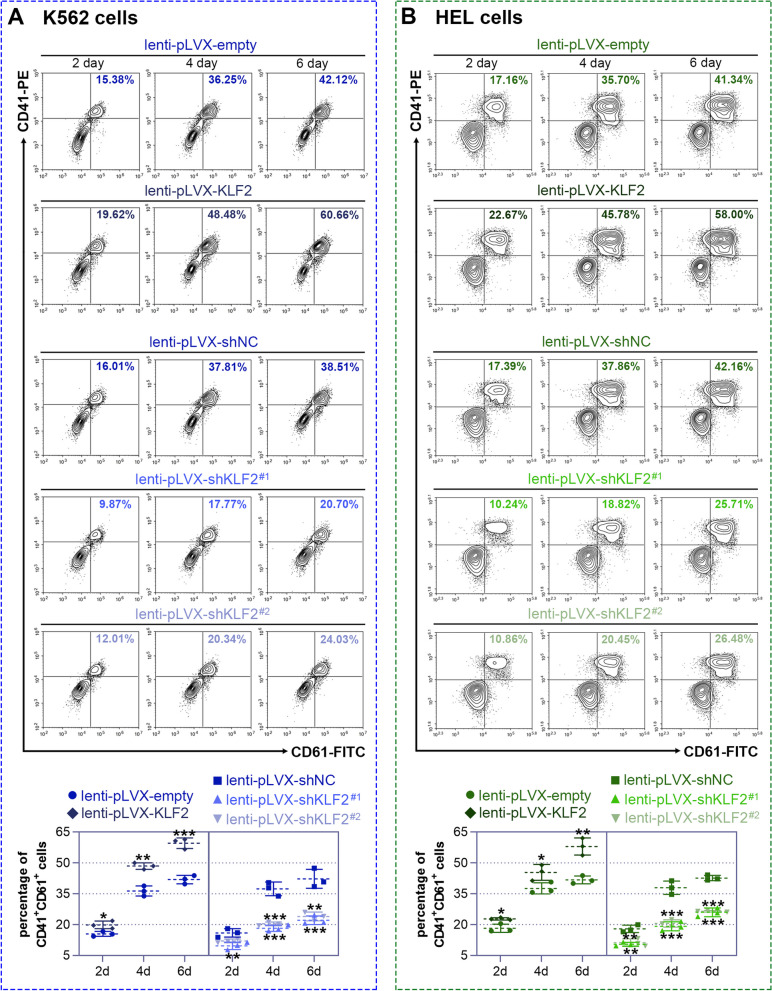 Figure 3
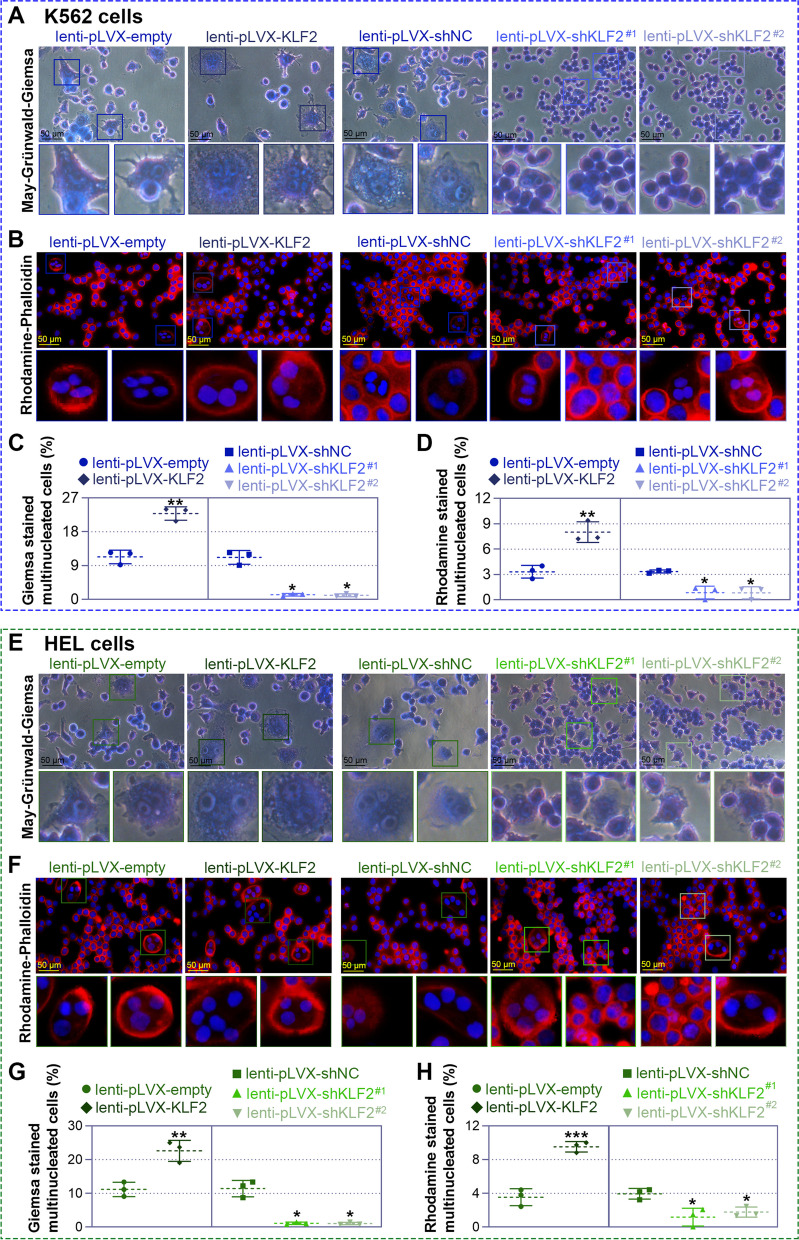 Figure 4
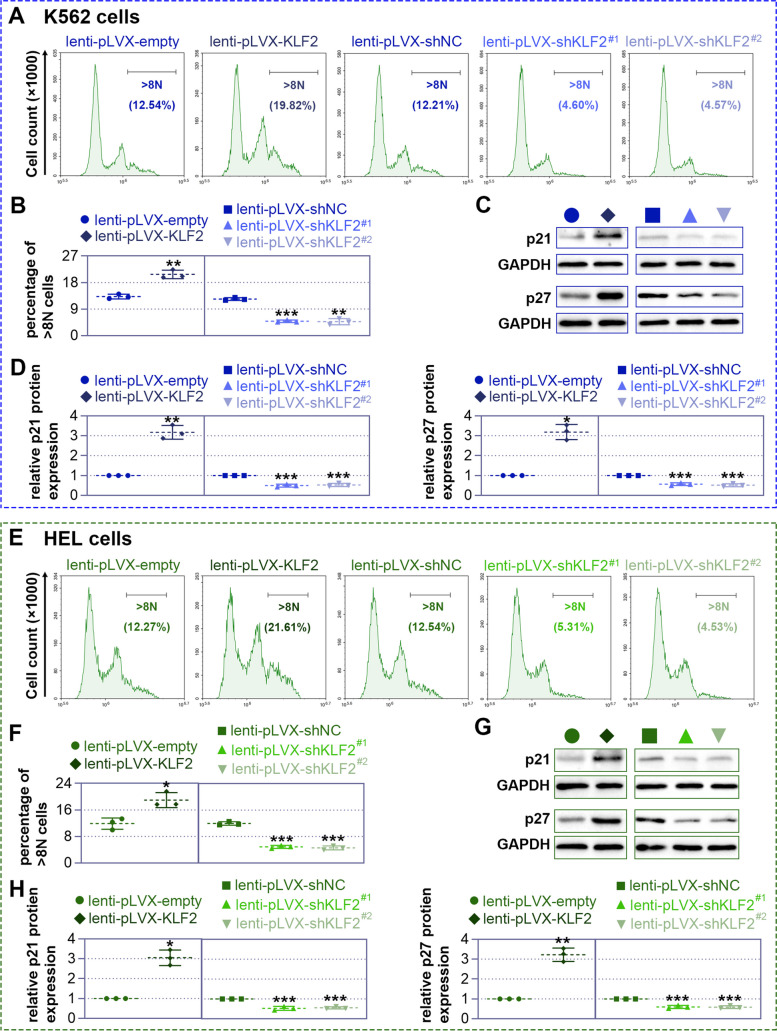 Figure 5
 Figure 6
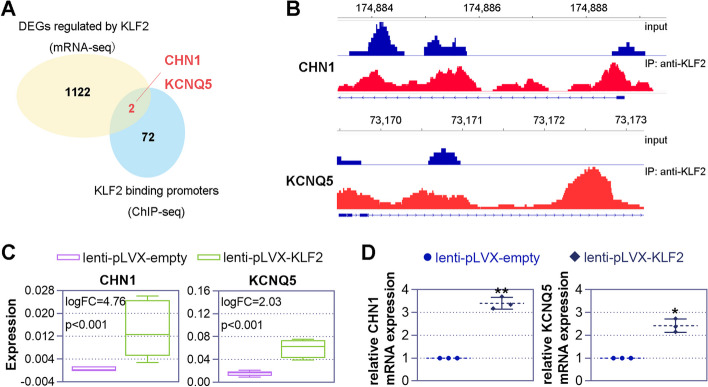 Figure 7
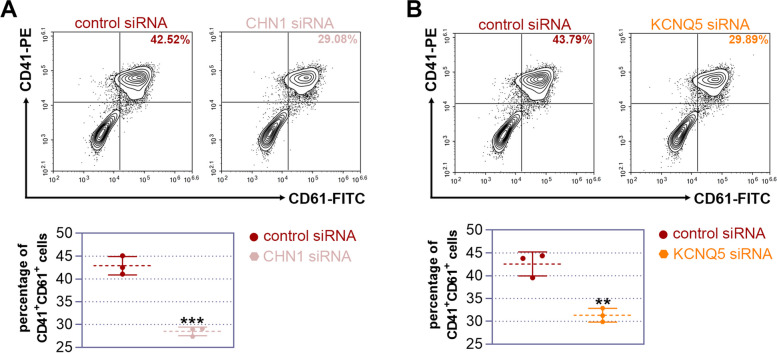 Figure 8
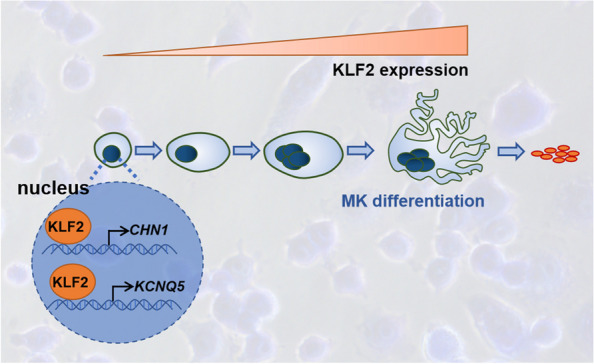 Figure 9
Peer Reviews
No public reviews on file for this paper yet. If you reviewed it on a platform where reviews are public (OpenReview, ICLR, NeurIPS, ICML), you can paste yours below so the community can read it here.
Videos
No videos yet. Explain this paper in a talk, walkthrough, or lecture? Add one.
Taxonomy
TopicsKruppel-like factors research · Genetic Syndromes and Imprinting · Cancer-related gene regulation