Targeted proteomics of plasma extracellular vesicles uncovers MUC1 as combinatorial biomarker for the early detection of high-grade serous ovarian cancer
Tyler T. Cooper, Dylan Z. Dieters-Castator, Jiahui Liu, Gabrielle M. Siegers, Desmond Pink, Lorena Veliz, John D. Lewis, François Lagugné-Labarthet, Yangxin Fu, Helen Steed, Gilles A. Lajoie, Lynne-Marie Postovit

TL;DR
This study identifies MUC1 as a promising biomarker for early detection of high-grade serous ovarian cancer using proteomics of blood-based extracellular vesicles.
Contribution
The study introduces MUC1 as a combinatorial biomarker for early-stage high-grade serous ovarian cancer detection using EV proteomics.
Findings
MUC1 was identified as a significant biomarker in two cohorts using proteomic analysis of extracellular vesicles.
Combination of MUC1 with other biomarkers achieved high specificity and sensitivity (ROC-AUC > 0.90) for early-stage detection.
ELISA validation confirmed MUC1's diagnostic utility in early-stage high-grade serous ovarian cancer.
Abstract
The five-year prognosis for patients with late-stage high-grade serous carcinoma (HGSC) remains dismal, underscoring the critical need for identifying early-stage biomarkers. This study explores the potential of extracellular vesicles (EVs) circulating in blood, which are believed to harbor proteomic cargo reflective of the HGSC microenvironment, as a source for biomarker discovery. We conducted a comprehensive proteomic profiling of EVs isolated from blood plasma, ascites, and cell lines of patients, employing both data-dependent (DDA) and data-independent acquisition (DIA) methods to construct a spectral library tailored for targeted proteomics. Our investigation aimed at uncovering novel biomarkers for the early detection of HGSC by comparing the proteomic signatures of EVs from women with HGSC to those with benign gynecological conditions. The initial cohort, comprising 19 donors,…
Genes, proteins, chemicals, diseases, species, mutations and cell lines named across the full text — each resolved to its canonical identifier and authoritative record.
Click any figure to enlarge with its caption.
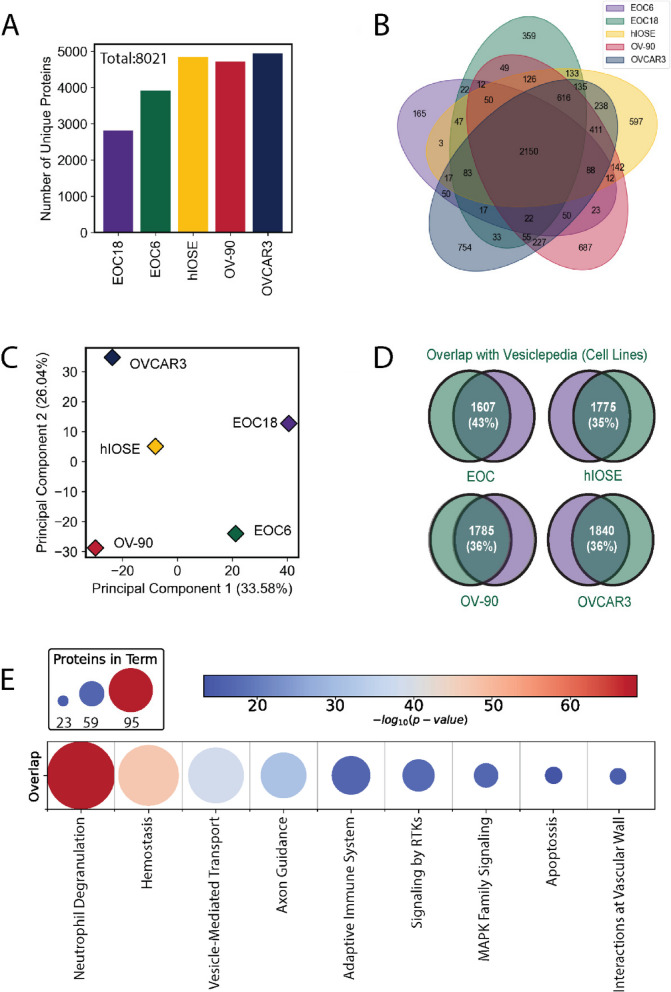 Figure 1
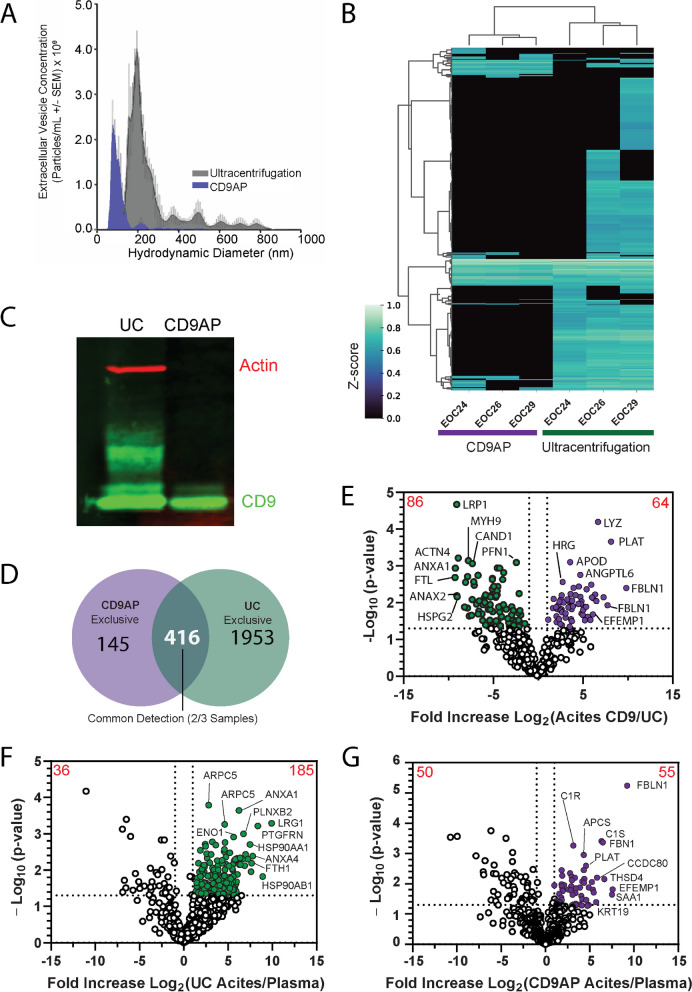 Figure 2
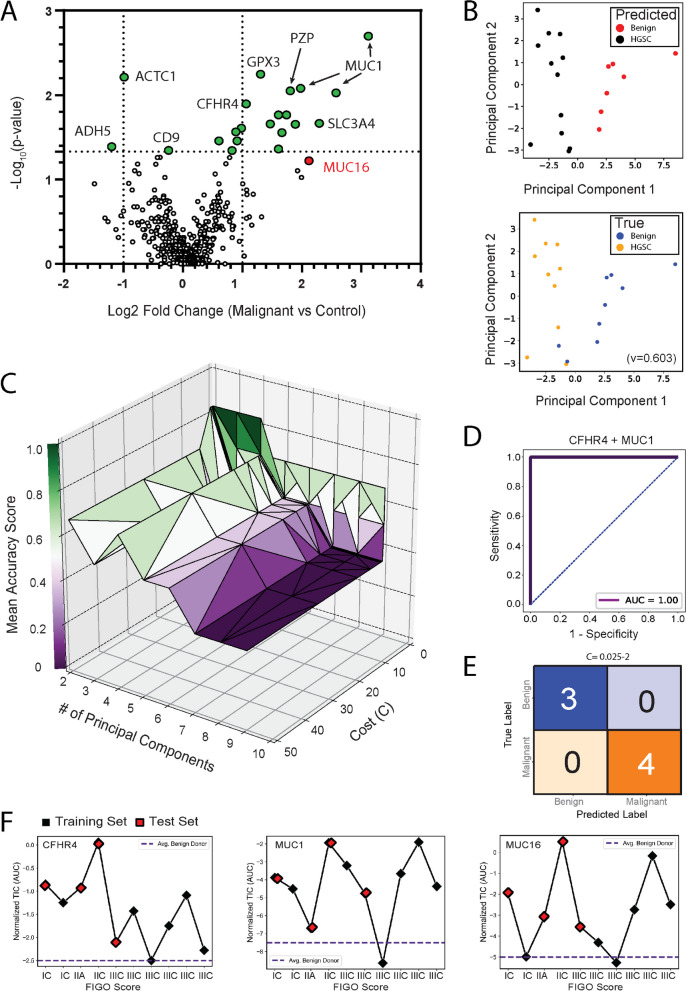 Figure 3
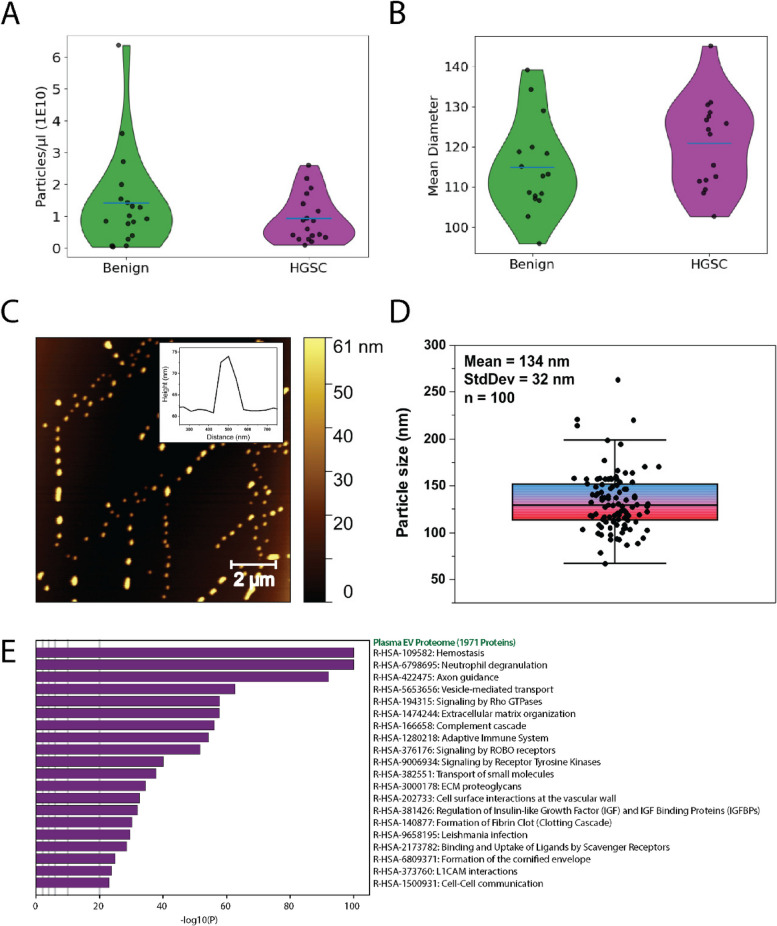 Figure 4
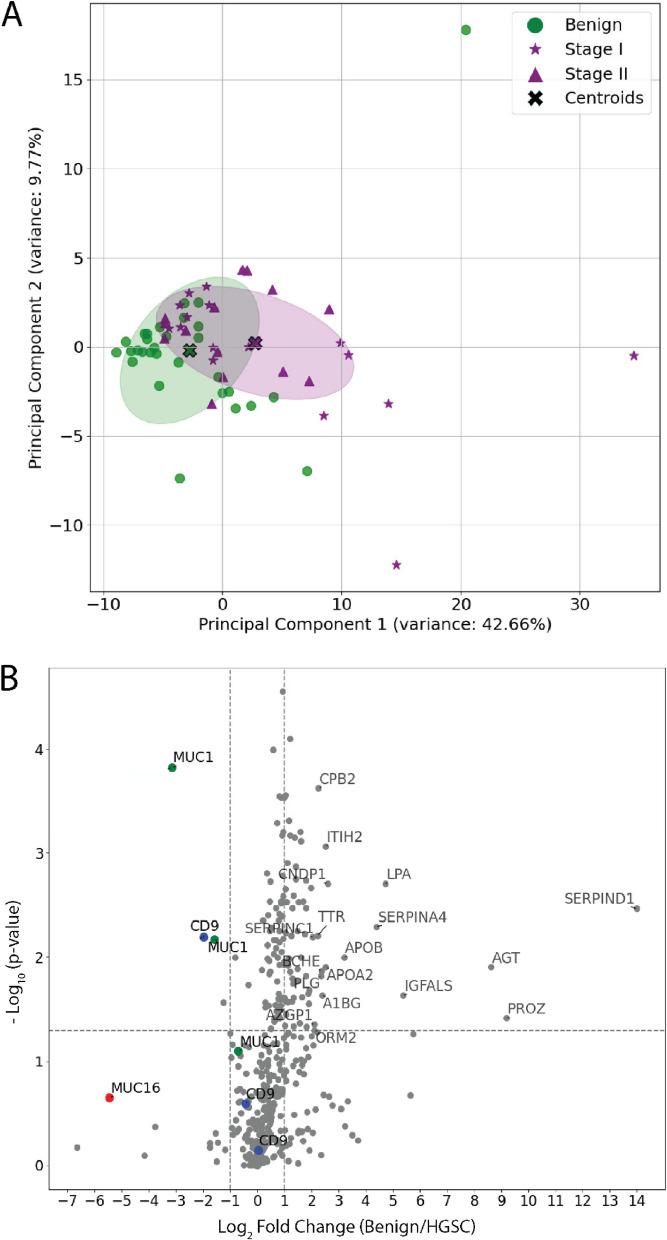 Figure 5
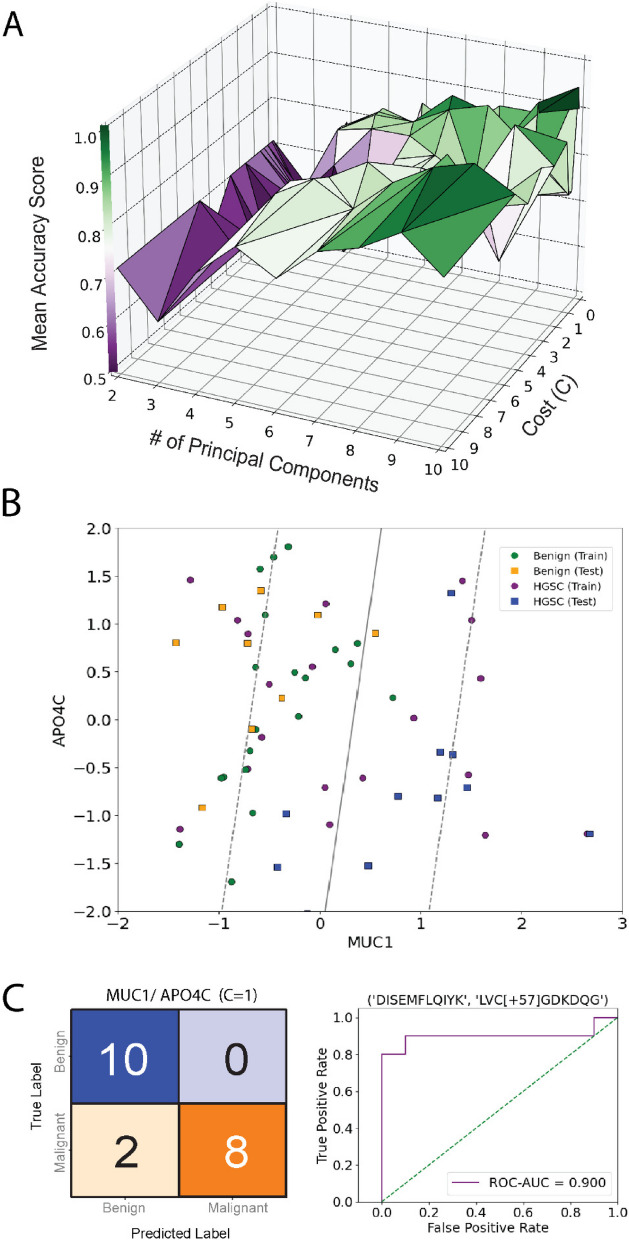 Figure 6
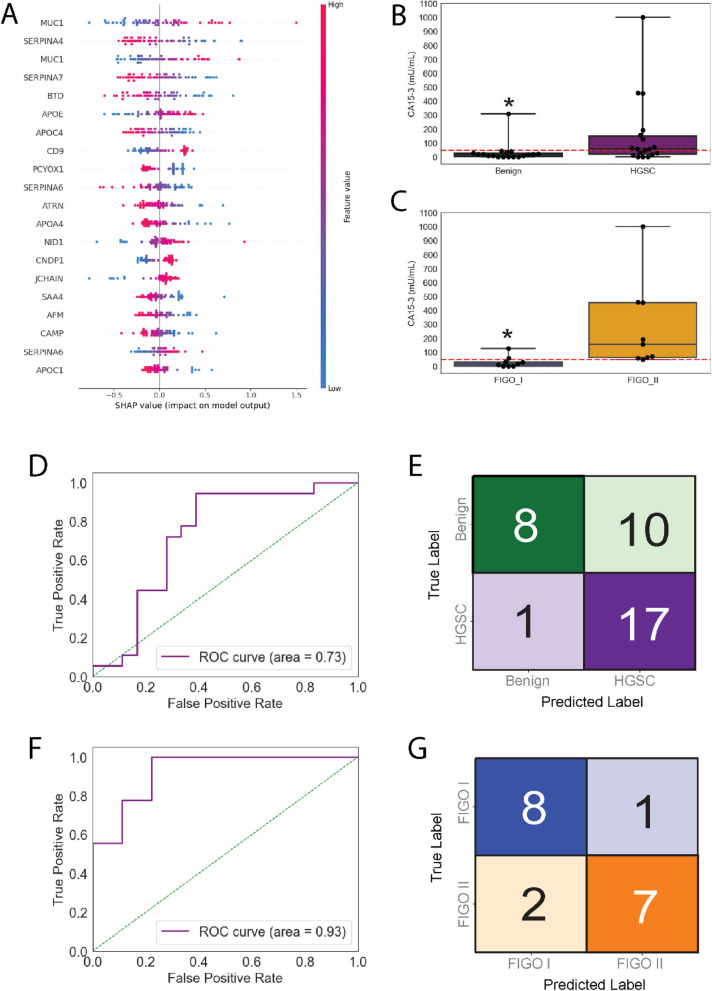 Figure 7
Peer Reviews
No public reviews on file for this paper yet. If you reviewed it on a platform where reviews are public (OpenReview, ICLR, NeurIPS, ICML), you can paste yours below so the community can read it here.
Videos
No videos yet. Explain this paper in a talk, walkthrough, or lecture? Add one.
Taxonomy
TopicsImage and Video Quality Assessment · Advanced Wireless Network Optimization