Osmundastrum cinnamomeum population differences in three habitat types in South Korea
Ho Yeong Yu, Jae Geun Kim

TL;DR
This study finds that montane wetlands are the best habitat for Osmundastrum cinnamomeum in South Korea, but climate change and human activity threaten these areas.
Contribution
The study identifies montane wetlands as the optimal habitat for O. cinnamomeum and highlights threats from anthropogenic disturbances and climate change.
Findings
Montane wetlands had the highest biomass and reproductive investment for O. cinnamomeum.
High-elevation mountains supported better growth but limited reproduction due to low light.
Low-elevation habitats had factors like high temperature and human disturbance that hinder fern survival.
Abstract
Most ferns occur in moist and shaded environments; their relatively narrow band of survival conditions increase their extinction risk under Anthropocene-linked climate change. Osmundastrum cinnamomeum (L.) C. Presl is a perennial fern that has a natural distribution primarily encompassing the East Asian mountains. In this study, we characterized the vegetation and environmental factors in low- and high-elevation mountain ranges and montane wetlands to elucidate the optimal habitat for O. cinnamomeum. We found that populations of O. cinnamomeum developed better in high-elevation mountains than in low-elevation mountains. However, the low light intensity in high mountain forests reduces opportunities for reproduction. The montane wetlands recorded the highest biomass among the three habitat types, and the investment in reproduction was also significantly higher. The montane wetlands also…
Genes, proteins, chemicals, diseases, species, mutations and cell lines named across the full text — each resolved to its canonical identifier and authoritative record.
Click any figure to enlarge with its caption.
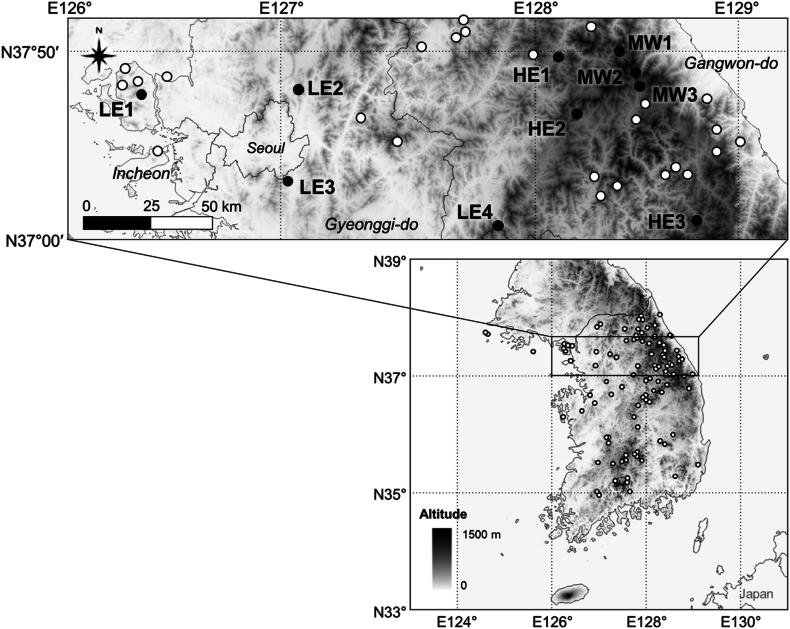 Figure 1
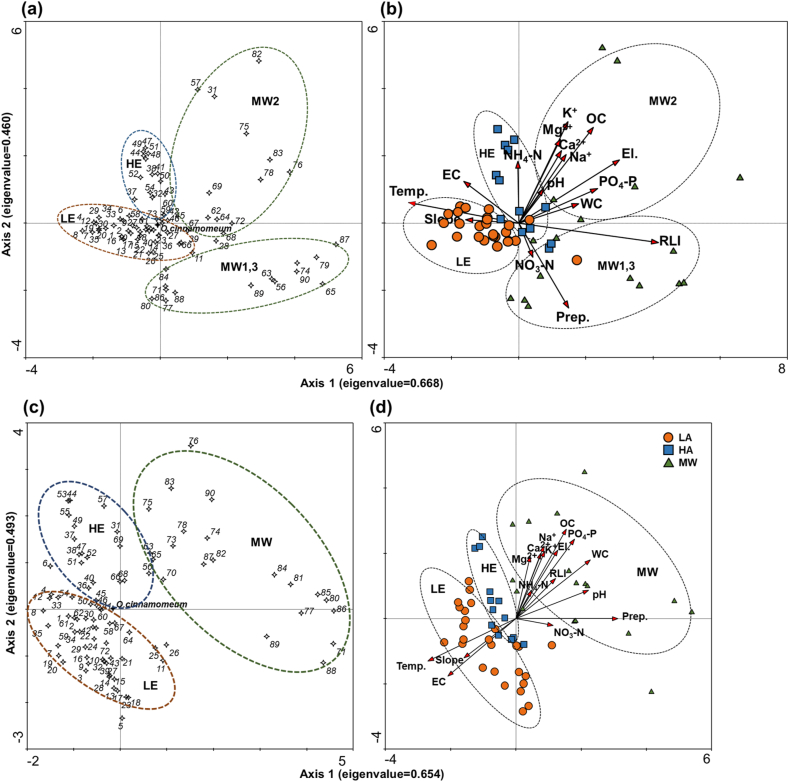 Figure 2
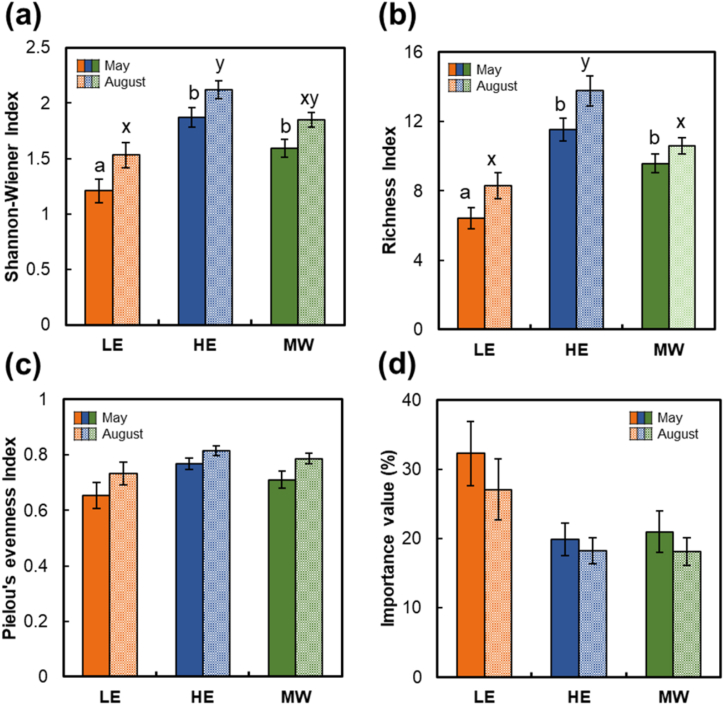 Figure 3
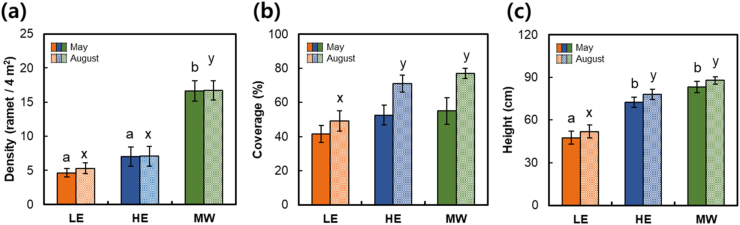 Figure 4
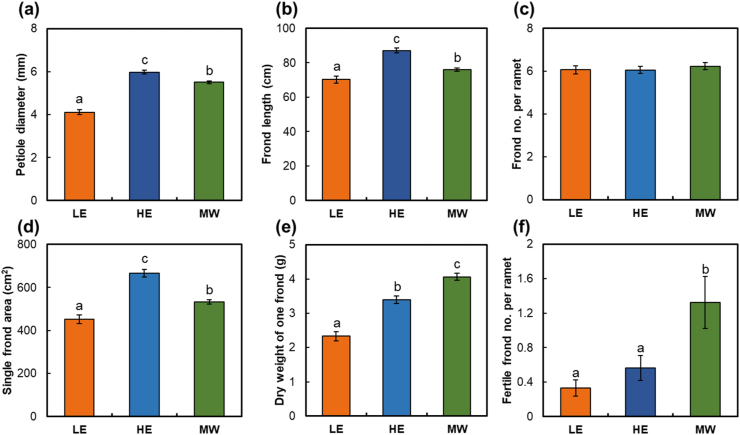 Figure 5
Peer Reviews
No public reviews on file for this paper yet. If you reviewed it on a platform where reviews are public (OpenReview, ICLR, NeurIPS, ICML), you can paste yours below so the community can read it here.
Videos
No videos yet. Explain this paper in a talk, walkthrough, or lecture? Add one.
Taxonomy
TopicsPublic Policy and Administration Research · Dutch Social and Cultural Studies · Sustainability, Governance, and Employment Studies