Bone marrow monocytes and macrophages from mice lacking βENaC and ASIC2 have a reduced chemotactic migration response and polarization
Robert Wasson, Adam B. Fleming, Je’la McLin, Emily Hildebrandt, Heather A. Drummond

TL;DR
This study shows that certain proteins in mouse bone marrow cells affect their movement and immune response, which could be important for treating injuries or diseases.
Contribution
The study identifies βENaC and ASIC2 as key regulators of macrophage migration and polarization in bone marrow.
Findings
αENaC, βENaC, and ASIC2 subunits contribute to chemotactic migration in bone marrow monocyte–macrophages.
Loss of βENaC and ASIC2 shifts macrophage polarization toward the M1 phenotype.
Rescue of βENaC or ASIC2 recovers select M1 phenotypic markers.
Abstract
The monocyte–macrophage system plays an important role in phagocytosis of pathogens and cellular debris following infection or tissue injury in several pathophysiological conditions. We examined ENaC/ASIC subunit transcript expression and the importance of select subunits in migration of bone marrow derived monocytes (freshly isolated) and macrophages (monocytes differentiated in culture). We also examined the effect of select subunit deletion on macrophage phenotype. BM monocytes were harvested from the femurs of male and female WT and KO mice (6–12 weeks of age). Our results show that α, β, γENaC, and ASIC1‐5 transcripts are expressed in BM macrophages and monocytes to varying degrees. At least αENaC, βENaC, and ASIC2 subunits contribute to chemotactic migration responses in BM monocyte–macrophages. Polarization markers (CD86, soluble TNFα) in BM macrophages from mice lacking ASIC2a…
Genes, proteins, chemicals, diseases, species, mutations and cell lines named across the full text — each resolved to its canonical identifier and authoritative record.
Click any figure to enlarge with its caption.
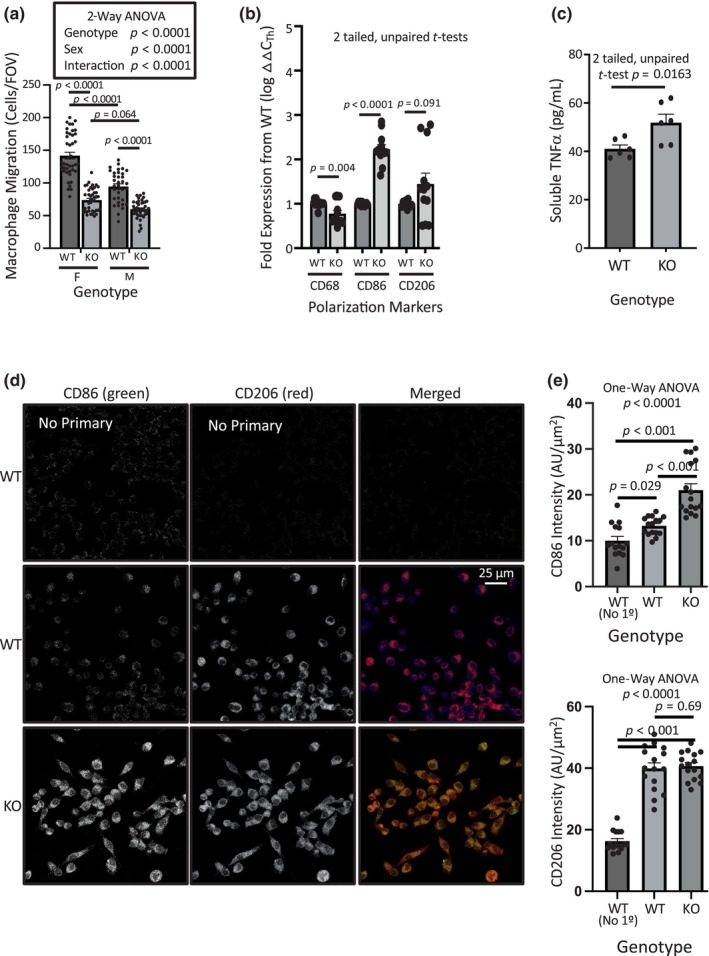 Figure 1
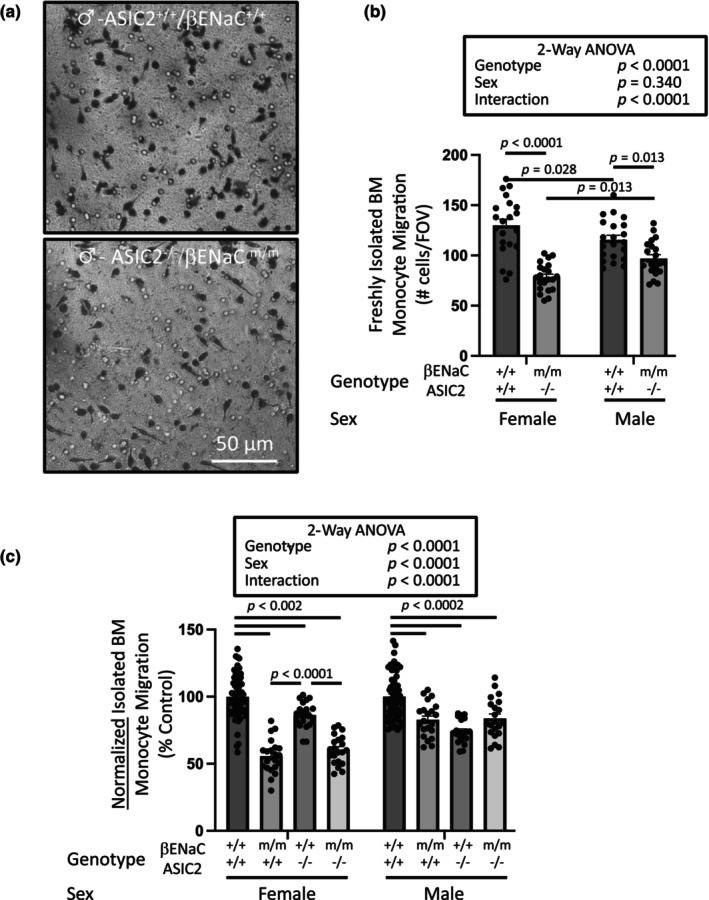 Figure 2
 Figure 3
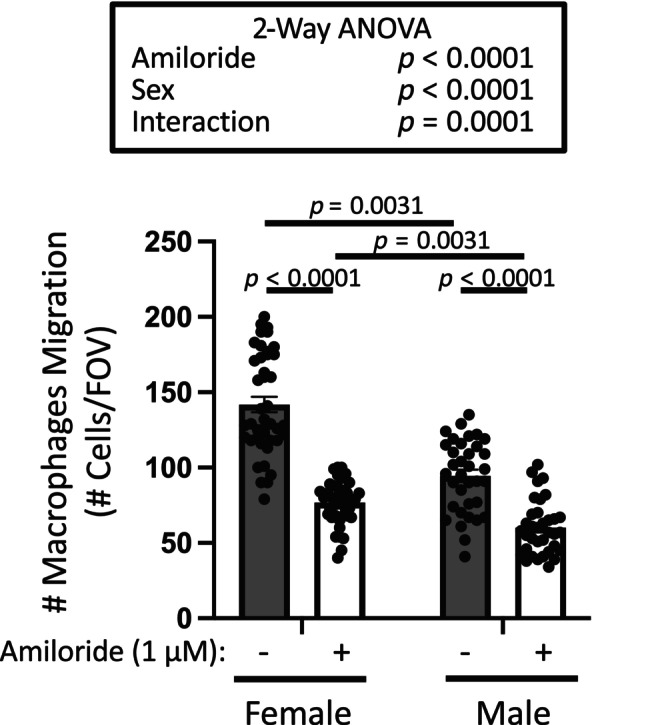 Figure 4
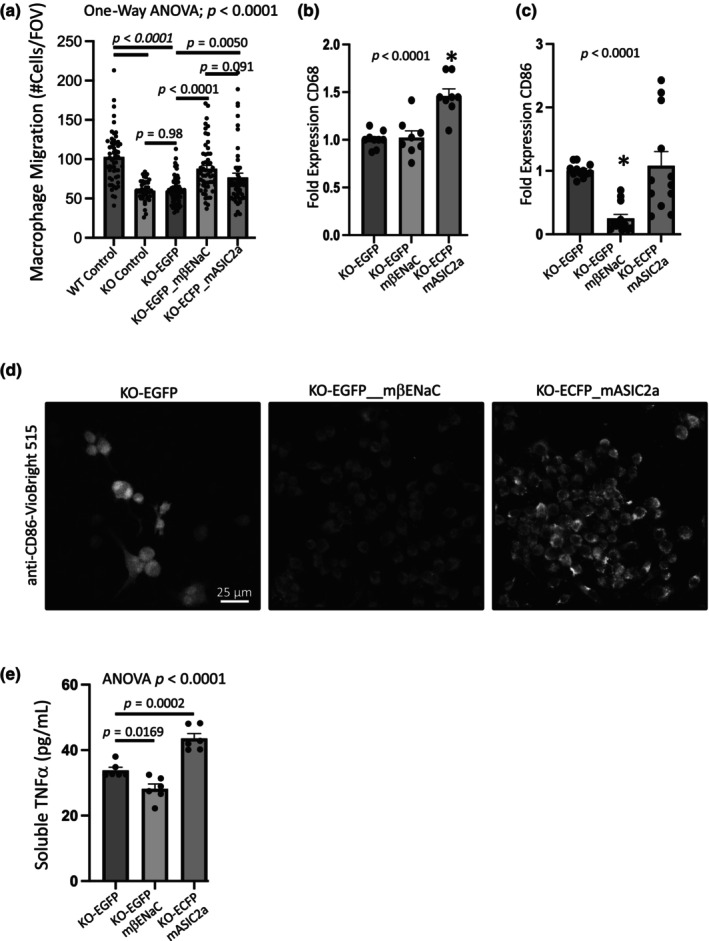 Figure 5
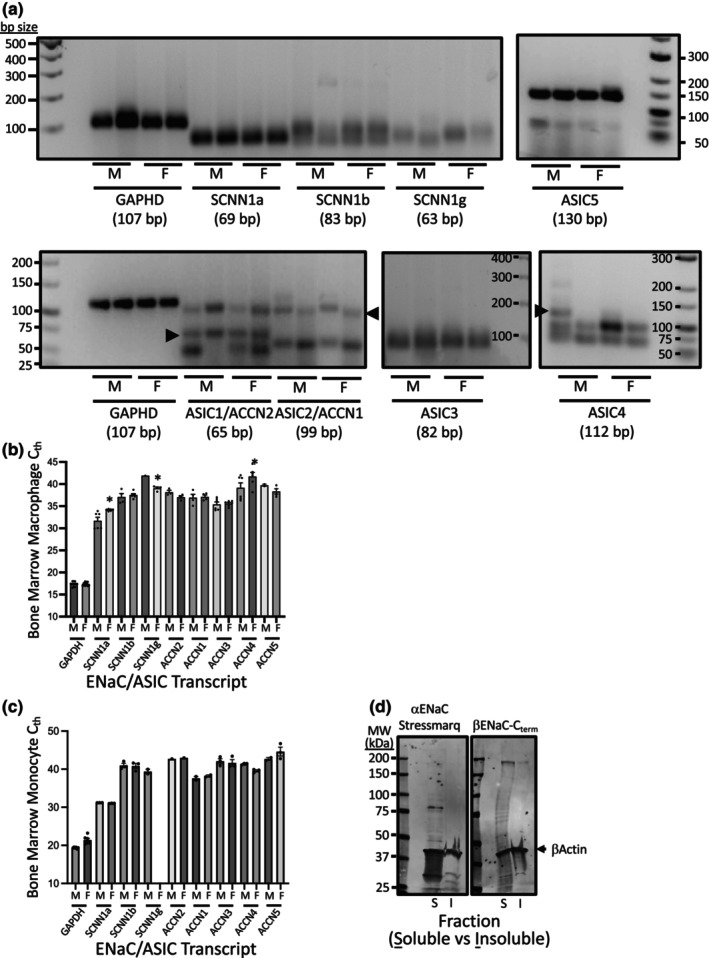 Figure 6
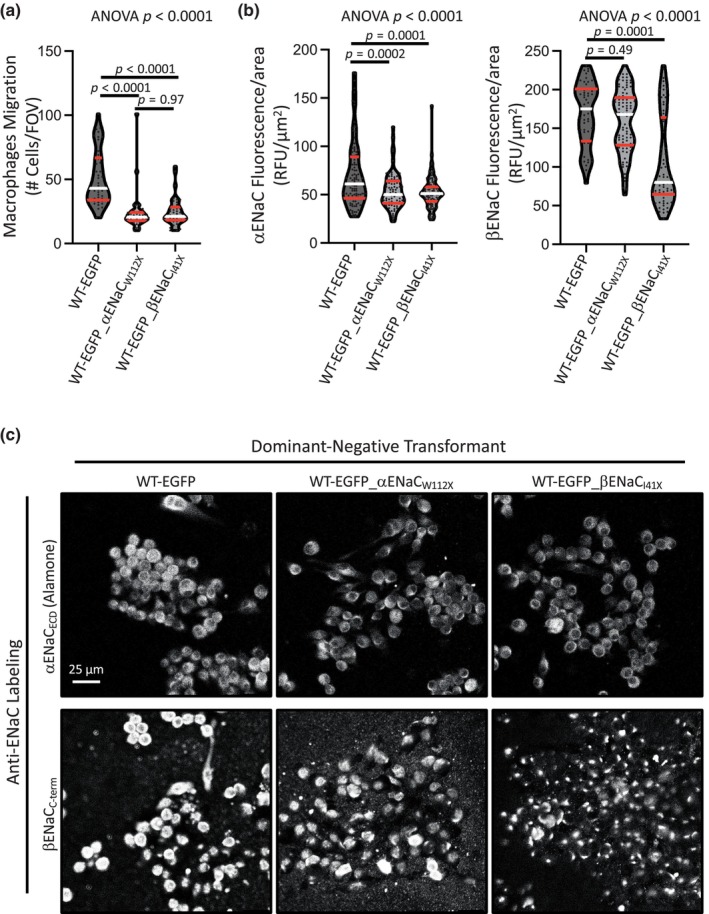 Figure 7
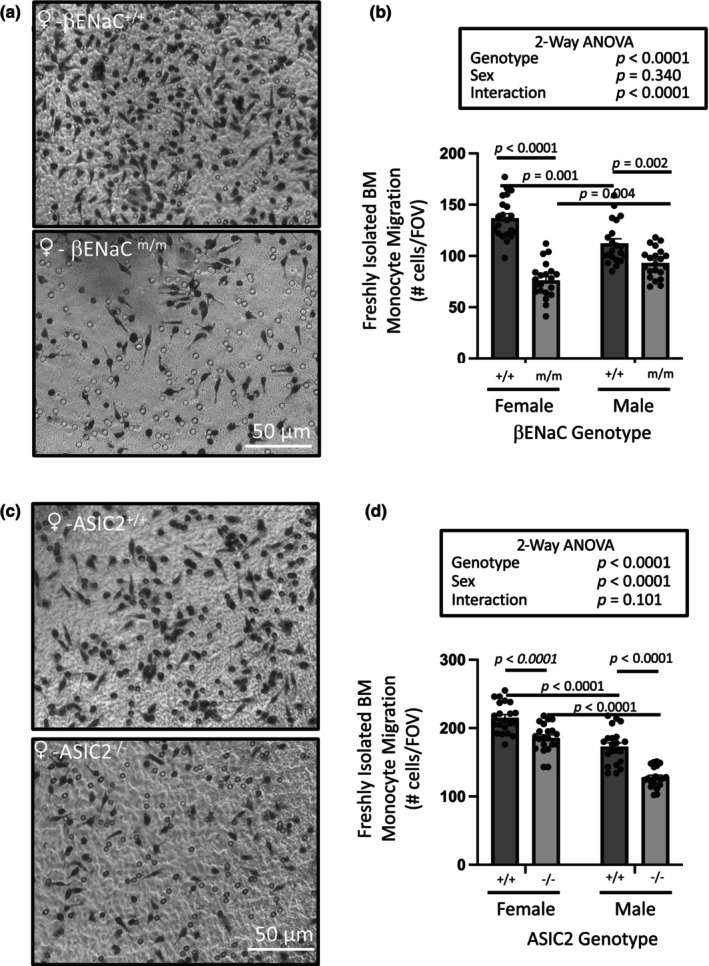 Figure 8
Peer Reviews
No public reviews on file for this paper yet. If you reviewed it on a platform where reviews are public (OpenReview, ICLR, NeurIPS, ICML), you can paste yours below so the community can read it here.
Videos
No videos yet. Explain this paper in a talk, walkthrough, or lecture? Add one.
Taxonomy
TopicsErythrocyte Function and Pathophysiology · Immune cells in cancer · Sphingolipid Metabolism and Signaling