Stroke‐induced excess in capillarization relative to oxidative capacity in rats is muscle specific
Hans Degens, Arjun Paudyal, Gert Kwakkel, Mark Slevin, Huub Maas

TL;DR
This study finds that stroke in rats leads to muscle-specific changes in capillarization and oxidative capacity, without causing muscle atrophy.
Contribution
The study reveals that stroke-induced changes in muscle capillarization and oxidative capacity are specific to certain muscles.
Findings
Stroke in rats caused a reduction in oxidative capacity in the ECR muscle but not in the FCU.
Capillary spacing became less heterogeneous in both muscles, potentially improving oxygenation.
The capillary-to-fiber ratio per unit of oxidative capacity increased in the ECR after stroke.
Abstract
Stroke is not only associated with muscle weakness, but also associated with reduced muscle fatigue resistance and reduced desaturation during exercise that may be caused by a reduced oxidative capacity and/or microvasculature. Therefore, the objective of the present study was to determine the effects of stroke on muscle mass, fiber size and shape, capillarization and oxidative capacity of the rat m. extensor carpi radialis (ECR) and m. flexor carpi ulnaris (FCU) after a photothrombotic stroke in the forelimb region of the primary sensorimotor cortex. The main observation of the present study was that 4 weeks after induction of stroke there were no significant changes in muscle fiber size and shape. Although there was no significant capillary rarefaction, there was some evidence for remodeling of the capillary bed as reflected by a reduced heterogeneity of capillary spacing (p = 0.006)…
Genes, proteins, chemicals, diseases, species, mutations and cell lines named across the full text — each resolved to its canonical identifier and authoritative record.
Click any figure to enlarge with its caption.
 Figure 1
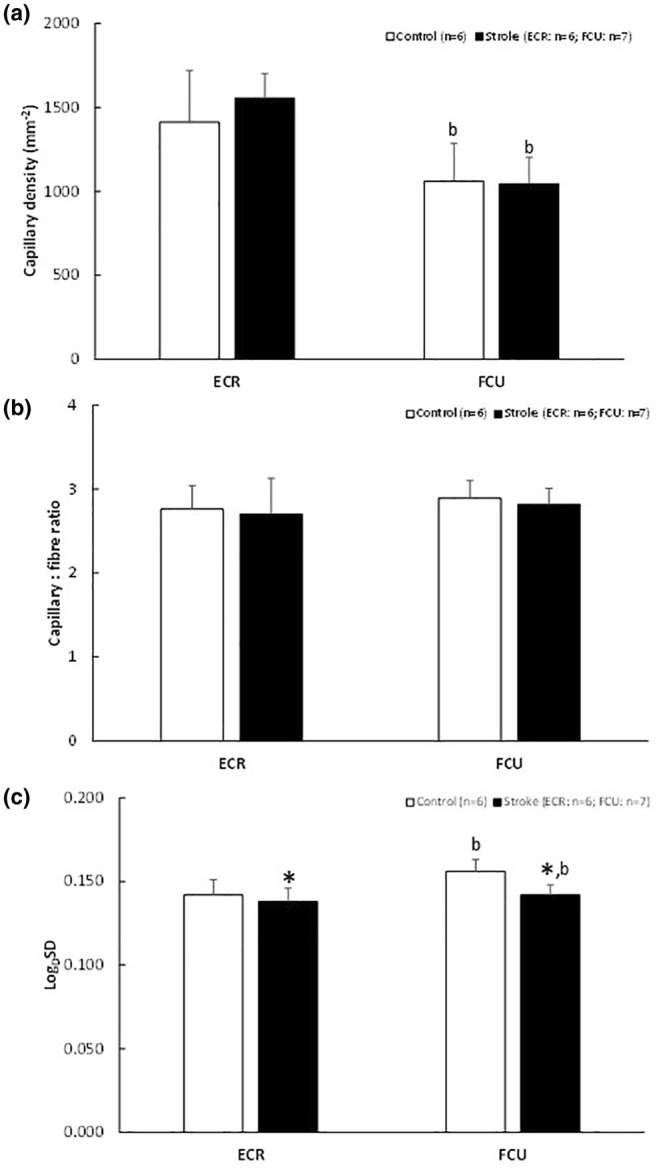 Figure 2
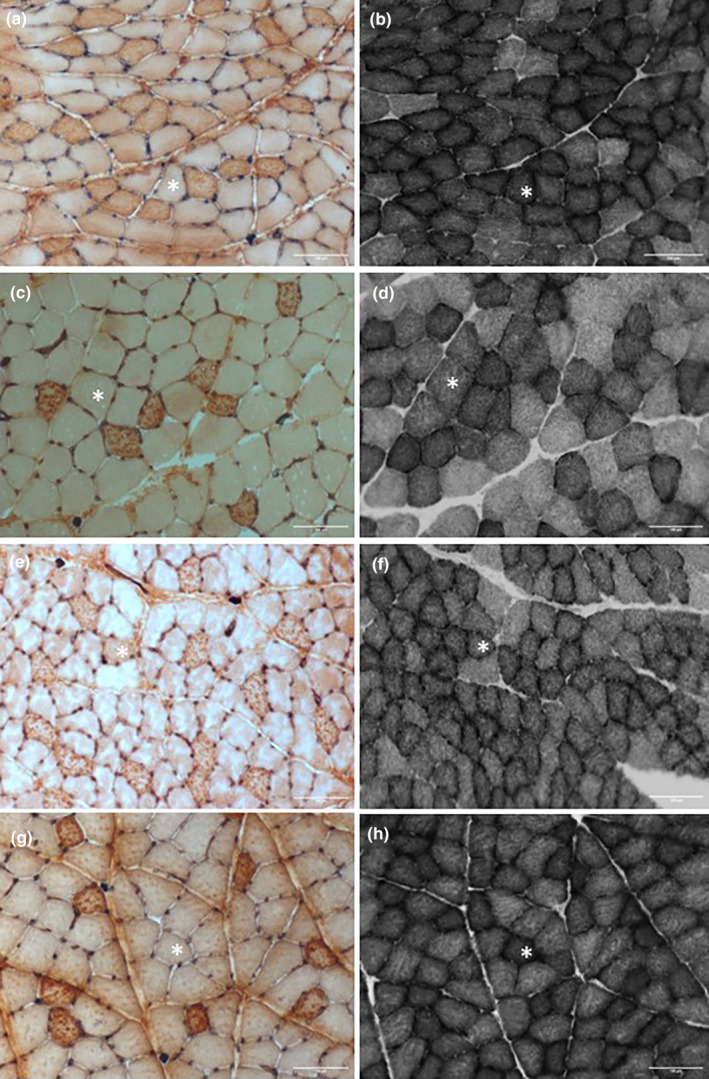 Figure 3
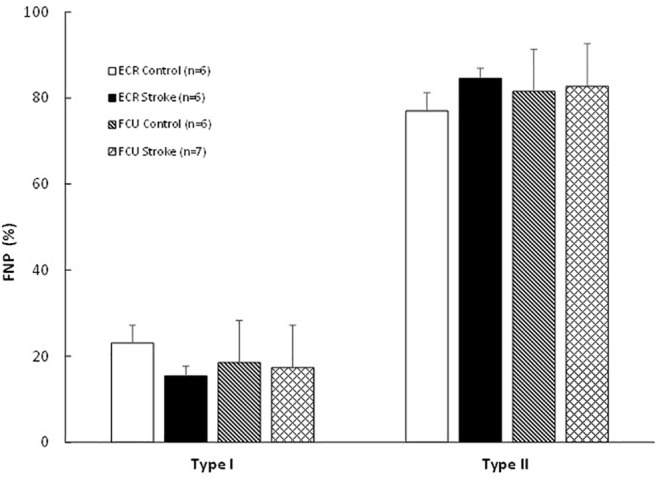 Figure 4
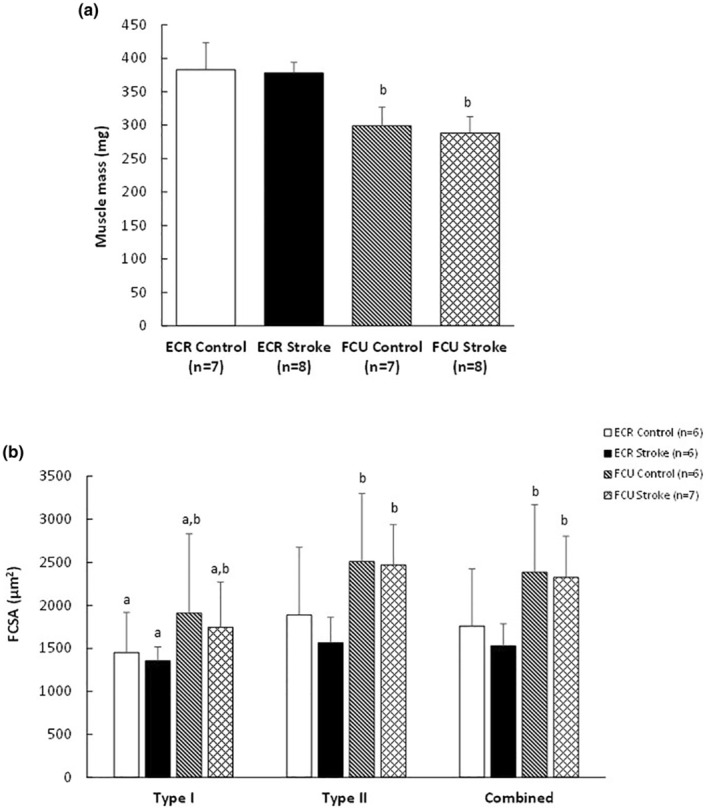 Figure 5
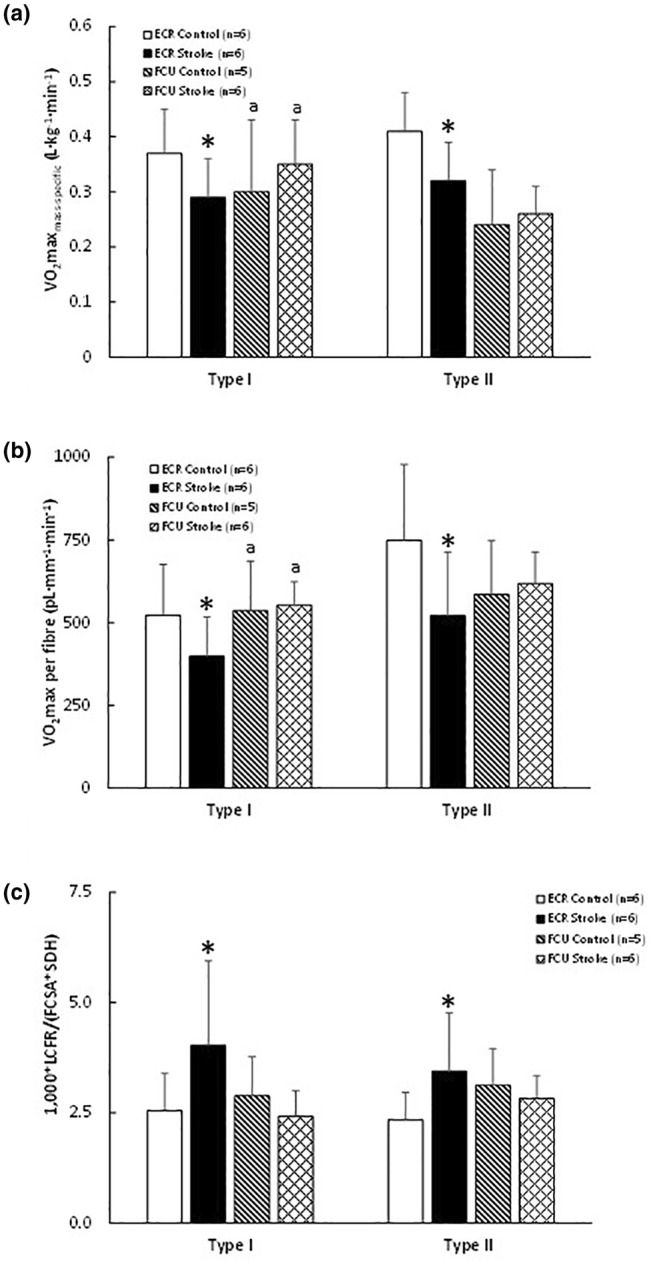 Figure 6
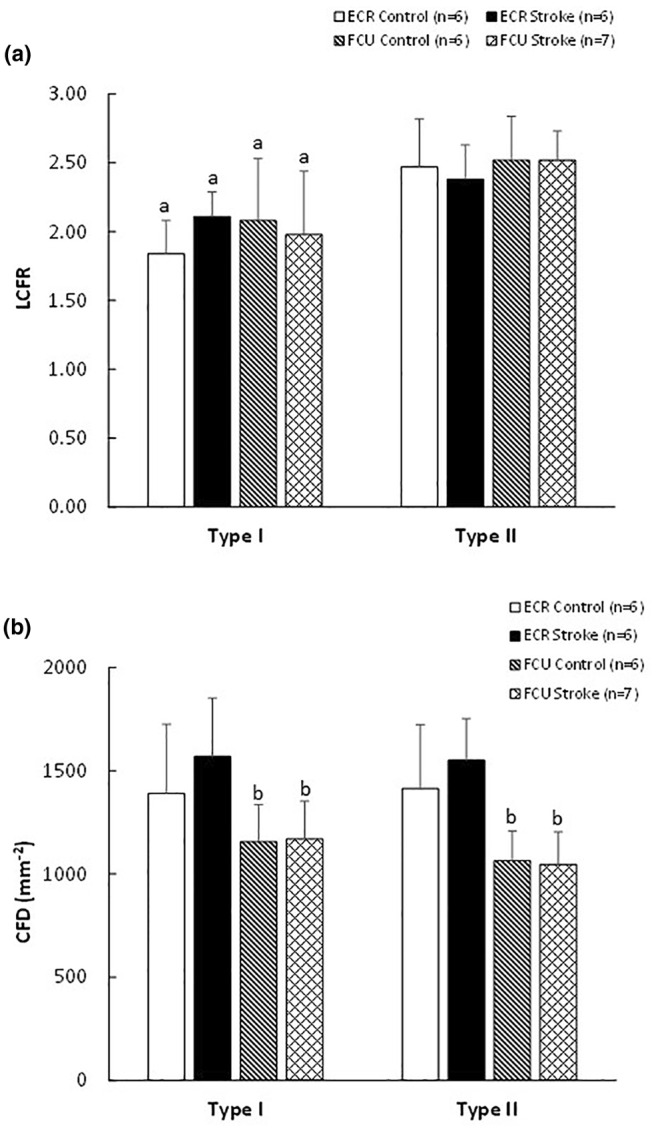 Figure 7
Peer Reviews
No public reviews on file for this paper yet. If you reviewed it on a platform where reviews are public (OpenReview, ICLR, NeurIPS, ICML), you can paste yours below so the community can read it here.
Videos
No videos yet. Explain this paper in a talk, walkthrough, or lecture? Add one.
Taxonomy
TopicsCardiovascular and exercise physiology · Stroke Rehabilitation and Recovery · Muscle activation and electromyography studies