A three-dimensional lattice-free agent-based model of intracellular ice formation and propagation and intercellular mechanics in liver tissues
Fatemeh Amiri, James D. Benson

TL;DR
This paper introduces a new model to simulate ice formation and its effects in liver tissues during freezing.
Contribution
The novel contribution is a lattice-free agent-based model that incorporates mechanical effects of ice formation in tissues.
Findings
The model demonstrates that individual cell freezing can cause mechanical consequences.
The model is consistent with earlier findings on intracellular ice formation.
The model accounts for ice growth in various tissue architectures like slabs, spheroids, and hepatocyte discs.
Abstract
A successful cryopreservation of tissues and organs is crucial for medical procedures and drug development acceleration. However, there are only a few instances of successful tissue cryopreservation. One of the main obstacles to successful cryopreservation is intracellular ice damage. Understanding how ice spreads can accelerate protocol development and enable model-based decision-making. Previous models of intracellular ice formation in individual cells have been extended to one-cell-wide arrays to establish the theory of intercellular ice propagation in tissues. The current lattice-based ice propagation models do not account for intercellular forces resulting from cell solidification, which could lead to mechanical disruption of tissue structures during freezing. Moreover, these models have not been expanded to include more realistic tissue architectures. In this article, we discuss…
Genes, proteins, chemicals, diseases, species, mutations and cell lines named across the full text — each resolved to its canonical identifier and authoritative record.
Click any figure to enlarge with its caption.
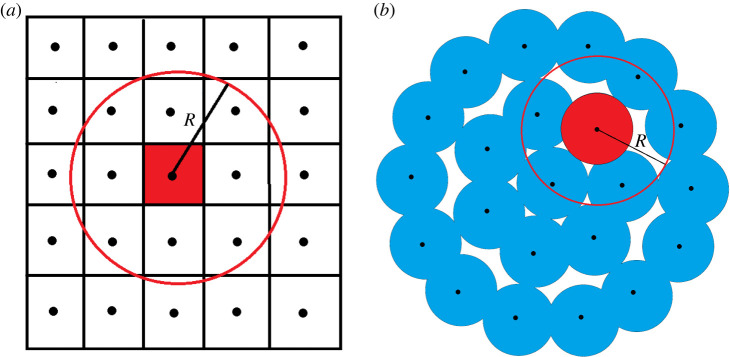 Figure 1
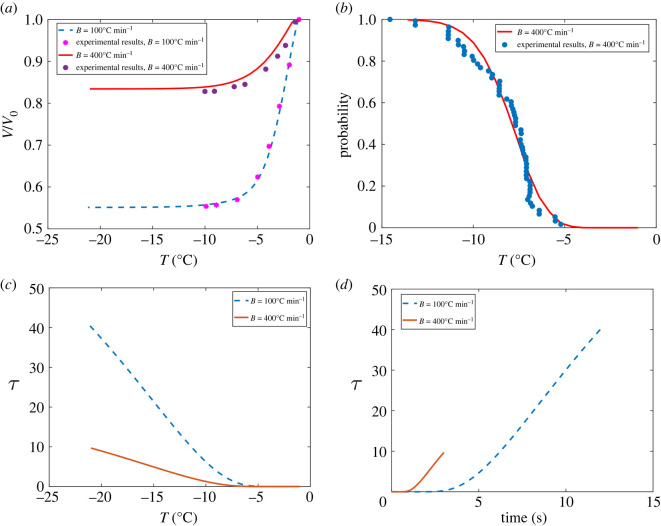 Figure 2
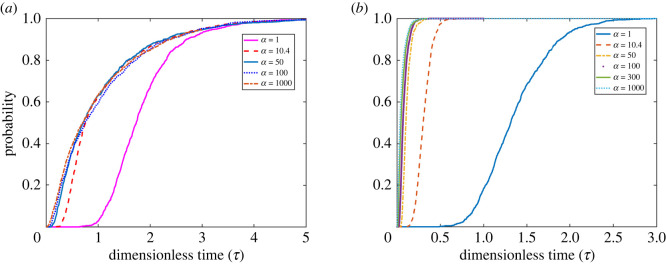 Figure 3
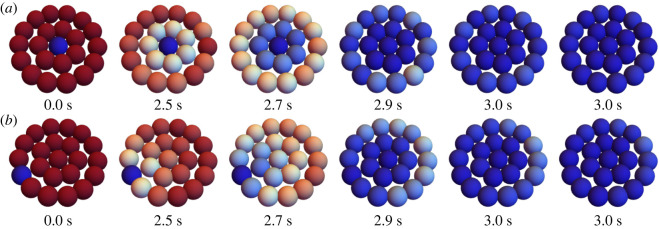 Figure 4
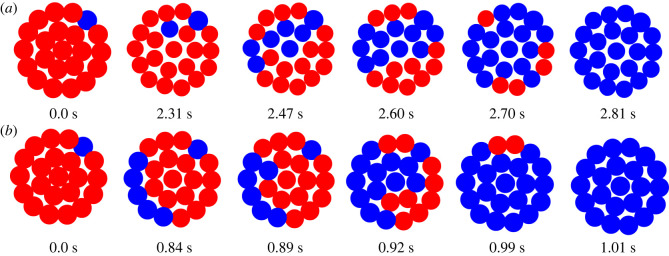 Figure 5
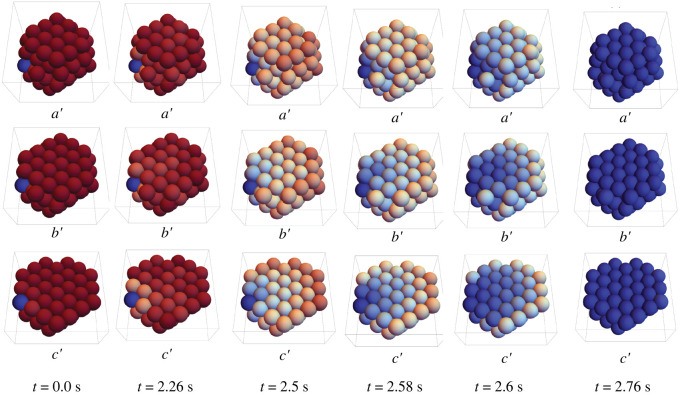 Figure 6
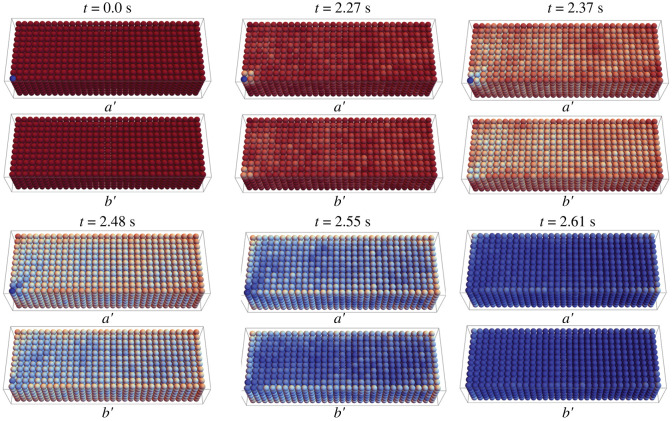 Figure 7
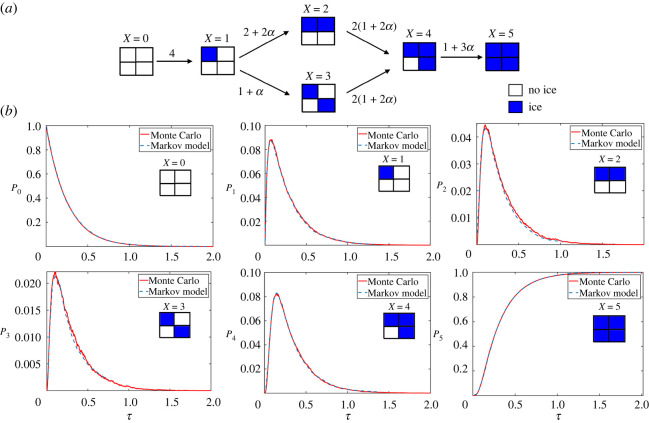 Figure 8
Peer Reviews
No public reviews on file for this paper yet. If you reviewed it on a platform where reviews are public (OpenReview, ICLR, NeurIPS, ICML), you can paste yours below so the community can read it here.
Videos
No videos yet. Explain this paper in a talk, walkthrough, or lecture? Add one.
Taxonomy
TopicsReproductive Biology and Fertility · nanoparticles nucleation surface interactions