Exploring the dynamics and trends of carbon emission spatiotemporal patterns in the Chengdu–Chongqing Economic Zone, China, from 2000 to 2020
Lu Che, Sidai Guo, Yangli Li, Yihao Zhu

TL;DR
This paper analyzes how carbon emissions have changed over time and space in the Chengdu–Chongqing Economic Zone in China from 2000 to 2020.
Contribution
The study introduces an integrated qualitative and quantitative system to analyze carbon emission patterns using corrected nighttime light data.
Findings
High carbon emission areas are mainly in Chengdu and Chongqing, while low emissions are in marginal cities and less industrialized regions.
Carbon emissions increased from 2000 to 2020, with high-emission zones expanding outward from central cities.
County and grid-scale emissions show significant positive spatial correlation that has increased over time.
Abstract
Analysis of the spatial–temporal pattern and trend of carbon emissions provides an important scientific basis for the development of a low-carbon economy. Based on the corrected NPP-VIIRS and DMSP/OLS nighttime light data, a carbon emission model for the Chengdu–Chongqing Economic Zone (CCEZ) in China is constructed. Furthermore, the article establishes an integrated qualitative and quantitative research system. The qualitative results show that at the city and county scales, the high carbon emission areas and counties are mainly distributed in Chengdu and Chongqing, while the low carbon emission areas are concentrated in the marginal cities of the CCEZ and the counties with low levels of industrialization around the Sichuan Basin. The high-carbon emission zone tended to expand to the north, and the low-carbon emission zone tended to expand to the south. At the grid scale, the carbon…
Click any figure to enlarge with its caption.
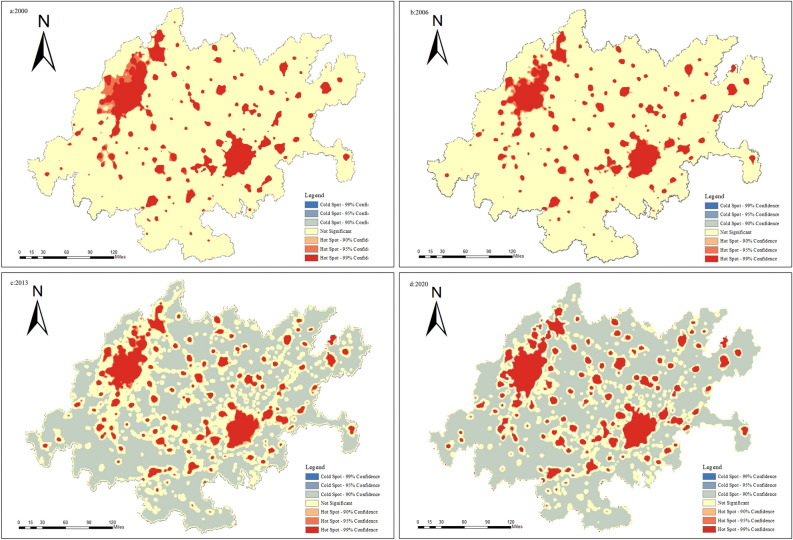 Figure 10
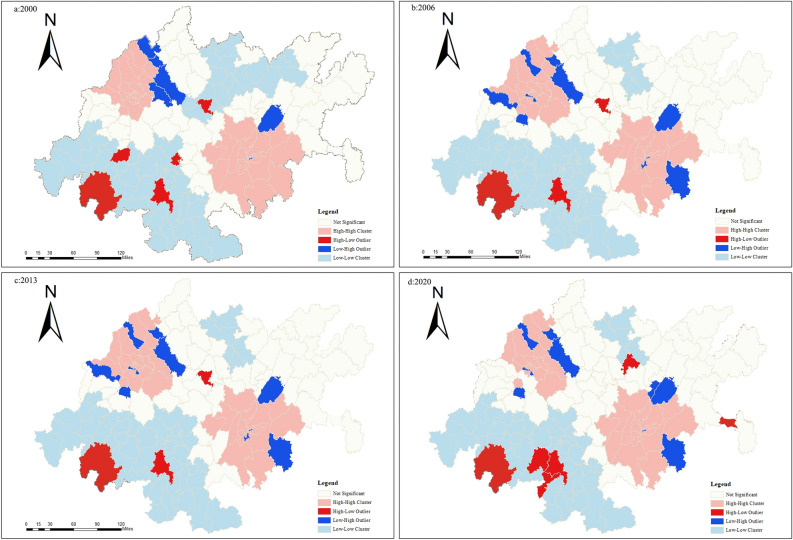 Figure 11
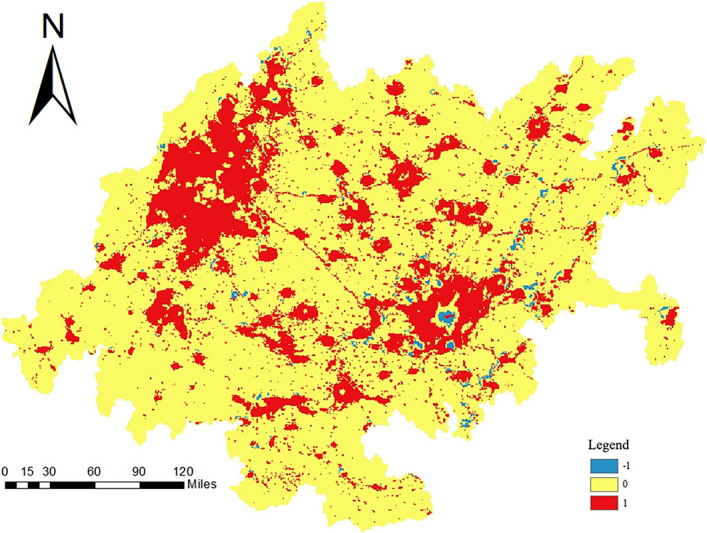 Figure 12
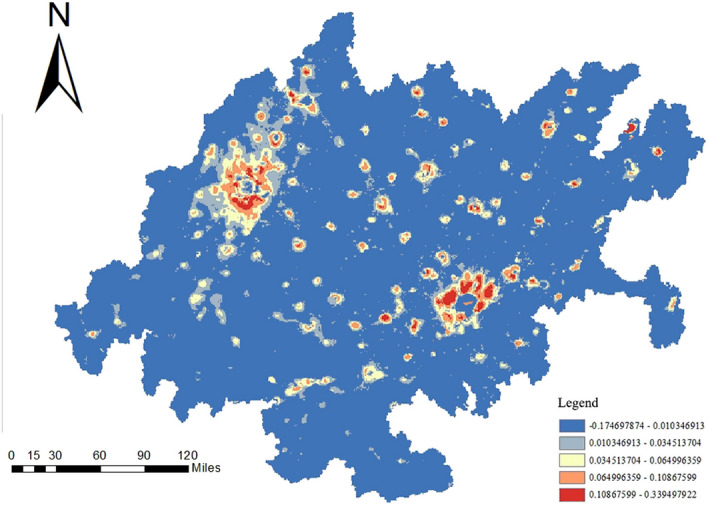 Figure 13
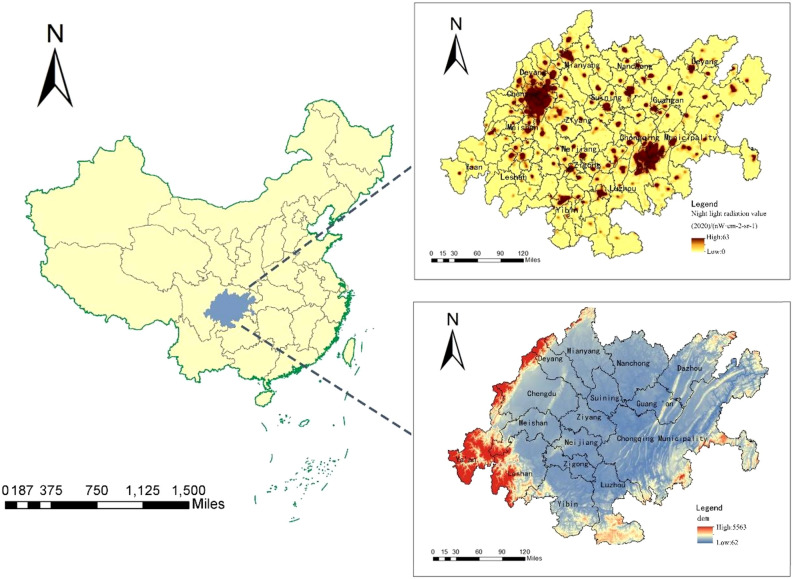 Figure 1
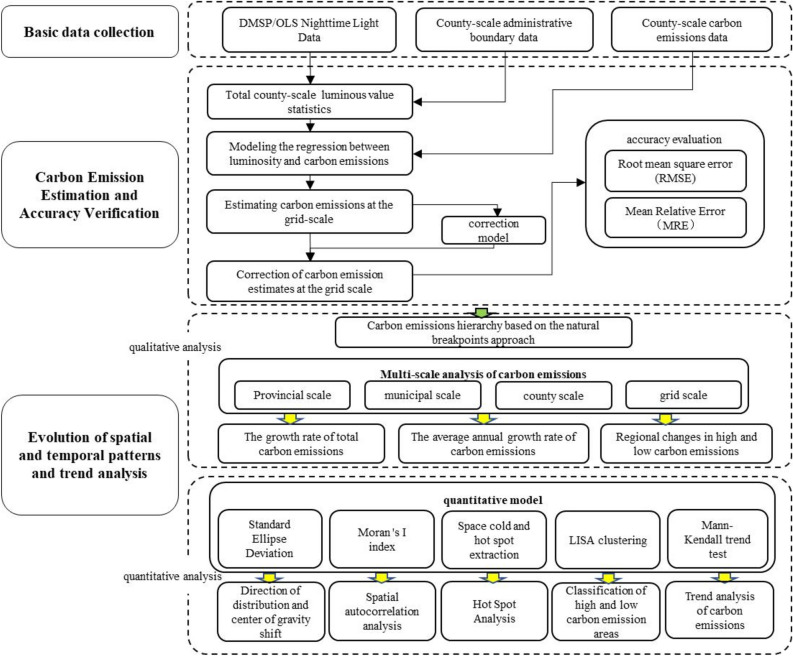 Figure 2
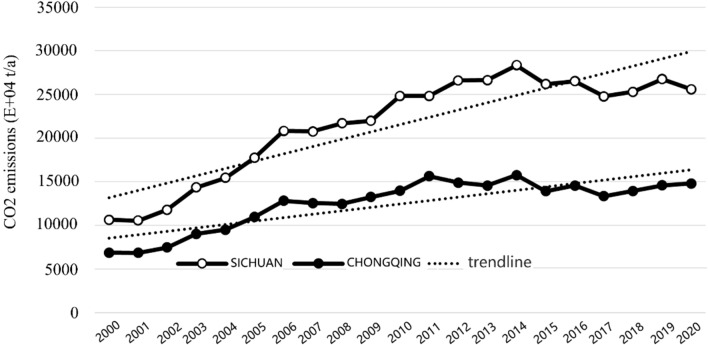 Figure 3
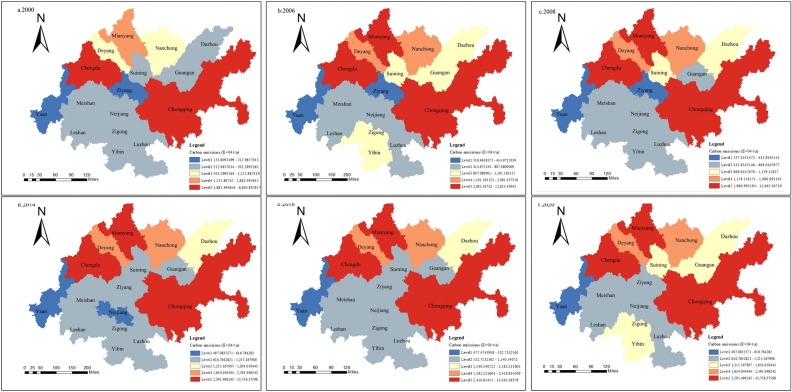 Figure 4
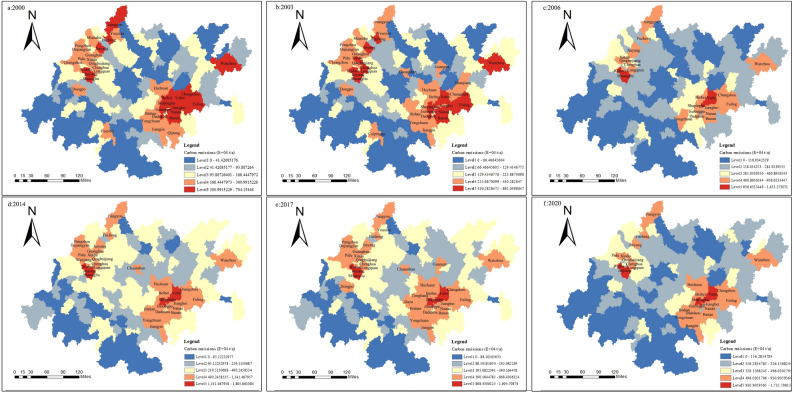 Figure 5
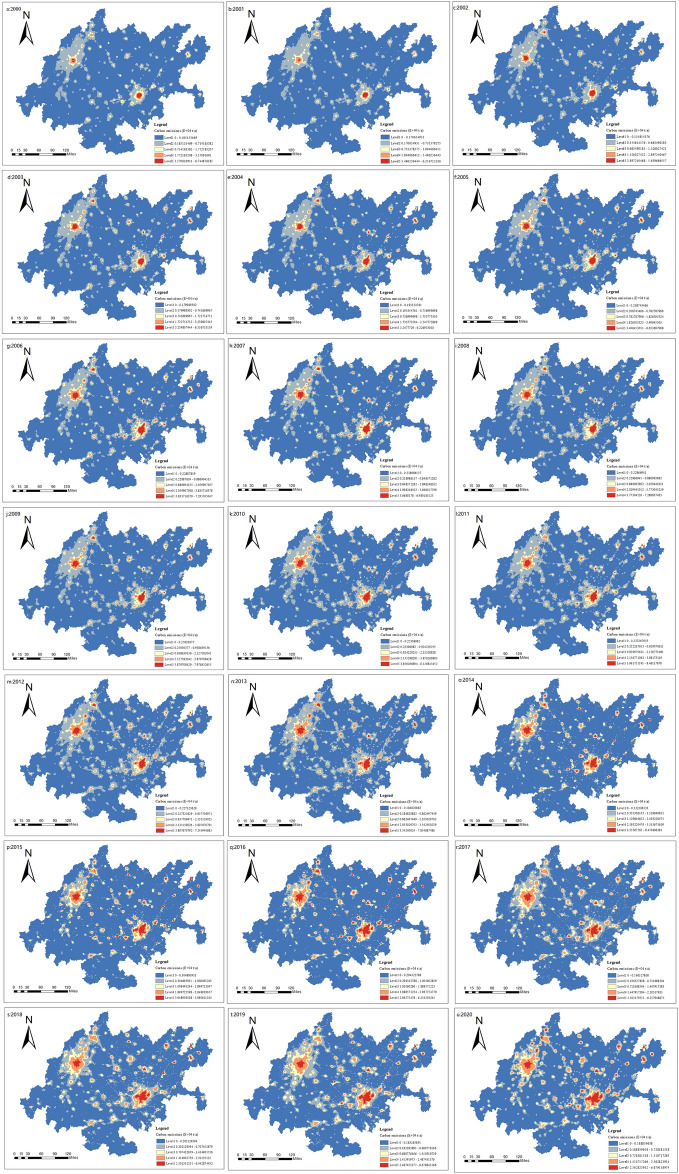 Figure 6
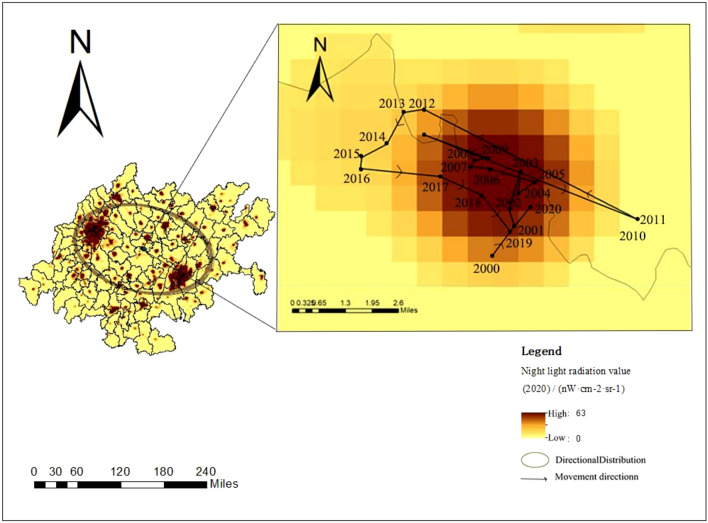 Figure 7
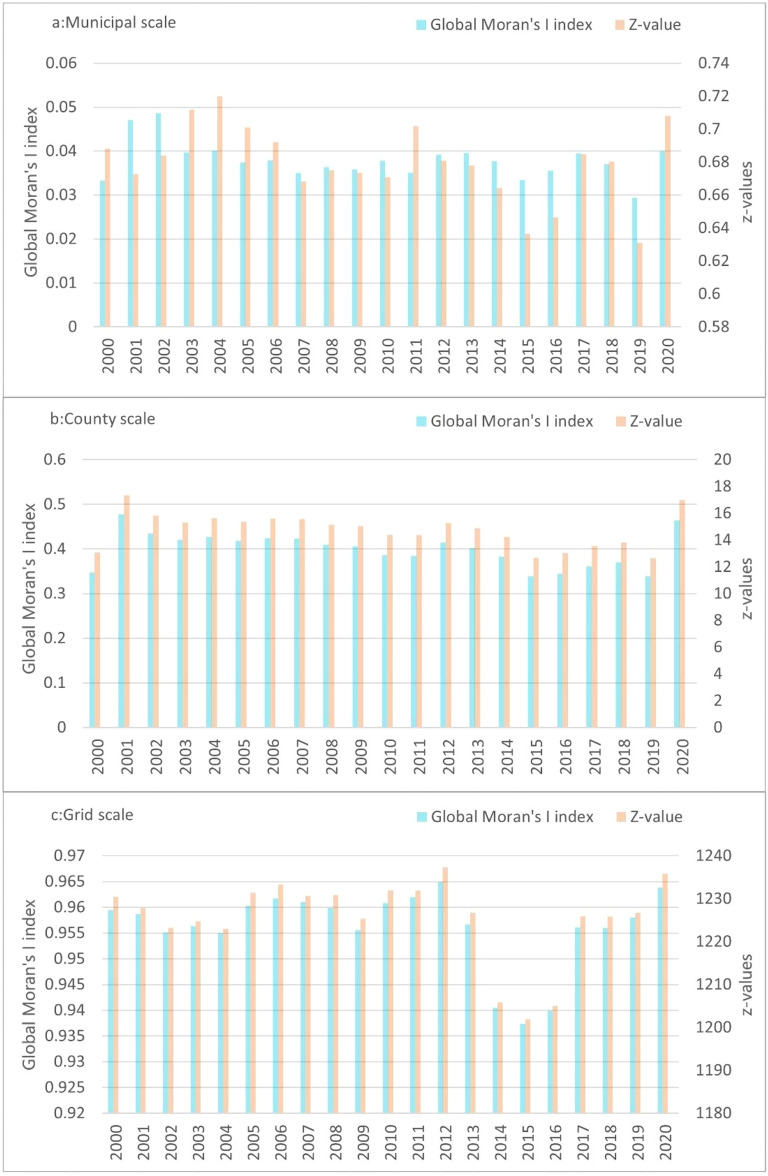 Figure 8
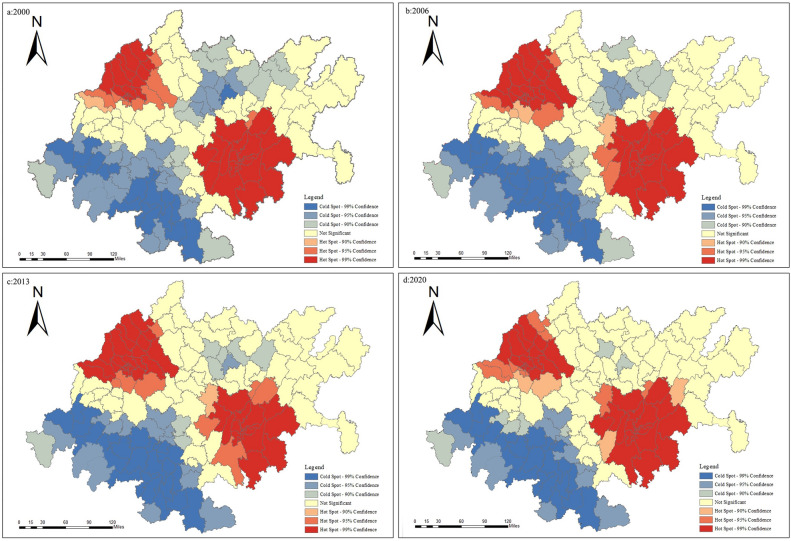 Figure 9
Peer Reviews
No public reviews on file for this paper yet. If you reviewed it on a platform where reviews are public (OpenReview, ICLR, NeurIPS, ICML), you can paste yours below so the community can read it here.
Videos
No videos yet. Explain this paper in a talk, walkthrough, or lecture? Add one.
Taxonomy
TopicsKnowledge Management and Sharing · Expert finding and Q&A systems · Wikis in Education and Collaboration