QSAR, ADMET, molecular docking, and dynamics studies of 1,2,4-triazine-3(2H)-one derivatives as tubulin inhibitors for breast cancer therapy
Mohamed Moussaoui, Soukayna Baammi, Hatim Soufi, Mouna Baassi, Achraf El Allali, M. E. Belghiti, Rachid Daoud, Said Belaaouad

TL;DR
This study uses computational methods to identify promising 1,2,4-triazine-3(2H)-one compounds as potential breast cancer treatments by inhibiting the Tubulin protein.
Contribution
The novelty lies in the rigorous integration of QSAR, ADMET, docking, and dynamics simulations to identify effective Tubulin inhibitors.
Findings
Pred28 showed the best docking score of −9.6 kcal/mol and high stability in molecular dynamics simulations.
QSAR models achieved a predictive accuracy (R2) of 0.849, linking compound properties to inhibitory activity.
Pred28 exhibited low RMSD (0.29 nm) and stable binding to Tubulin over 100 ns simulations.
Abstract
Breast cancer remains a leading cause of cancer-related deaths among women globally, necessitating the development of more effective therapeutic agents with minimal side effects. This study explores novel 1,2,4-triazine-3(2H)-one derivatives as potential inhibitors of Tubulin, a pivotal protein in cancer cell division, highlighting a targeted approach in cancer therapy. Using an integrated computational approach, we combined quantitative structure–activity relationship (QSAR) modeling, ADMET profiling, molecular docking, and molecular dynamics simulations to evaluate and predict the efficacy and stability of these compounds. Our QSAR models, developed through rigorous statistical analysis, revealed that descriptors such as absolute electronegativity and water solubility significantly influence inhibitory activity, achieving a predictive accuracy (R2) of 0.849. Molecular docking studies…
Genes, proteins, chemicals, diseases, species, mutations and cell lines named across the full text — each resolved to its canonical identifier and authoritative record.
Click any figure to enlarge with its caption.
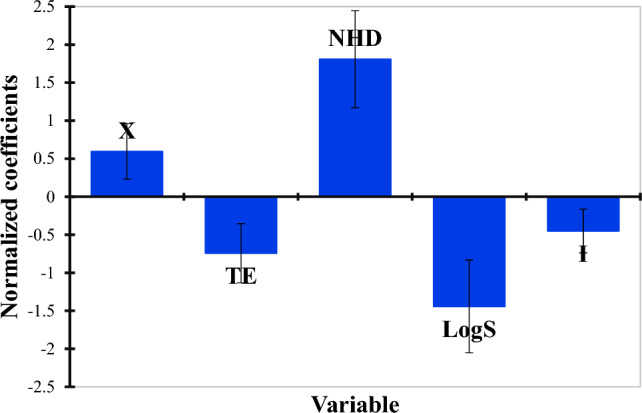 Figure 1
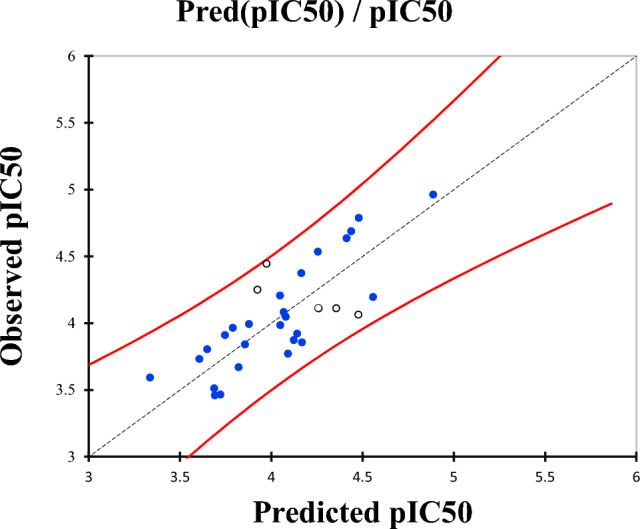 Figure 2
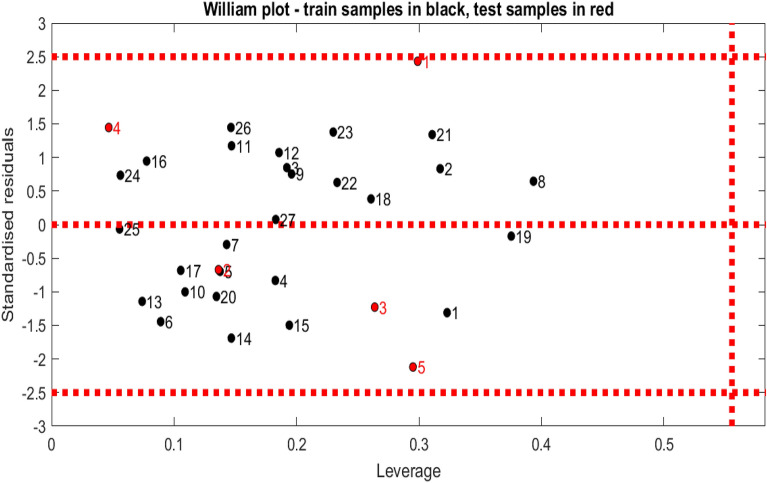 Figure 3
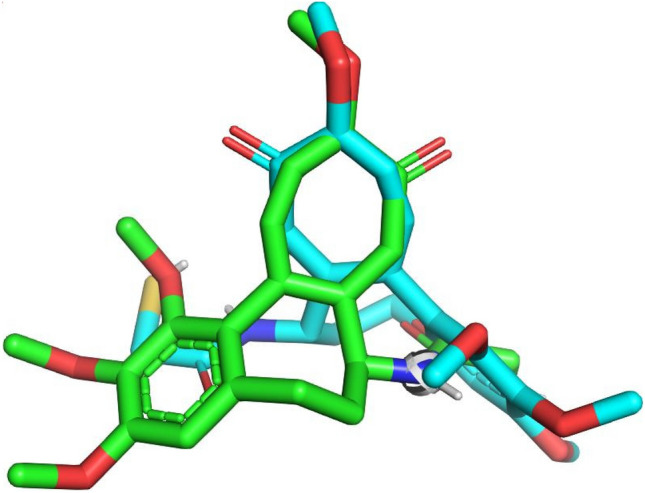 Figure 4
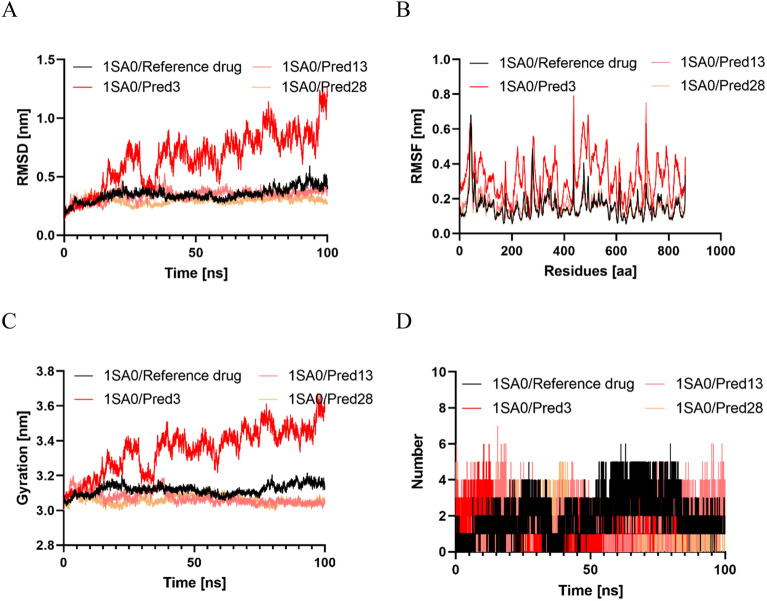 Figure 5
Peer Reviews
No public reviews on file for this paper yet. If you reviewed it on a platform where reviews are public (OpenReview, ICLR, NeurIPS, ICML), you can paste yours below so the community can read it here.
Videos
No videos yet. Explain this paper in a talk, walkthrough, or lecture? Add one.
Taxonomy
TopicsOrganophosphorus compounds synthesis · Phosphorus compounds and reactions · Synthesis and Reactivity of Sulfur-Containing Compounds