The use of constrained methods to analyze the molecular reactivity and to define a new type of pseudo atoms
Andrés Cedillo, José-Remy Martínez-Aguilar

TL;DR
This paper introduces a new approach using constrained methods to study molecular reactivity and define pseudo atoms, which can simulate substituent effects in carbonyl molecules.
Contribution
The paper proposes a novel definition of pseudo atoms based on population constraints and applies them to study molecular stability and reactivity.
Findings
Pseudo atoms can simulate the inductive effect of substituents in carbonyl molecules.
Constrained methods reveal insights into molecular reactivity and stability of complexes with water.
The approach is implemented using constrained RHF computations with the STO-6G basis set.
Abstract
Constrained methods in electronic structure methodologies add terms to the variational equations and generate solutions that represent distorted electronic distributions. In some cases, the new solutions can be used to study the chemical reactivity of parts of the molecule. Additionally, this contribution presents the use of population constraints to define pseudo atoms in a molecule. The effects of the pseudo atom on the molecular properties are analyzed. The pseudo atoms are used to simulate the inductive effect of the substituent in a group of carbonyl molecules and their effect on the stability of the complexes between these organic species and one molecule of water. A discussion on the assumptions involved in the present definition of pseudo atoms is also included. The constrained RHF computations are done in a modified Hartree-Fock code for Gaussian basis sets. The selected basis…
Genes, proteins, chemicals, diseases, species, mutations and cell lines named across the full text — each resolved to its canonical identifier and authoritative record.
Click any figure to enlarge with its caption.
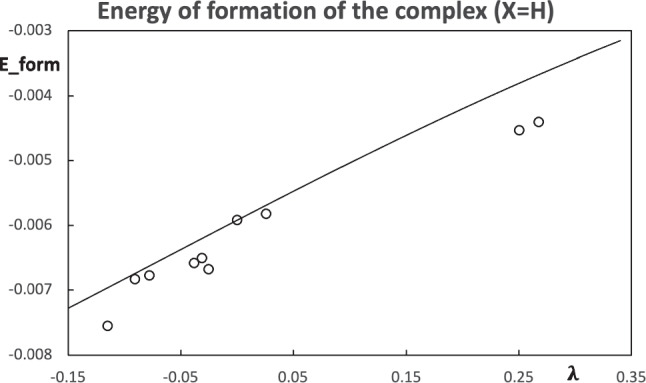 Figure 10
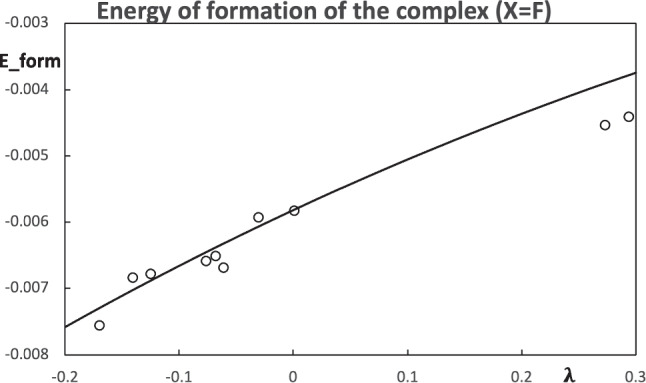 Figure 11
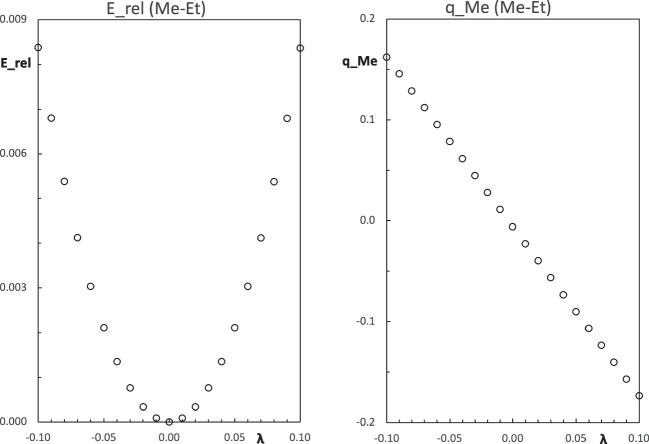 Figure 1
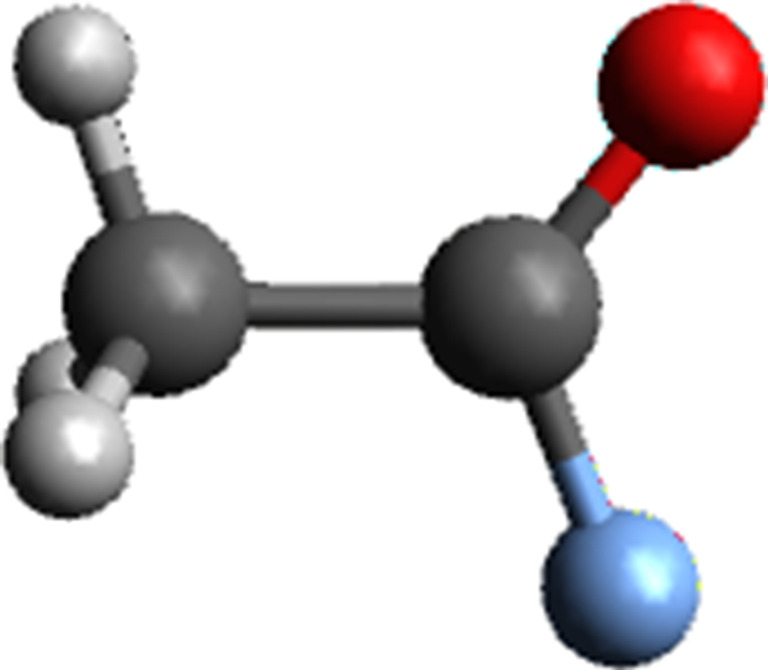 Figure 2
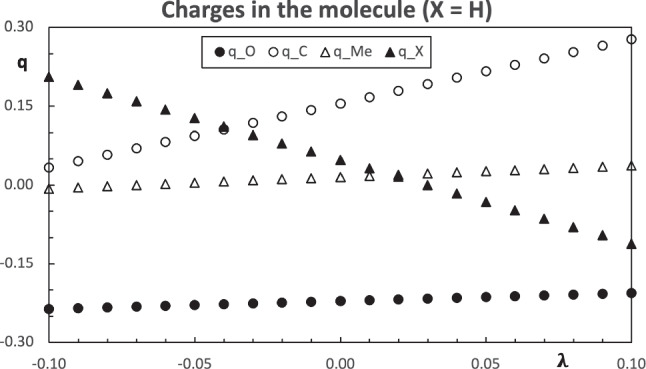 Figure 3
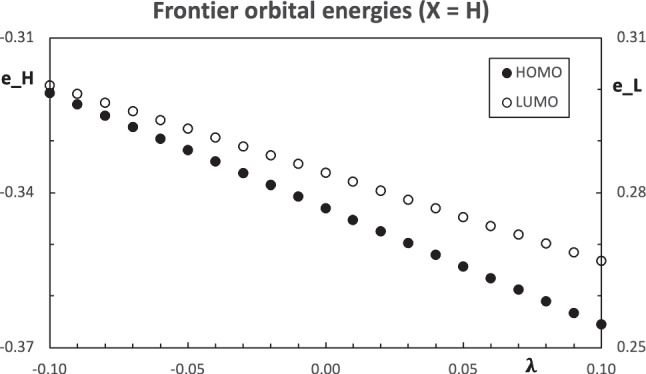 Figure 4
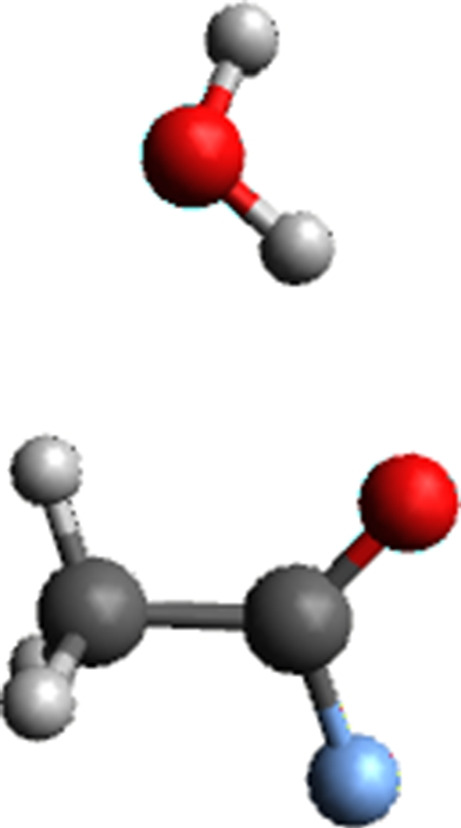 Figure 5
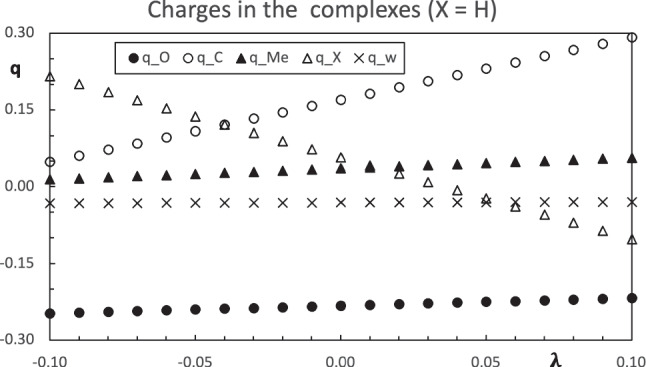 Figure 6
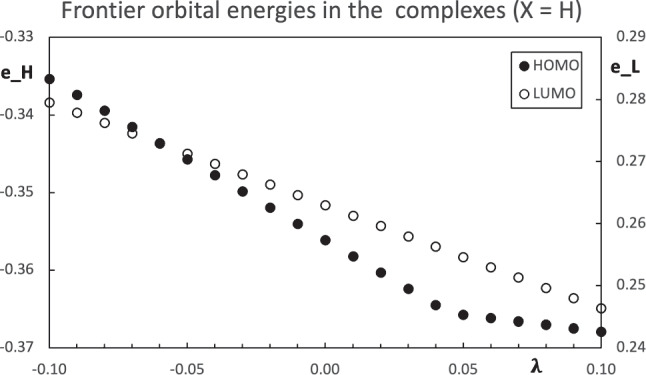 Figure 7
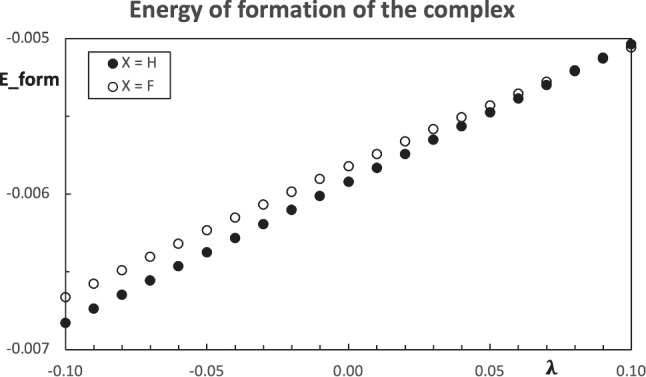 Figure 8
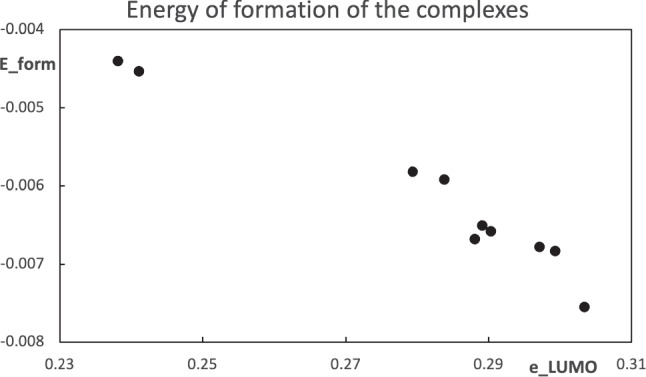 Figure 9
Peer Reviews
No public reviews on file for this paper yet. If you reviewed it on a platform where reviews are public (OpenReview, ICLR, NeurIPS, ICML), you can paste yours below so the community can read it here.
Videos
No videos yet. Explain this paper in a talk, walkthrough, or lecture? Add one.
Taxonomy
TopicsFree Radicals and Antioxidants · Advanced Chemical Physics Studies · Photochemistry and Electron Transfer Studies