Decalogue for mastering robotic transanal minimally invasive surgery (rTAMIS)
H. Guadalajara, M. Leon-Arellano, J. L. Dominguez-Tristancho, D. García-Olmo

TL;DR
This paper provides a comprehensive guide with practical tips for mastering robotic transanal minimally invasive surgery.
Contribution
The paper introduces a structured, step-by-step approach to improve surgical outcomes in robotic transanal surgery.
Findings
Proper patient positioning and trocar placement reduce instrument collisions.
Maintaining stable pneumorectum is crucial for optimal surgical conditions.
Camera alignment and platform positioning significantly affect surgical precision.
Abstract
This manuscript offers a detailed description of our successful tips for mastering transanal robotic surgery. It covers various aspects, including patient positioning, management of abdominal pressures to maintain a stable pneumorectum, platform positioning, camera alignment, trocar positioning to minimize collisions, instruments used, and approaches to tumor resection.
Genes, proteins, chemicals, diseases, species, mutations and cell lines named across the full text — each resolved to its canonical identifier and authoritative record.
Click any figure to enlarge with its caption.
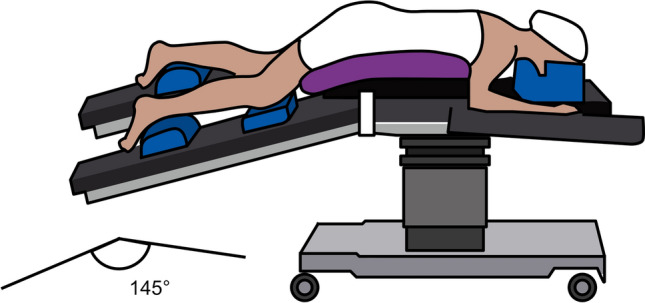 Figure 1
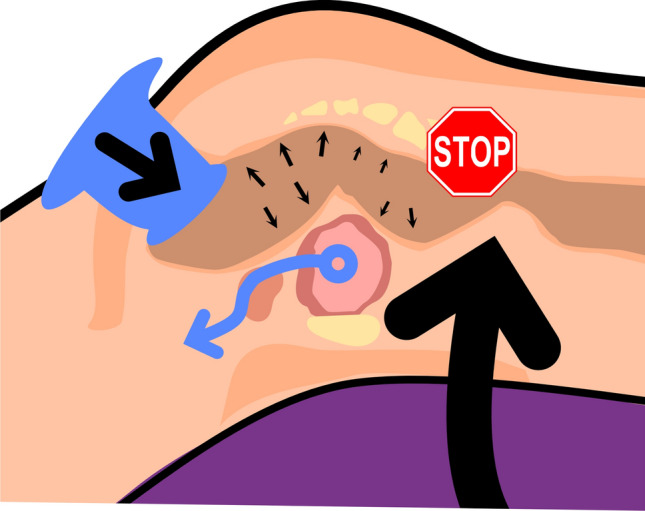 Figure 2
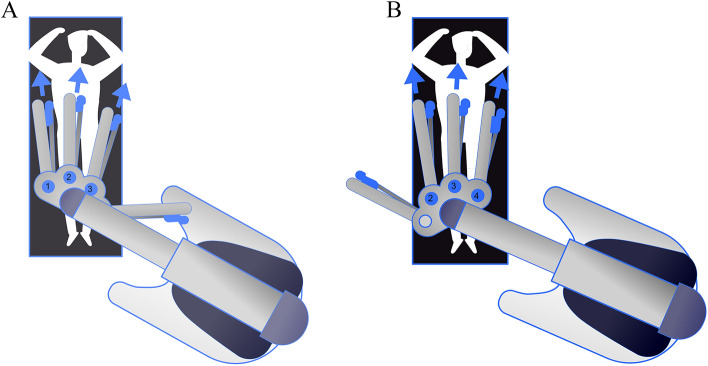 Figure 3
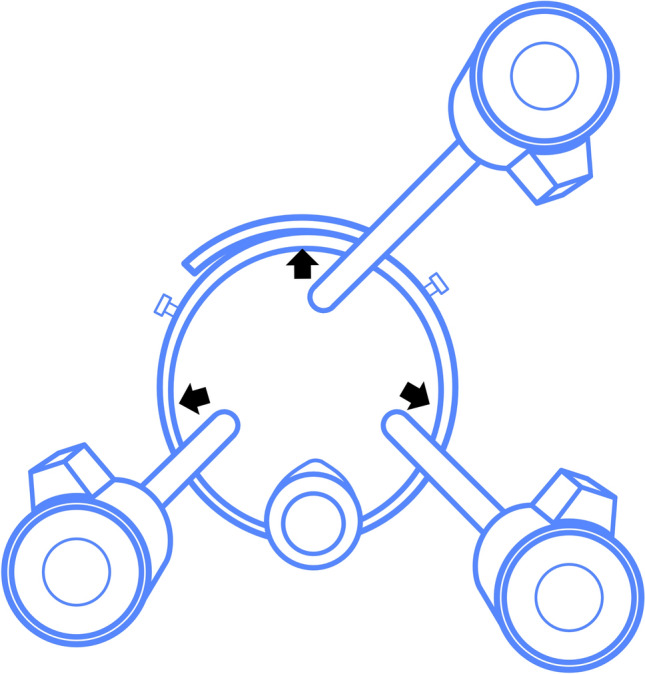 Figure 4
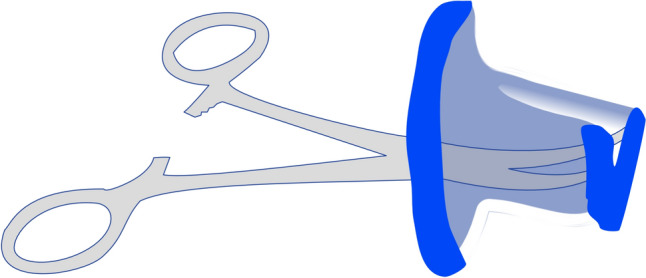 Figure 5
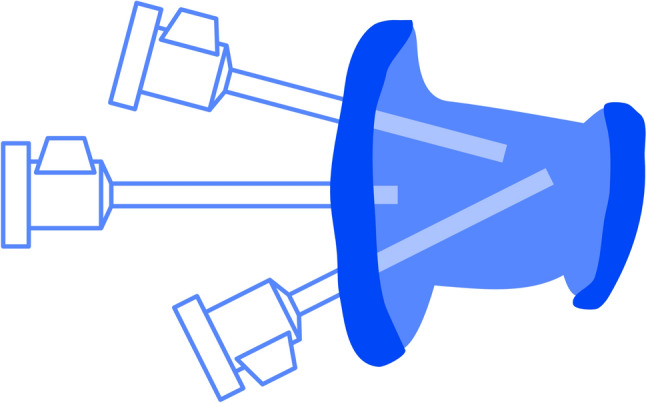 Figure 6
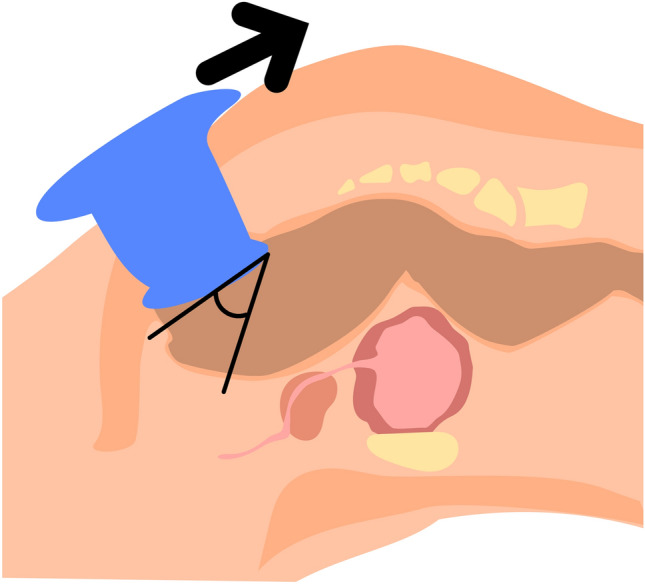 Figure 7
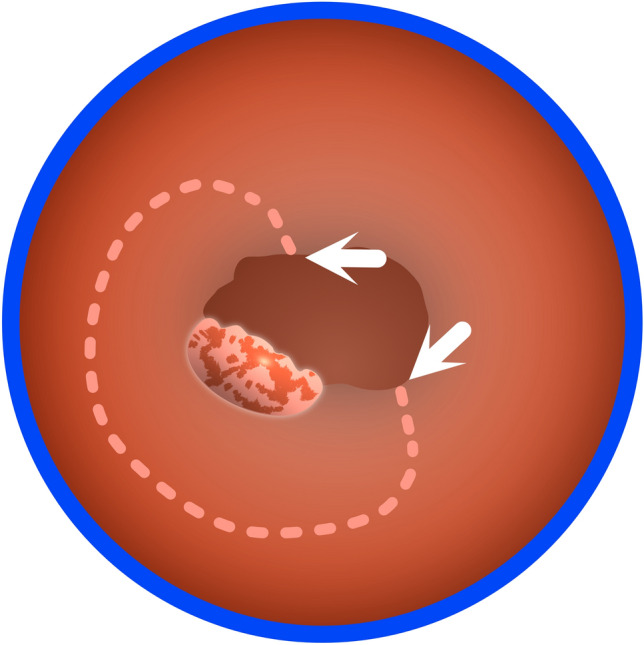 Figure 8
Peer Reviews
No public reviews on file for this paper yet. If you reviewed it on a platform where reviews are public (OpenReview, ICLR, NeurIPS, ICML), you can paste yours below so the community can read it here.
Videos
No videos yet. Explain this paper in a talk, walkthrough, or lecture? Add one.
Taxonomy
TopicsColorectal Cancer Surgical Treatments · Anorectal Disease Treatments and Outcomes · Colorectal and Anal Carcinomas