Electrocortical activity associated with movement-related fear: a methodological exploration of a threat-conditioning paradigm involving destabilising perturbations during quiet standing
Adam Grinberg, Andrew Strong, Johan Strandberg, Jonas Selling, Dario G. Liebermann, Martin Björklund, Charlotte K. Häger

TL;DR
This study explores using brain activity to objectively detect fear of movement-related injuries, offering a potential alternative to subjective questionnaires.
Contribution
A novel method to identify electrocortical activity linked to re-injury anxiety using a destabilizing perturbation paradigm.
Findings
High-amplitude CNV waves were significantly greater for conditioned threat stimuli over frontal and central midline locations.
Shorter frontal ERP components were observed during a voluntary squatting task without perturbations.
The paradigm shows potential for detecting electrocortical activation associated with movement-related fear.
Abstract
Musculoskeletal trauma often leads to lasting psychological impacts stemming from concerns of future injuries. Often referred to as kinesiophobia or re-injury anxiety, such concerns have been shown to hinder return to physical activity and are believed to increase the risk for secondary injuries. Screening for re-injury anxiety is currently restricted to subjective questionnaires, which are prone to self-report bias. We introduce a novel approach to objectively identify electrocortical activity associated with the threat of destabilising perturbations. We aimed to explore its feasibility among non-injured persons, with potential future implementation for screening of re-injury anxiety. Twenty-three participants stood blindfolded on a translational balance perturbation platform. Consecutive auditory stimuli were provided as low (neutral stimulus [CS–]) or high (conditioned stimulus…
Genes, proteins, chemicals, diseases, species, mutations and cell lines named across the full text — each resolved to its canonical identifier and authoritative record.
Click any figure to enlarge with its caption.
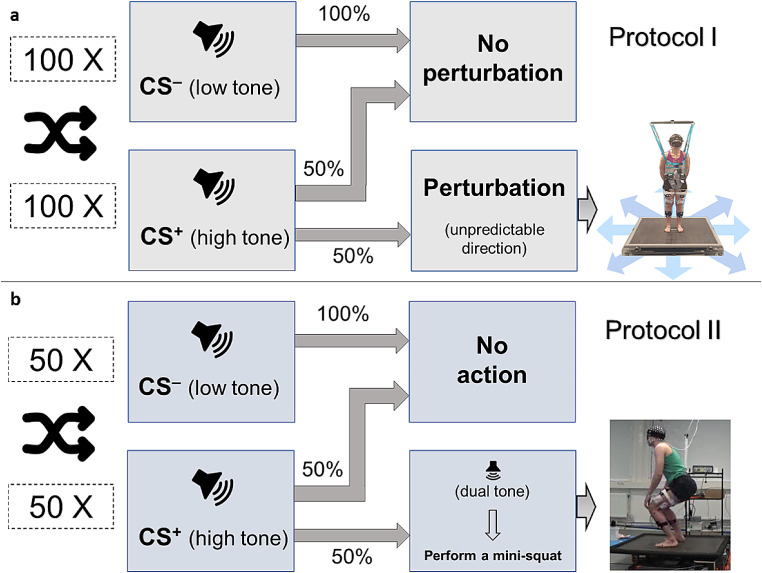 Figure 1
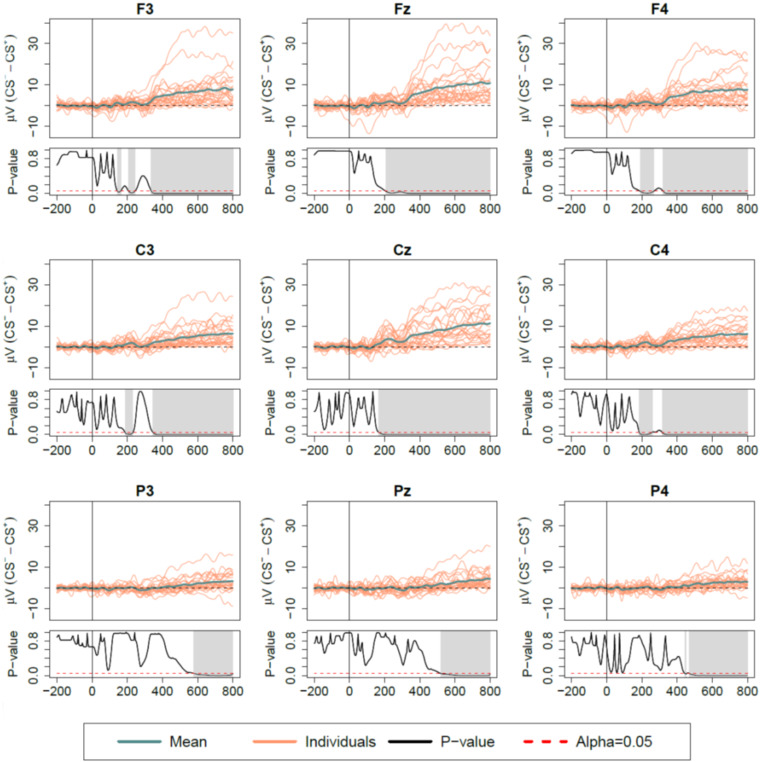 Figure 2
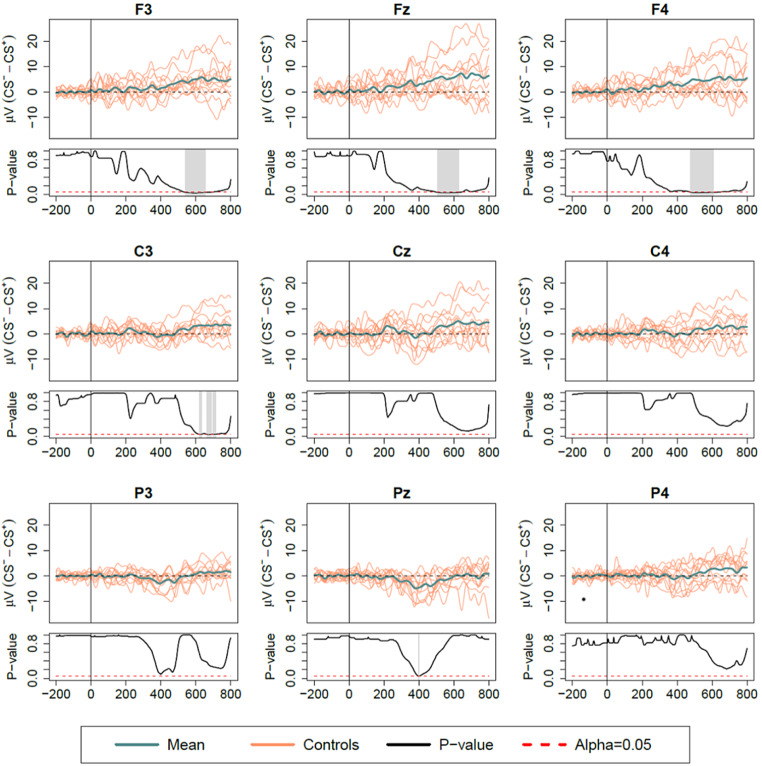 Figure 3
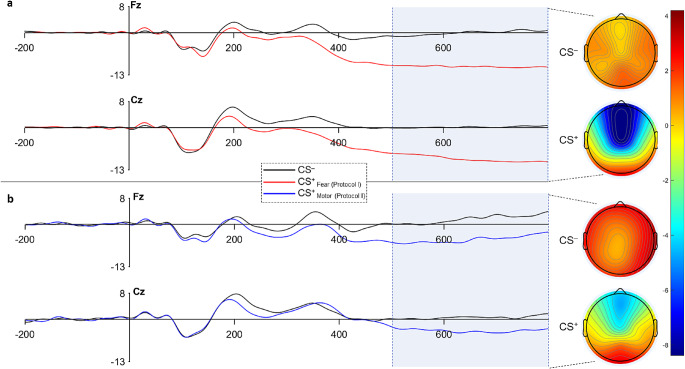 Figure 4
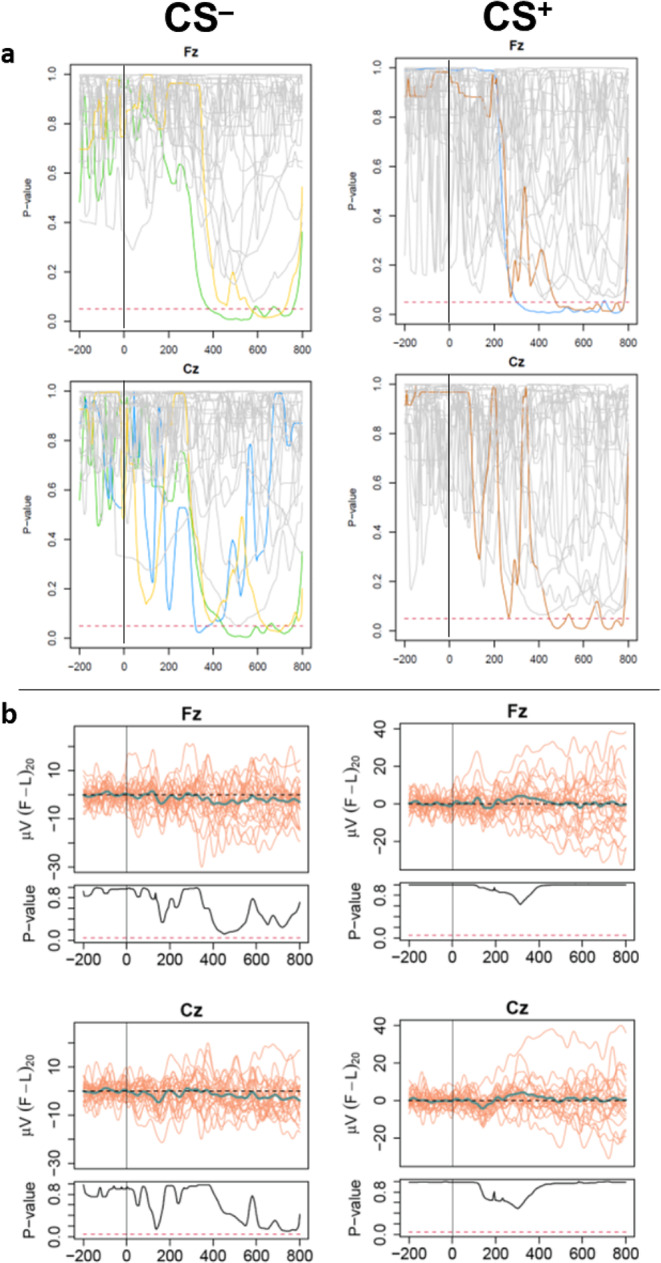 Figure 5
Peer Reviews
No public reviews on file for this paper yet. If you reviewed it on a platform where reviews are public (OpenReview, ICLR, NeurIPS, ICML), you can paste yours below so the community can read it here.
Videos
No videos yet. Explain this paper in a talk, walkthrough, or lecture? Add one.
Taxonomy
TopicsPsychosomatic Disorders and Their Treatments · Anxiety, Depression, Psychometrics, Treatment, Cognitive Processes · Child and Adolescent Psychosocial and Emotional Development