Ventricular unloading causes prolongation of the QT interval and induces ventricular arrhythmias in rat hearts
Alexander Peter Schwoerer, Daniel Biermann, Heimo Ehmke

TL;DR
Reducing the workload on rat hearts leads to longer QT intervals and more ventricular arrhythmias, suggesting workload reduction alone can cause dangerous heart rhythms.
Contribution
This study directly shows that ventricular unloading causes arrhythmias in vivo, independent of other factors.
Findings
56 days of unloading prolonged the QT interval by approximately 66%.
Unloading induced a tenfold increase in ventricular arrhythmias compared to control hearts.
Ventricular unloading reduced left ventricular weight by about 50%.
Abstract
Ventricular unloading during prolonged bed rest, mechanical circulatory support or microgravity has repeatedly been linked to potentially life-threatening arrhythmias. It is unresolved, whether this arrhythmic phenotype is caused by the reduction in cardiac workload or rather by underlying diseases or external stimuli. We hypothesized that the reduction in cardiac workload alone is sufficient to impair ventricular repolarization and to induce arrhythmias in hearts. Rat hearts were unloaded using the heterotopic heart transplantation. The ECG of unloaded and of control hearts were telemetrically recorded over 56 days resulting in >5 × 10⁶ cardiac cycles in each heart. Long-term electrical remodeling was analyzed using a novel semi-automatic arrhythmia detection algorithm. 56 days of unloading reduced left ventricular weight by approximately 50%. While unloading did not affect average…
Genes, proteins, chemicals, diseases, species, mutations and cell lines named across the full text — each resolved to its canonical identifier and authoritative record.
Click any figure to enlarge with its caption.
 Figure 1
 Figure 2
 Figure 3
 Figure 4
 Figure 5
 Figure 6
 Figure 7
 Figure 8
 Figure 9
 Figure 10
 Figure 11
 Figure 12
 Figure 13
 Figure 14
 Figure 15
 Figure 16
 Figure 17
 Figure 18
 Figure 19
 Figure 20
 Figure 21
 Figure 22
 Figure 23
 Figure 24
 Figure 25
 Figure 26
 Figure 27
 Figure 28
 Figure 29
 Figure 30
 Figure 31
 Figure 32
 Figure 33
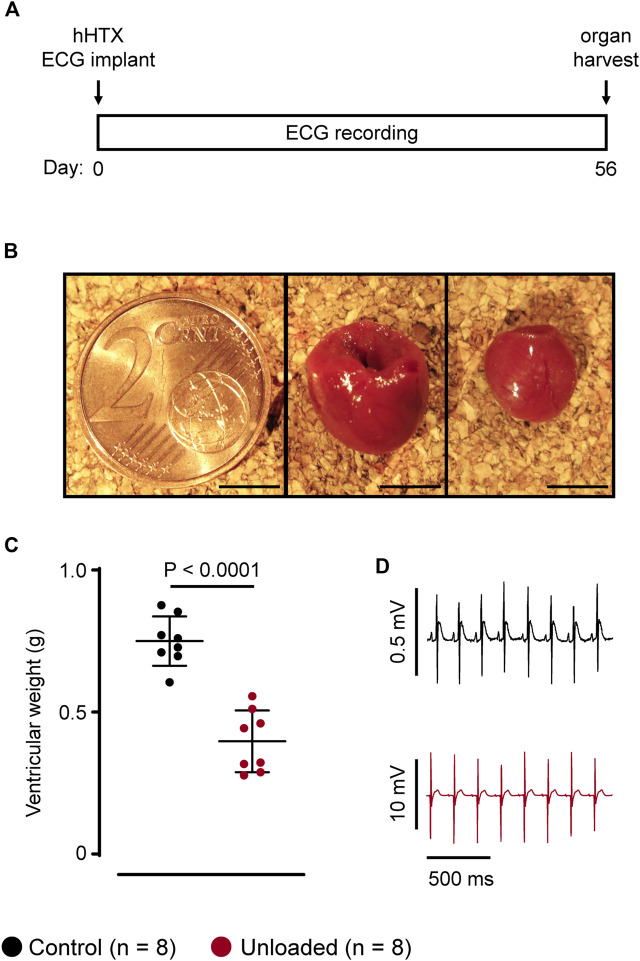 Figure 34
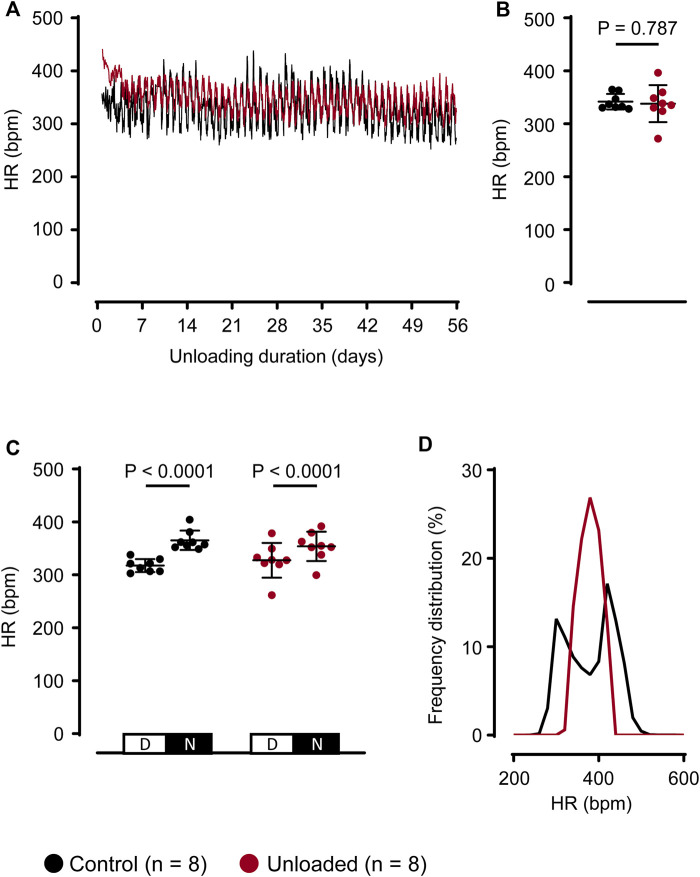 Figure 35
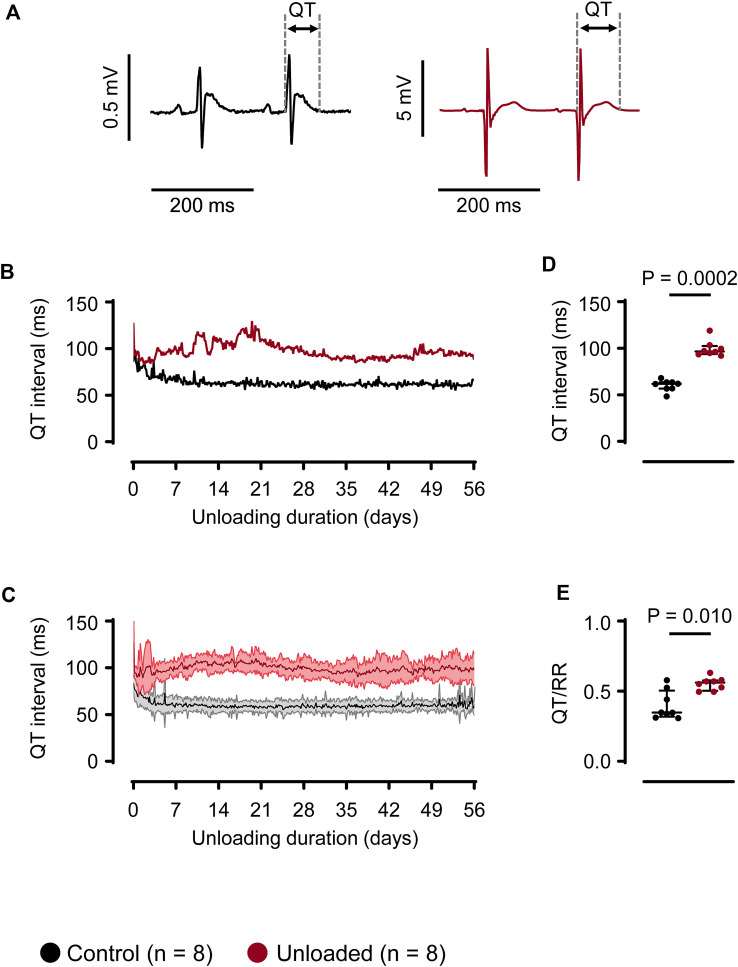 Figure 36
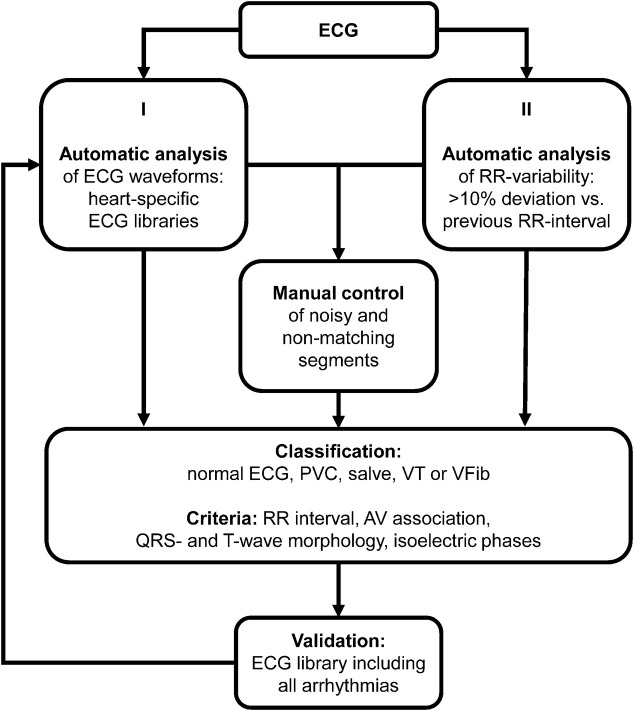 Figure 37
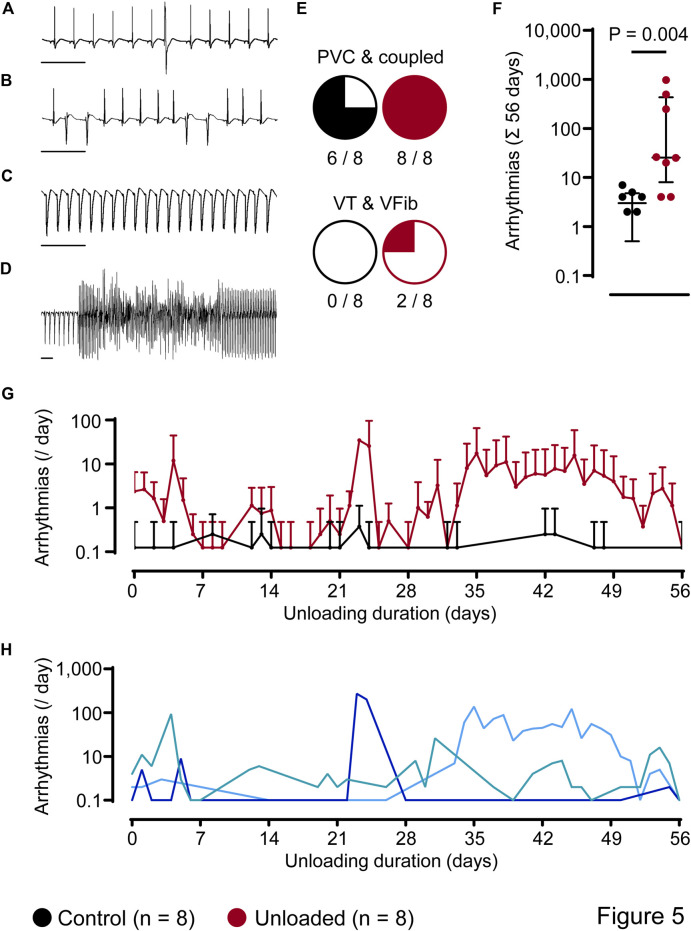 Figure 38
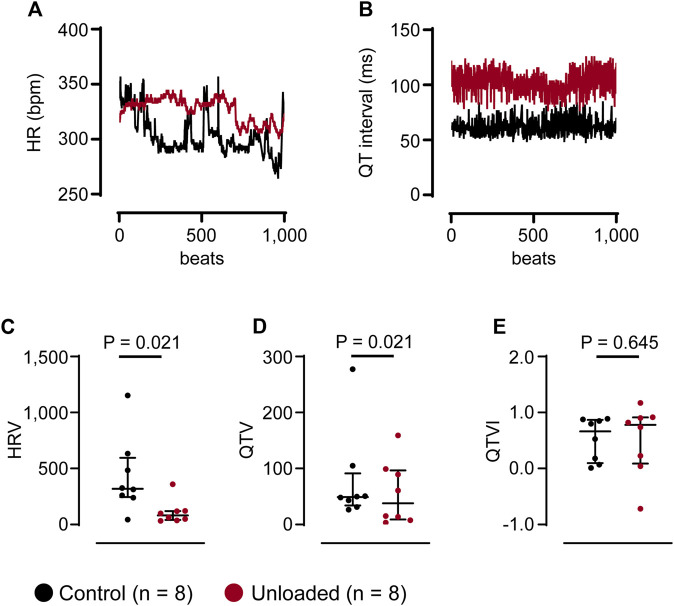 Figure 39
Peer Reviews
No public reviews on file for this paper yet. If you reviewed it on a platform where reviews are public (OpenReview, ICLR, NeurIPS, ICML), you can paste yours below so the community can read it here.
Videos
No videos yet. Explain this paper in a talk, walkthrough, or lecture? Add one.
Taxonomy
TopicsSpaceflight effects on biology · Mitochondrial Function and Pathology