Single-Step Purification of Catalase Enzyme From Human Blood Erythrocytes Using Affinity Chromatography Technique
Kübra Çıkrıkcı, Nahit Gencer

TL;DR
This study successfully purified catalase from human blood using a new affinity gel, achieving high purity and measuring its activity and stability.
Contribution
A newly synthesized affinity gel was used for single-step catalase purification from human erythrocytes.
Findings
Catalase was purified with a specific activity of 45.58 EU/mg and a purification fold of 529.50.
SDS-PAGE analysis showed a single 60 kDa band for catalase, indicating high purity.
The enzyme exhibited optimal activity at 30°C and thermal stability up to 60°C.
Abstract
In this study, we aimed to isolate and purify catalase from human blood erythrocytes by using a newly synthesized affinity gel. The synthesized ω-amino hexyl agarose-1,2,3-triazole-5-carboxylic acid affinity gel was analyzed by FT-IR. Then, different buffer, pH, and ionic strength parameters were optimized to determine the equilibration, washing, and elution buffer conditions. The catalase was purified from human blood erythrocytes with a specific activity of 45.58 EU/mg, purification fold of 529.50, and a yield of 0.416% using the synthesized new affinity gel. The purity and molecular weight of the enzyme were analyzed by SDS-PAGE, and a single band at 60 kDa was observed for catalase. The optimum reaction temperature of the catalase was found to be 30°C, while the thermal stability temperature was 60°C. The Km and Vmax of the enzyme for hydrogen peroxide were calculated at 0.125 mM…
Genes, proteins, chemicals, diseases, species, mutations and cell lines named across the full text — each resolved to its canonical identifier and authoritative record.
Click any figure to enlarge with its caption.
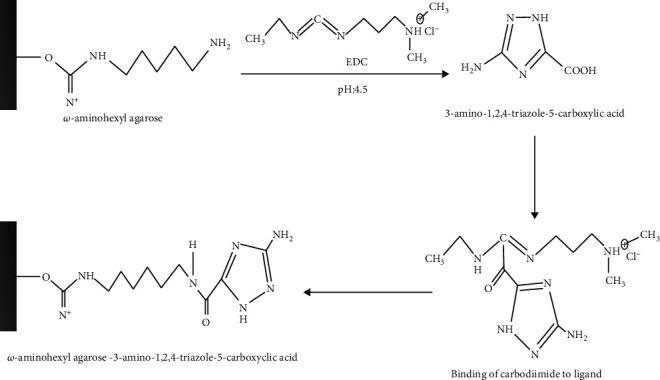 Figure 1
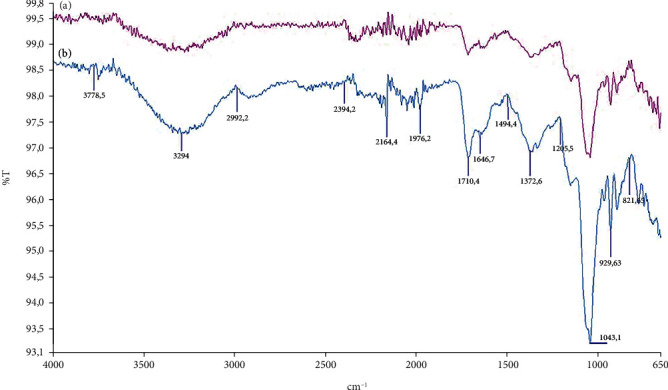 Figure 2
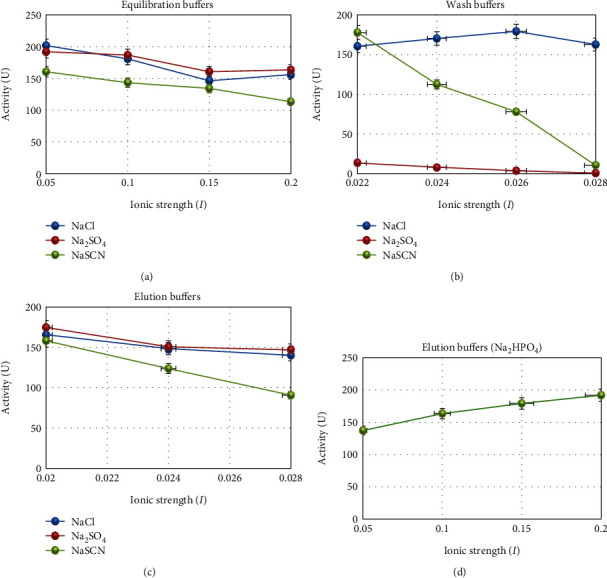 Figure 3
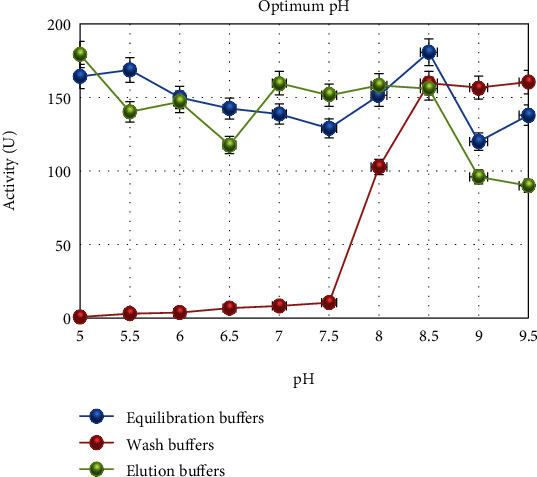 Figure 4
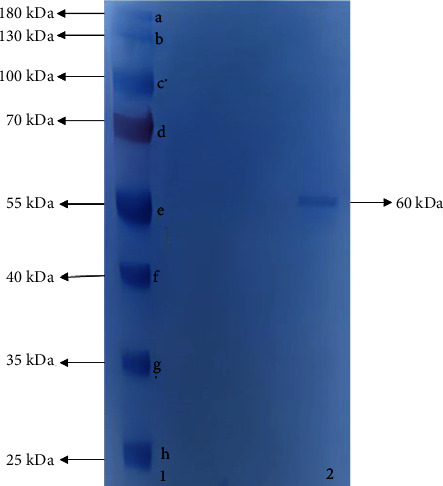 Figure 5
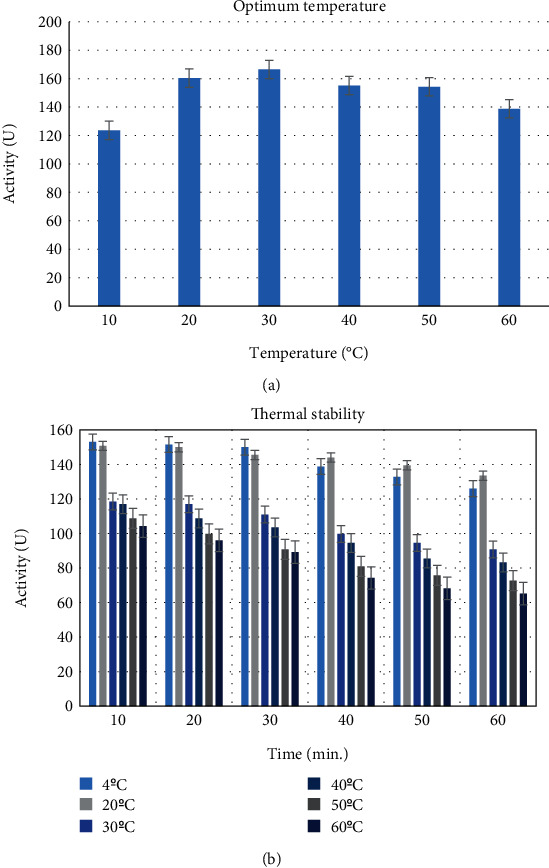 Figure 6
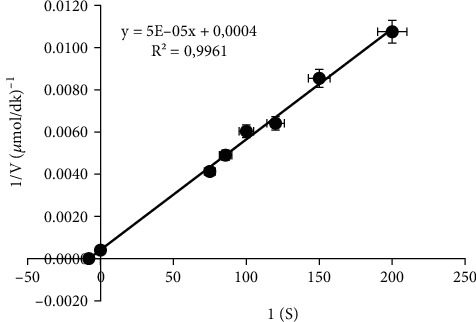 Figure 7
Peer Reviews
No public reviews on file for this paper yet. If you reviewed it on a platform where reviews are public (OpenReview, ICLR, NeurIPS, ICML), you can paste yours below so the community can read it here.
Videos
No videos yet. Explain this paper in a talk, walkthrough, or lecture? Add one.
Taxonomy
TopicsProtein Interaction Studies and Fluorescence Analysis · Enzyme Catalysis and Immobilization · Electrochemical sensors and biosensors