Flexor Pollicis Longus Weakness Post-proximal Radius Shaft Open Reduction and Internal Fixation: A Case Report
Sara G Qadi, Shahad Alshaynawi, Anmar Alkindy, Ghazi Aldalbahi

TL;DR
A patient developed thumb weakness after a wrist surgery due to a rare nerve injury, which fully recovered over 16 weeks.
Contribution
This case report highlights a rare postoperative complication of anterior interosseous nerve injury following proximal radial shaft fracture surgery.
Findings
Isolated flexor pollicis longus weakness occurred due to partial anterior interosseous nerve injury.
Complete clinical recovery was observed 16 weeks after surgery.
Electrodiagnostic investigations are recommended to confirm such nerve injuries.
Abstract
We report the case of a patient who sustained a right proximal radial shaft fracture. He experienced isolated flexor pollicis longus weakness as a result of a partial anterior interosseous nerve (AIN) injury. The incidence of AIN injury is recognized as an exceptional postoperative complication for this particular type of fracture. It might be helpful to do electrodiagnostic investigations to confirm the diagnosis. A complete clinical recovery of the nerve occurred 16 weeks following the surgical operation.
Genes, proteins, chemicals, diseases, species, mutations and cell lines named across the full text — each resolved to its canonical identifier and authoritative record.
Click any figure to enlarge with its caption.
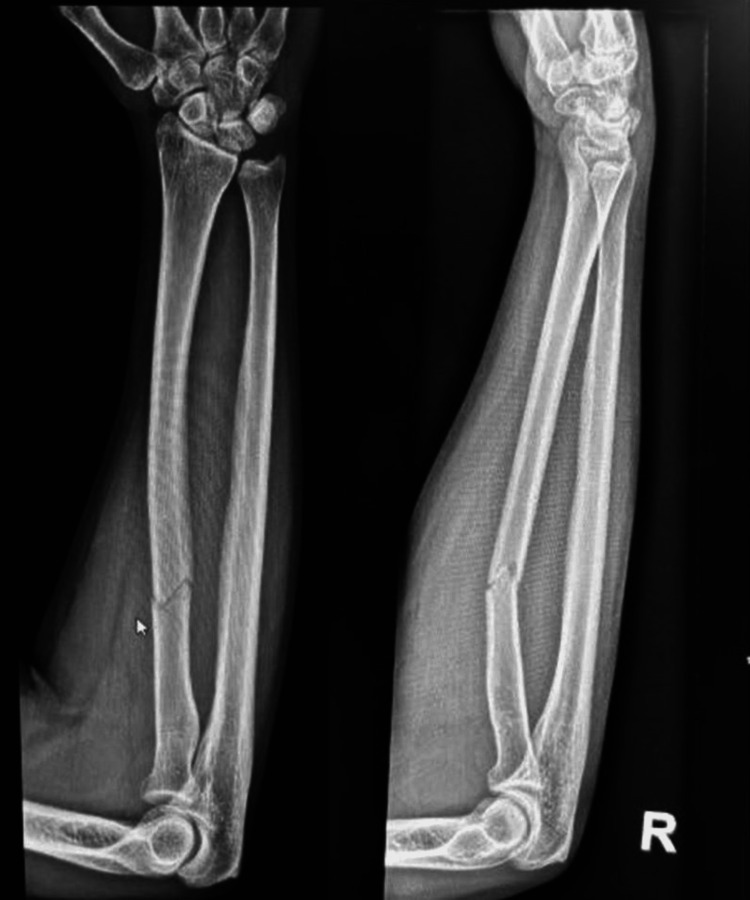 Figure 1
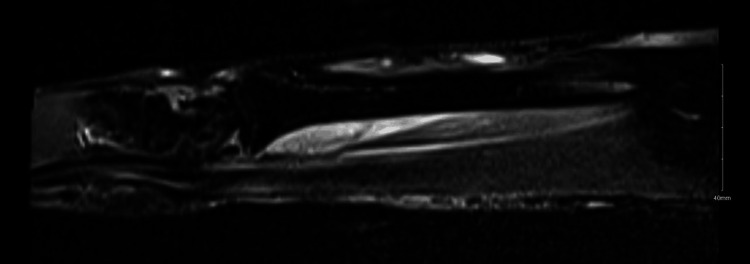 Figure 2
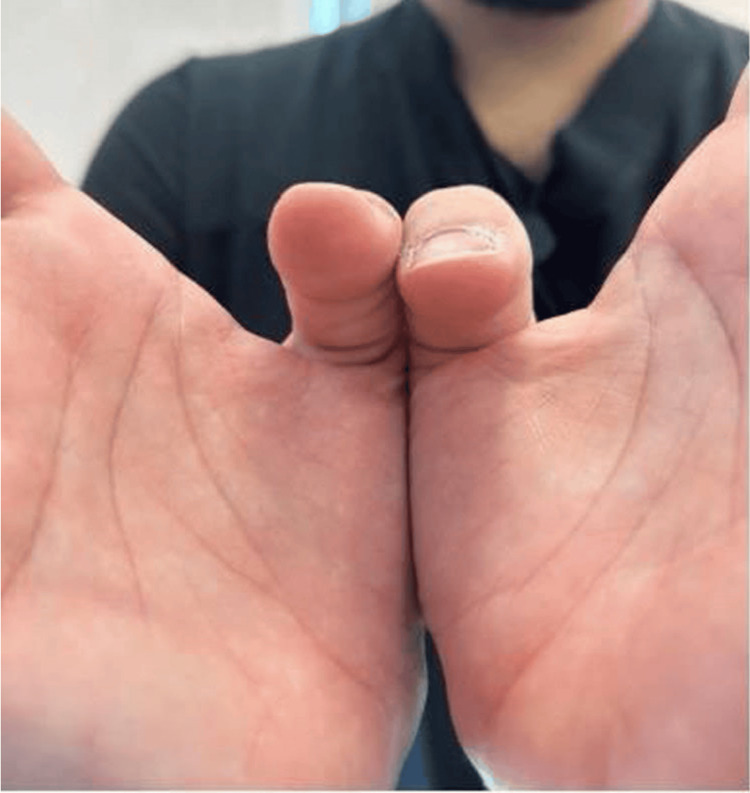 Figure 3
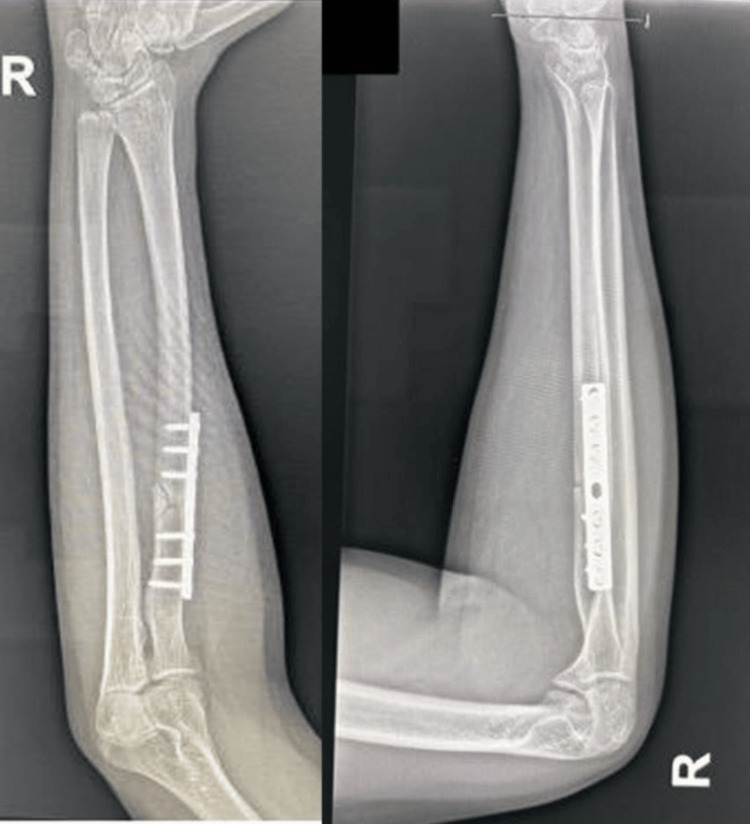 Figure 4
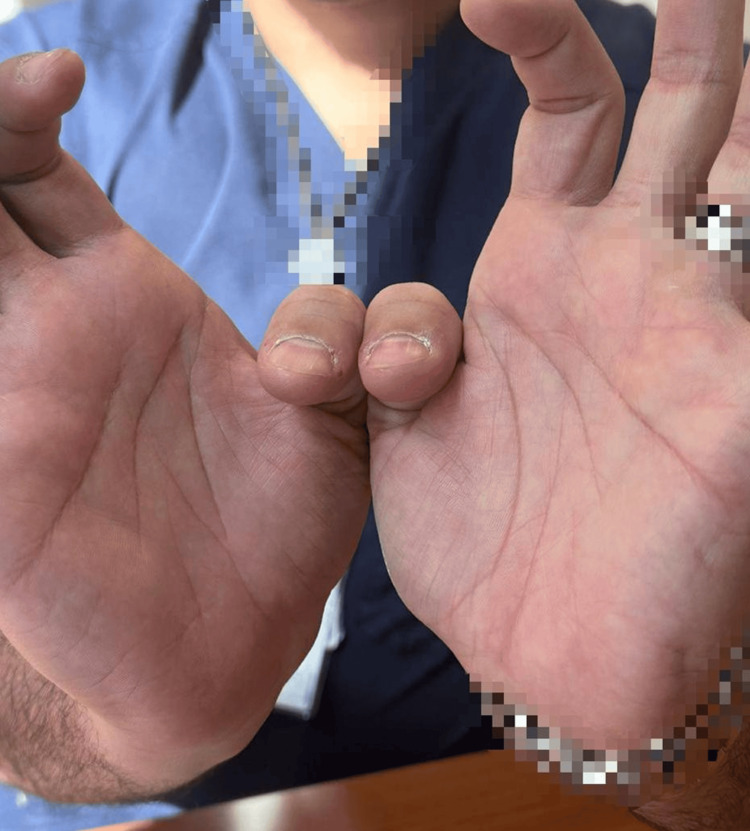 Figure 5
Peer Reviews
No public reviews on file for this paper yet. If you reviewed it on a platform where reviews are public (OpenReview, ICLR, NeurIPS, ICML), you can paste yours below so the community can read it here.
Videos
No videos yet. Explain this paper in a talk, walkthrough, or lecture? Add one.
Taxonomy
TopicsOrthopedic Surgery and Rehabilitation · Peripheral Nerve Disorders · Nerve Injury and Rehabilitation