Bidirectional ventricular tachycardia due to digoxin-diuretic interaction in post-cardiac surgery patient: a case report
José Martín Alanís-Naranjo, Kevin David Aragón-Ontiveros, Julio César Rivera-Hermosillo, Virginia Campos-Garcilazo

TL;DR
A 62-year-old woman developed a rare heart rhythm disorder after cardiac surgery, linked to digoxin and diuretic use, highlighting the need for careful monitoring.
Contribution
This case report highlights digoxin-induced bidirectional ventricular tachycardia in post-cardiac surgery patients on diuretics, a rare and under-recognized clinical scenario.
Findings
The patient developed hemodynamically stable bidirectional ventricular tachycardia due to digoxin toxicity.
Supportive treatment with potassium and magnesium supplements was effective when digoxin-specific antibodies were unavailable.
The case emphasizes the importance of monitoring digoxin levels in patients on concurrent diuretic therapy.
Abstract
Bidirectional ventricular tachycardia (BVT) is a rare form of malignant ventricular arrhythmia characterized by beat-to-beat alternation in the QRS axis. BVT is a hallmark of digitalis toxicity, but digoxin-induced BVT secondary to digoxin-diuretic interaction in cardiac surgery patients is not widely reported. We present the case of a 62-year-old woman undergoing mitral valve replacement with tricuspid annuloplasty who developed postoperative congestive heart failure and vasoplegic syndrome requiring norepinephrine, vasopressin, and loop diuretics. During postoperative care, she presented atrial fibrillation with rapid ventricular response, achieving rate control with digoxin, but later displayed hemodynamically stable BVT associated with digitalis toxicity. The case highlights the importance of physicians monitoring digoxin toxicity when prescribing digoxin to patients with a diuretic…
Genes, proteins, chemicals, diseases, species, mutations and cell lines named across the full text — each resolved to its canonical identifier and authoritative record.
Click any figure to enlarge with its caption.
 Figure 1
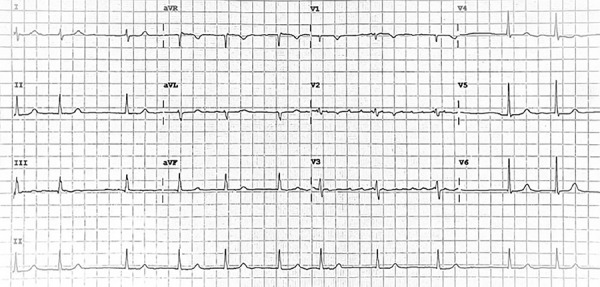 Figure 2
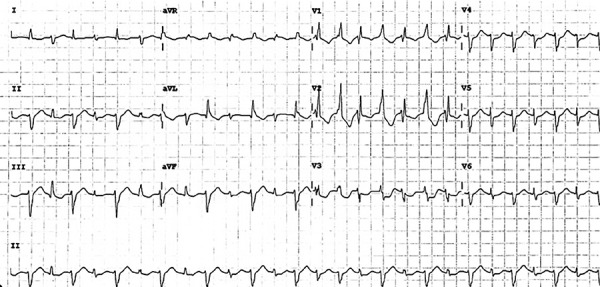 Figure 3
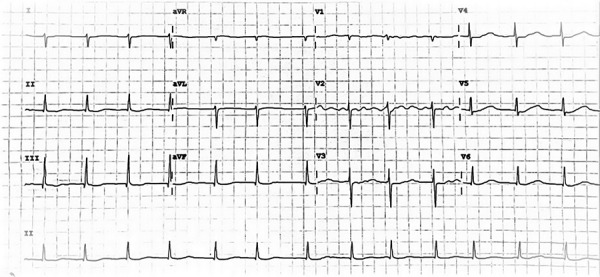 Figure 4
Peer Reviews
No public reviews on file for this paper yet. If you reviewed it on a platform where reviews are public (OpenReview, ICLR, NeurIPS, ICML), you can paste yours below so the community can read it here.
Videos
No videos yet. Explain this paper in a talk, walkthrough, or lecture? Add one.
Taxonomy
TopicsCardiac electrophysiology and arrhythmias · Potassium and Related Disorders · Atrial Fibrillation Management and Outcomes