Molecular differentiation between complete and incomplete responders to neoadjuvant therapy in rectal cancer
Zechen Chong, Fengyuan Huang, M. McLeod, Regina Irwin, Mary Smithson, Zongliang Yue, Min Gao, Karin Hardiman

TL;DR
This study identifies molecular differences between rectal cancer patients who fully respond to treatment and those who do not, offering insights for precision therapy.
Contribution
The study reveals novel molecular predictors and mechanisms of response to neoadjuvant therapy in rectal cancer.
Findings
Complete responders have higher tumor mutation burden and co-occurring mutations compared to incomplete responders.
Defective DNA repair is associated with complete response to neoadjuvant therapy.
Immune hot tumors with upregulated immune checkpoints are linked to worse outcomes in non-responders.
Abstract
Neoadjuvant chemoradiotherapy (nCRT) is the standard treatment for locally advanced rectal cancer, but only 20–40% of patients completely respond to this treatment. To define the molecular features that are associated with response to nCRT, we generated and collected genomic and transcriptomic data from 712 cancers prior to treatment from our own data and from publicly available data. We found that patients with a complete response have decreased risk of both local recurrence and future metastasis. We identified multiple differences in DNA mutations and transcripts between complete and incomplete responders. Complete responder tumors have a higher tumor mutation burden and more significant co-occurring mutations than the incomplete responder tumors. In addition, mutations in DNA repair genes (across multiple mechanisms of repair) were enriched in complete responders and they also had…
Genes, proteins, chemicals, diseases, species, mutations and cell lines named across the full text — each resolved to its canonical identifier and authoritative record.
Click any figure to enlarge with its caption.
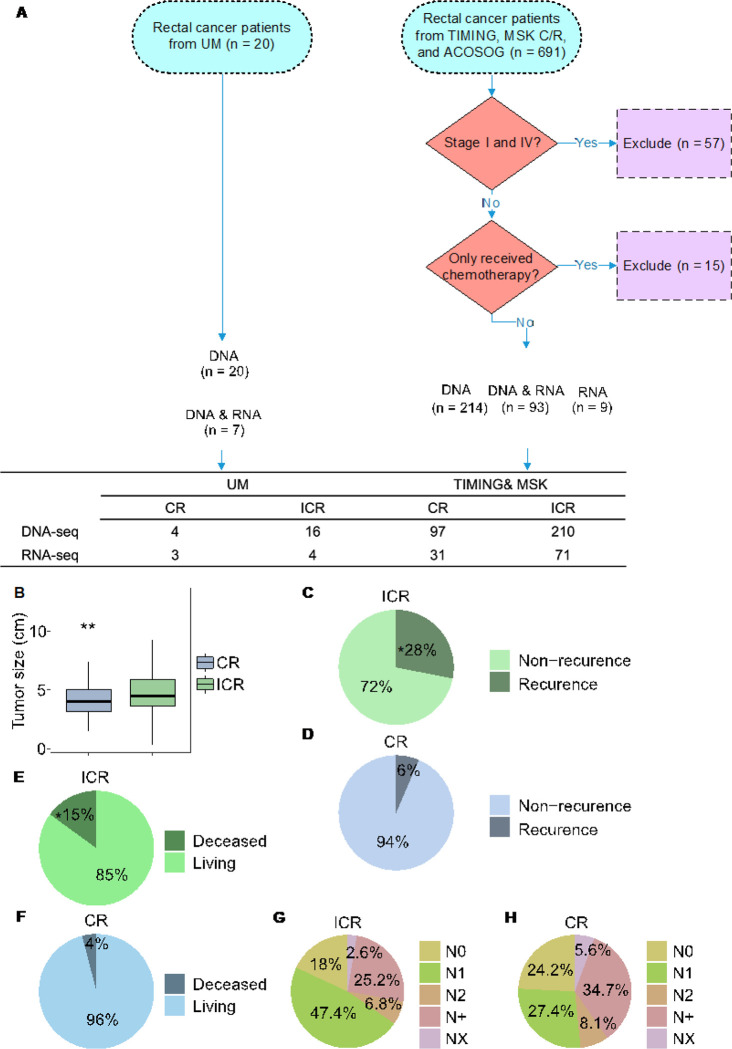 Figure 1
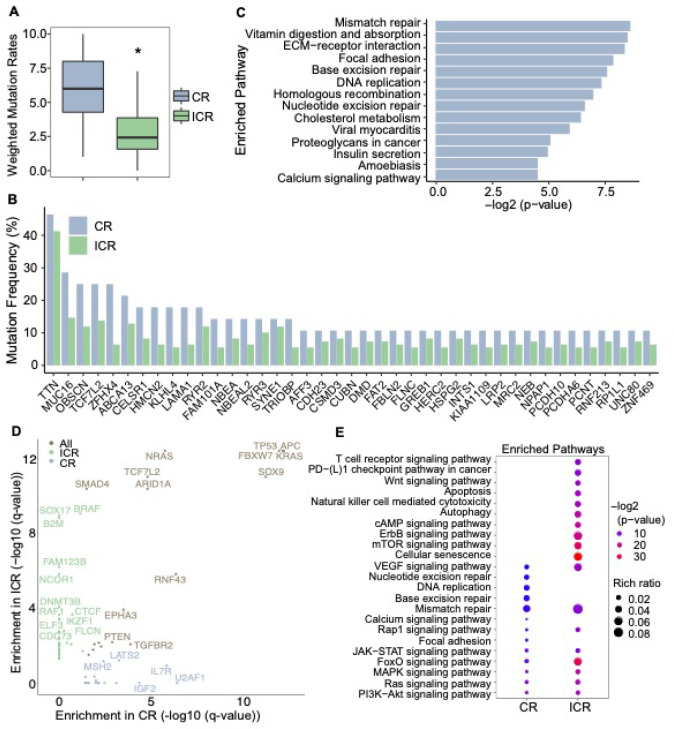 Figure 2
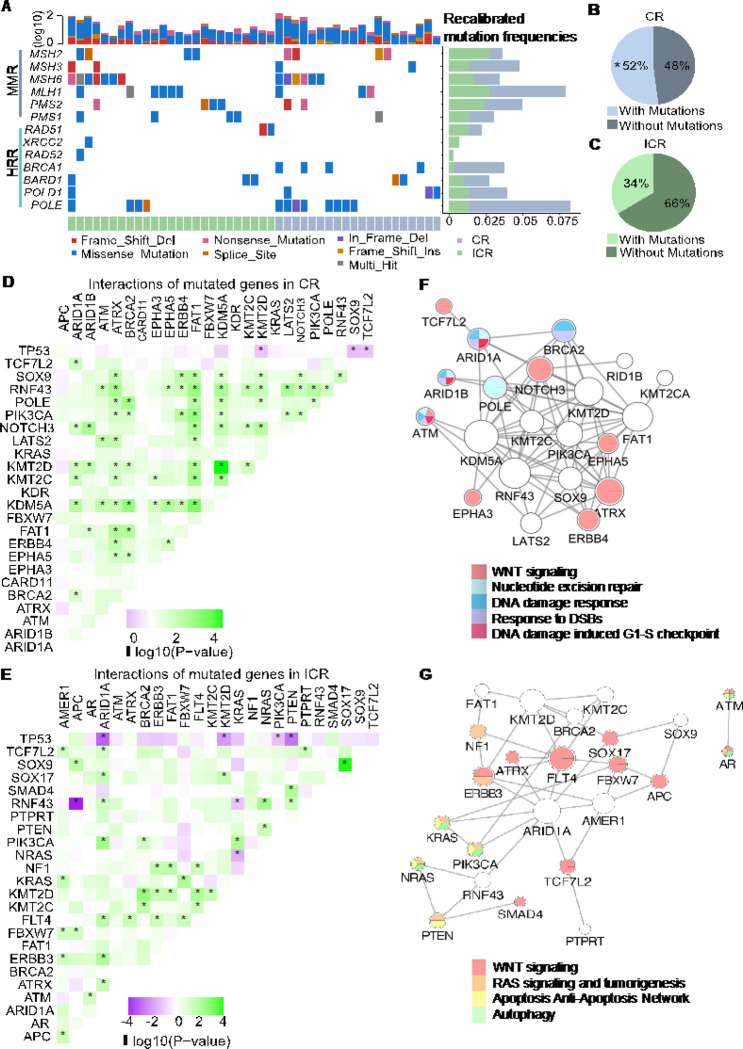 Figure 3
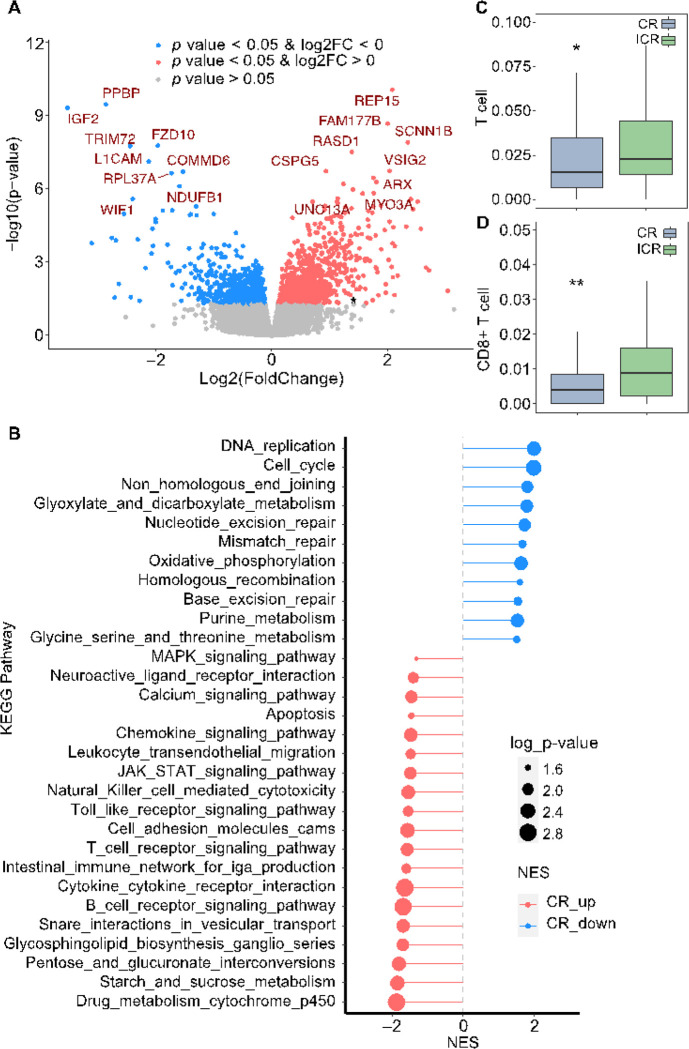 Figure 4
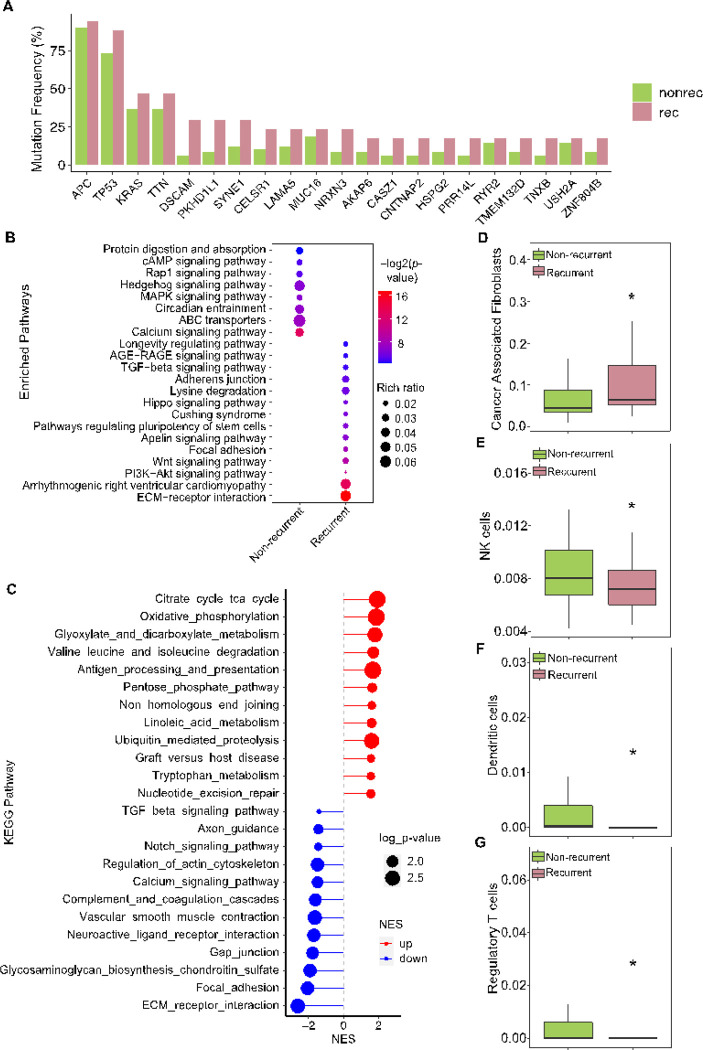 Figure 5
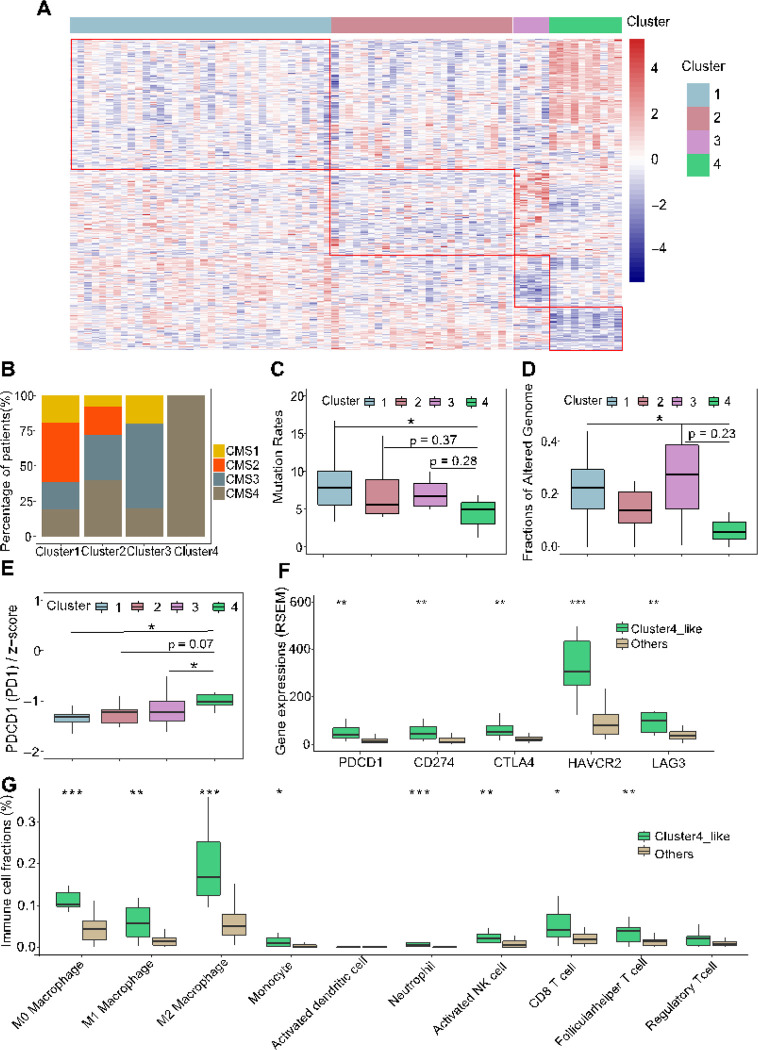 Figure 6
Peer Reviews
No public reviews on file for this paper yet. If you reviewed it on a platform where reviews are public (OpenReview, ICLR, NeurIPS, ICML), you can paste yours below so the community can read it here.
Videos
No videos yet. Explain this paper in a talk, walkthrough, or lecture? Add one.
Taxonomy
TopicsColorectal Cancer Surgical Treatments · Genetic factors in colorectal cancer · Colorectal Cancer Treatments and Studies