Neuronal segmentation in cephalopod arms
Cassady S. Olson, Natalie Grace Schulz, Clifton W. Ragsdale

TL;DR
This paper reveals that the nervous system of octopus arms is segmented, offering new insights into how these flexible limbs are controlled.
Contribution
The study identifies segmentation in the axial nerve cords of octopus arms, a novel finding in mollusc nervous system organization.
Findings
The axial nerve cords (ANCs) in octopus arms are segmented, with neuron-rich modules and neuron-poor septa.
Nerves exiting from ANC septa show varied trajectories, suggesting cooperative innervation of arm musculature.
The ANC segmentation correlates with the flexible, sucker-laden structure of cephalopod arms.
Abstract
The prehensile arms of the cephalopod are among these animals' most remarkable features, but little is known about the neural circuitry governing arm and sucker movements1,2. Here, we investigated the cellular and molecular organization of the arm nervous system, focusing on the massive axial nerve cords (ANCs) in the octopus arms which collectively harbor four times as many neurons as the central brain3. We found that the ANC is segmented. In transverse cross sections, the ANC cell body layer wraps around the neuropil with no apparent segregation of sensory and motor neurons. In longitudinal sections, however, ANC neurons form segments, setting up a modular organization to the adjoining ANC neuropil. The septa between each segment are, in contrast, neuron-poor but contain nerve exits, vasculature and abundant collagen. Surprisingly, nerves exiting from neighboring septa differ in their…
Genes, proteins, chemicals, diseases, species, mutations and cell lines named across the full text — each resolved to its canonical identifier and authoritative record.
Click any figure to enlarge with its caption.
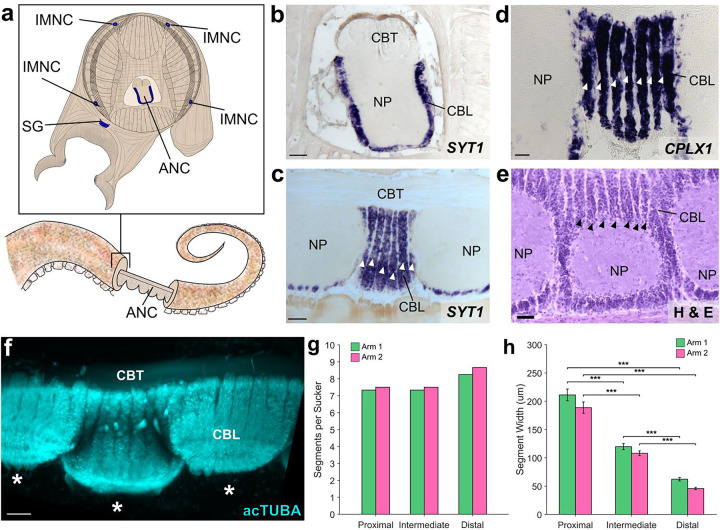 Figure 1
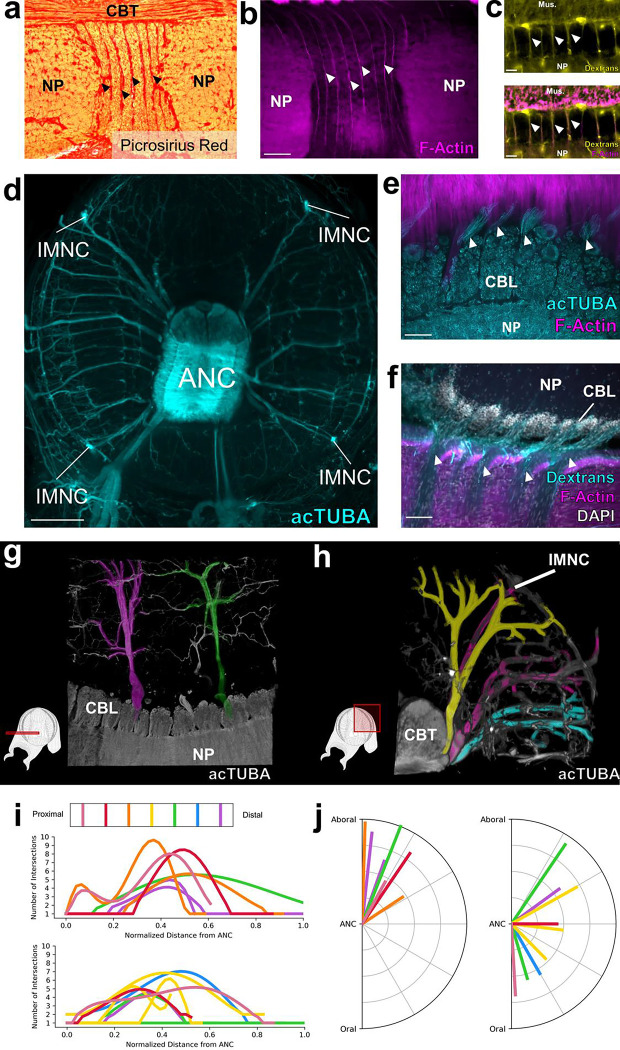 Figure 2
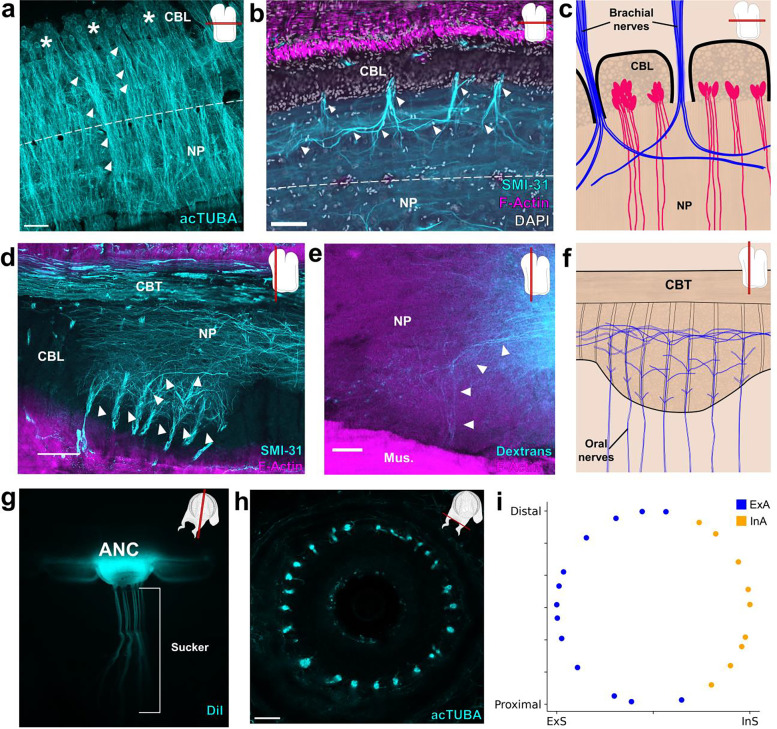 Figure 3
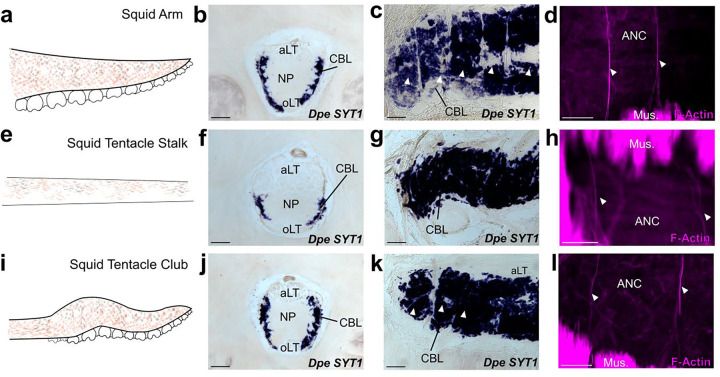 Figure 4
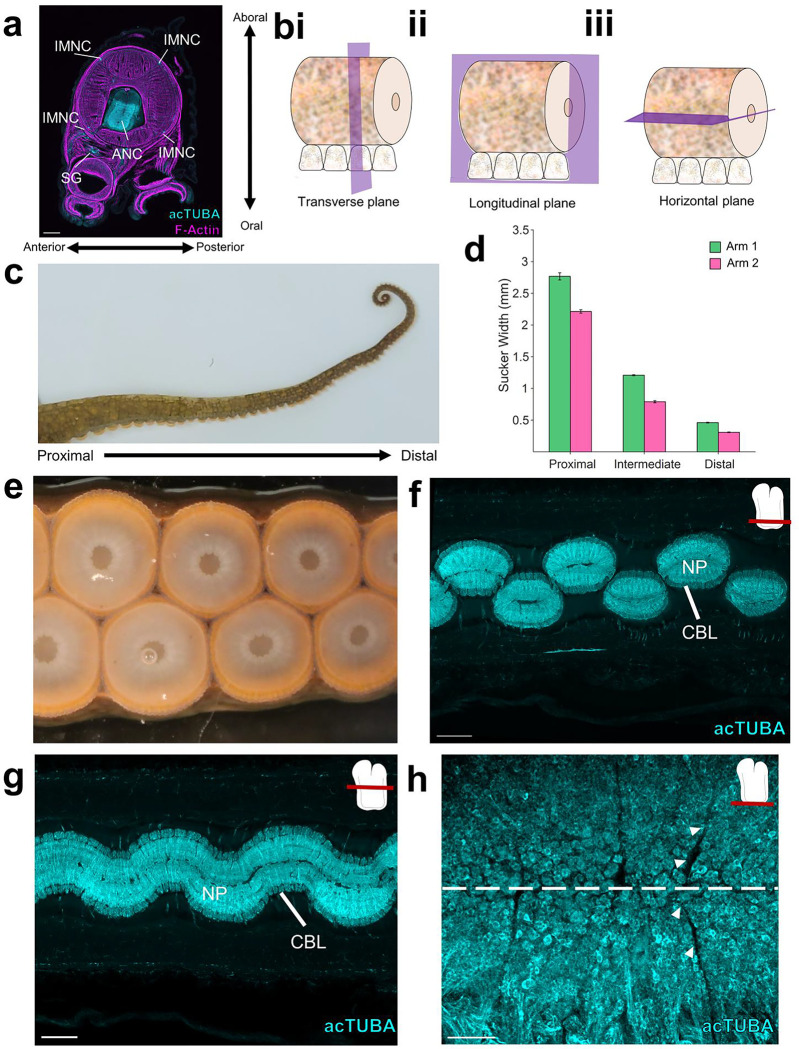 Figure 5
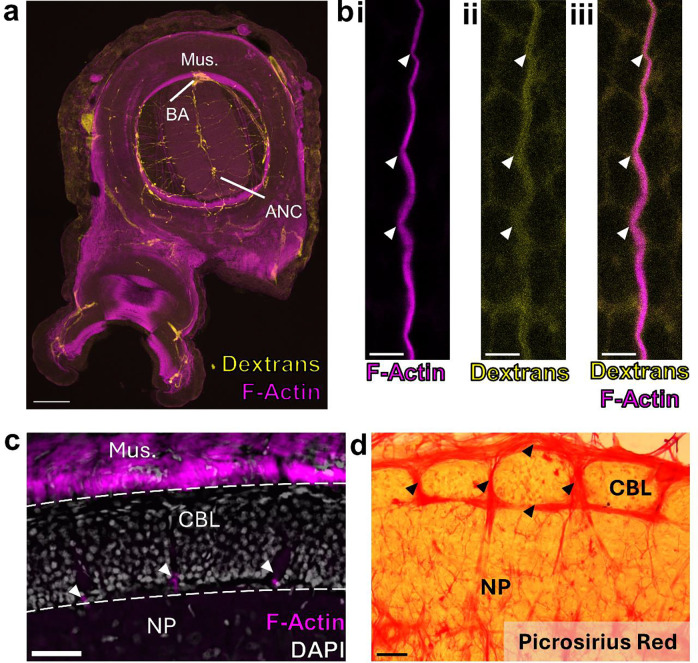 Figure 6
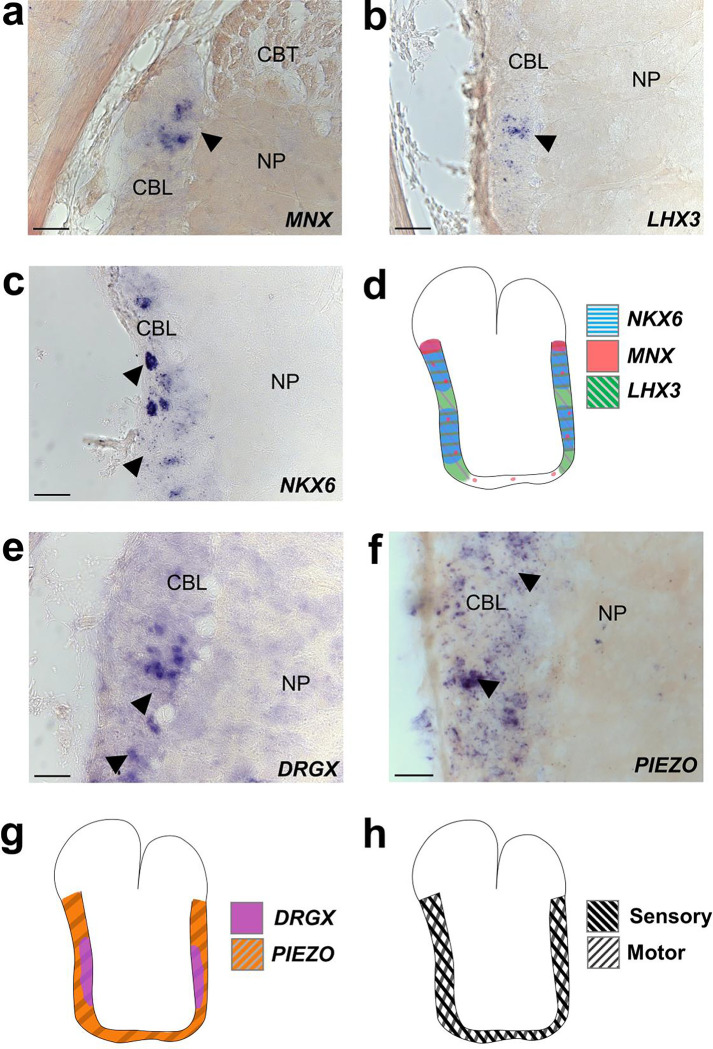 Figure 7
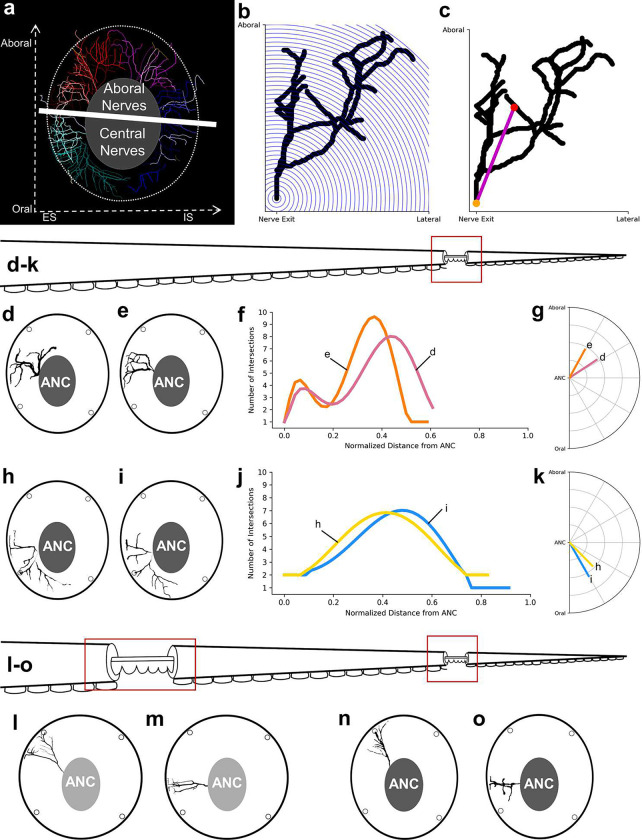 Figure 8
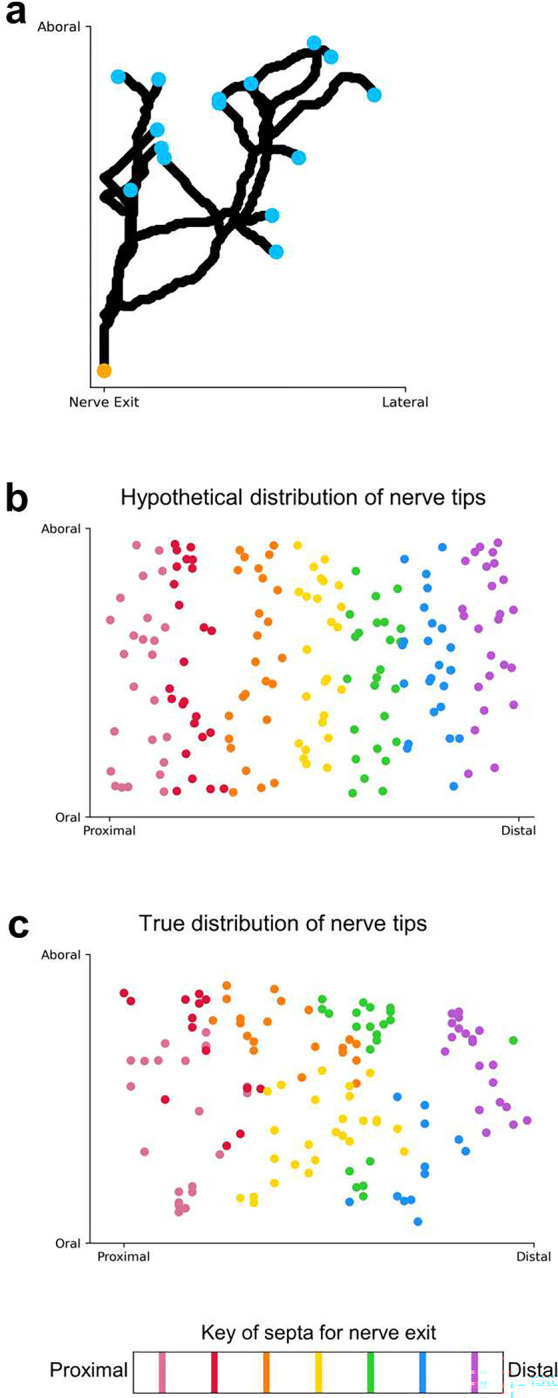 Figure 9
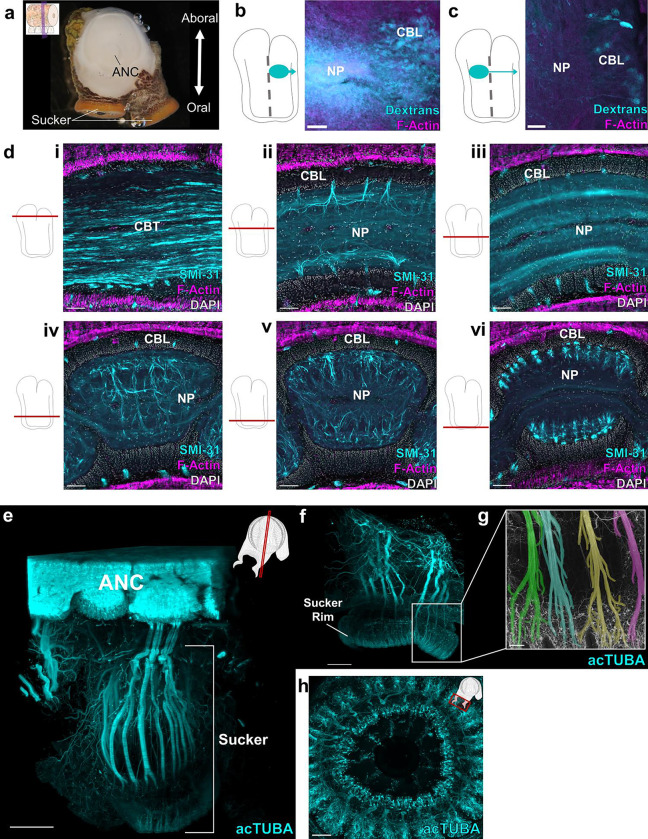 Figure 10
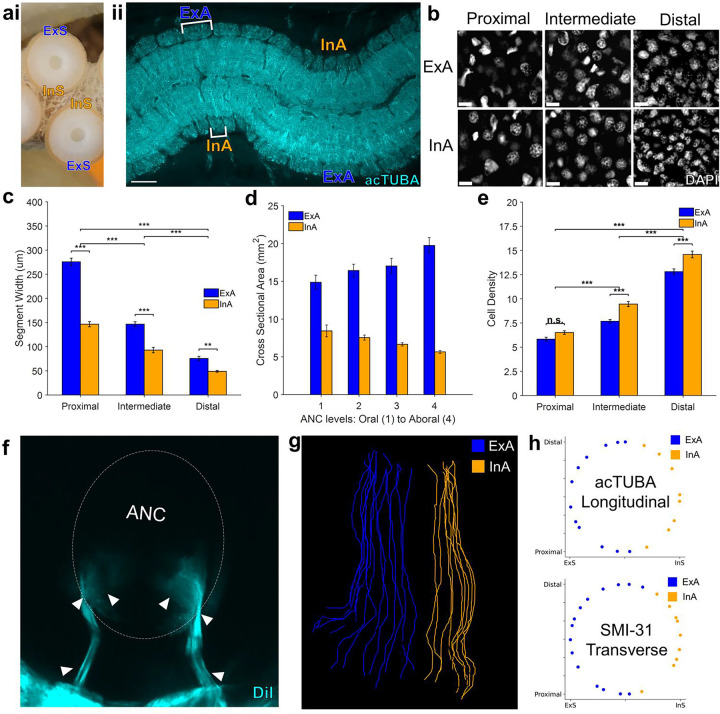 Figure 11
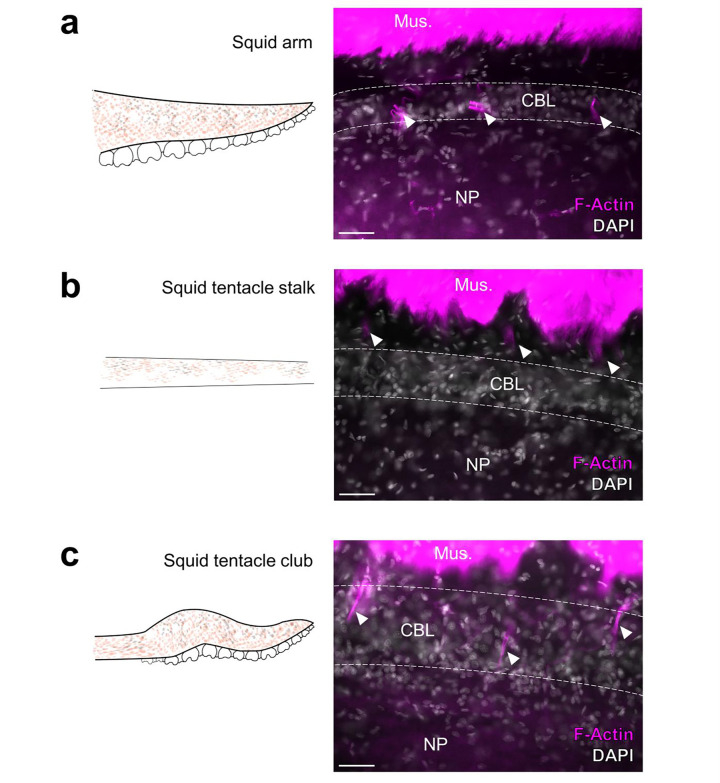 Figure 12
Peer Reviews
No public reviews on file for this paper yet. If you reviewed it on a platform where reviews are public (OpenReview, ICLR, NeurIPS, ICML), you can paste yours below so the community can read it here.
Videos
No videos yet. Explain this paper in a talk, walkthrough, or lecture? Add one.
Taxonomy
TopicsCephalopods and Marine Biology · Veterinary Pharmacology and Anesthesia · Neuroendocrine regulation and behavior