ESF1 and MIPEP proteins promote estrogen receptor-positive breast cancer proliferation and are associated with patient prognosis
Qing Yu, Chunhua Qu, Jinliang Liang, Peiqi Chen, Kaiying Zhang, Yanji Zhang, Yuening Zhang, Zherui Li, Shaojun Liu, Zhaoshou Yang, Hongyan Sun, Anli Yang

TL;DR
This study identifies ESF1 and MIPEP proteins as key drivers of estrogen receptor-positive breast cancer growth and links their presence to worse patient outcomes.
Contribution
ESF1 and MIPEP are newly identified as hub proteins promoting ER+ breast cancer proliferation and associated with poor prognosis.
Findings
ESF1 and MIPEP are significantly upregulated in ER+ breast cancer compared to normal tissue.
Knocking down ESF1 and MIPEP reduces cancer cell proliferation and increases apoptosis.
Higher expression of ESF1 and MIPEP correlates with poorer patient survival.
Abstract
Estrogen receptor-positive (ER+) breast cancer accounts for two-thirds of all breast cancers, and its early and late recurrences still threaten patients’ long-term survival and quality of life. Finding candidate tumor antigens and potential therapeutic targets is critical to addressing these unmet needs. The isobaric tags for relative and absolute quantitation (iTRAQ) proteomic analysis was employed to identify the differentially expressed proteins (DEPs) between ER + breast cancer and corresponding adjacent normal tissue. Candidate DEPs were screened by bioinformatic analyses, and their expression was confirmed by immunohistochemical (IHC) staining and western blot. A series of in vitro experiments, including wound healing assay, colony formation, and cell cycle assay, were performed to reveal the functions of selected DEPs. Additionally, their clinical significances were further…
Genes, proteins, chemicals, diseases, species, mutations and cell lines named across the full text — each resolved to its canonical identifier and authoritative record.
Click any figure to enlarge with its caption.
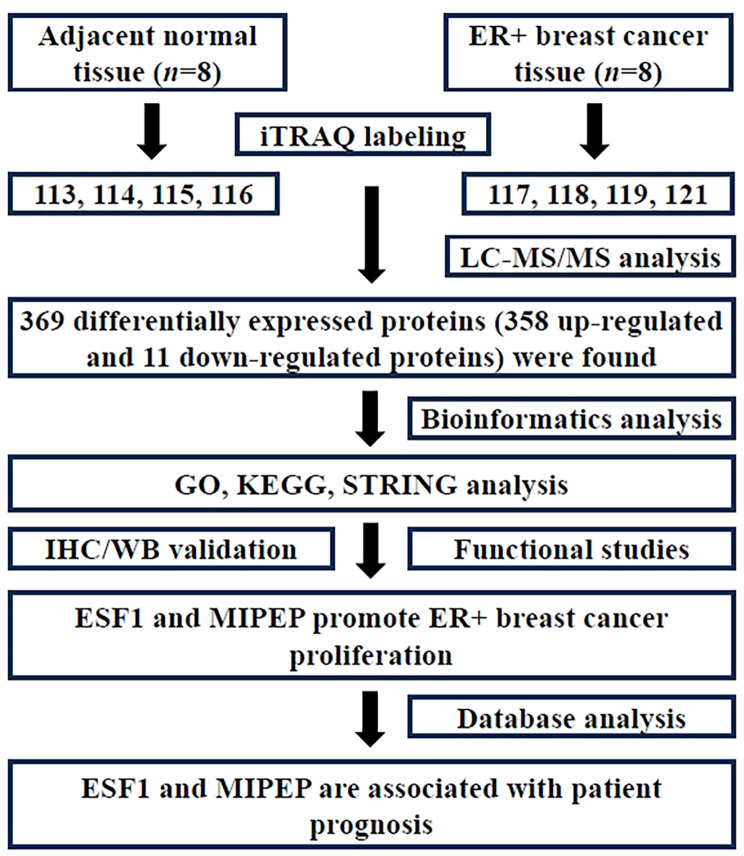 Figure 1
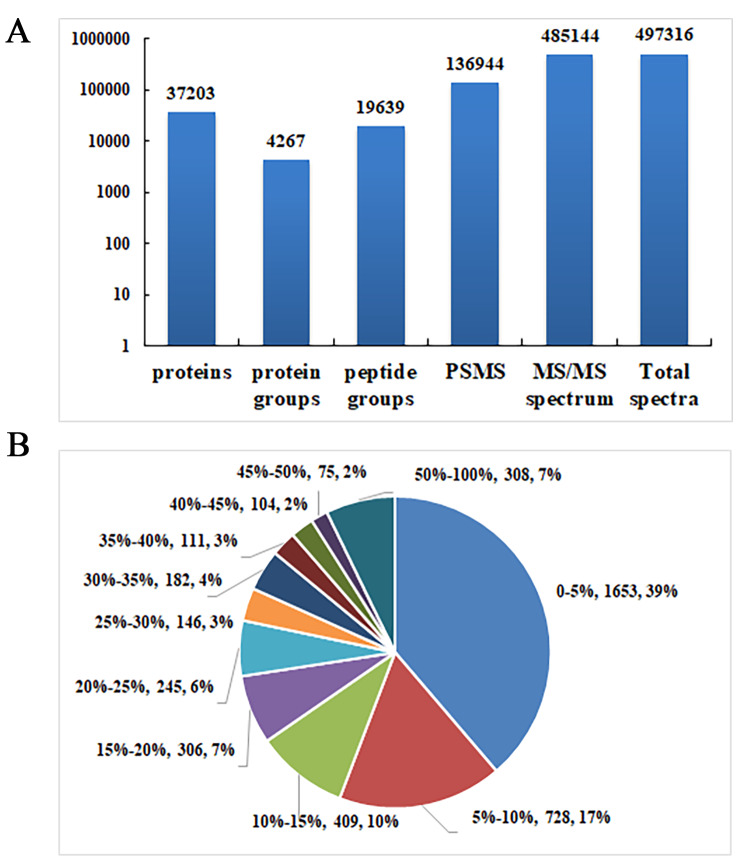 Figure 2
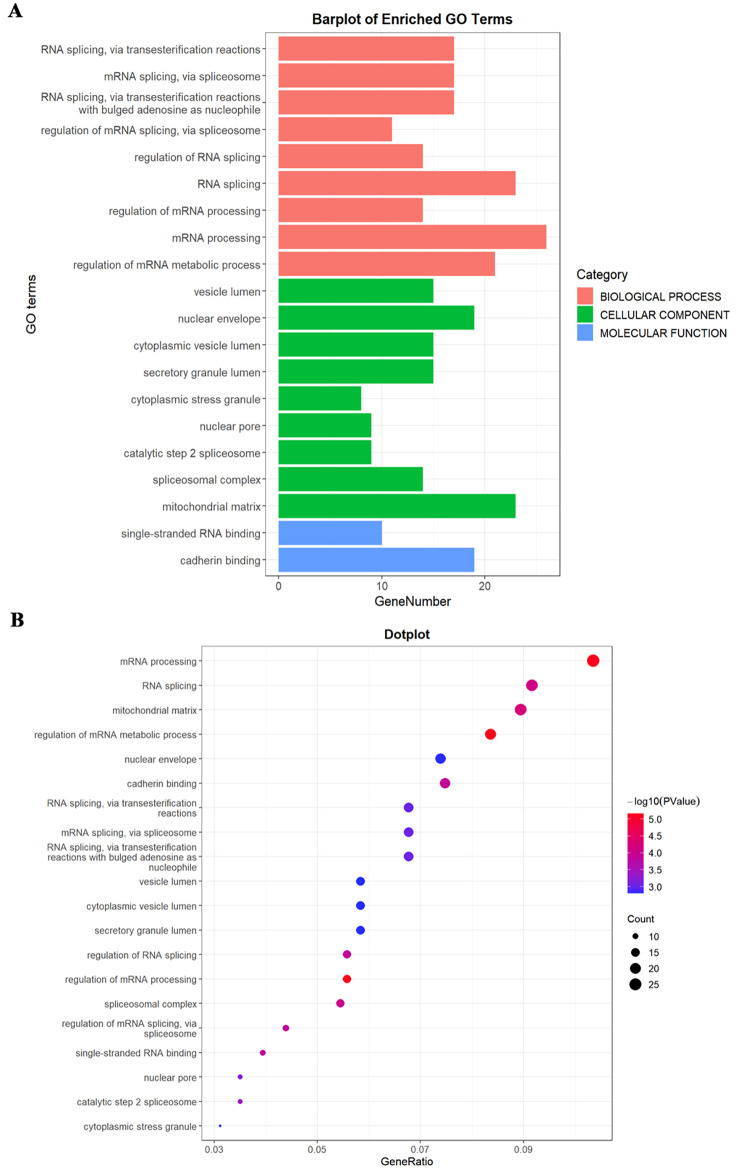 Figure 3
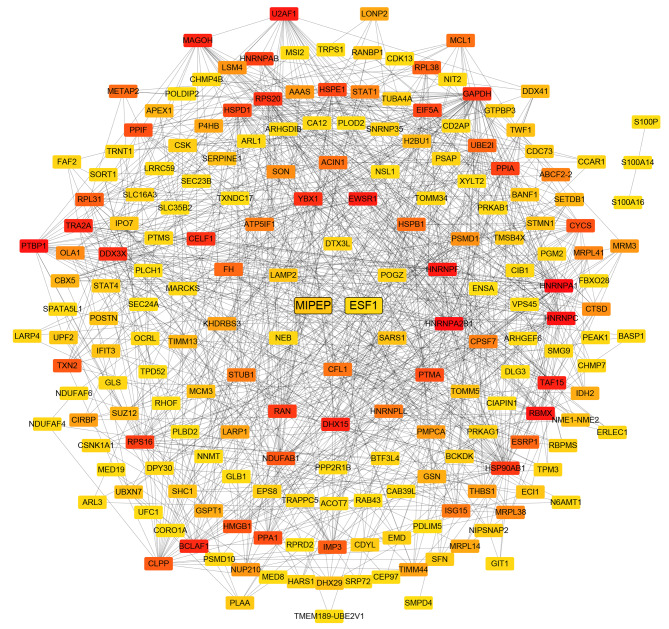 Figure 4
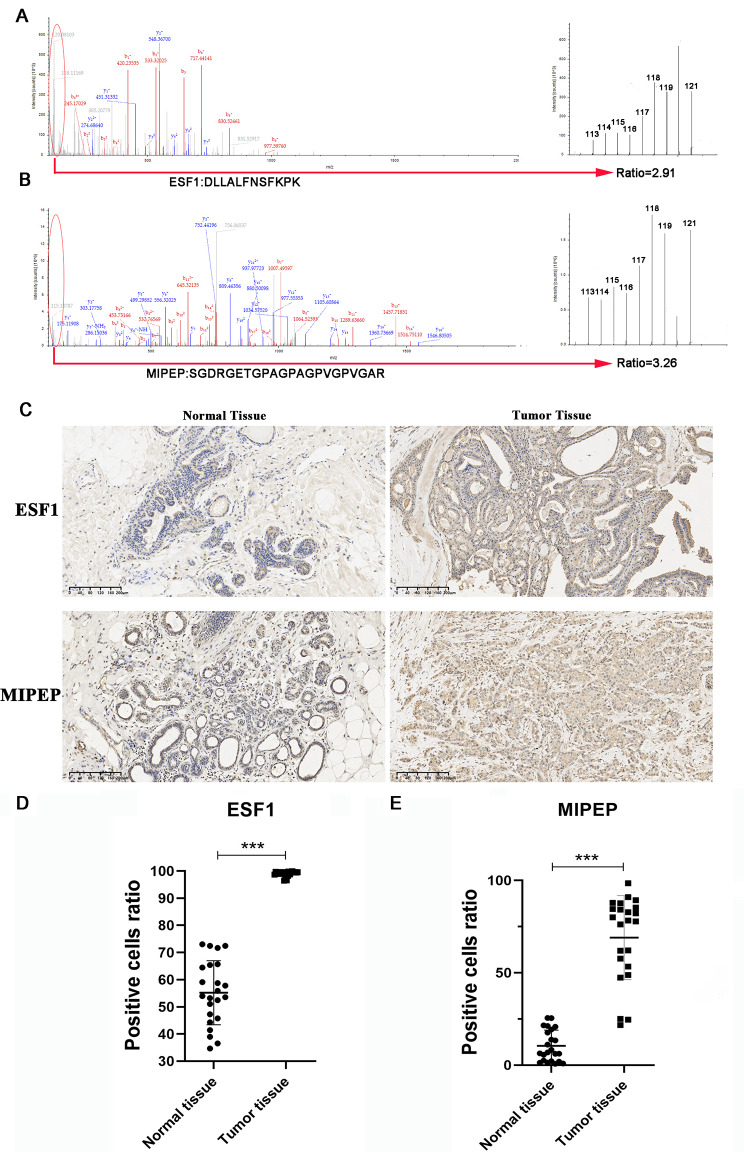 Figure 5
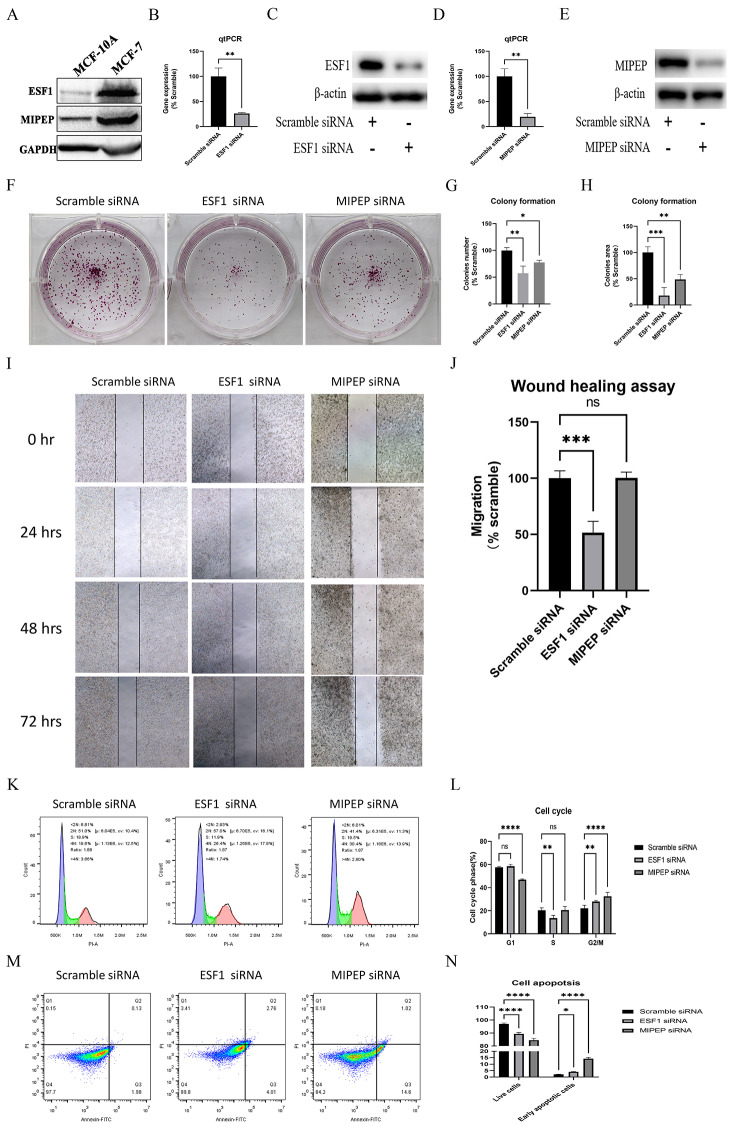 Figure 6
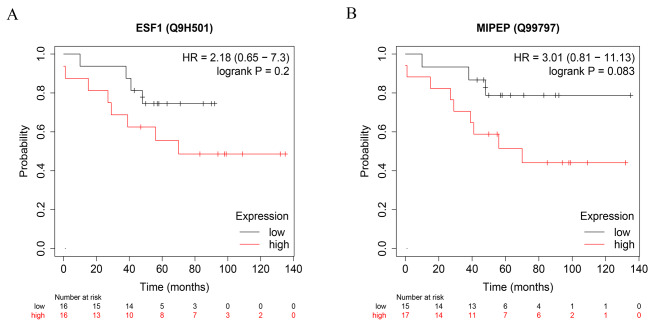 Figure 7
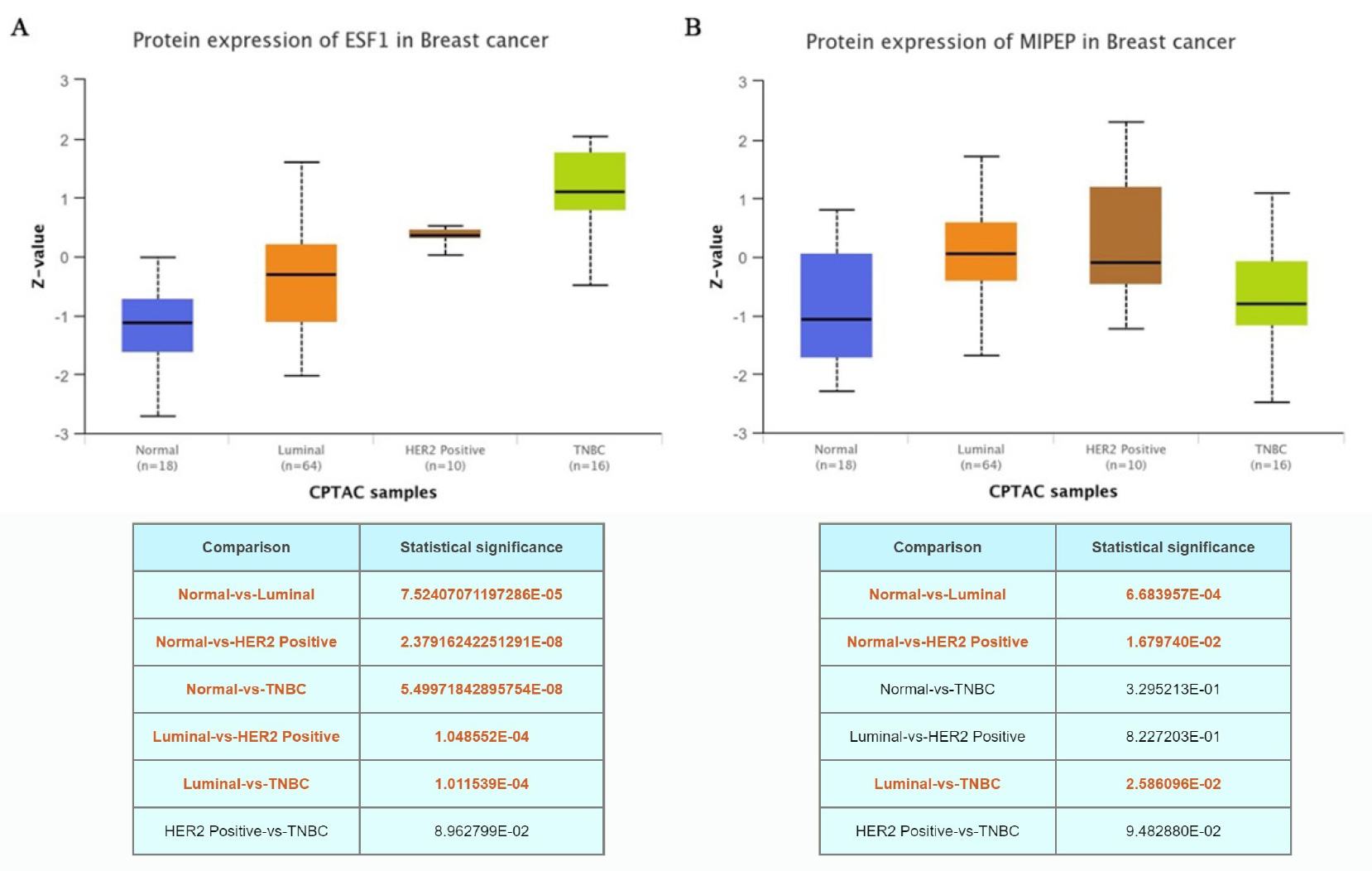 Figure 8
Peer Reviews
No public reviews on file for this paper yet. If you reviewed it on a platform where reviews are public (OpenReview, ICLR, NeurIPS, ICML), you can paste yours below so the community can read it here.
Videos
No videos yet. Explain this paper in a talk, walkthrough, or lecture? Add one.
Taxonomy
TopicsUbiquitin and proteasome pathways · DNA Repair Mechanisms · Monoclonal and Polyclonal Antibodies Research