Tracking Thermo-Oxidation Reaction Products and Pathways of Modified Lignin Structures from Reactive Molecular Dynamics Simulations
S. Ahmed, S. J. Eder, N. Dörr, A. Martini

TL;DR
This paper introduces a method to track thermo-oxidation pathways in modified lignin structures using simulations, helping to identify reaction products and processes.
Contribution
A novel tracking approach is developed to determine reaction pathways from reactive molecular dynamics simulations of lignin thermo-oxidation.
Findings
The tracking approach successfully identified dominant reaction products from lignin thermo-oxidation simulations.
Key bonds were monitored to determine individual steps in the thermo-oxidation reaction process.
The methodology can be extended to study thermo-oxidative pathways in a broader range of chemical compounds.
Abstract
Thermo-oxidation of biomass is an important process that occurs through a variety of reaction pathways depending on the chemical nature of the molecules and reaction conditions. These processes can be modeled using reactive molecular dynamics to study chemical reactions and the evolution of converted molecules over time. The advantage of this approach is that many molecules can be modeled, but it is challenging to use the large amount of data obtained from such a simulation to determine reaction products and pathways. In this study, we developed a tracking approach to identify the reaction pathways of the dominant reaction products from reactive molecular dynamics simulations. We demonstrated the approach for thermo-oxidation reactions of modified model lignin compounds. For two modified lignin structures, we tracked the evolving chemical species to find the most common reaction…
Genes, proteins, chemicals, diseases, species, mutations and cell lines named across the full text — each resolved to its canonical identifier and authoritative record.
Click any figure to enlarge with its caption.
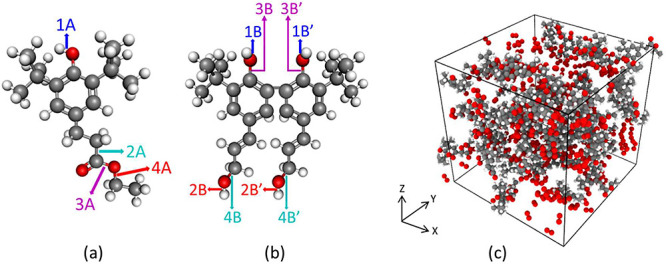 Figure 1
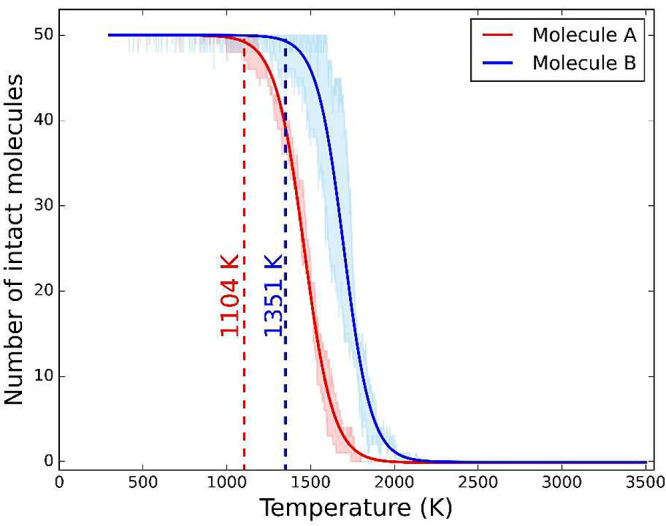 Figure 2
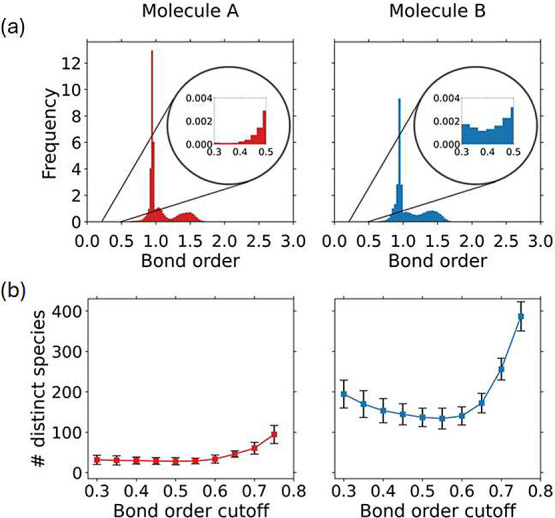 Figure 3
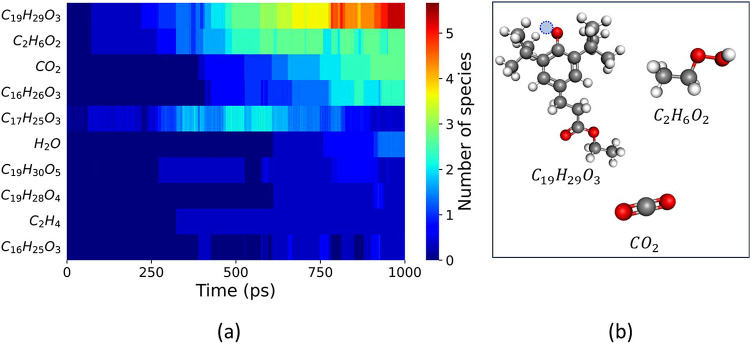 Figure 4
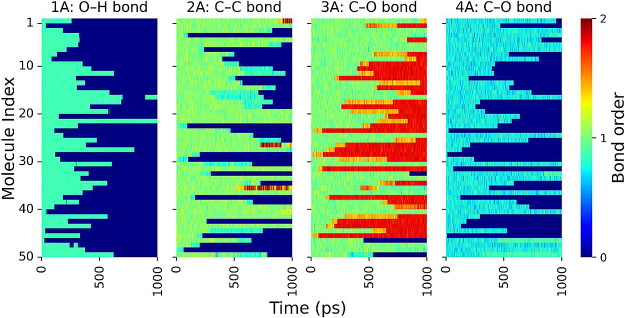 Figure 5
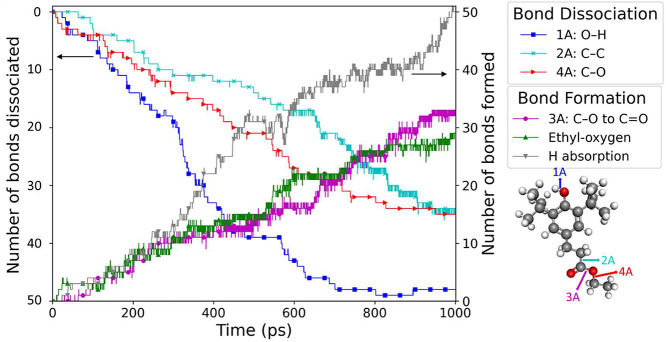 Figure 6
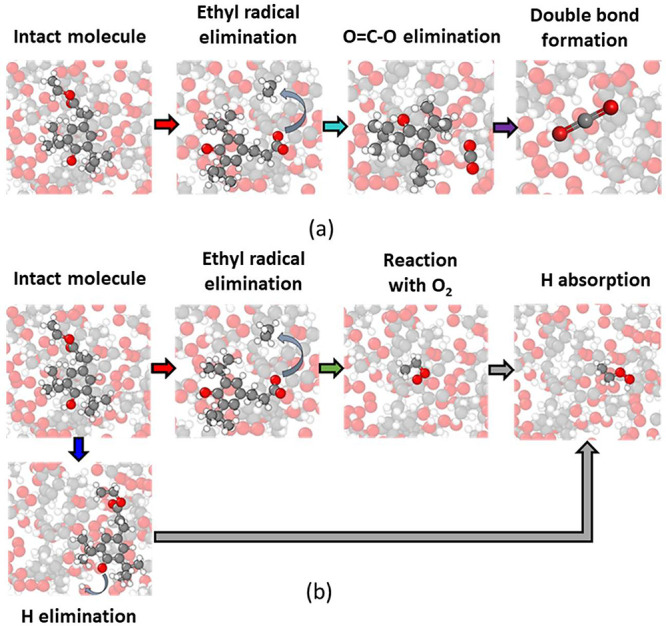 Figure 7
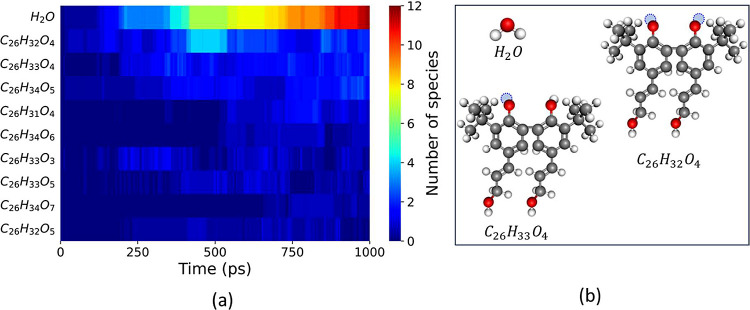 Figure 8
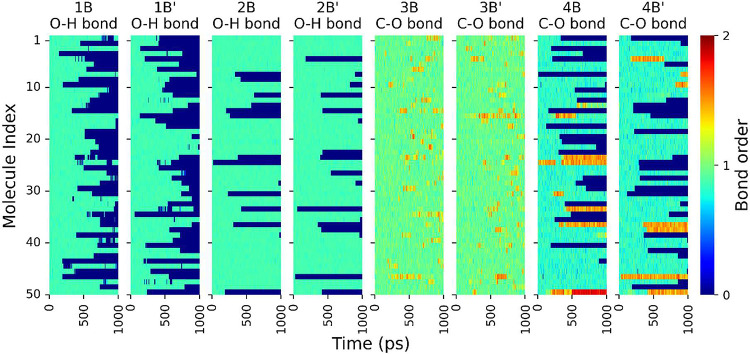 Figure 9
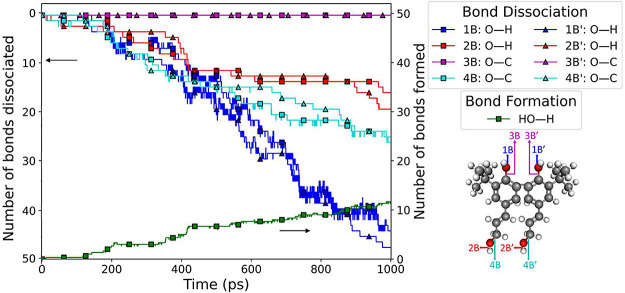 Figure 10
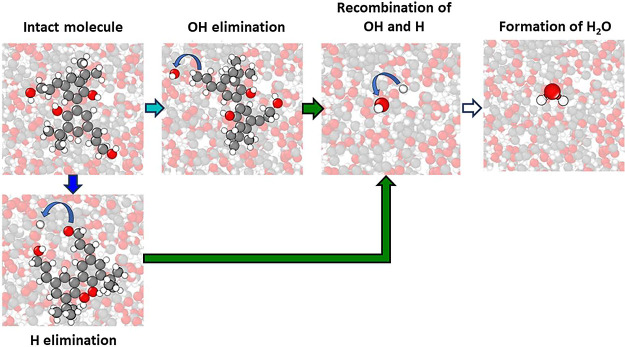 Figure 11
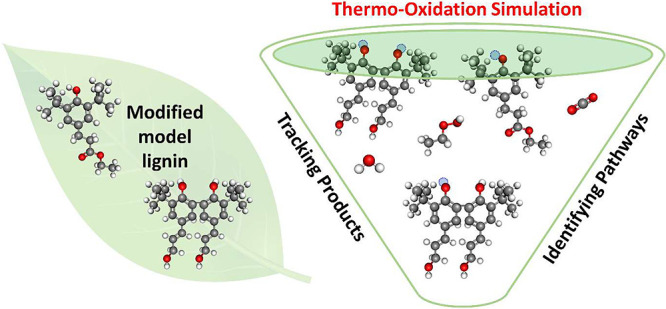 Figure 12
Peer Reviews
No public reviews on file for this paper yet. If you reviewed it on a platform where reviews are public (OpenReview, ICLR, NeurIPS, ICML), you can paste yours below so the community can read it here.
Videos
No videos yet. Explain this paper in a talk, walkthrough, or lecture? Add one.
Taxonomy
TopicsWittgensteinian philosophy and applications