Accurate Preoperative and Intraoperative Evaluation Reduces Surgical Costs and Patient Invasiveness in Ventriculoperitoneal Shunt Revision
Marina Takahashi, Taijun Hana, Shota Tanaka, Nobuhito Saito

TL;DR
Accurate evaluations before and during surgery can reduce costs and invasiveness in VP shunt revisions.
Contribution
A cost-effective, minimally invasive approach to VP shunt revision is demonstrated through a case study.
Findings
Comprehensive evaluations identified a connective tissue sac as the cause of shunt malfunction.
Minimally invasive techniques allowed reuse of existing shunt components, reducing costs.
The approach offers a patient-friendly alternative to traditional revision methods.
Abstract
The ventriculoperitoneal (VP) shunt is one of the most common surgical procedures in neurosurgery, frequently resulting in malfunctions. Shunt malfunctions, which can include mechanical failure, obstruction, infection, or disconnection, occur in a significant percentage of patients, often necessitating multiple revisions. These revisions can lead to increased healthcare costs due to additional surgeries or treatments. Therefore, addressing the economic impacts of these revisions is crucial. Our report presents a cost-effective approach to shunt revisions, demonstrated through a case study of an 82-year-old woman with hydrocephalus. Although initially treated with a VP shunt, she required a revision after six years due to shunt malfunction. Through comprehensive preoperative and intraoperative evaluations, including a shuntogram with iodine contrast and meticulous examination, we…
Genes, proteins, chemicals, diseases, species, mutations and cell lines named across the full text — each resolved to its canonical identifier and authoritative record.
Click any figure to enlarge with its caption.
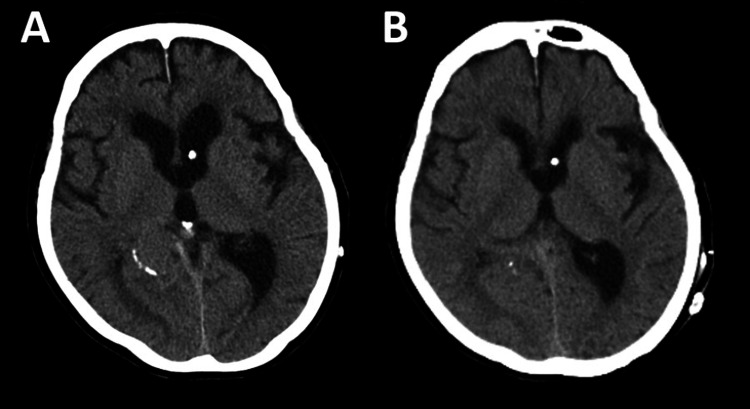 Figure 1
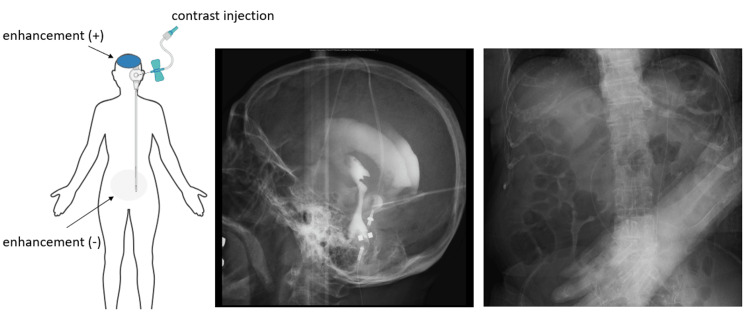 Figure 2
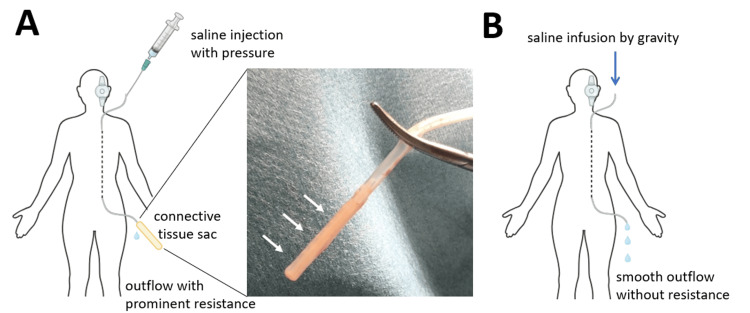 Figure 3
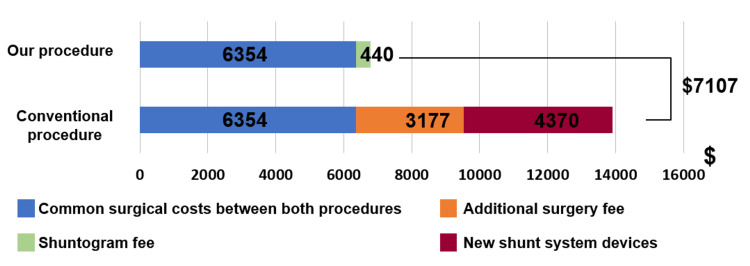 Figure 4
Peer Reviews
No public reviews on file for this paper yet. If you reviewed it on a platform where reviews are public (OpenReview, ICLR, NeurIPS, ICML), you can paste yours below so the community can read it here.
Videos
No videos yet. Explain this paper in a talk, walkthrough, or lecture? Add one.
Taxonomy
TopicsCerebrospinal fluid and hydrocephalus · Spinal Dysraphism and Malformations · Fetal and Pediatric Neurological Disorders