The Impact of Physical Therapy in Individuals With Benign Paroxysmal Positional Vertigo: A Case Report
Om C Wadhokar, Payal Shelar, Chaitanya A Kulkarni

TL;DR
This case report shows that physical therapy, including a specific repositioning maneuver, effectively reduced vertigo symptoms in a woman with BPPV.
Contribution
The report demonstrates the effectiveness of CRM and physiotherapy in treating BPPV in a specific patient case.
Findings
CRM and physiotherapy reduced the patient's vertigo duration and frequency.
The patient experienced improved range of motion and reduced pain.
The treatment improved the patient's quality of life.
Abstract
Benign paroxysmal positional vertigo (BPPV) is a mechanical condition of the peripheral vestibular system. It is characterized by recurrent, short-lived episodes of vertigo caused by calcium carbonate crystals that get dislodged from the utricle and move into the semicircular canals. In this case report, a 33-year-old female presenting with complaints of neck pain and dizziness upon head movement was diagnosed with BPPV following a comprehensive evaluation, which included a thorough history, assessment, and investigations. The Dix-Hallpike maneuver was positive on the right side. The patient was then treated with canalith repositioning manuever (CRM) and conventional physiotherapy. There was a reduction in pain, improvement in range of motion, and reduction in the duration and frequency of vertigo. Therefore, it can be concluded that the application of CRM or Epley’s maneuver decreases…
Genes, proteins, chemicals, diseases, species, mutations and cell lines named across the full text — each resolved to its canonical identifier and authoritative record.
Click any figure to enlarge with its caption.
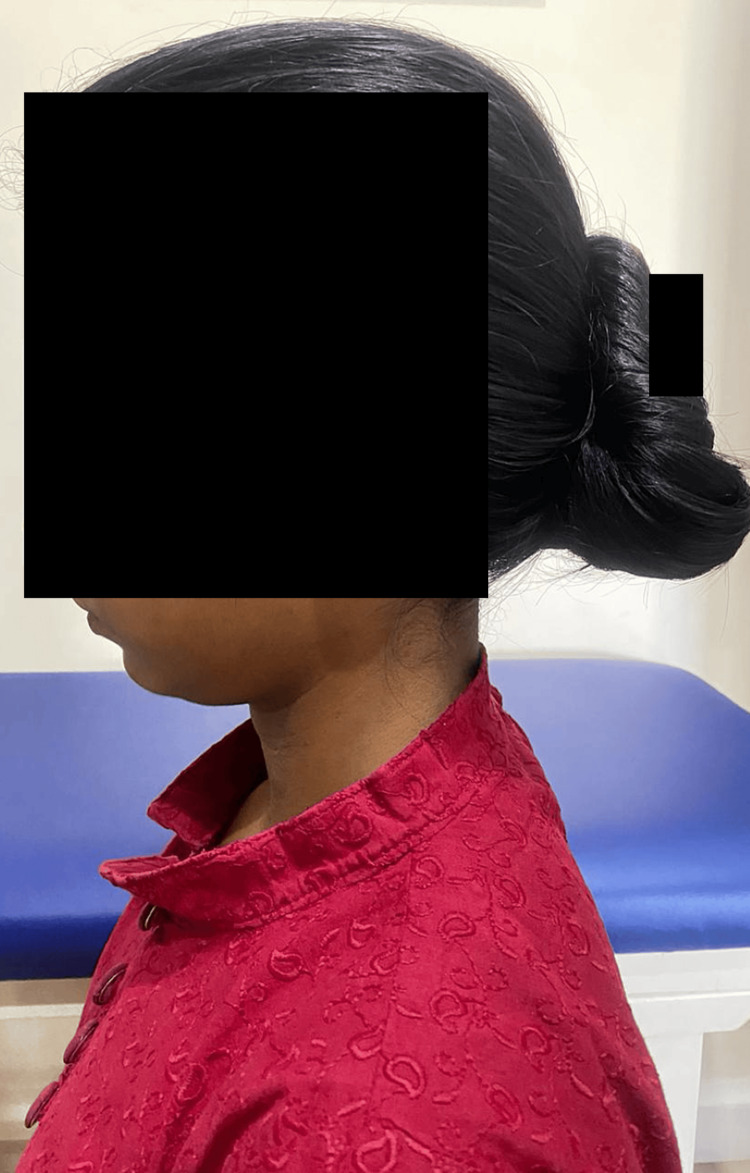 Figure 1
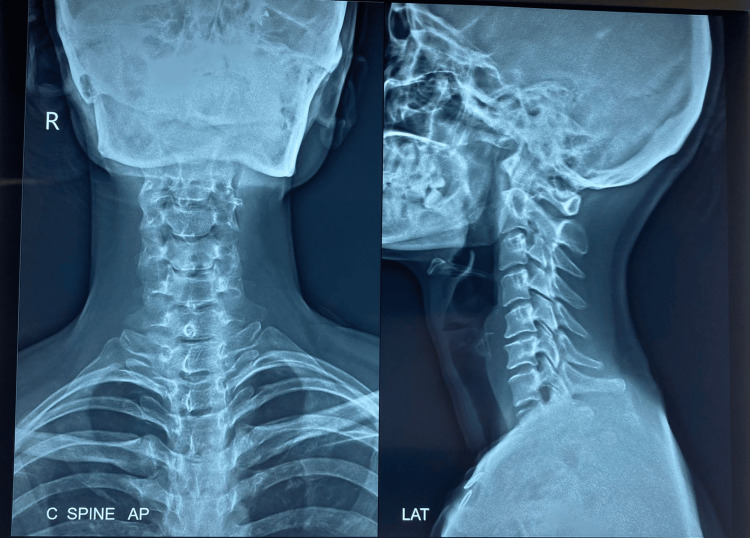 Figure 2
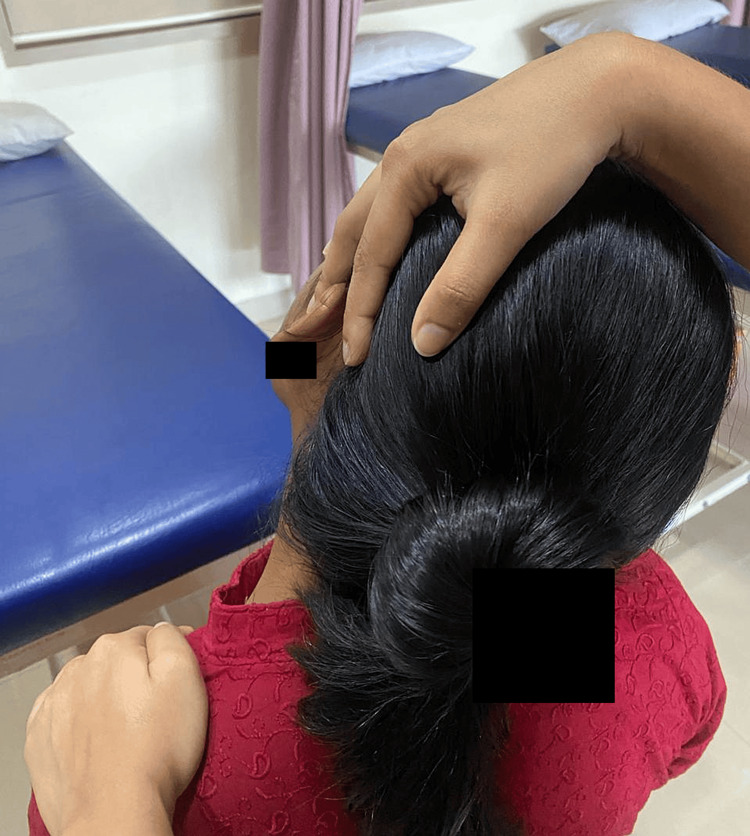 Figure 3
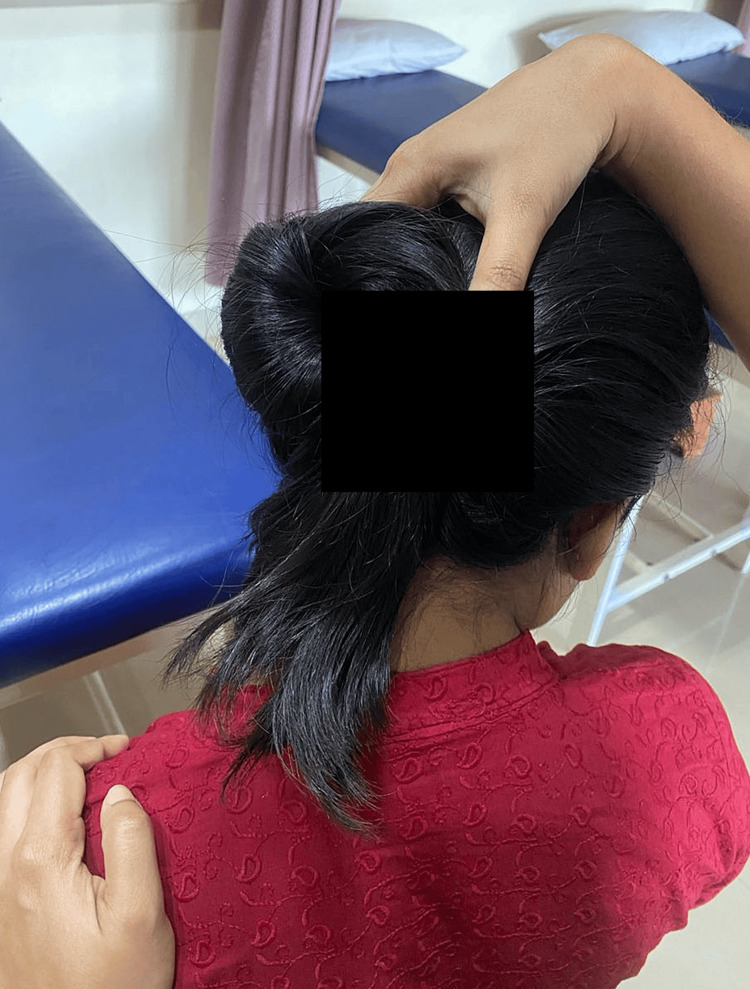 Figure 4
 Figure 5
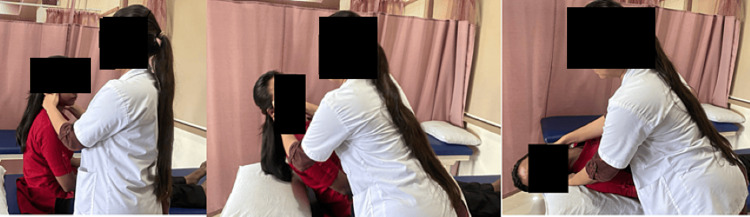 Figure 6
Peer Reviews
No public reviews on file for this paper yet. If you reviewed it on a platform where reviews are public (OpenReview, ICLR, NeurIPS, ICML), you can paste yours below so the community can read it here.
Videos
No videos yet. Explain this paper in a talk, walkthrough, or lecture? Add one.
Taxonomy
TopicsVestibular and auditory disorders